 EN
EN
 AR
AR
 BG
BG
 HR
HR
 CS
CS
 DA
DA
 NL
NL
 FI
FI
 FR
FR
 DE
DE
 EL
EL
 HI
HI
 IT
IT
 JA
JA
 KO
KO
 NO
NO
 PL
PL
 PT
PT
 RO
RO
 RU
RU
 ES
ES
 SV
SV
 CA
CA
 TL
TL
 IW
IW
 ID
ID
 UK
UK
 VI
VI
 SQ
SQ
 ET
ET
 GL
GL
 HU
HU
 TH
TH
 TR
TR
 FA
FA
 AF
AF
 GA
GA
 CY
CY
 BE
BE
 BN
BN




/images/share.png)

Choosing the right plastic pallets for storage is crucial for optimizing warehouse efficiency and ensuring the safety of stored goods. With a wide range of materials and load capacities available, B2B buyers, including purchasing managers and logistics coordinators, need to consider various factors before making a decision. This article will guide you through the essential aspects of selecting plastic pallets, helping you understand the material options, load capacity requirements, and supplier evaluation processes.
How to Choose the Right Plastic Pallet?
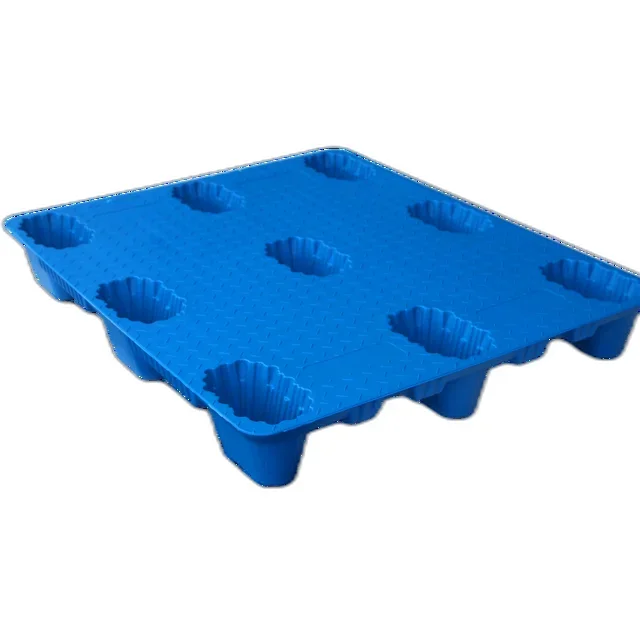
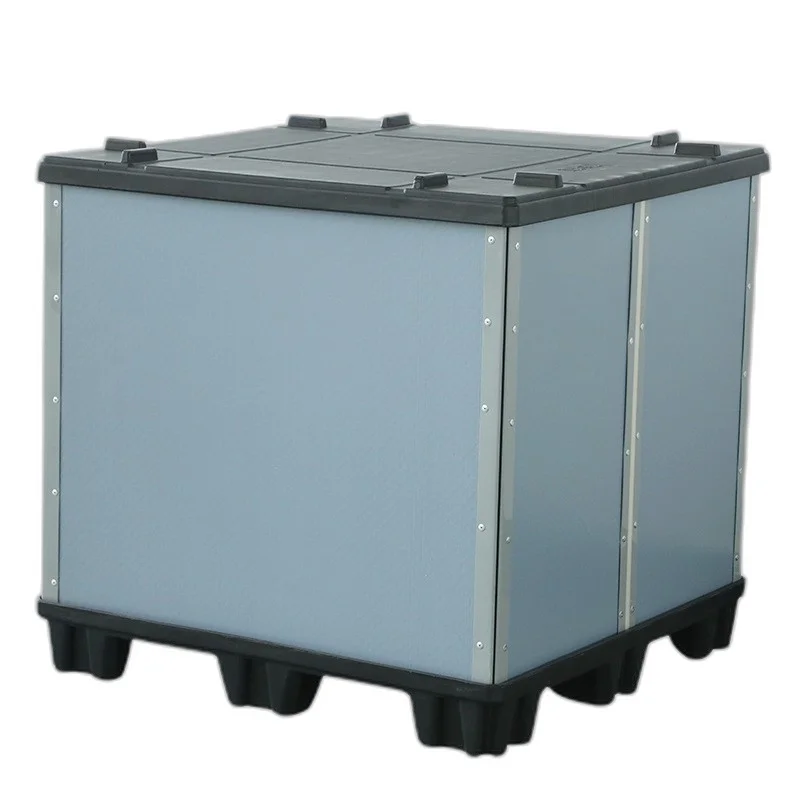
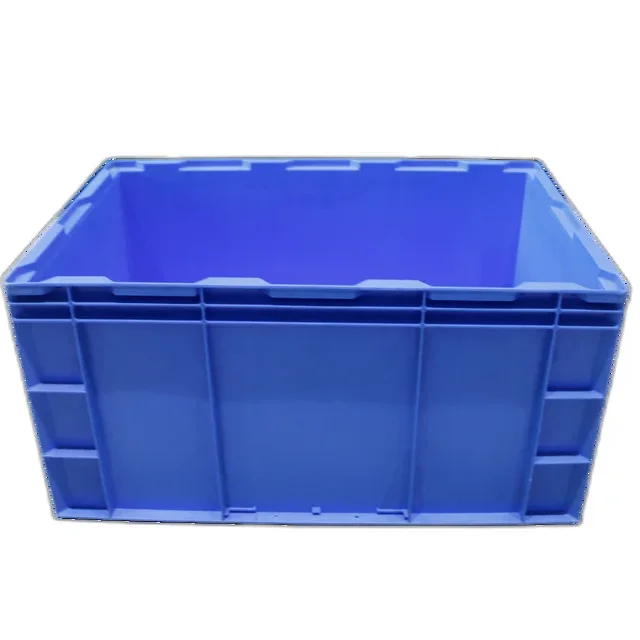
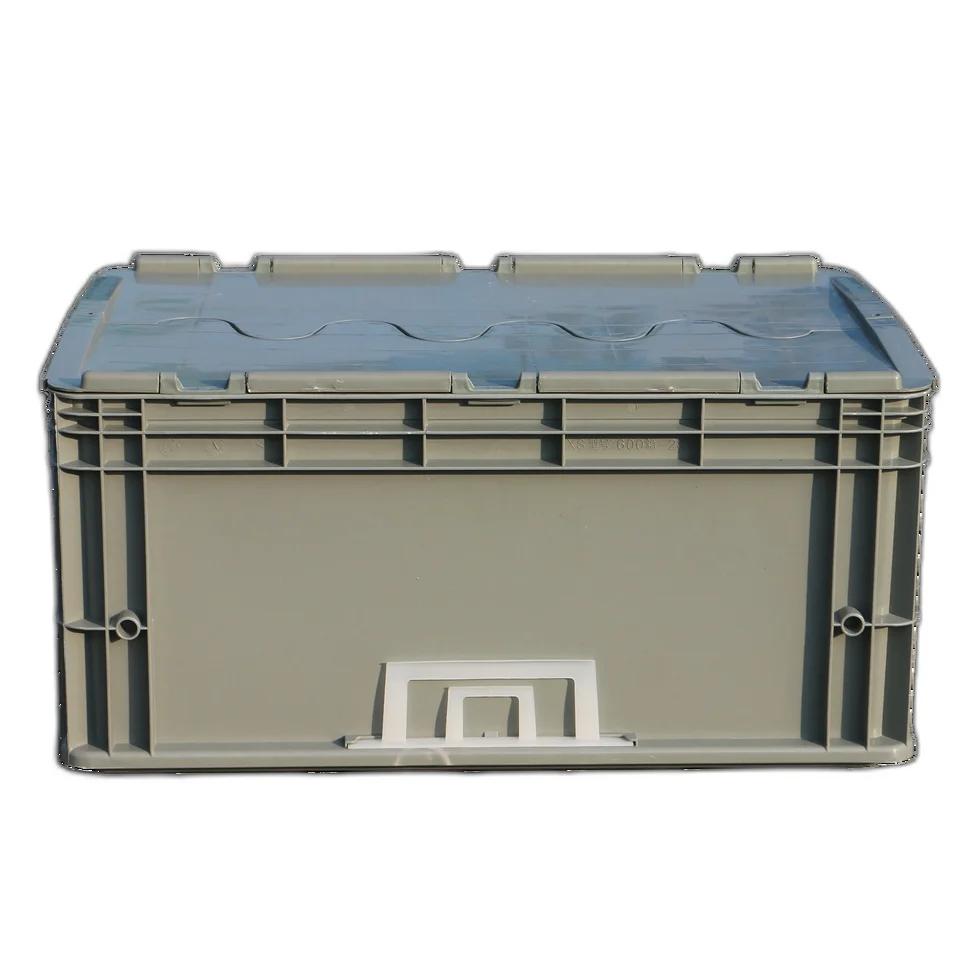
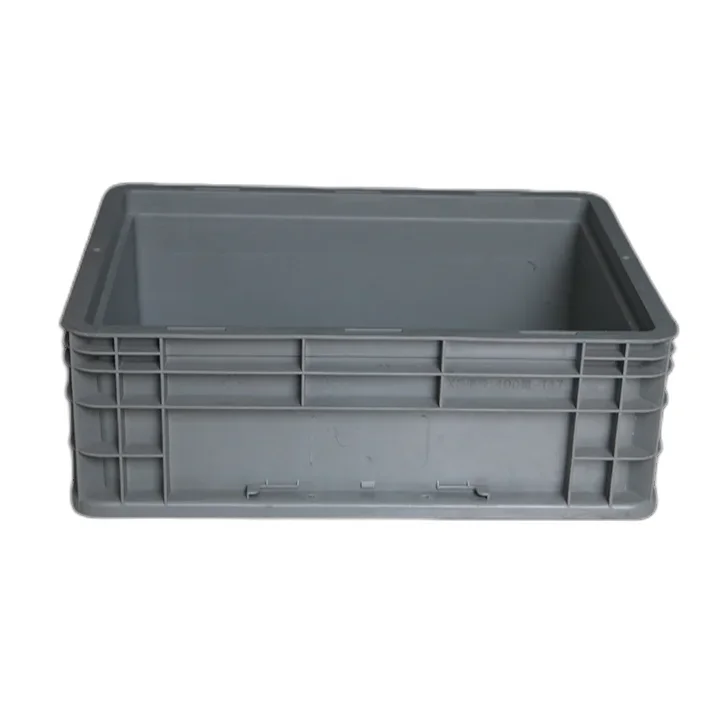
When selecting plastic pallets, it’s essential to consider the specific applications and environments in which they will be used. Key factors include the load capacity, dimensions, and intended use. For instance, if your operation involves heavy machinery or automotive components, you will need a pallet designed to withstand higher weight loads and potential impacts. Conversely, for food or pharmaceutical storage, hygiene and material safety become paramount. Additionally, think about the pallet's design features, such as stack ability or nestability, which can maximize storage efficiency. It's worth noting that some designs may be better suited for automated systems, while others may cater to manual handling processes. Always assess how the selected pallet aligns with your operational workflow.
Where to Find Reliable Suppliers for Plastic Pallet Solutions?
Identifying trustworthy suppliers is critical to ensuring you receive high-quality plastic pallets. Start by researching manufacturers with a solid industry reputation, such as Jiangsu Nexara, which specializes in producing plastic injection and blow-molded products. Look for suppliers that offer a range of products suitable for your industry whether automotive, food, or medical as they often have tailored solutions that meet specific regulatory requirements.
Evaluate suppliers based on their manufacturing capabilities, including production capacity and quality control processes. Request samples and conduct site visits or virtual tours to understand their operations better. Additionally, consider suppliers that provide customization options to meet your unique specifications, as this can enhance the suitability of the pallets for your specific needs.
What to Look for in Plastic Pallets?
When assessing plastic pallets, several specifications and features are vital to ensure they meet your operational needs. Here are some critical elements to consider:
Material Composition: Different plastics offer varying benefits. For example, high-density polyethylene (HDPE) is commonly used for its strength and resistance to chemicals, making it suitable for many applications. Meanwhile, polypropylene is often lighter and may be preferred for situations where weight is a concern.
Load Capacity: Understand the maximum load your pallets will need to support. This is crucial for safety and efficiency, as overloading can lead to pallet failure. Manufacturers typically provide load ratings, so ensure these align with your expected usage.
Dimensions and Design: Confirm the pallet's size and configuration to ensure compatibility with your racking systems and handling equipment. Pay attention to the pallet's leg design, as this can impact its stability and stacking ability.
Certifications: Check for compliance with industry standards, particularly for supreme plastic pallets used in the food and medical sectors, where hygiene and safety are crucial. Certifications can also indicate a manufacturer's commitment to quality.
A Guide
Define Your Requirements: Clearly outline your expected load capacities, dimensions, and specific application needs. This will guide your selection process and help communicate effectively with suppliers.
Request Samples: Before committing to bulk orders, obtain samples to evaluate the pallets’ physical properties, including durability and ease of use. Testing in real-world conditions can reveal potential issues that specifications alone may not indicate.
Engage with Suppliers: Reach out to multiple manufacturers to compare options. Ask about their production capabilities, minimum order quantities (MOQ), and lead times. Engaging directly can provide insights into their customer service and responsiveness.
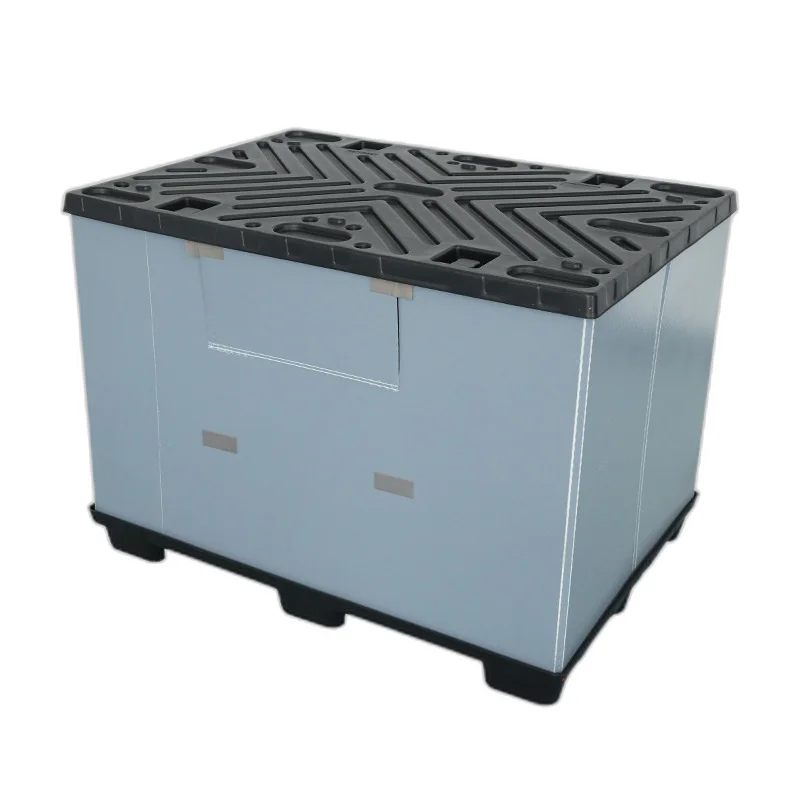
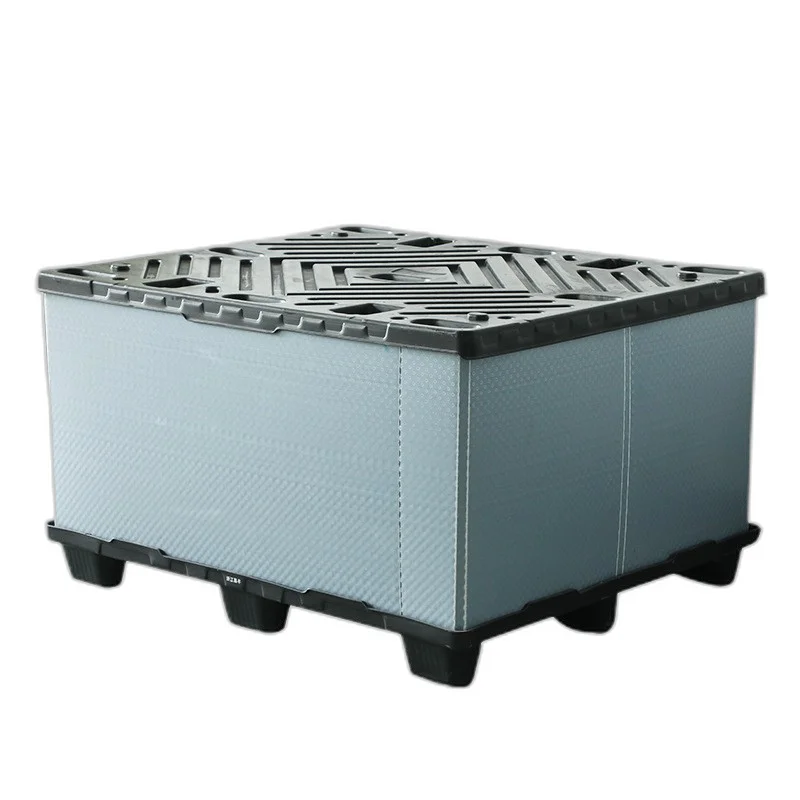
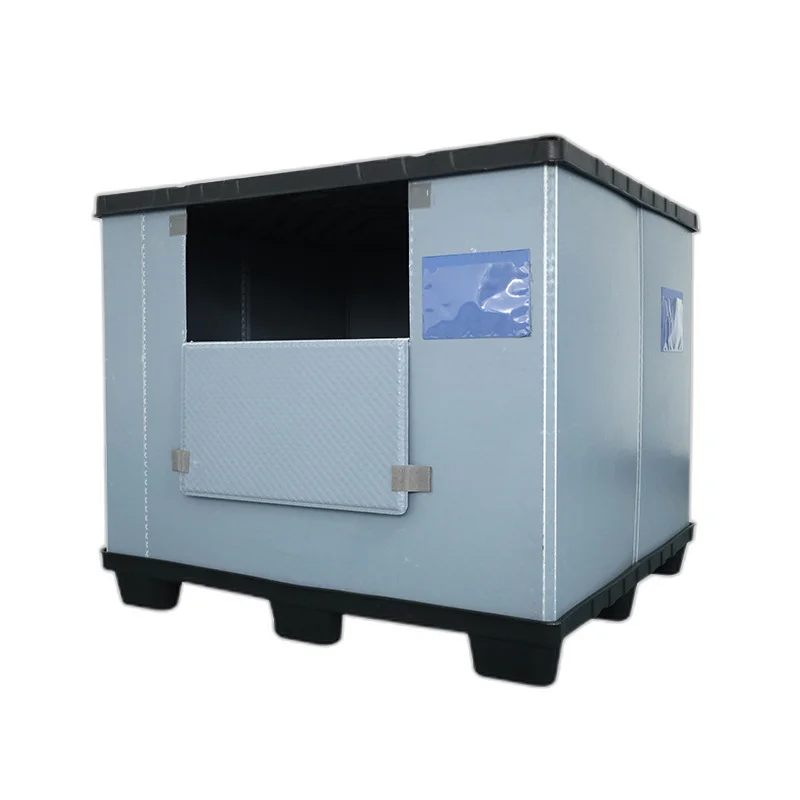
Perform Quality Inspections: When your foldable plastic pallets arrive, conduct thorough inspections for damages or defects. Establish a protocol for quality assurance to ensure each batch meets your specifications before use.
Ensuring Optimal Use
To maximize the efficiency and lifespan of your plastic pallets, proper usage and maintenance are essential. Here are some best practices:
Training Staff: Ensure that all personnel involved in handling the pallets are adequately trained to avoid mishandling that could lead to damage or safety hazards.
Regular Inspections: Schedule routine checks of your pallets for signs of wear and tear. Early detection of cracks or deformities can prevent costly accidents and ensure continued safety in your operations.
Proper Storage: Store pallets in a clean, dry environment to prevent degradation. Ensure they are placed in a manner that avoids excessive stacking, which could lead to deformation.
Replacement Strategy: Establish criteria for when to retire heavy duty plastic pallets from use. Factors such as structural integrity, load capacity changes, and wear should guide your decisions on when to replace pallets.
By following these guidelines and understanding the nuances of plastic pallet selection, B2B buyers can make informed decisions that enhance their storage solutions and overall operational efficiency.