 EN
EN
 AR
AR
 BG
BG
 HR
HR
 CS
CS
 DA
DA
 NL
NL
 FI
FI
 FR
FR
 DE
DE
 EL
EL
 HI
HI
 IT
IT
 JA
JA
 KO
KO
 NO
NO
 PL
PL
 PT
PT
 RO
RO
 RU
RU
 ES
ES
 SV
SV
 CA
CA
 TL
TL
 IW
IW
 ID
ID
 UK
UK
 VI
VI
 SQ
SQ
 ET
ET
 GL
GL
 HU
HU
 TH
TH
 TR
TR
 FA
FA
 AF
AF
 GA
GA
 CY
CY
 BE
BE
 BN
BN

/images/share.png)
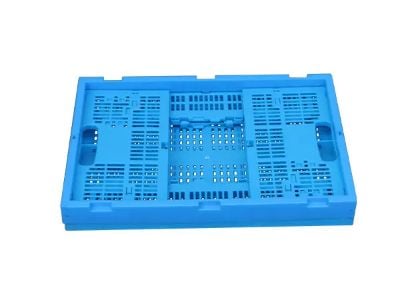
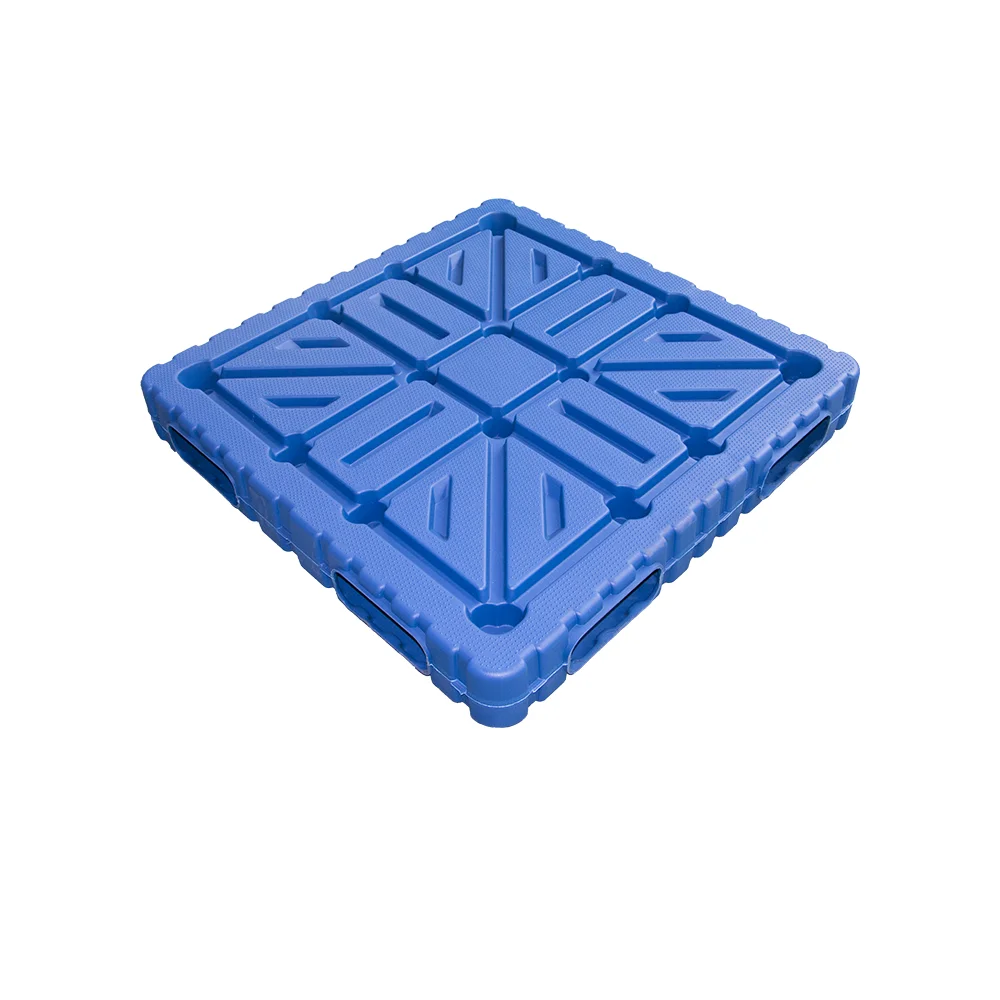
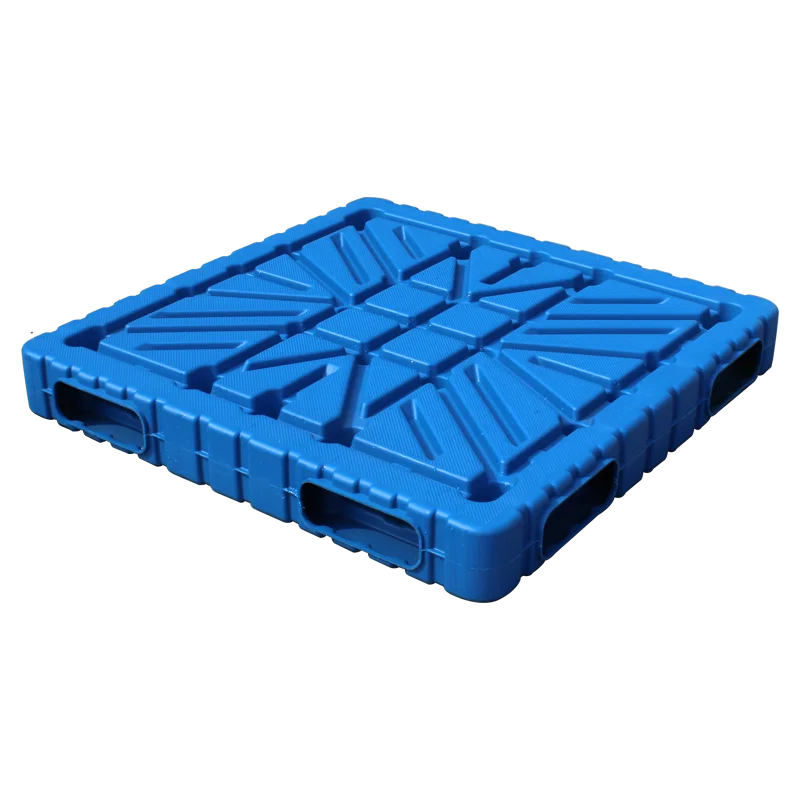
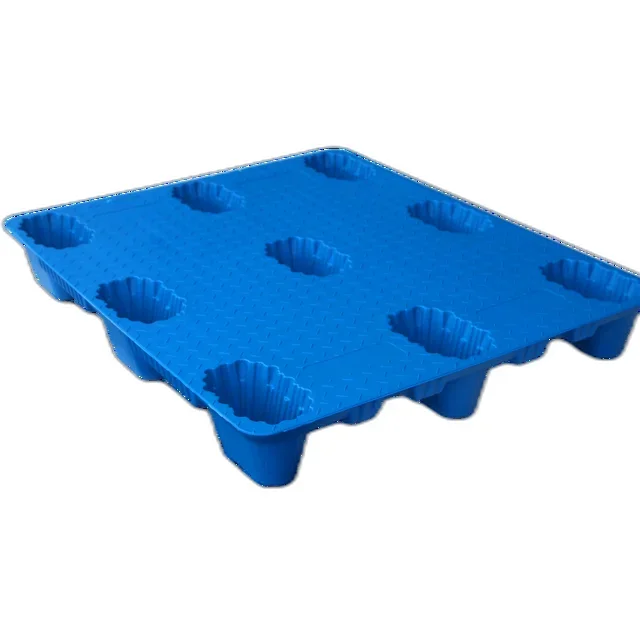
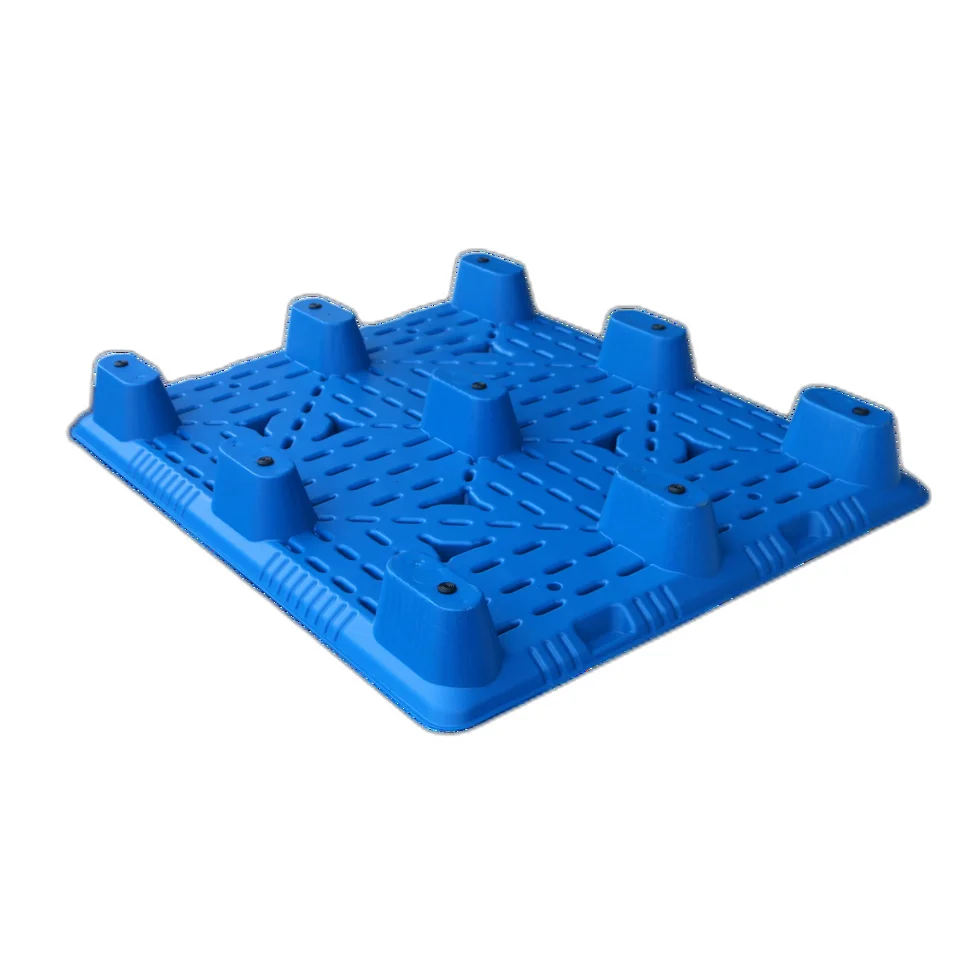
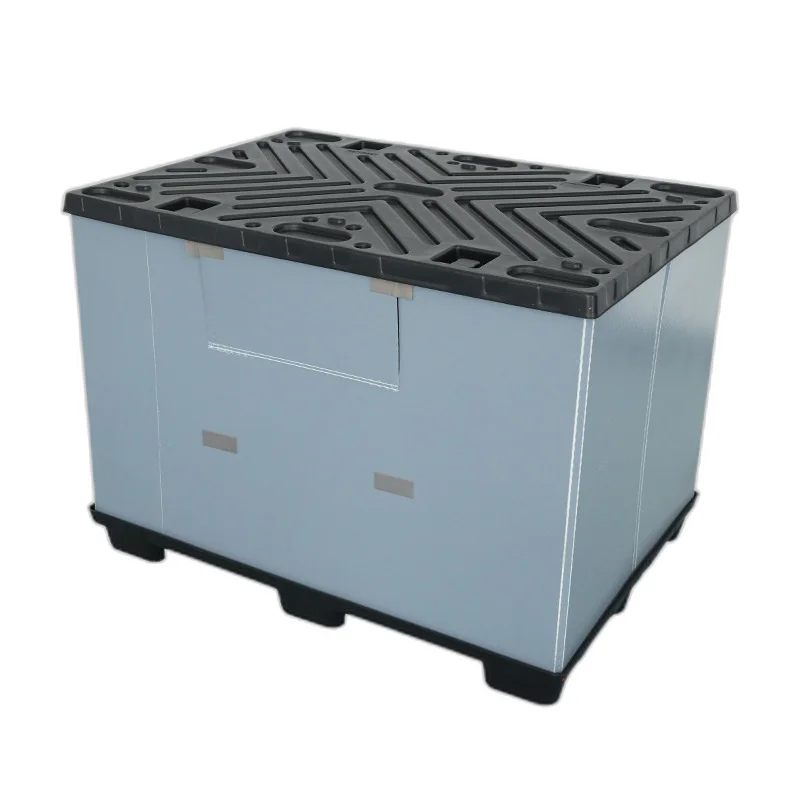
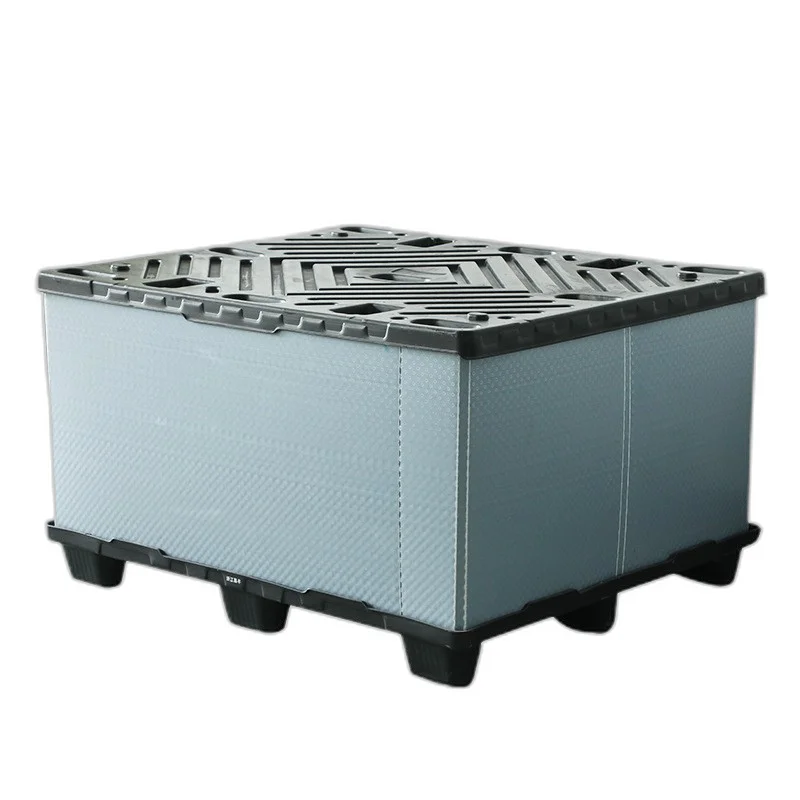
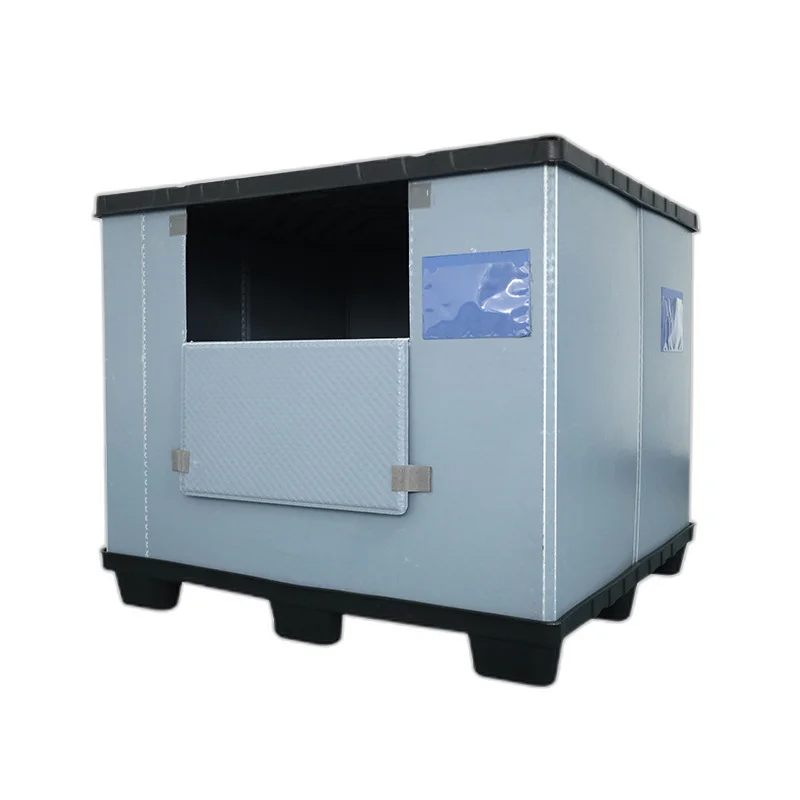
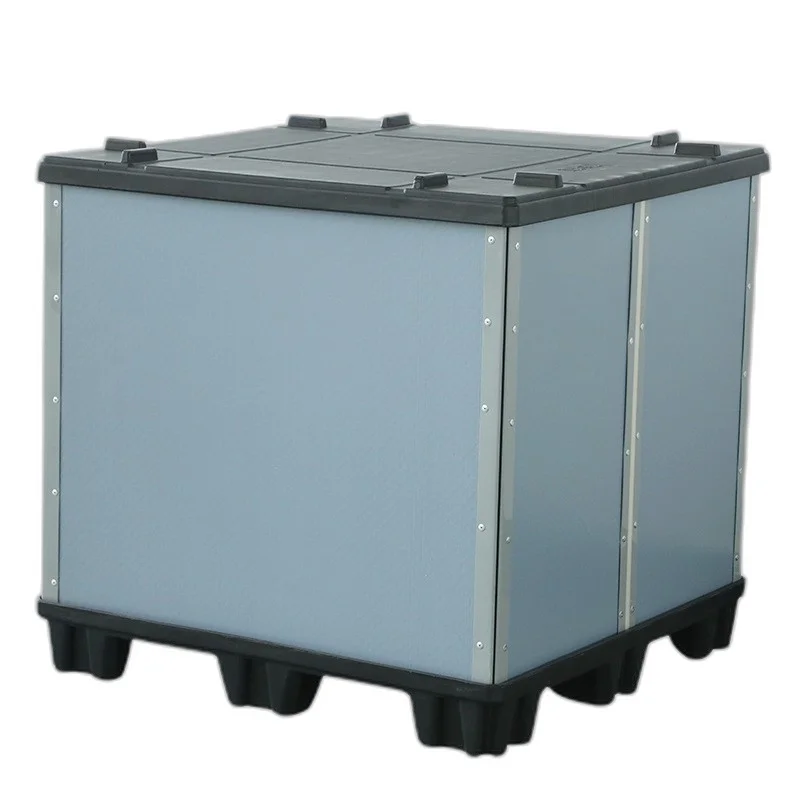
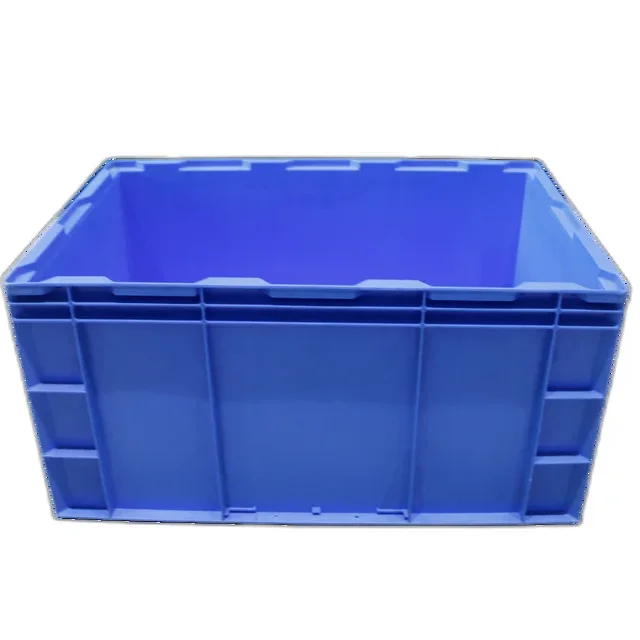
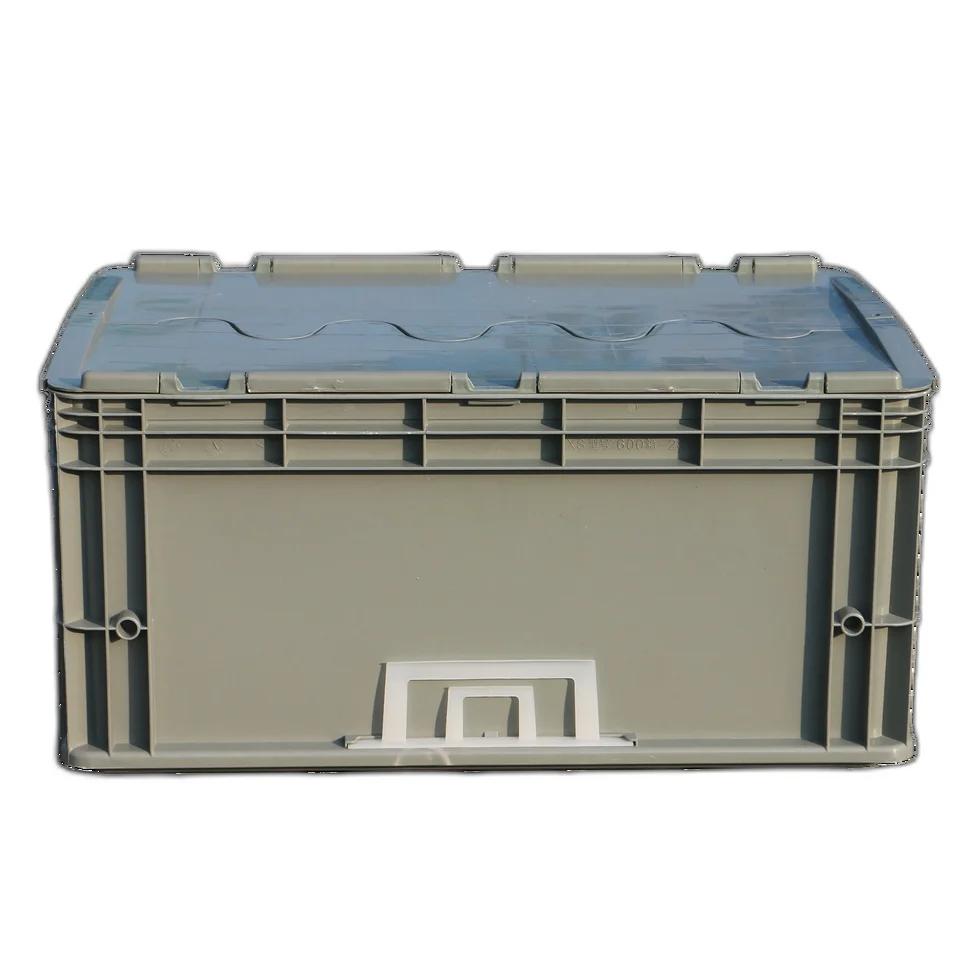
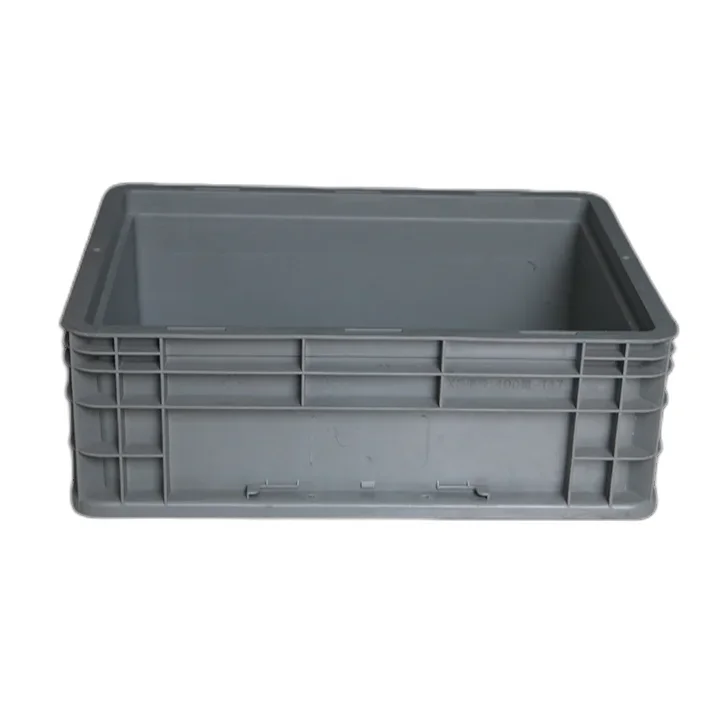
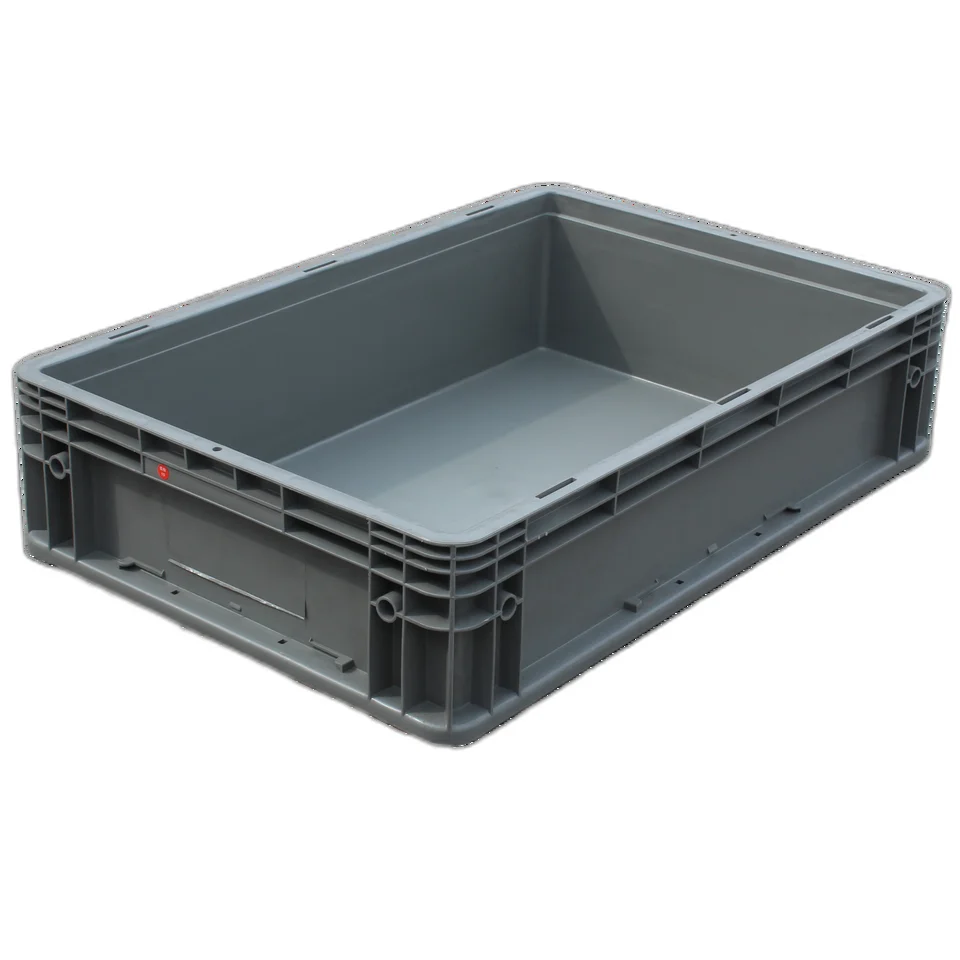
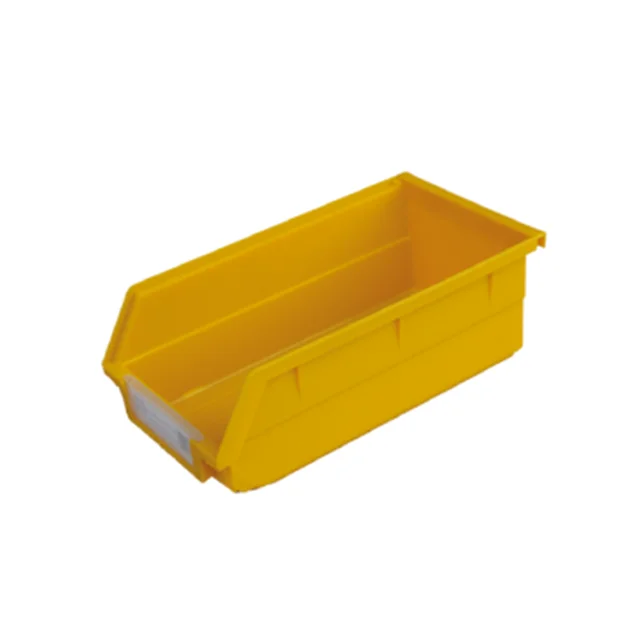
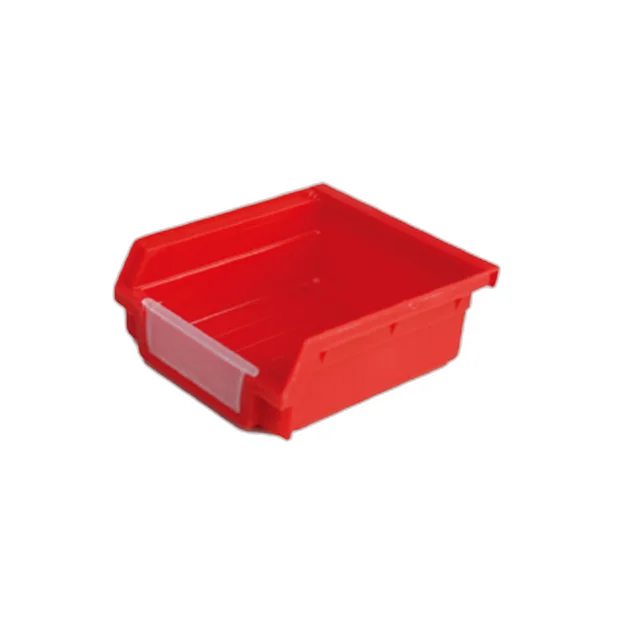
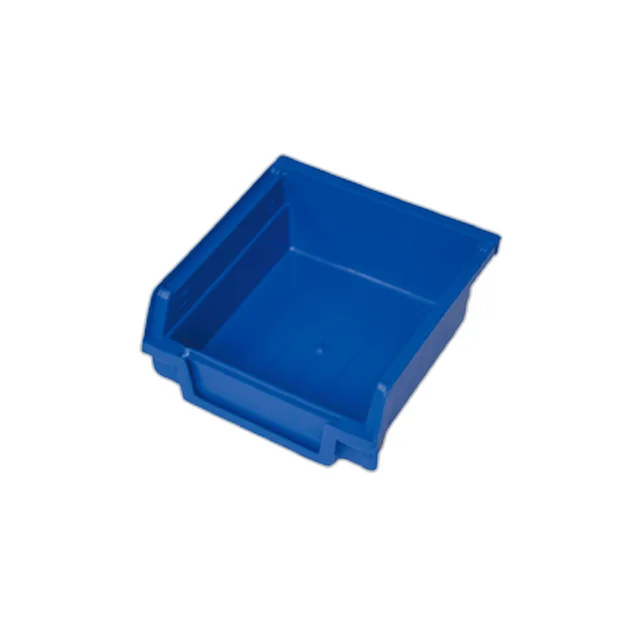
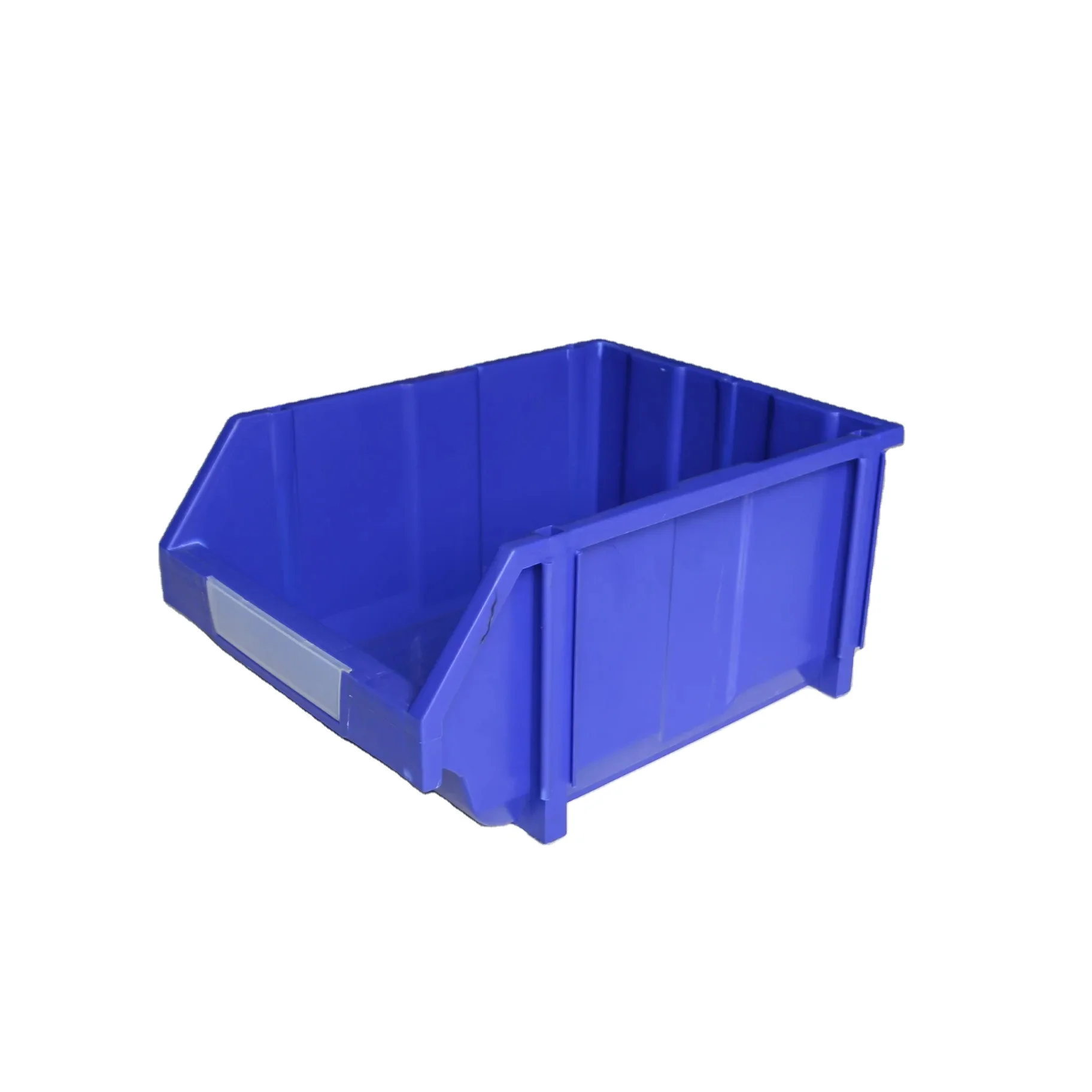
Stackable plastic pallets are innovative solutions designed to maximize warehouse space and improve inventory management. These pallets allow businesses to store bulk materials efficiently, reducing floor space usage while maintaining easy access to products. For B2B buyers, understanding how stackable plastic pallet can optimize warehouse operations is crucial in making informed purchasing decisions. This article will address the primary concerns of purchasing managers and logistics professionals, including material advantages, common inventory challenges, installation guidance, and various industrial applications.
How Stackable Plastic Pallets Optimize Warehouse Space and Efficiency?
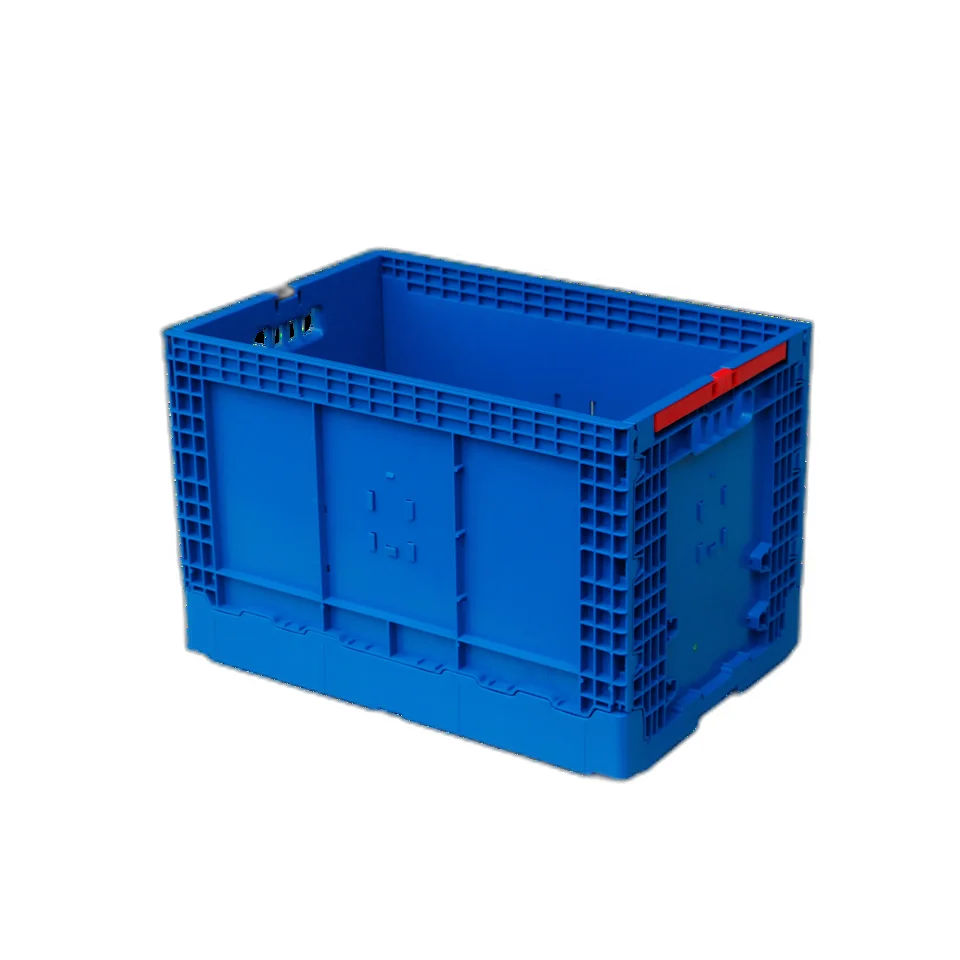
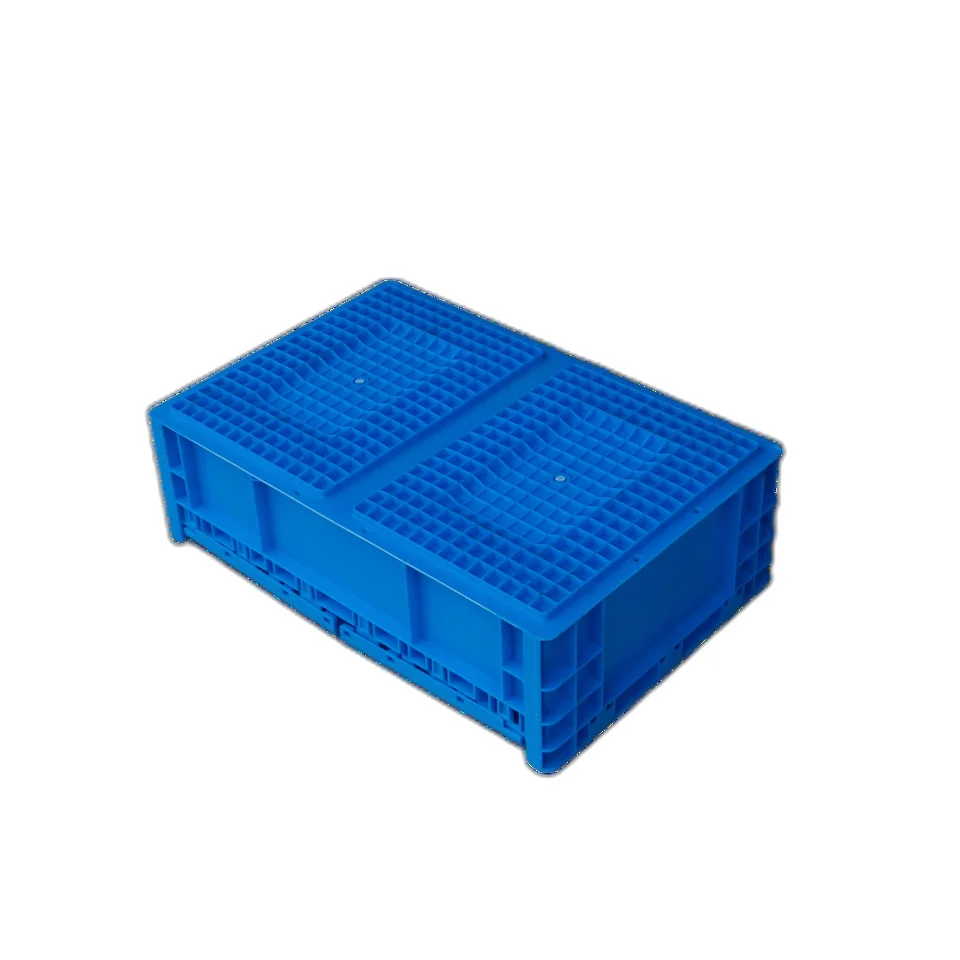
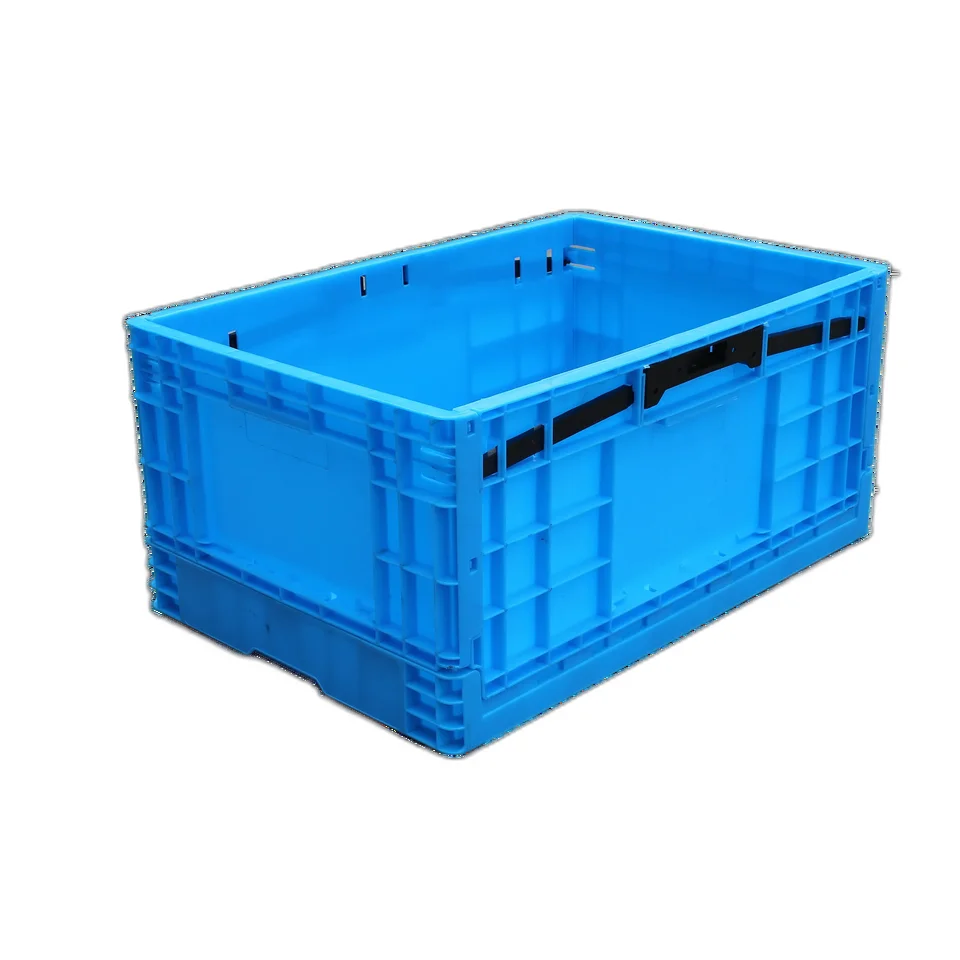
Stackable plastic pallets offer significant advantages in warehouse space optimization. Their design allows for vertical stacking, which can dramatically increase storage density. When not in use, these pallets can be nested, reducing their footprint. This feature is particularly beneficial for companies dealing with seasonal inventory fluctuations, as it allows them to adjust storage capacity dynamically.
Additionally, stackable pallets are often lighter than wooden pallets, making it easier for warehouse staff to handle and transport them. This weight reduction can lead to lower shipping costs and improved labor efficiency. Furthermore, many stackable plastic pallets are designed with interlocking features that enhance stability during stacking, reducing the risk of accidents and damage to stored goods. By implementing stackable plastic pallets, companies can not only streamline their warehousing operations but also enhance overall productivity.
Compare Material Advantages of Stackable Plastic Pallets for Your Needs
The material composition of stackable plastic pallets greatly influences their performance and suitability for various applications. Typically made from high-density polyethylene (HDPE) or polypropylene, these materials offer several advantages over traditional wood or metal pallets.
Durability: Plastic pallets are resistant to moisture, chemicals, and mold, making them ideal for industries like food and pharmaceuticals where hygiene is a priority. Unlike wooden pallets, they do not splinter or absorb liquids, ensuring safer handling.
Weight: The lightweight nature of plastic pallets facilitates easier handling and transportation, thereby improving workflow efficiency. This is particularly relevant for businesses that require frequent movement of pallets within warehouses or during shipping.
Customization: Manufacturers like Jiangsu Nexara can produce industrial plastic pallets in various dimensions, colors, and load capacities, allowing businesses to select pallets that best fit their specific operational needs.
Recyclability: Plastic pallets can be recycled at the end of their life cycle, making them a more sustainable choice compared to wood, which may contribute to deforestation.
When selecting stackable plastic pallets, it’s essential to consider the specific requirements of your application, such as load capacity, environmental exposure, and regulatory compliance.
Common Problems with Bulk Inventory and Solutions with Plastic Pallets
Managing bulk inventory can pose several challenges, including inefficiencies in space utilization, difficulty in inventory tracking, and the risk of product damage. Stackable plastic pallets can address these issues effectively:
Space Utilization: Traditional storage methods may lead to wasted space. By using stackable plastic pallets, businesses can maximize vertical space, allowing for more efficient storage solutions.
Inventory Tracking: Maintaining accurate inventory records can be challenging, especially with bulk products. Stackable pallets can be integrated with barcode or RFID systems, simplifying inventory management and reducing the likelihood of errors.
Product Damage: Inadequately stored bulk items are at risk of damage from moisture or pests. Plastic pallets offer a sturdy and stable base that reduces movement and protects products during storage and transport.
For purchasing managers, implementing stackable plastic pallets can provide tangible solutions to common inventory challenges, ultimately leading to better operational efficiency and cost savings.
Installation Guidance for Effective Use of Stackable Plastic Pallets
Proper installation and use of stackable plastic pallets are key to maximizing their benefits. Here are some practical tips for effective implementation:
Assess Load Requirements: Before installation, ensure the selected pallets can handle the weight and type of inventory you plan to store. Consult with manufacturers to confirm specifications and load capacities.
Stacking Techniques: When stacking pallets, follow best practices to ensure stability. Avoid overloading pallets beyond their rated capacity, and ensure that they are stacked evenly to prevent tipping.
Positioning: Place stackable pallets in areas that promote easy access while maximizing space. This may involve designing a layout that allows for both horizontal and vertical stacking, depending on your warehouse configuration.
Training Staff: Proper training for warehouse staff on handling, stacking, and transporting plastic pallets is essential. This can help prevent accidents and ensure that the pallets are used to their full potential.
By following these guidelines, businesses can optimize the use of stackable plastic pallets and improve their overall warehouse operations.
Applications of Stackable Plastic Pallets in Various Industries
Stackable plastic pallets are versatile and can be used across multiple industries, including:
Food and Beverage: The hygiene and moisture resistance of plastic pallets make them ideal for transporting perishable goods. They can be easily cleaned and sanitized, meeting strict industry standards.
Pharmaceuticals: In the pharmaceutical sector, stackable plastic pallets help maintain product integrity by preventing contamination and damage during storage and transport.
Automotive: These pallets can be designed to support heavy parts and components, providing stability and durability in automotive manufacturing and logistics.
Retail: Retailers can utilize stackable pallets for bulk storage and display, allowing for efficient restocking and merchandising.
By understanding the applications of stackable plastic pallets, purchasing managers can make informed decisions that align with their specific industry needs. Selecting the right pallet can enhance operational efficiency, reduce costs, and promote sustainability in their supply chain.
In summary, stackable plastic pallets are a practical solution for optimizing warehouse space and improving inventory management across various industries. By considering material advantages, common challenges, effective installation practices, and industry applications, businesses can make informed purchasing decisions that drive efficiency and productivity.
Table of Contents
- How Stackable Plastic Pallets Optimize Warehouse Space and Efficiency?
- Compare Material Advantages of Stackable Plastic Pallets for Your Needs
- Common Problems with Bulk Inventory and Solutions with Plastic Pallets
- Installation Guidance for Effective Use of Stackable Plastic Pallets
- Applications of Stackable Plastic Pallets in Various Industries