 EN
EN
 AR
AR
 BG
BG
 HR
HR
 CS
CS
 DA
DA
 NL
NL
 FI
FI
 FR
FR
 DE
DE
 EL
EL
 HI
HI
 IT
IT
 JA
JA
 KO
KO
 NO
NO
 PL
PL
 PT
PT
 RO
RO
 RU
RU
 ES
ES
 SV
SV
 CA
CA
 TL
TL
 IW
IW
 ID
ID
 UK
UK
 VI
VI
 SQ
SQ
 ET
ET
 GL
GL
 HU
HU
 TH
TH
 TR
TR
 FA
FA
 AF
AF
 GA
GA
 CY
CY
 BE
BE
 BN
BN

/images/share.png)
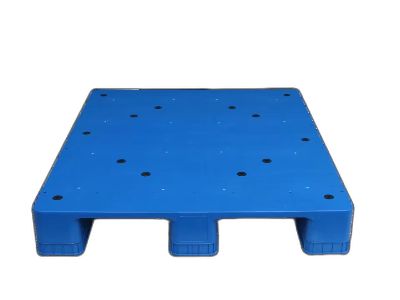
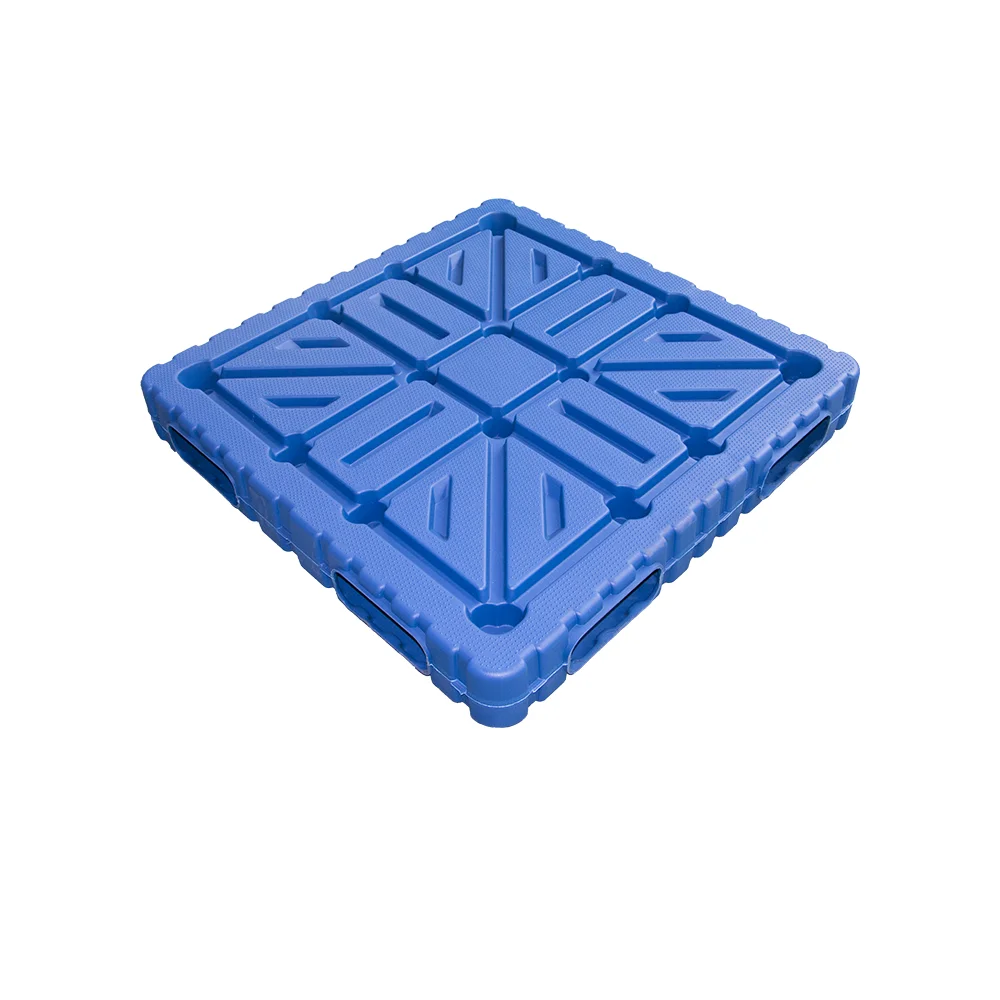
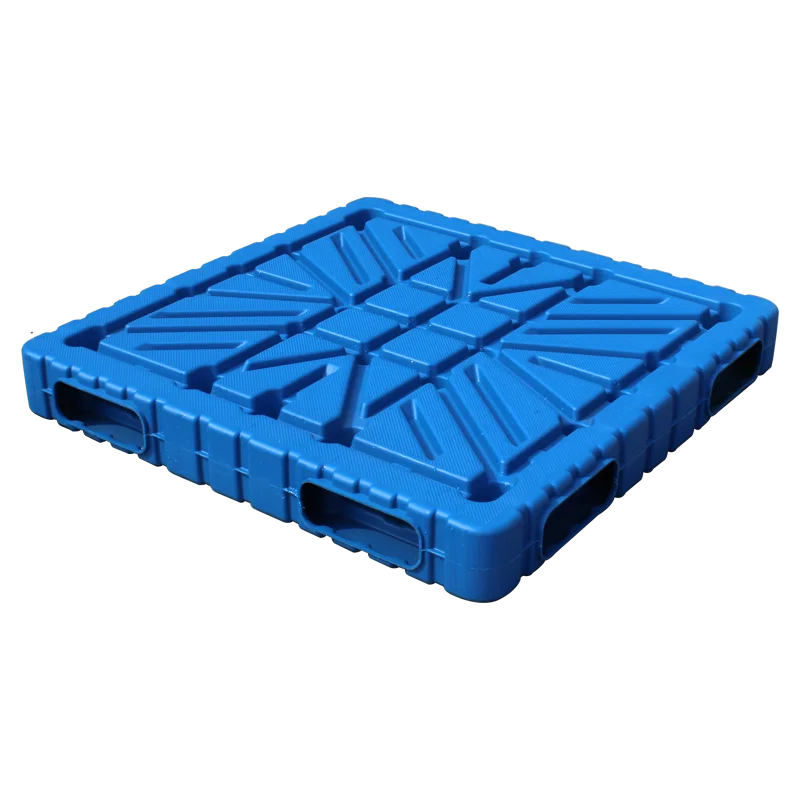
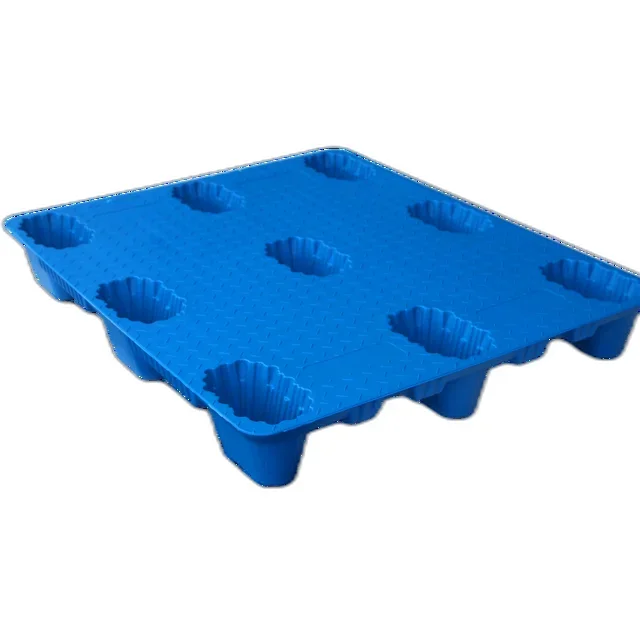
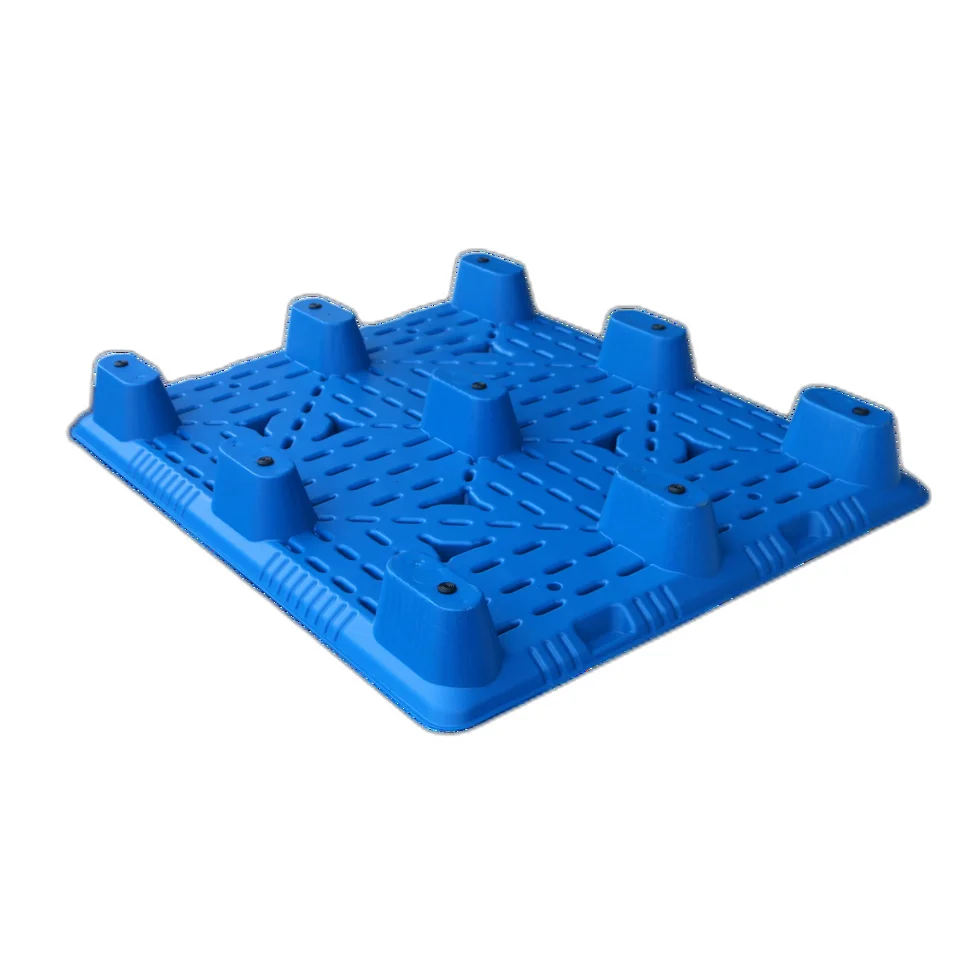
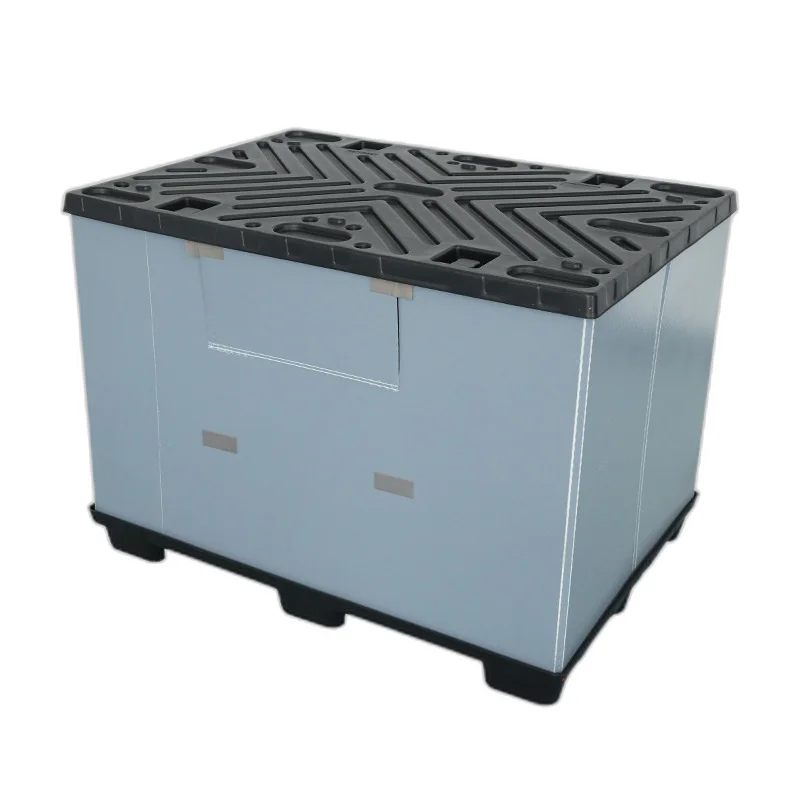
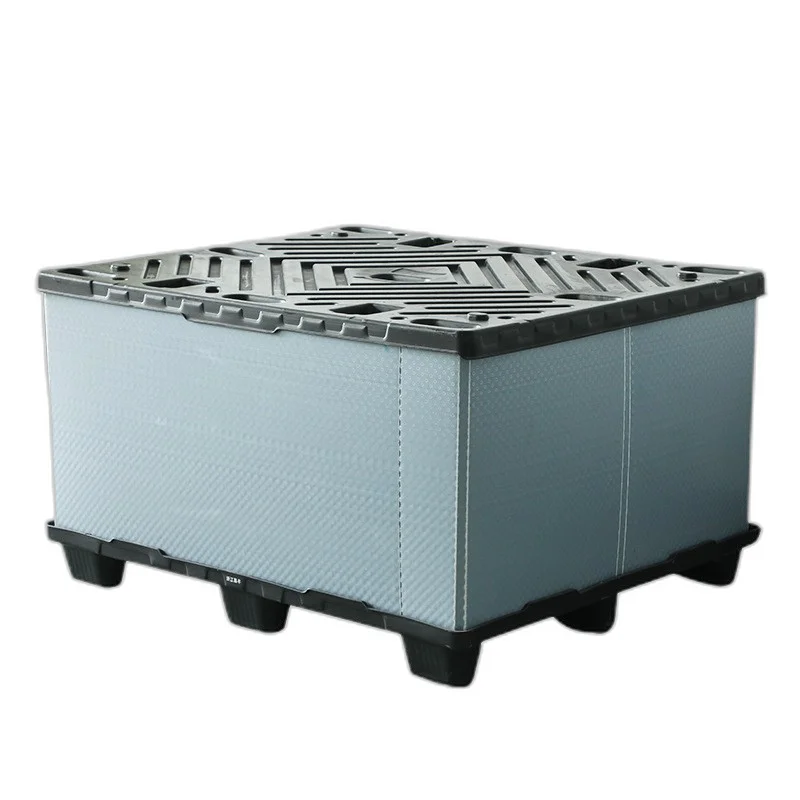
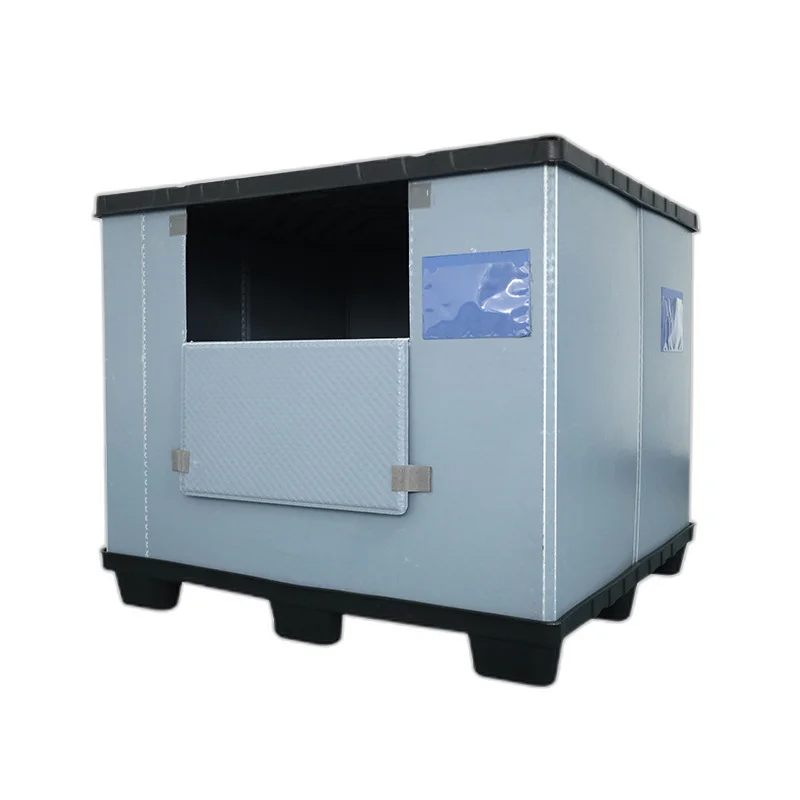
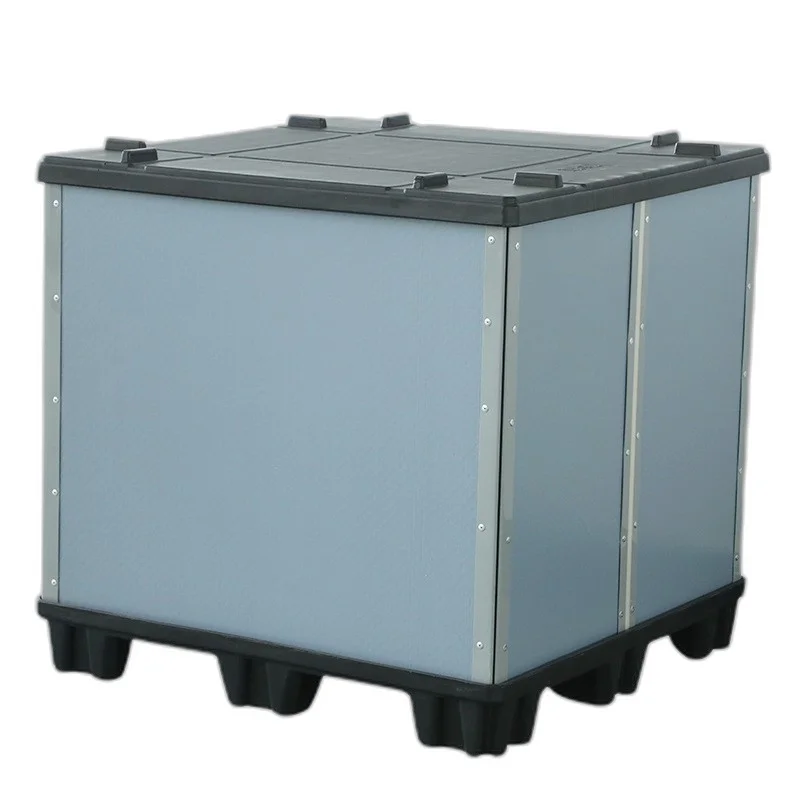
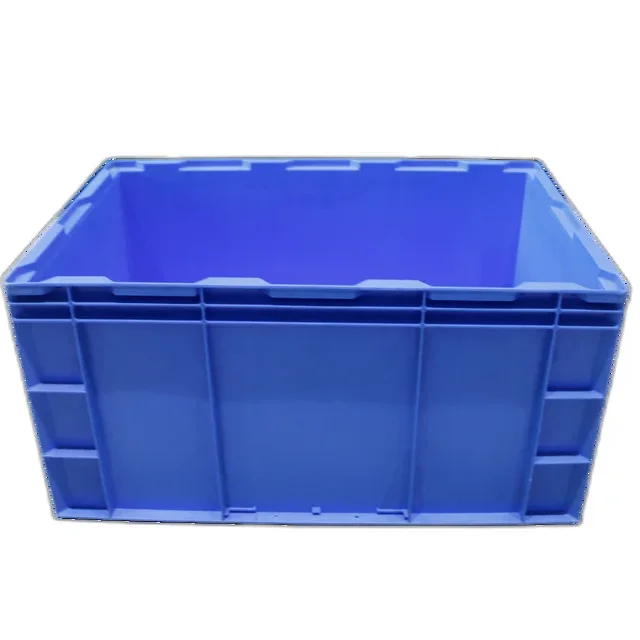
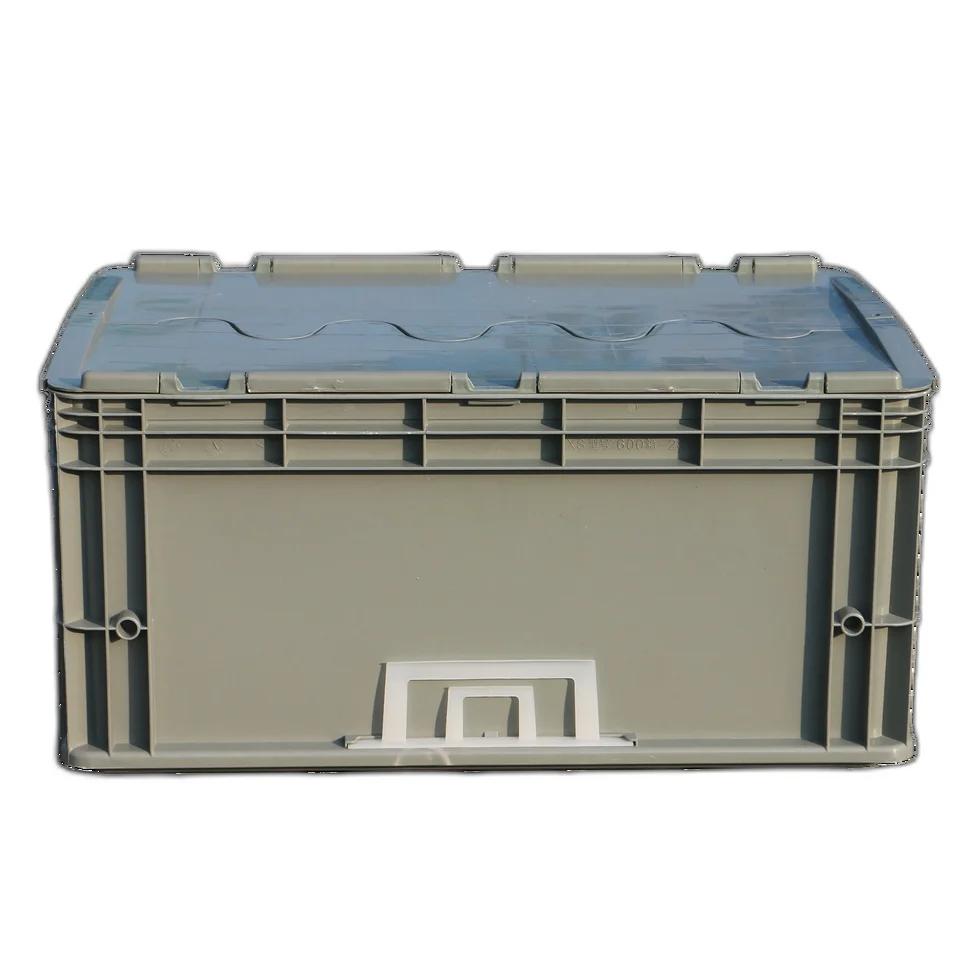
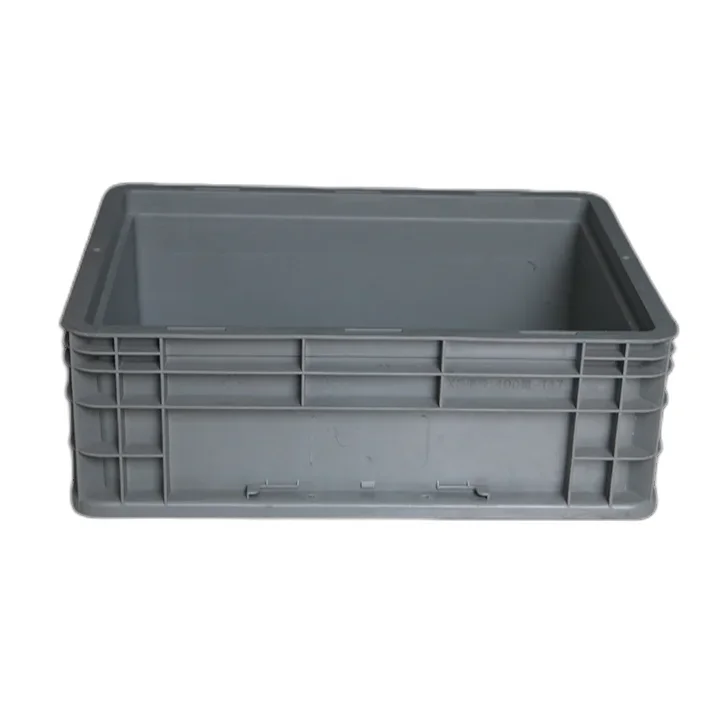
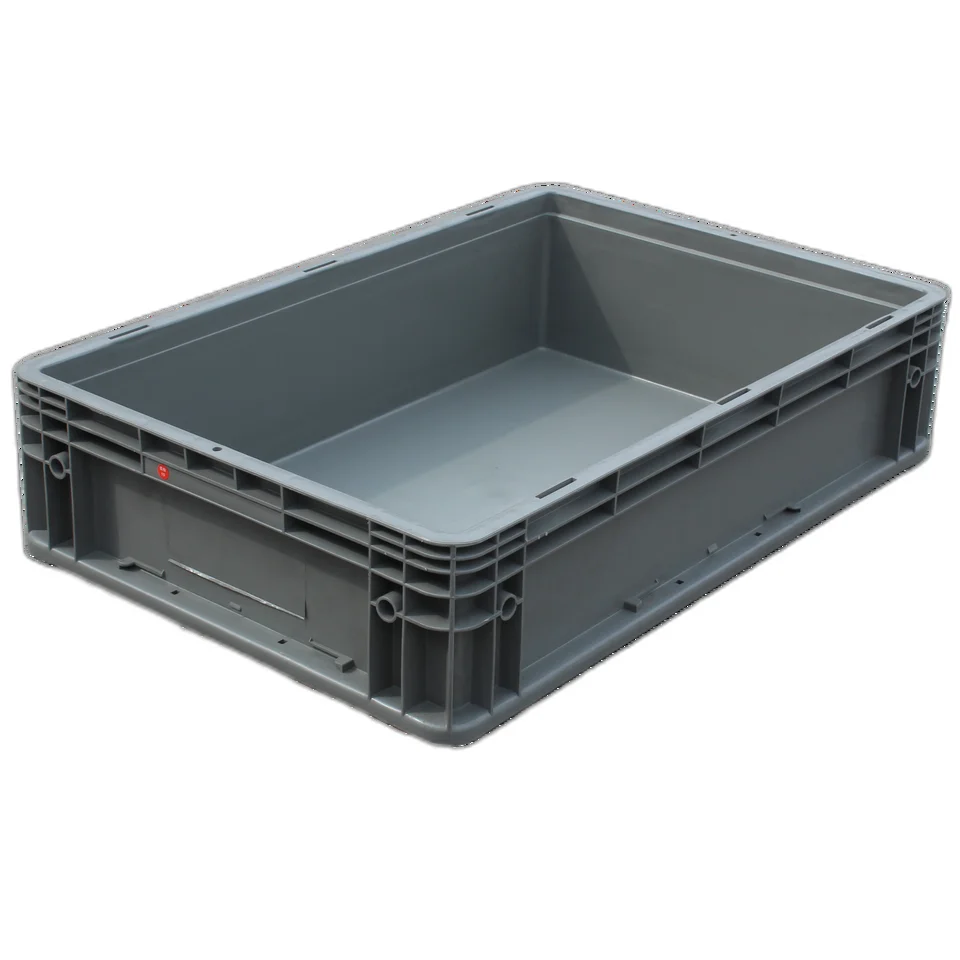
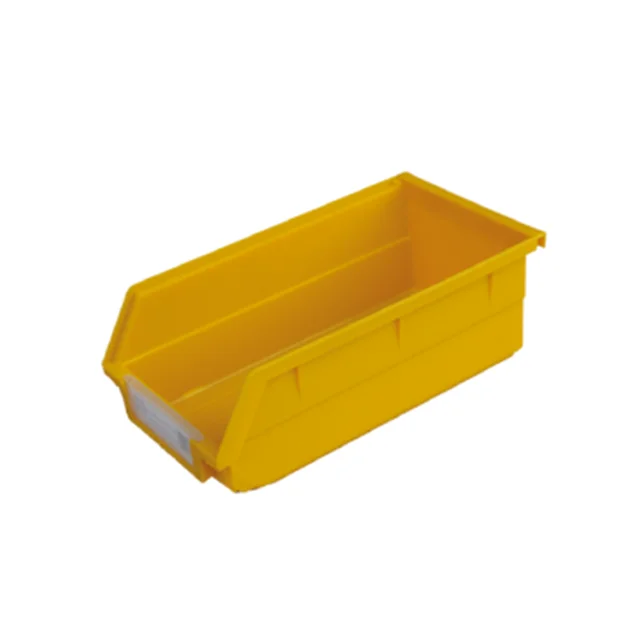
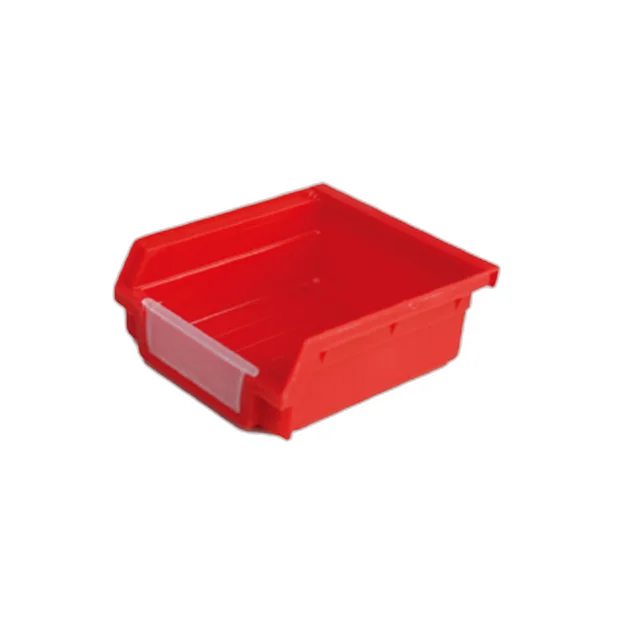
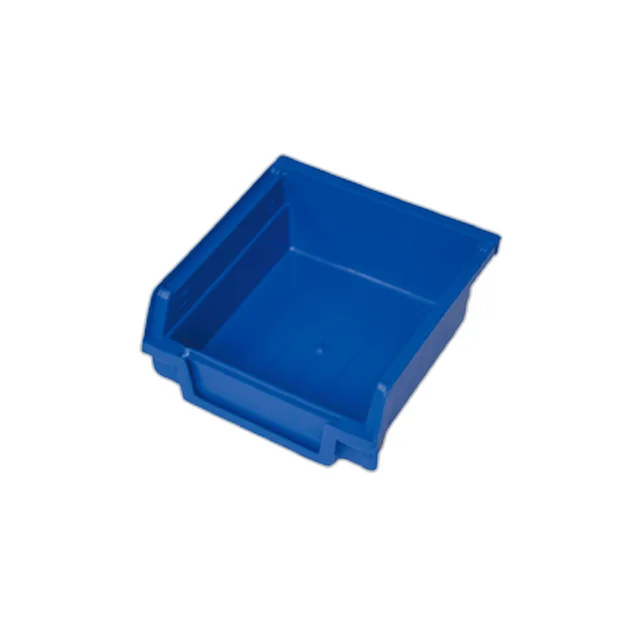
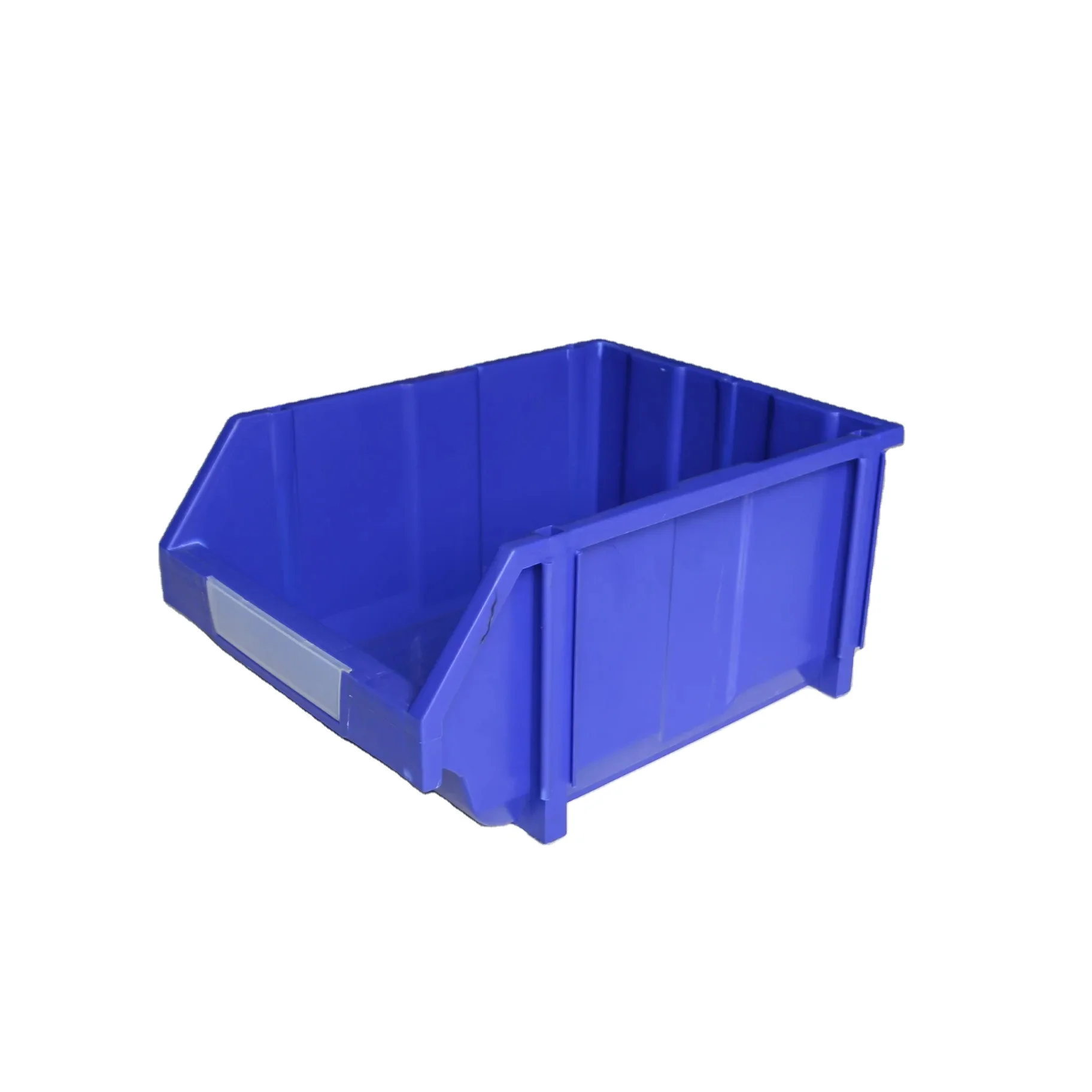
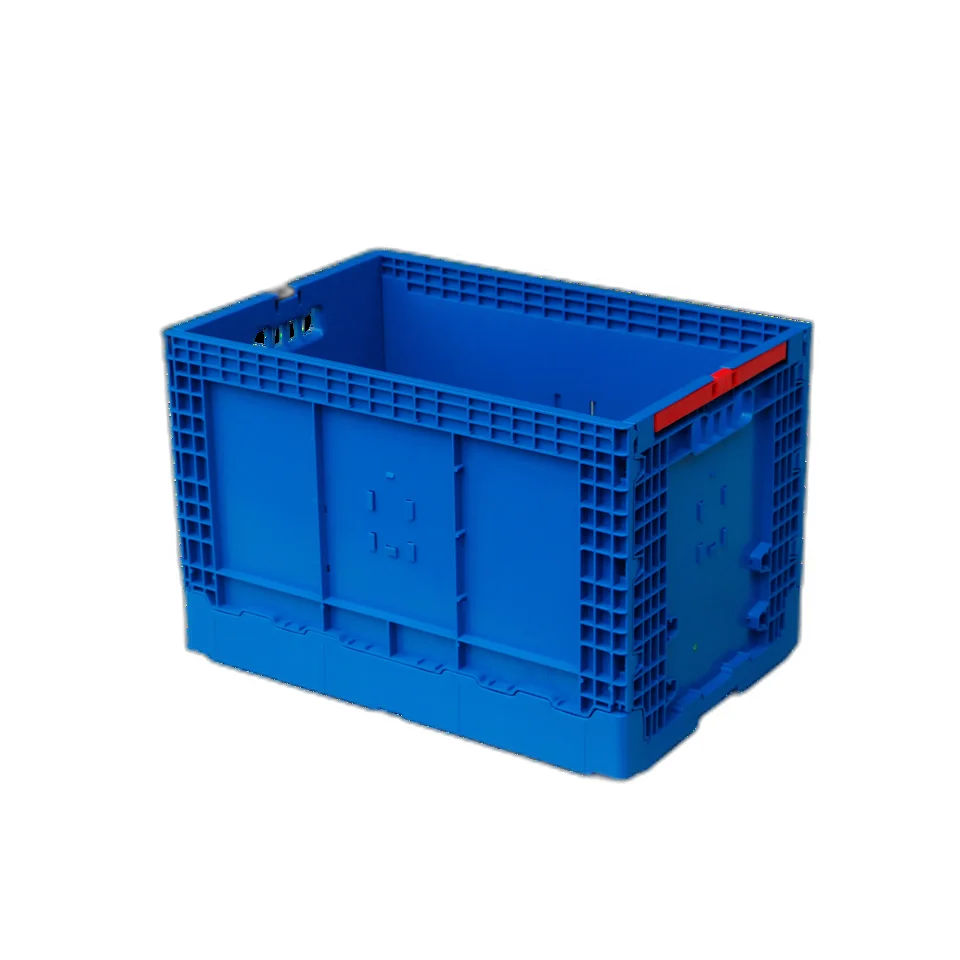
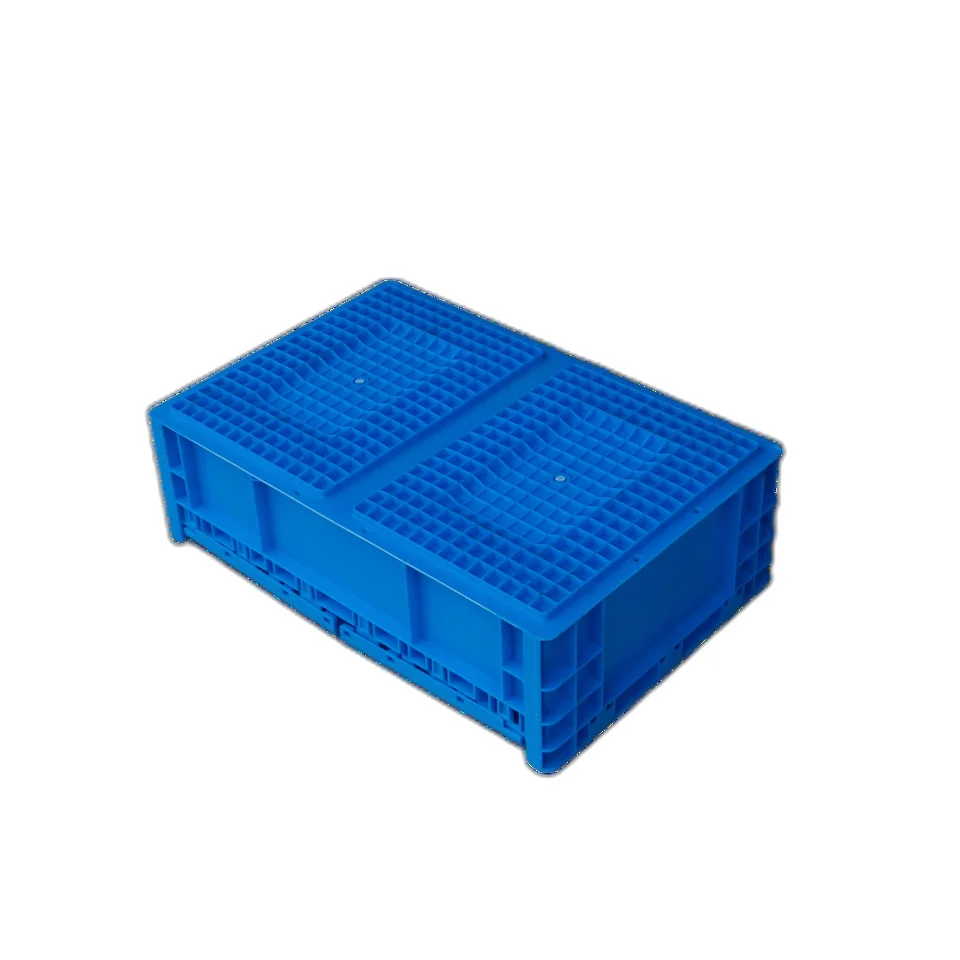
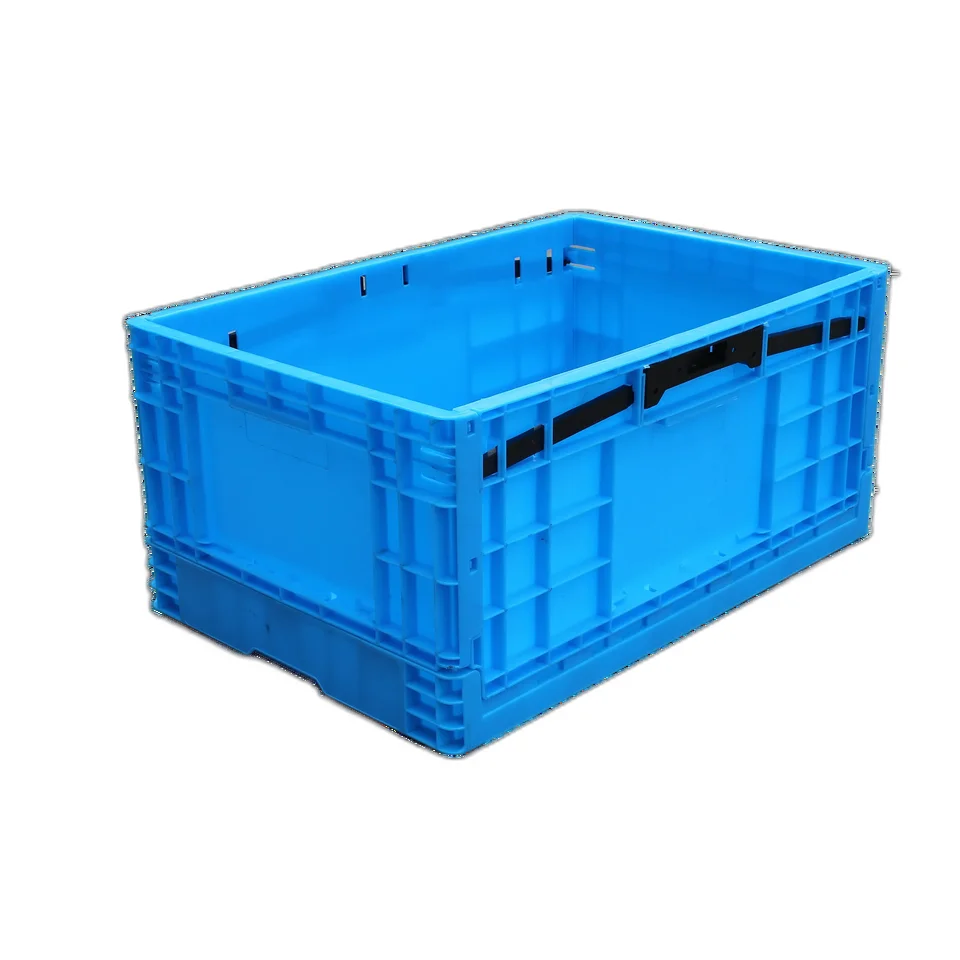
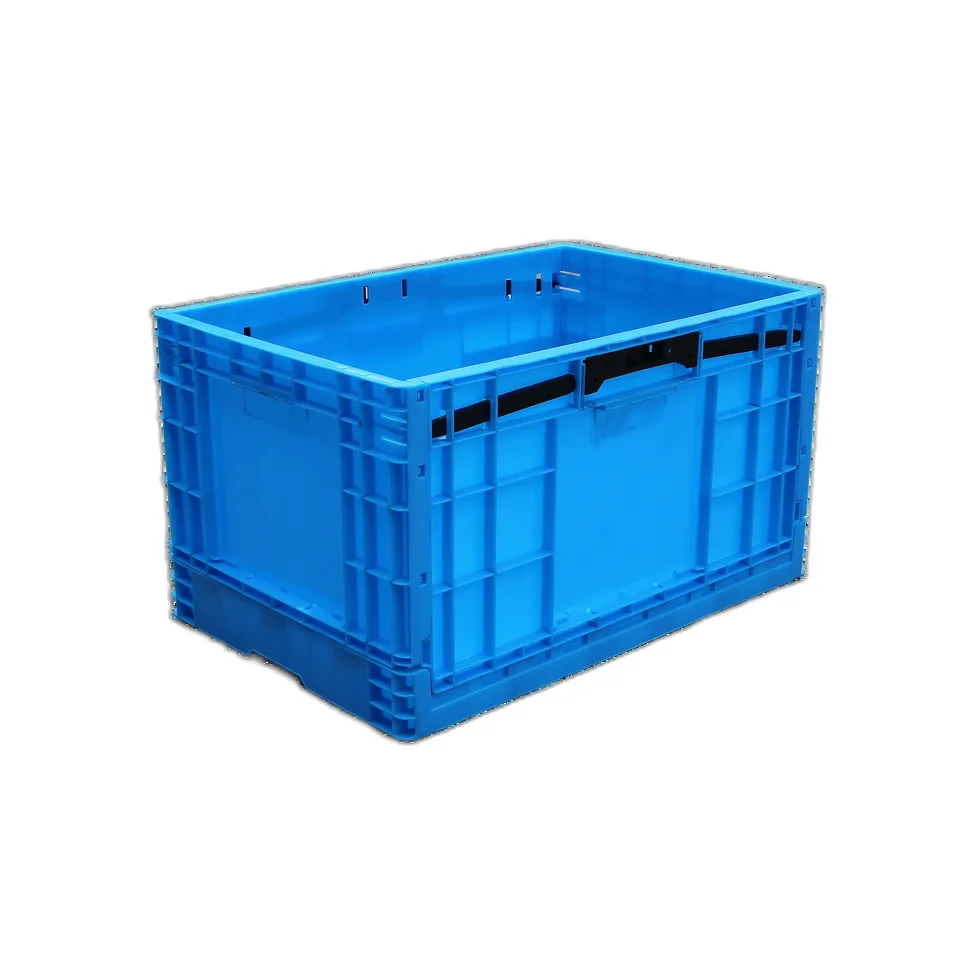
Stackable plastic pallets are an essential solution for industrial storage operations, providing a versatile and efficient way to manage materials and goods. This buying guide will help purchasing managers, distributors, and other B2B buyers understand the critical factors when selecting stackable plastic pallets for their operations. Concerns such as durability, cost-effectiveness, and application suitability will be addressed, ensuring that you make informed purchasing decisions that enhance your logistics and warehousing efficiency.
Choosing the Right Stackable Plastic Pallet for Your Operations
When selecting the right stackable plastic pallet, consider your specific operational needs. Key factors include load capacity, dimensions, and compatibility with your existing storage systems. Stackable plastic pallets typically come in various sizes and configurations, so ensure the dimensions of the pallets you choose fit your racking systems or warehouse layout. Load capacity is another crucial factor. Different pallets are designed to support varying weights, and it's essential to select one that can handle the maximum load you intend to store. For example, if you are storing heavy machinery parts, opt for pallets with higher load ratings. Additionally, consider the material used; high-density polyethylene (HDPE) and polypropylene are common materials known for their robustness and resistance to chemicals, making them suitable for various industrial plastic pallet. Lastly, think about how you will use these pallets. If you require pallets for automated systems, ensure they are compatible with your machinery. A well-matched pallet can streamline operations and reduce the risk of damage during handling.
How to Evaluate the Quality of Stackable Plastic Pallets?
Evaluating the quality of stackable plastic pallets involves several key criteria. Start by examining the material used in the pallets. High-quality plastic, such as HDPE, is more durable and resistant to wear and tear compared to lower-grade materials. Look for pallets that have been tested for impact resistance and UV stability, as these properties will ensure longevity, especially if used outdoors. Next, inspect the construction of the pallets. Well-manufactured pallets will have uniform thickness and seamless joints, reducing the risk of breakage. Check for certifications or quality standards that the manufacturer adheres to, as these can serve as indicators of reliability. For instance, pallets manufactured in compliance with ISO standards often undergo rigorous testing to ensure they meet industry specifications. Additionally, consider performing a visual inspection of the pallets before purchase. Look for any visible defects, such as cracks or warping, and inquire about the manufacturer’s quality control processes. A reputable manufacturer, like Jiangsu Nexara, will have stringent quality checks in place to ensure that each pallet meets high standards before reaching the customer.
Cost Factors to Consider for Bulk Orders of Stackable Plastic Pallets
When placing bulk orders for stackable plastic pallets, several cost factors should be taken into account. First, evaluate the unit price, which can vary based on the material, design, and load capacity of the pallets. Bulk orders often come with discounts, making it worthwhile to negotiate with suppliers to achieve the best possible pricing. Shipping costs are another significant factor. Depending on the volume and weight of the pallets, shipping costs can add up quickly. Ensure you confirm the shipping terms with your supplier and consider any additional charges for delivery to specific locations. Additionally, assess the lead time for production and delivery, as longer lead times may require adjustments to your inventory management plans. It is also essential to factor in the total cost of ownership, which includes the longevity and maintenance of the pallets. Investing in higher-quality pallets may come with a higher upfront cost but could result in lower replacement and maintenance costs over time, making them a more economical choice in the long run.
Common Problems with Stackable Plastic Pallets and Their Solutions
While stackable plastic pallets offer many advantages, they can also present challenges if not properly managed. One common issue is warping or deforming, which can occur due to exposure to extreme temperatures or improper stacking. To mitigate this, ensure that pallets are stored in a controlled environment and avoid overloading them beyond their specified weight limits. Another potential problem is the risk of contamination, particularly in industries like food and pharmaceuticals. To address this, select pallets that are easy to clean and maintain. Pallets made from non-porous materials will resist the absorption of contaminants, making them suitable for sensitive environments. Additionally, buyers should be aware of compatibility issues with handling equipment. If using forklifts or automated systems, ensure that the recycled plastic pallets design allows for seamless handling. Consider testing the pallets with your equipment before making a bulk purchase to confirm that they perform well under operational conditions.
Applications of Stackable Plastic Pallets Across Various Industries
Stackable plastic pallets are versatile and can be utilized across a wide range of industries, including automotive, food and beverage, and medical sectors. In the automotive industry, these pallets are used for storing and transporting parts due to their durability and ability to withstand heavy loads. They can also be customized to fit specific dimensions required for particular components. In the food and beverage sector, stackable pallets help maintain hygiene standards. They are resistant to moisture and can be easily cleaned, making them suitable for environments where cleanliness is critical. Additionally, many manufacturers offer pallets that comply with food safety regulations. In the medical field, stackable heavy duty plastic pallets serve a vital role in handling pharmaceuticals and medical supplies. Their robustness and ease of cleaning ensure that they meet the stringent requirements of this sector, reducing the risk of contamination and ensuring the safe transport of sensitive materials. By understanding the applications of stackable plastic pallets in various industries, buyers can make informed decisions that align with their operational requirements and compliance needs. This guide aims to equip B2B buyers with the necessary knowledge to make informed purchasing decisions regarding stackable plastic pallets, ensuring that they select products that meet their operational needs and enhance their storage solutions.
Table of Contents
- Choosing the Right Stackable Plastic Pallet for Your Operations
- How to Evaluate the Quality of Stackable Plastic Pallets?
- Cost Factors to Consider for Bulk Orders of Stackable Plastic Pallets
- Common Problems with Stackable Plastic Pallets and Their Solutions
- Applications of Stackable Plastic Pallets Across Various Industries