 EN
EN
 AR
AR
 BG
BG
 HR
HR
 CS
CS
 DA
DA
 NL
NL
 FI
FI
 FR
FR
 DE
DE
 EL
EL
 HI
HI
 IT
IT
 JA
JA
 KO
KO
 NO
NO
 PL
PL
 PT
PT
 RO
RO
 RU
RU
 ES
ES
 SV
SV
 CA
CA
 TL
TL
 IW
IW
 ID
ID
 UK
UK
 VI
VI
 SQ
SQ
 ET
ET
 GL
GL
 HU
HU
 TH
TH
 TR
TR
 FA
FA
 AF
AF
 GA
GA
 CY
CY
 BE
BE
 BN
BN




/images/share.png)
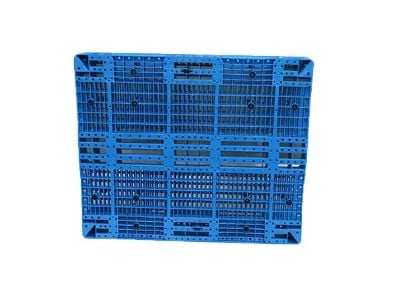
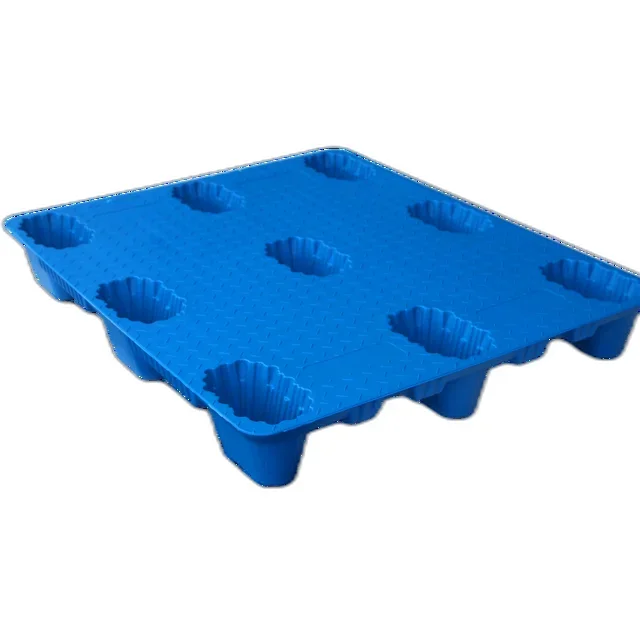
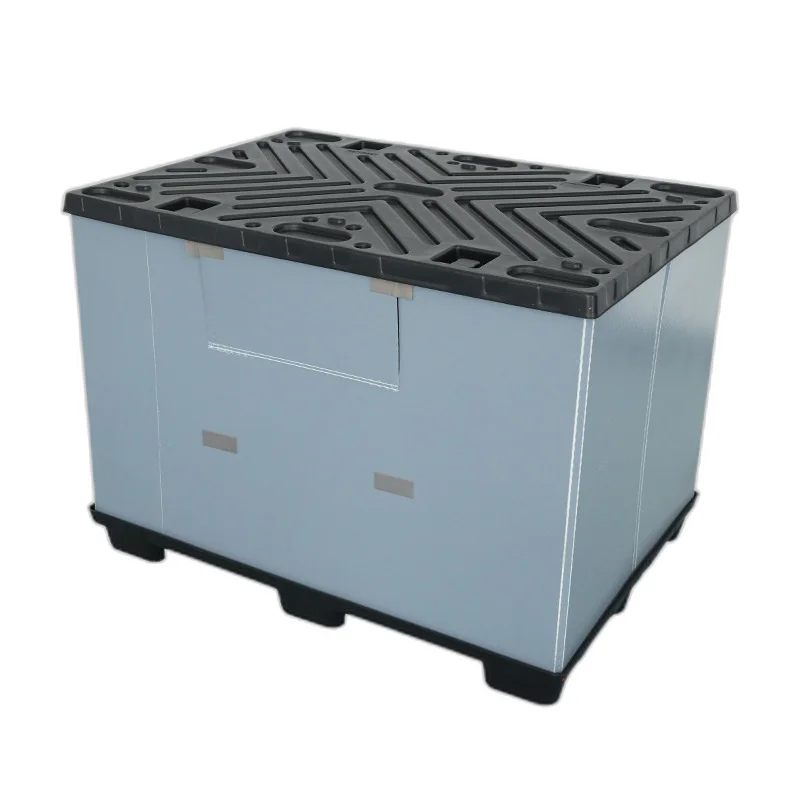
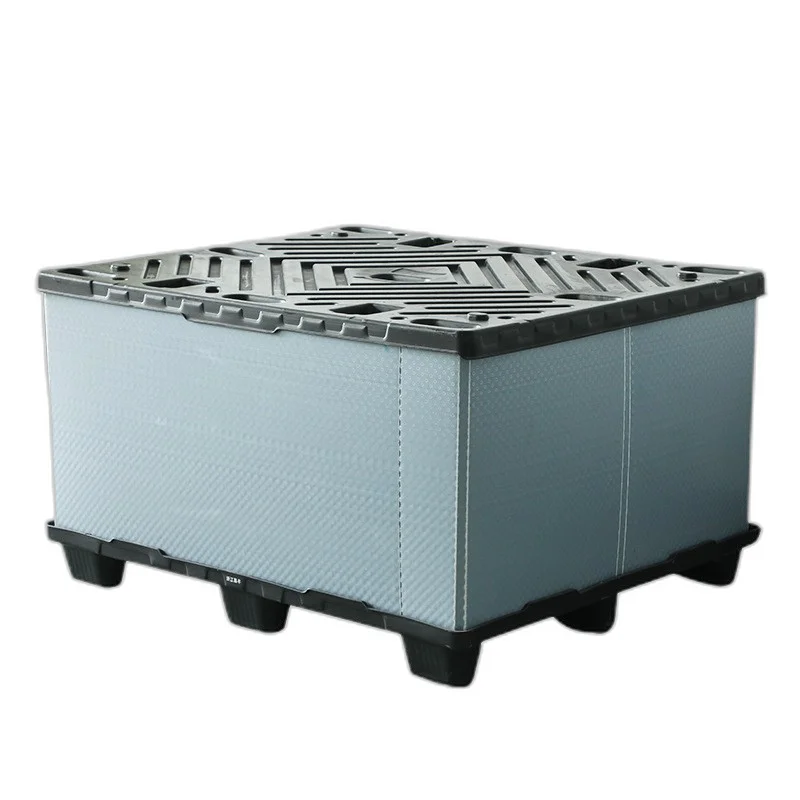
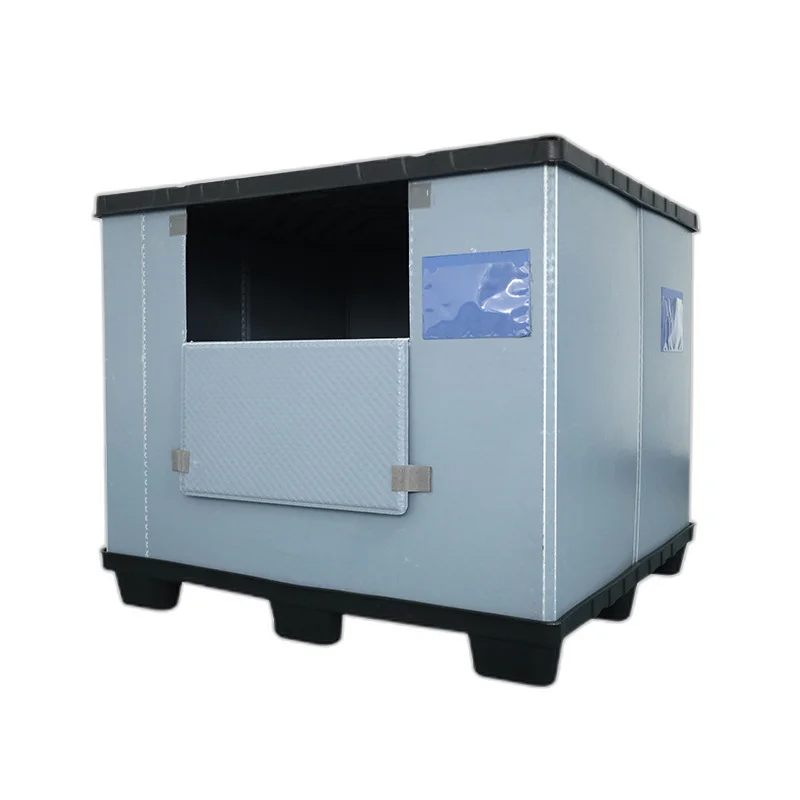
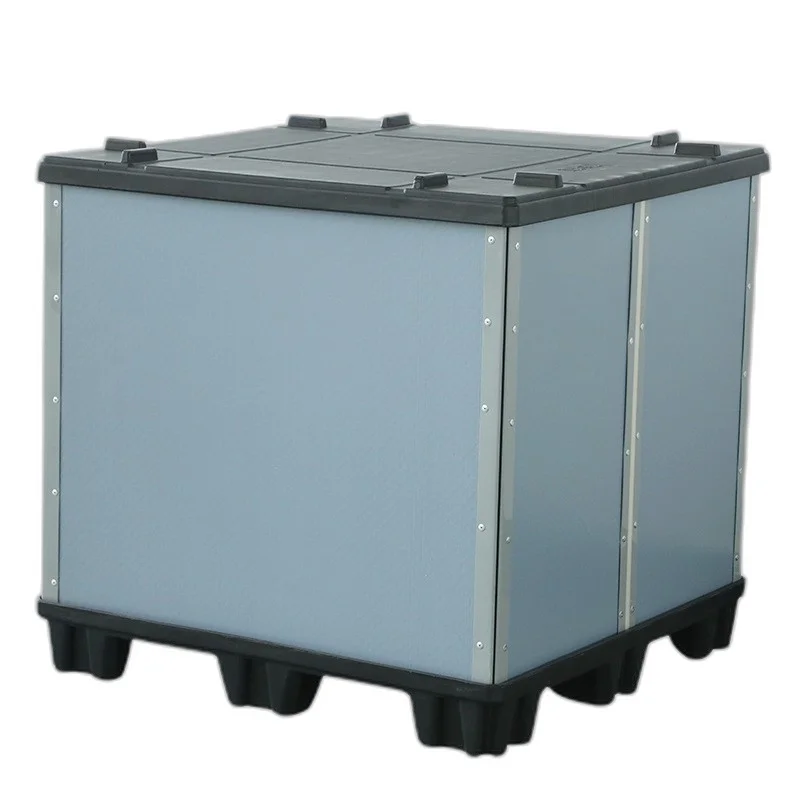
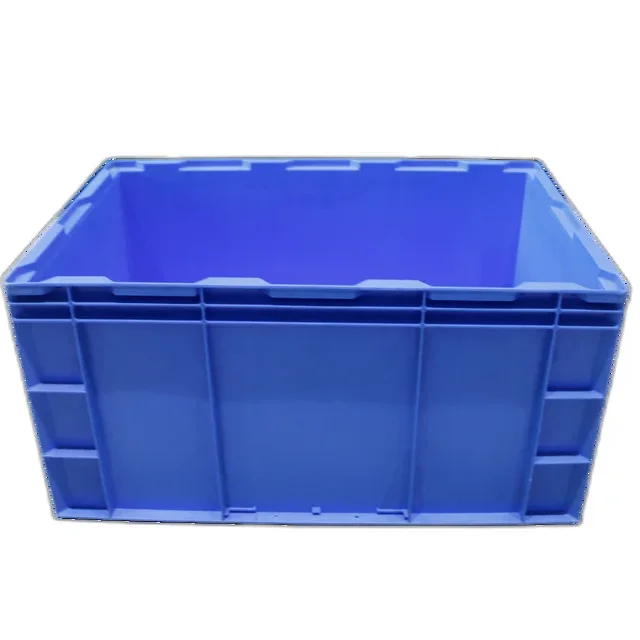
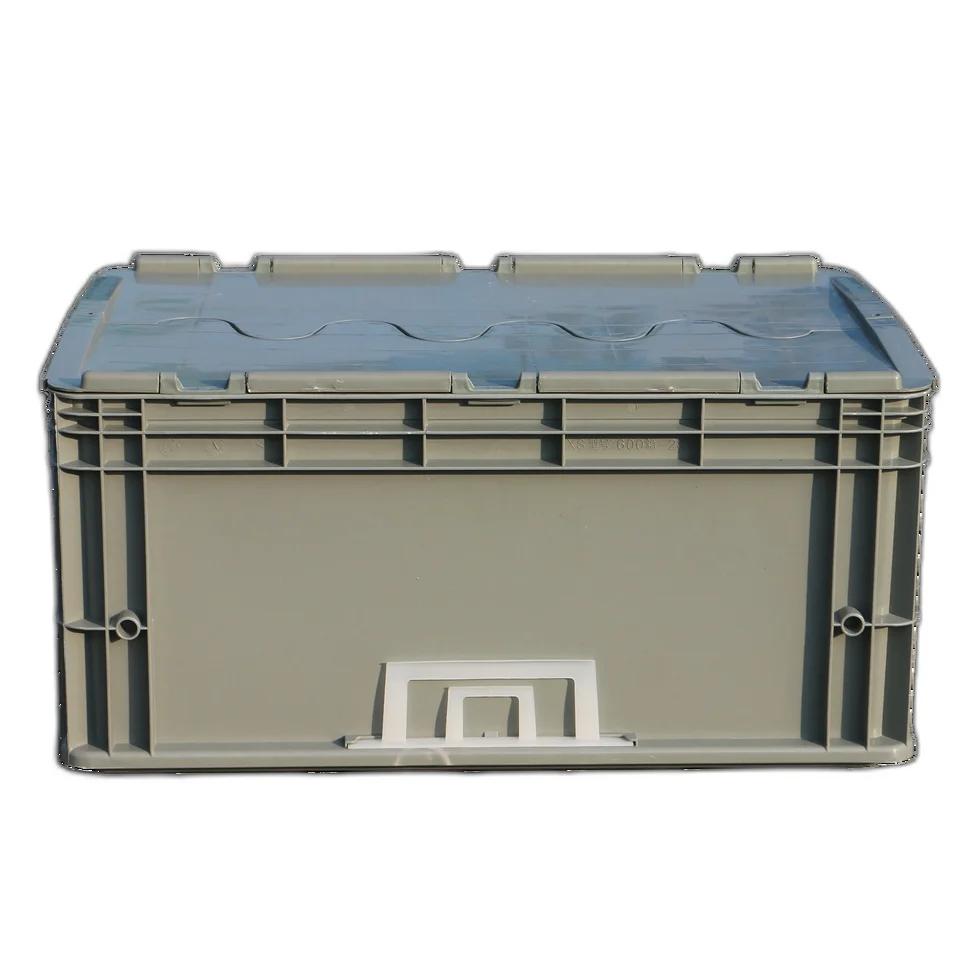
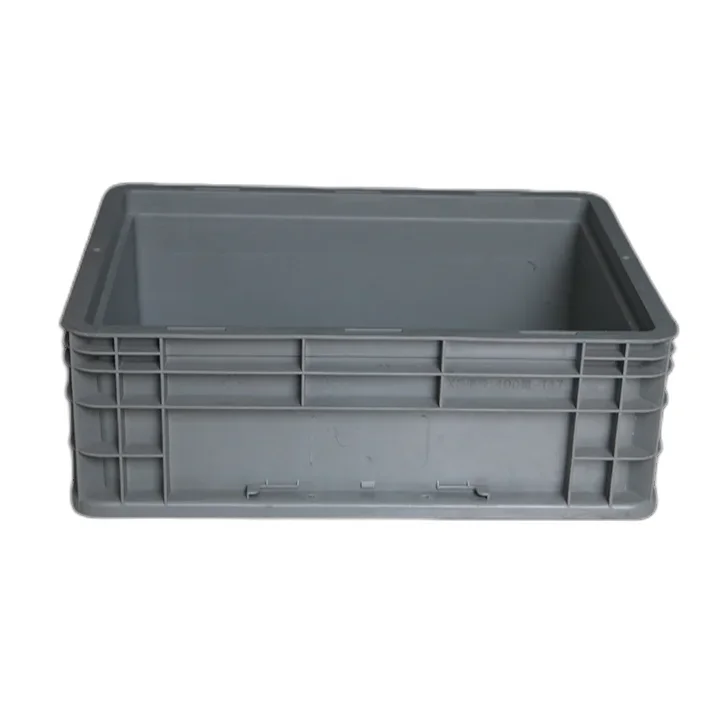
Choosing the right plastic pallet type is crucial for optimizing your business's warehousing and logistics operations. With various options available, understanding the different plastic pallet types can help you make an informed decision that aligns with your specific needs. This article will address key specifications, comparison criteria, buyer considerations, best practices for use, and applications across various industries, ensuring you have a comprehensive understanding of which plastic pallet is best suited for your business.
Key Specifications to Consider
When evaluating different plastic pallet types, several key specifications should be considered to ensure they meet your operational requirements:
Load Capacity: This is perhaps the most critical specification. Plastic pallets come with various load capacities, typically ranging from 1,000 to 3,000 lbs. Understanding the weight of your typical load is essential to selecting a heavy duty plastic pallets that can support it without risk of failure.
Dimensions: Standard dimensions for plastic pallets vary, with common sizes including 48"x40" and 42"x42". However, custom sizes are also available. Ensure the pallet dimensions fit your racking systems and transport vehicles for optimal efficiency.
Material Composition: Most plastic pallets are made from high-density polyethylene (HDPE) or polypropylene. The choice of material affects durability, resistance to chemicals, and suitability for different environments. For example, HDPE pallets are known for their moisture resistance, making them ideal for food and pharmaceutical applications.
Design Features: Pallet designs can vary significantly, including closed or open deck configurations. Closed decks are easier to clean and more suitable for sanitary applications, while open decks provide better airflow for drying.
Weight: The weight of the pallet impacts transportation costs and handling. Lighter small plastic pallets can reduce shipping expenses, but it’s essential to balance weight with strength and durability.
Stackability: The ability to stack pallets efficiently can save space in your warehouse. Look for features that facilitate easy stacking without compromising stability.
Customization Options: Many manufacturers, including Jiangsu Nexara, offer customization options for colors, branding, and additional features like RFID tags. This can enhance traceability and branding in your logistics chain.
How to Compare Different Plastic Pallet Types for Your Business Needs?
When comparing different types of plastic pallets, start by assessing your specific business needs. Here are some steps to guide your comparison:
Identify Your Requirements: Consider factors such as load capacity, dimensions, and whether you need special features like hygiene compliance or chemical resistance. Make a list of must-have specifications.
Evaluate Manufacturer Capabilities: Not all manufacturers offer the same quality or range of products. Jiangsu Nexara, with its extensive experience in producing plastic products, can provide valuable insights and support in selecting the right pallet.
Request Samples: Before making a large investment, request samples of potential pallets. This allows you to physically inspect the pallet’s quality, load capacity, and suitability for your operations.
Check Compliance and Certifications: Ensure that the pallets meet industry standards, especially if you operate in regulated industries like food or pharmaceuticals. Certification from recognized bodies can be a good indicator of quality and safety.
Cost Analysis: Compare the costs of different pallet types, but remember to consider the total cost of ownership, including durability and potential replacement costs. Sometimes, a higher upfront cost can lead to savings in the long run due to reduced replacements and maintenance.
What Buyers Should Look For?
When purchasing plastic pallets, buyers should consider several factors beyond just price:
Durability and Warranty: Look for pallets that offer robust construction and a warranty period. A warranty can provide peace of mind regarding the product's longevity and performance.
Supplier Reputation: Research the supplier’s reputation in the industry. Established manufacturers like Jiangsu Nexara often have a track record of quality and reliability.
Lead Times and Availability: Understand the lead times for production and delivery. This is especially crucial if you have pressing operational needs that require immediate solutions.
Bulk Pricing and Minimum Order Quantities (MOQ): Inquire about bulk pricing options and the MOQ, as buying in larger quantities can reduce unit costs and improve your budget management.
Quality Control Processes: Ask about the manufacturer’s quality control measures. A rigorous quality assurance program can ensure the pallets you receive meet your specifications and performance standards.
After-Sales Support: Consider the level of customer service and support offered by the supplier. This includes assistance with product issues, return policies, and customer feedback handling.
Best Practices for Using Plastic Pallets
To maximize the efficiency and lifespan of your plastic pallets, follow these best practices:
Proper Loading Techniques: Always distribute weight evenly across the pallet. Overloading one side can lead to structural failure and safety risks.
Regular Inspections: Conduct routine inspections of your pallets to identify any signs of wear or damage. Early detection can prevent larger issues down the line.
Cleaning and Maintenance: Clean pallets regularly, especially when used in food and medical applications. Use appropriate cleaning agents that won’t degrade the plastic material.
Storage Conditions: Store pallets in a dry, climate-controlled environment to prevent warping or degradation from extreme temperatures or humidity.
Training Staff: Ensure that all staff members are trained in proper handling and loading techniques to prevent damage.
Applications of Plastic Pallets in Different Industries and Sectors
Plastic pallets are versatile and find applications across various industries, including:
Food and Beverage: In this sector, plastic pallets are preferred due to their hygiene and ease of cleaning. They can withstand moisture and resist chemicals used in food processing.
Pharmaceutical: The pharmaceutical industry relies on plastic pallets for their cleanliness and ability to meet strict regulatory standards. Their durability ensures safe transport of sensitive products.
Automotive: Plastic pallets are used in the automotive industry for transporting components. Their strength and resistance to impacts make them ideal for heavy loads.
Retail: Retailers use plastic pallets for both in-warehouse storage and display. Their lightweight nature and stackability enhance logistics efficiency.
E-commerce: With the rise of e-commerce, plastic pallets facilitate fast and effective distribution. Their ability to be customized with branding aids in marketing during transport.
Understanding the different plastic pallet types and how they fit your specific business needs will empower you to make informed purchasing decisions. By considering specifications, comparing options, being aware of best practices, and noting industry applications, you can optimize your logistics processes and enhance operational efficiency.