 EN
EN
 AR
AR
 BG
BG
 HR
HR
 CS
CS
 DA
DA
 NL
NL
 FI
FI
 FR
FR
 DE
DE
 EL
EL
 HI
HI
 IT
IT
 JA
JA
 KO
KO
 NO
NO
 PL
PL
 PT
PT
 RO
RO
 RU
RU
 ES
ES
 SV
SV
 CA
CA
 TL
TL
 IW
IW
 ID
ID
 UK
UK
 VI
VI
 SQ
SQ
 ET
ET
 GL
GL
 HU
HU
 TH
TH
 TR
TR
 FA
FA
 AF
AF
 GA
GA
 CY
CY
 BE
BE
 BN
BN


/images/share.png)
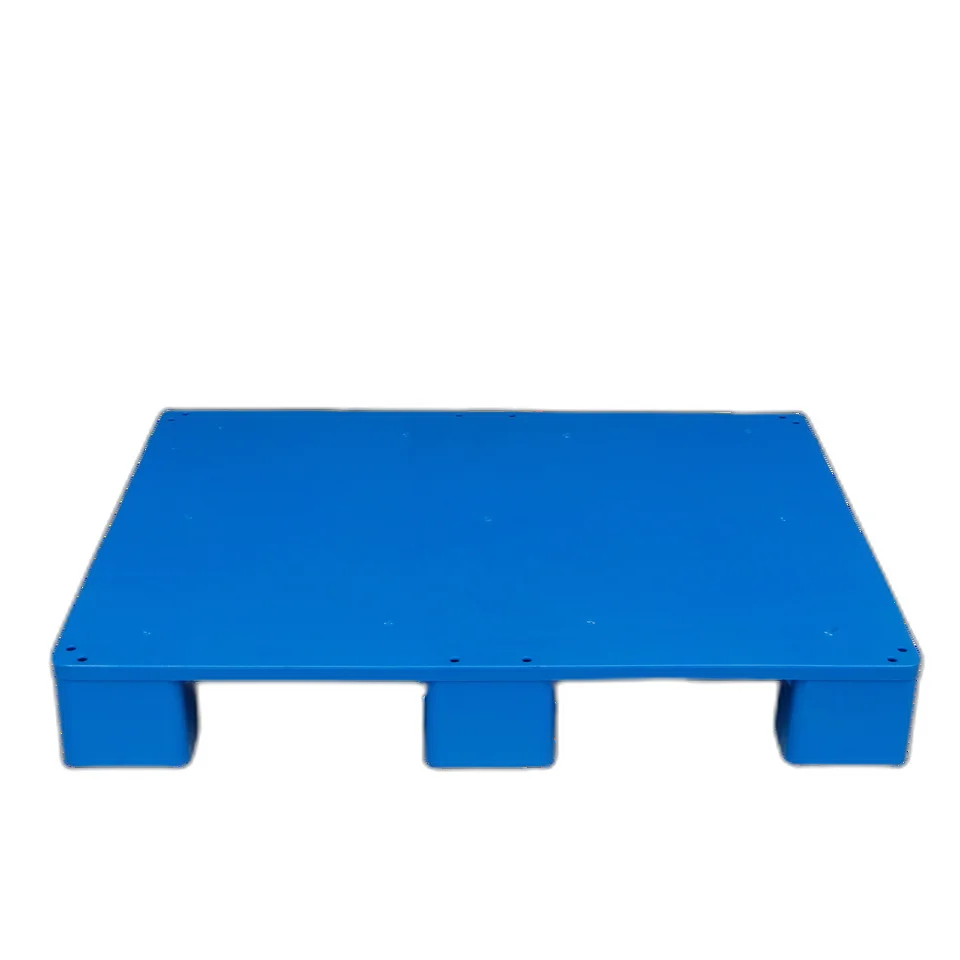
Plastic pallets are essential tools in modern warehousing and logistics, offering versatile solutions for racking, stacking, and shipping. With various types available, understanding the applications and specifications of plastic pallets is crucial for purchasing managers, logistics coordinators, and engineers. This article will explore the different plastic pallet types, their applications, and key specifications to help you make informed decisions when selecting the right solution for your business needs.
Key Specifications of Plastic Pallets for Efficient Racking Solutions
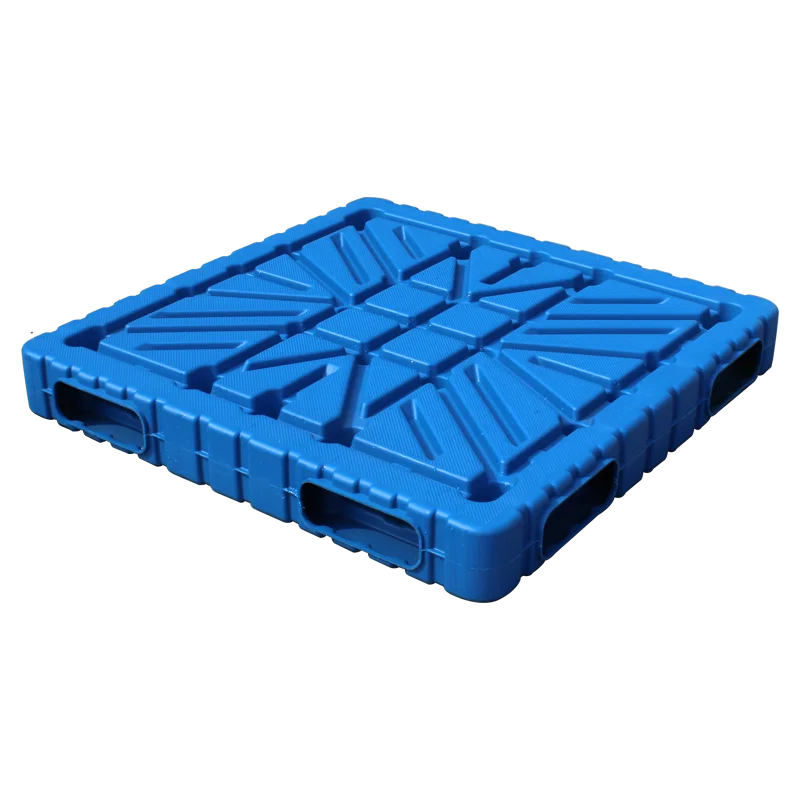
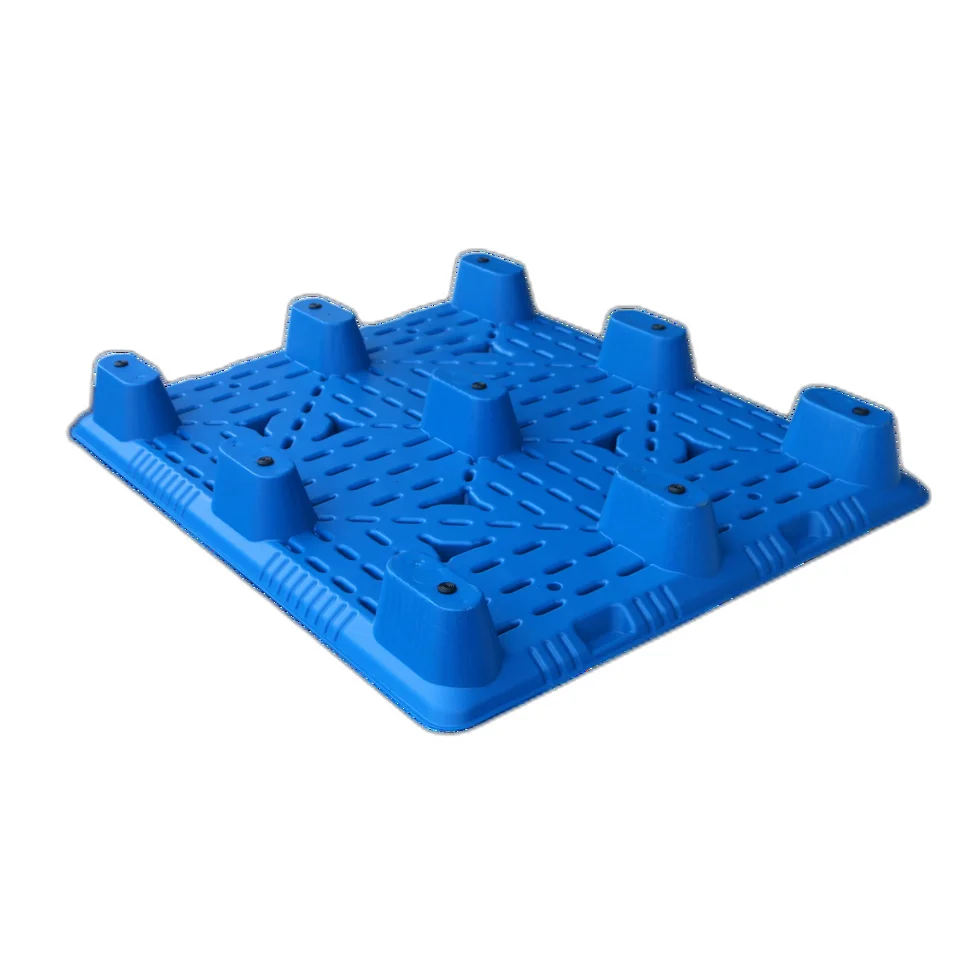
When evaluating plastic pallets for racking solutions, several key specifications must be considered to ensure efficiency and durability. Load capacity is one crucial specification; it determines how much weight the pallet can safely carry. Depending on your application, you should verify that the pallet can support the heaviest load you expect to handle.
Another important specification is the pallet's dimensions, which can affect its compatibility with racking systems. Standard sizes are generally more cost-effective and widely available, but custom dimensions may be necessary for specific storage solutions. Additionally, the height of the pallet impacts its stacking capabilities; taller pallets may require more robust racking systems.
Material choice is also vital. Most plastic pallet are made from high-density polyethylene (HDPE) or polypropylene, both of which offer excellent resistance to moisture, chemicals, and UV exposure. The choice of material will directly affect the pallet's longevity and performance in specific environments, such as cold storage or exposure to harsh chemicals.
How to Compare Plastic Pallet Types for Stacking Efficiency
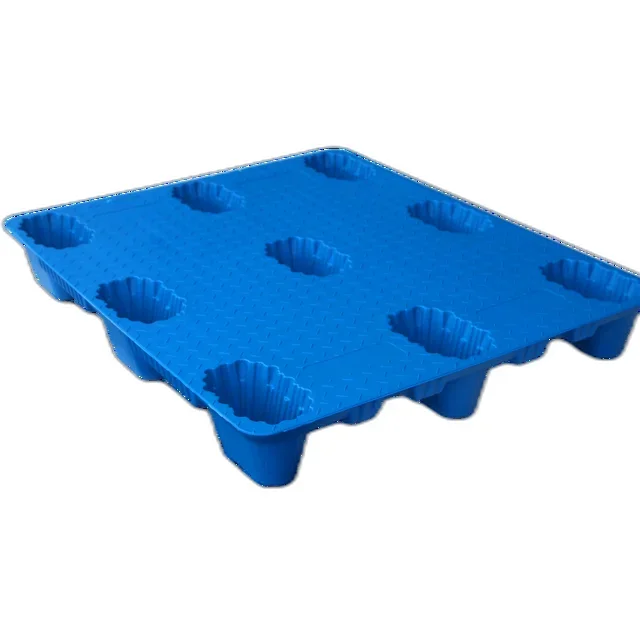
When comparing plastic pallet types for stacking efficiency, it's essential to assess design features that enhance stability and safety during storage. One common design is the nestable pallet, which allows for efficient storage when not in use, reducing space requirements. However, while nestable pallets save space, they may not provide the same load-bearing capacity as non-nestable options, which often feature reinforced designs for added strength.
Another factor to consider is the pallet's surface. Smooth surfaces may facilitate easier cleaning and reduce friction, while textured surfaces can enhance grip and prevent slipping during stacking. Evaluate how these features align with your specific operational needs, such as if the pallets will be used in environments where they will be moved frequently or left stationary.
Additionally, the stacking method itself can influence efficiency. Consider how many pallets you plan to stack and the maximum height you need to achieve. Manufacturers typically provide stacking ratios, which inform how many pallets can be stacked safely without compromising structural integrity.
Evaluating Quality in Plastic Pallets
Quality evaluation is critical when selecting plastic pallets, as substandard options can lead to increased costs and operational inefficiencies. Start by verifying the manufacturer's quality control processes. A reputable supplier, like Jiangsu Nexara, will have stringent quality checks in place, ensuring that each pallet meets industry standards and specific client requirements.
Inspect the physical characteristics of the pallets. Look for any signs of defects such as cracks, warping, or uneven surfaces, which can compromise their load-bearing capability. It's also advisable to review any certifications that the pallets may have, such as ISO certifications, which indicate adherence to quality management standards.
Another aspect of quality to assess is the pallet's lifespan. While plastic pallets generally have a longer service life than wooden alternatives, the durability can vary among different designs and materials. Ensure to inquire about the expected lifespan based on the intended application and conditions to avoid premature replacements.
Common Problems with Plastic Pallets and Their Solutions
While recycled plastic pallets offer numerous advantages, they are not without potential issues. One common problem is warping or bending, particularly in pallets subjected to extreme temperatures or heavy loads. To mitigate this, ensure that the pallets are rated for the specific conditions they will encounter, and avoid overloading them beyond their capacity.
Another issue is surface wear, which can affect the pallet's grip and stability. Regular inspections can help identify wear before it becomes a significant problem. It may also be beneficial to choose pallets with a robust surface treatment designed to resist abrasion and enhance longevity.
In some cases, buyers may face compatibility issues with existing racking systems or equipment. To avoid this, it's essential to provide detailed specifications when requesting quotes. This includes dimensions, weight capacity, and any specific features required for compatibility with handling equipment.
Understanding Material Advantages of Plastic Pallets for Buyers
Selecting the right material for plastic pallets is crucial to optimizing performance and meeting specific operational needs. High-density polyethylene (HDPE) is a popular choice due to its excellent resistance to impact, moisture, and chemicals, making it suitable for various industries, including food and pharmaceuticals. HDPE pallets are also lightweight, facilitating easier handling and reducing shipping costs.
Polypropylene is another material option that offers excellent strength and a higher temperature tolerance than HDPE. This makes polypropylene pallets ideal for applications requiring exposure to heat or cold, such as in refrigerated storage or during transport in extreme conditions.
Additionally, consider the environmental impact of the materials used. Many manufacturers, including Jiangsu Nexara, offer recyclable options, contributing to sustainability goals. Understanding the material properties and their implications on performance will help you make informed decisions that align with both operational requirements and sustainability initiatives.
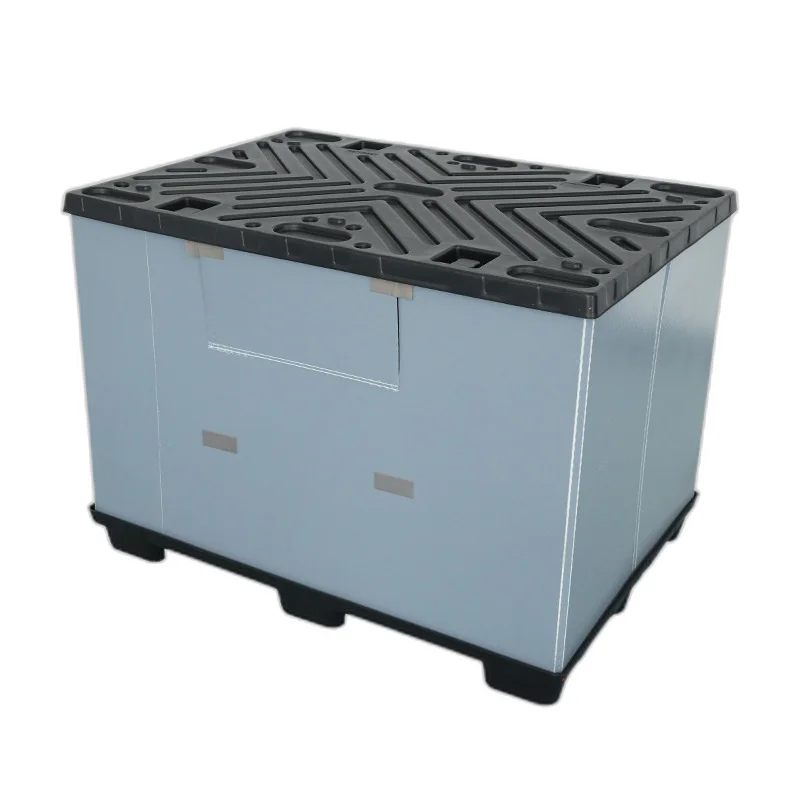
By focusing on these critical factors and specifications, B2B buyers can navigate the complexities of selecting the right plastic pallet containers for their racking, stacking, and shipping applications. Understanding the nuances of material selection, quality evaluation, and potential challenges will empower purchasing managers to procure the most effective solutions tailored to their specific needs.