 EN
EN
 AR
AR
 BG
BG
 HR
HR
 CS
CS
 DA
DA
 NL
NL
 FI
FI
 FR
FR
 DE
DE
 EL
EL
 HI
HI
 IT
IT
 JA
JA
 KO
KO
 NO
NO
 PL
PL
 PT
PT
 RO
RO
 RU
RU
 ES
ES
 SV
SV
 CA
CA
 TL
TL
 IW
IW
 ID
ID
 UK
UK
 VI
VI
 SQ
SQ
 ET
ET
 GL
GL
 HU
HU
 TH
TH
 TR
TR
 FA
FA
 AF
AF
 GA
GA
 CY
CY
 BE
BE
 BN
BN



/images/share.png)

Industrial plastic pallets are essential components in modern logistics and warehousing systems. This guide on Industrial Plastic Pallet Specifications: Load, Material & Application will help purchasing managers and engineers understand the key specifications that influence the performance and suitability of plastic pallet for various applications. Buyers often face concerns regarding load capacities, material durability, and specific applications. By exploring these factors, this article will equip you with the knowledge needed to make informed purchasing decisions.
Key Material Specifications for Reliable Plastic Pallets in Various Industries
When evaluating industrial plastic pallets, understanding the material specifications is critical. Common materials used in heavy duty plastic pallets include high-density polyethylene (HDPE) and polypropylene (PP). These materials offer distinct advantages:
Load Capacity: The load-bearing capacity of a pallet is often dictated by its material and design. HDPE pallets typically have a higher load capacity than those made from PP, making them suitable for heavy-duty applications such as automotive or industrial warehousing.
Durability: HDPE is resistant to chemicals and UV exposure, while PP can withstand higher temperatures. Depending on the application—be it food storage, medical supplies, or general logistics—selecting the right material ensures longevity and minimizes replacement costs.
Weight: Lighter pallets can reduce shipping costs and are easier to handle. However, it's important to balance weight with load capacity and durability to avoid compromising performance.
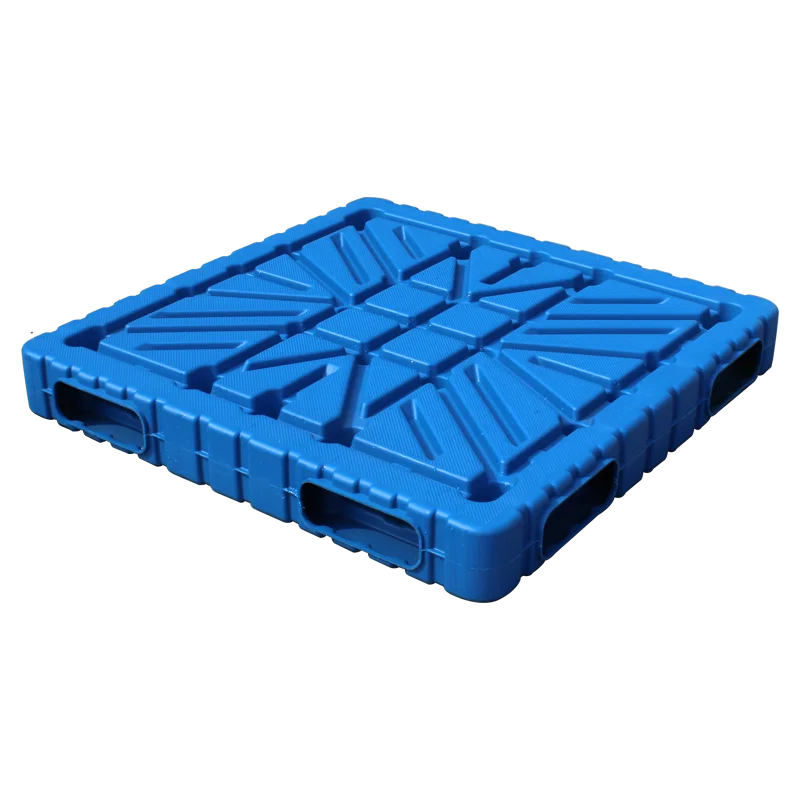
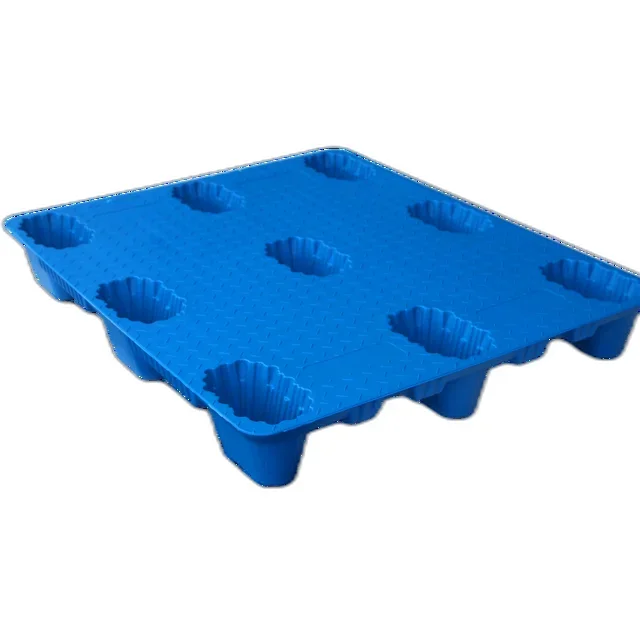
In addition, the design of the pallet, including its thickness, deck style (solid or ventilated), and reinforcement features, can significantly affect its strength and suitability for specific applications.
Quality and Cost Considerations
Quality and cost are often at the forefront of any purchasing decision. While opting for cheaper pallets may seem appealing initially, it is vital to consider the long-term implications:
Initial Cost vs. Total Cost of Ownership: Cheaper pallets may have lower initial costs but can lead to higher operational costs due to frequent replacements, potential product damage, and higher shipping costs due to their weight. Investing in higher-quality pallets can yield better durability and lower overall costs in the long run.
Certifications and Standards: Ensure that the pallets meet industry standards and certifications, such as ISO or FDA compliance for food applications. This not only guarantees quality but also adds assurance when it comes to safety and reliability.
Customization: Customized pallets can often meet specific needs more effectively but may come at a higher cost. It's essential to weigh the benefits of customization against the budgetary constraints.
Factors to Consider for Application Success
When selecting plastic pallets, application suitability is paramount. Here are key factors to consider:
Load Requirements: Determine the maximum load each pallet will need to bear. This is crucial not only for ensuring safety but also for maintaining operational efficiency.
Environmental Conditions: Consider the conditions in which the pallets will be used. For example, if the pallets will be exposed to extreme temperatures or chemicals, selecting materials that can withstand these conditions is critical.
Handling and Storage: Evaluate how the pallets will be handled. Automated systems may require specific pallet designs to ensure compatibility, while manual handling may call for lighter models.
Space and Configuration: The dimensions and design of the pallets must fit within your existing storage and transportation systems. It's advisable to confirm that the pallet dimensions are compatible with your racking and handling equipment.
Ensuring Optimal Use
To maximize the effectiveness of your plastic pallets, consider the following best practices:
Regular Inspections: Conduct routine inspections for any signs of wear or damage. Early detection of issues can prevent larger problems down the line.
Training: Ensure that all personnel involved in handling pallets are trained in proper lifting and stacking techniques to prevent accidents and damage.
Use Cases: Match the pallet type with the appropriate application. For instance, ventilated pallets may be preferred for products that require airflow, such as fresh produce.
Common Problems with Plastic Pallets and Effective Solutions for Buyers
Buyers may encounter several common issues when using plastic pallets. Here are potential problems and solutions:
Cracking or Warping: This can occur due to exposure to harsh environments or excessive load. To mitigate this risk, choose pallets designed for specific environmental conditions and follow load recommendations.
Slipping: In some cases, pallets can slide during transportation. To address this, consider using pallets with non-slip surfaces or utilizing additional securing methods like strapping or shrink-wrapping.
Incompatibility with Equipment: Ensure that the pallets are compatible with your existing machinery. If using automated systems, consult with equipment manufacturers to verify compatibility.
By addressing these common issues proactively, buyers can enhance the longevity and performance of their warehouse plastic pallets.
Understanding these specifications and considerations when selecting industrial plastic pallets will empower purchasing managers and engineers to make informed decisions that align with their operational needs. With proper attention to material selection, quality, application suitability, and potential issues, businesses can optimize their logistics and warehousing processes effectively.