 EN
EN
 AR
AR
 BG
BG
 HR
HR
 CS
CS
 DA
DA
 NL
NL
 FI
FI
 FR
FR
 DE
DE
 EL
EL
 HI
HI
 IT
IT
 JA
JA
 KO
KO
 NO
NO
 PL
PL
 PT
PT
 RO
RO
 RU
RU
 ES
ES
 SV
SV
 CA
CA
 TL
TL
 IW
IW
 ID
ID
 UK
UK
 VI
VI
 SQ
SQ
 ET
ET
 GL
GL
 HU
HU
 TH
TH
 TR
TR
 FA
FA
 AF
AF
 GA
GA
 CY
CY
 BE
BE
 BN
BN



/images/share.png)

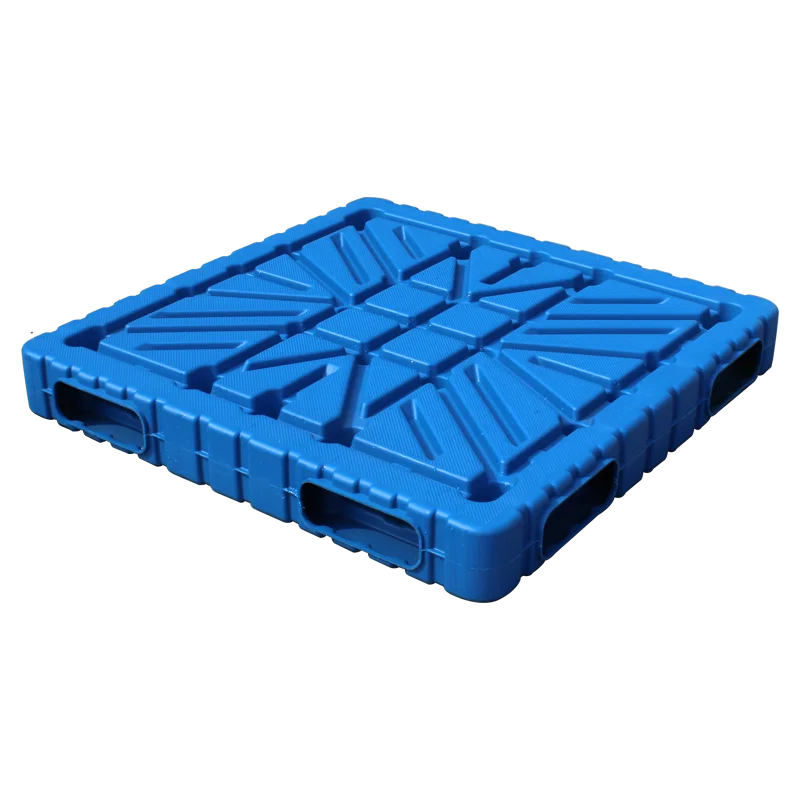
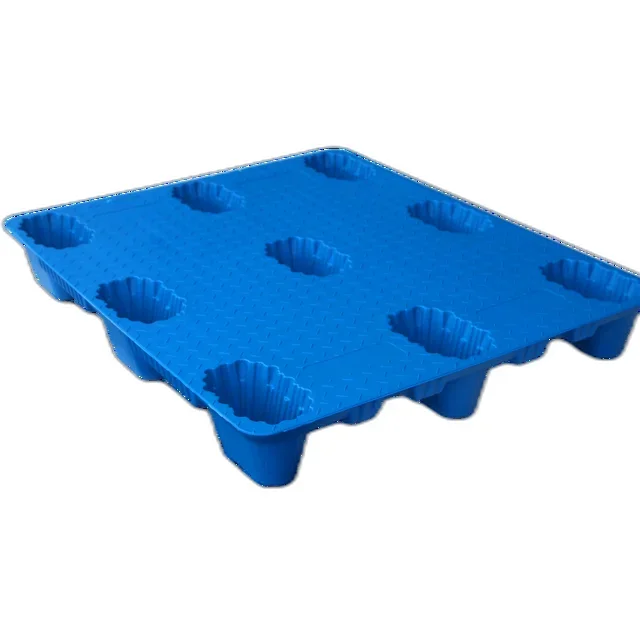
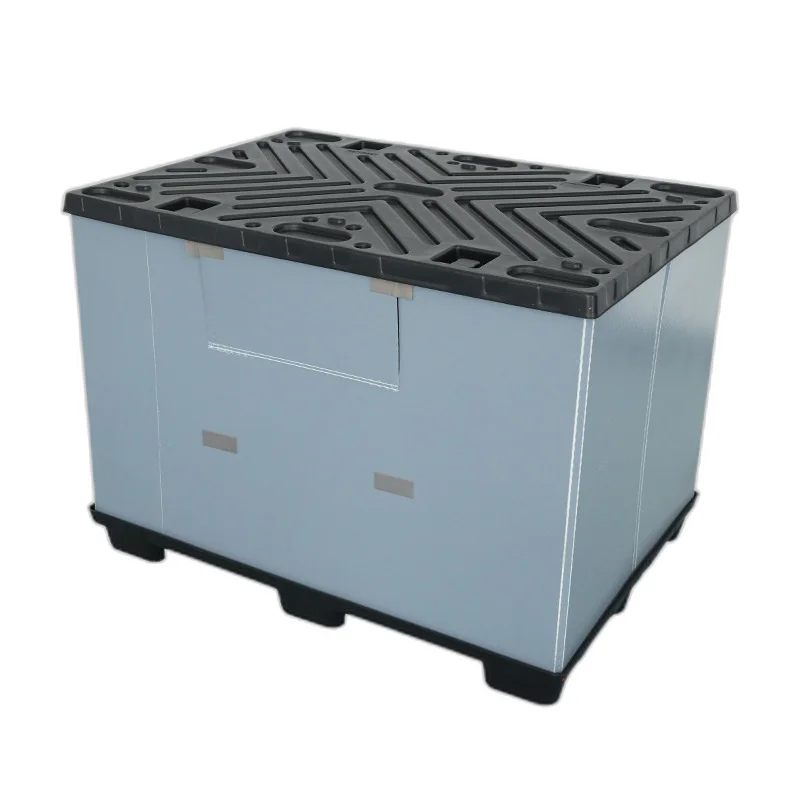
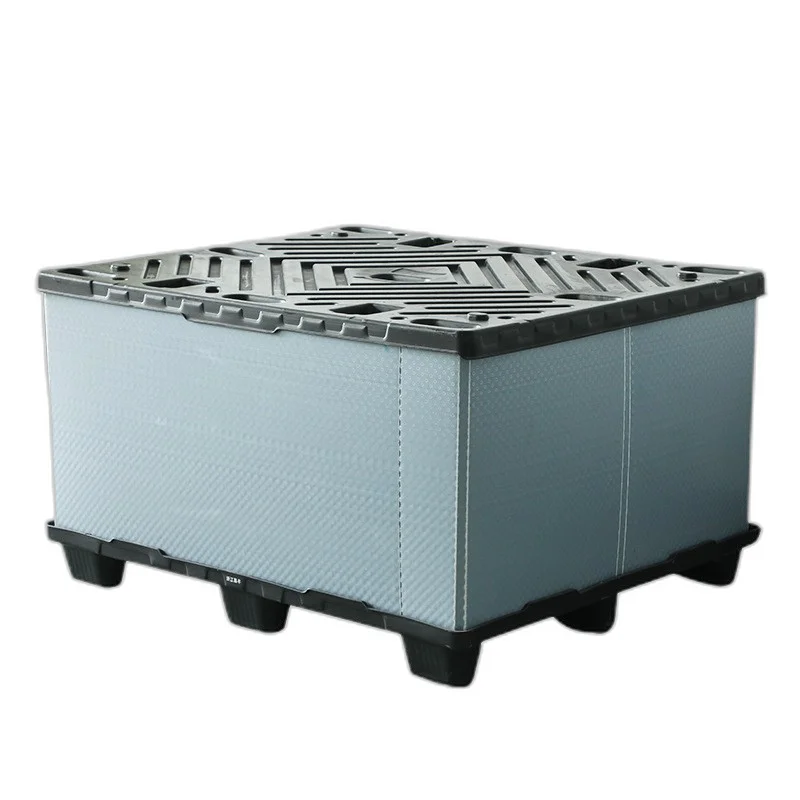
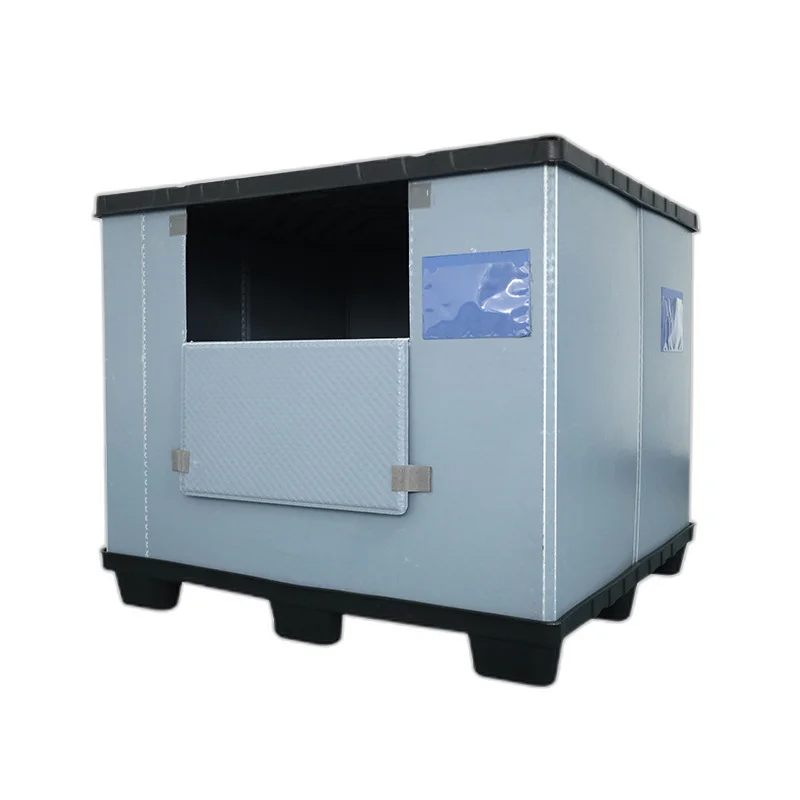
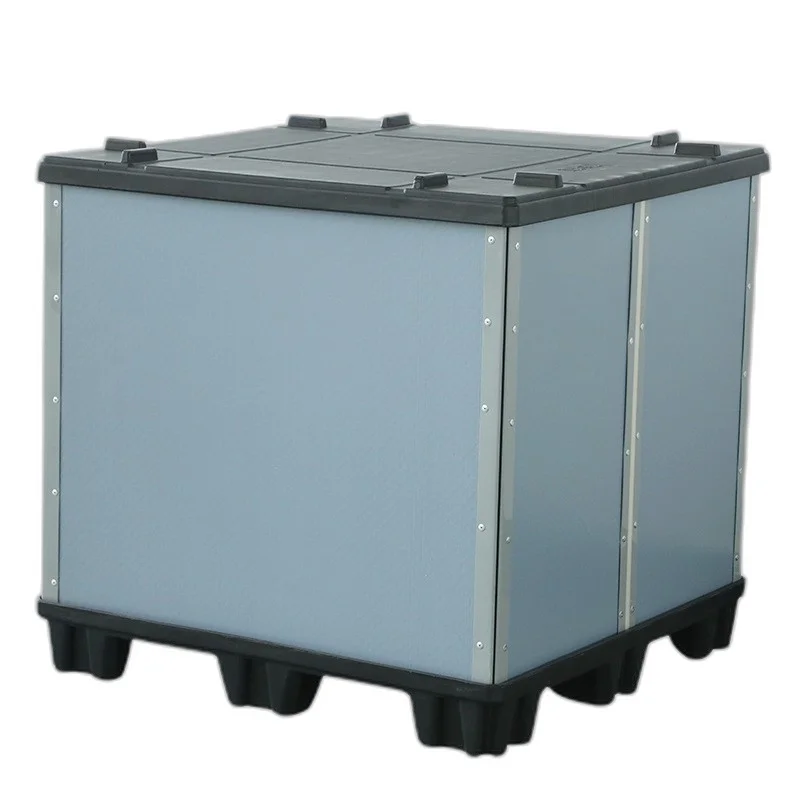
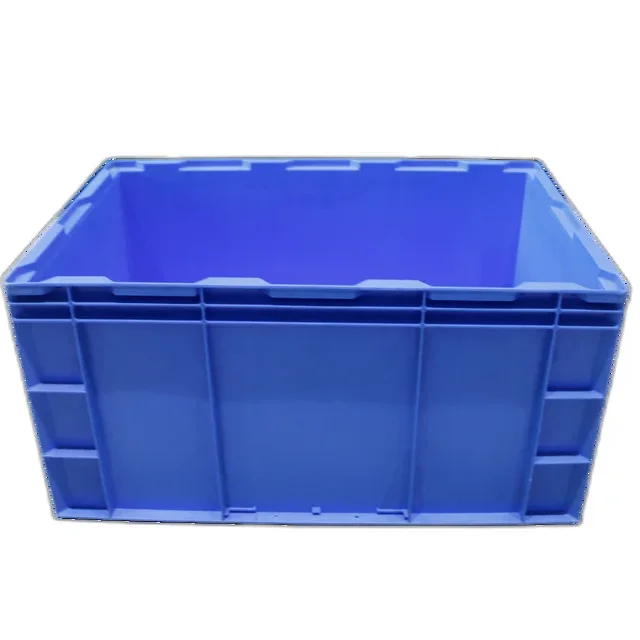
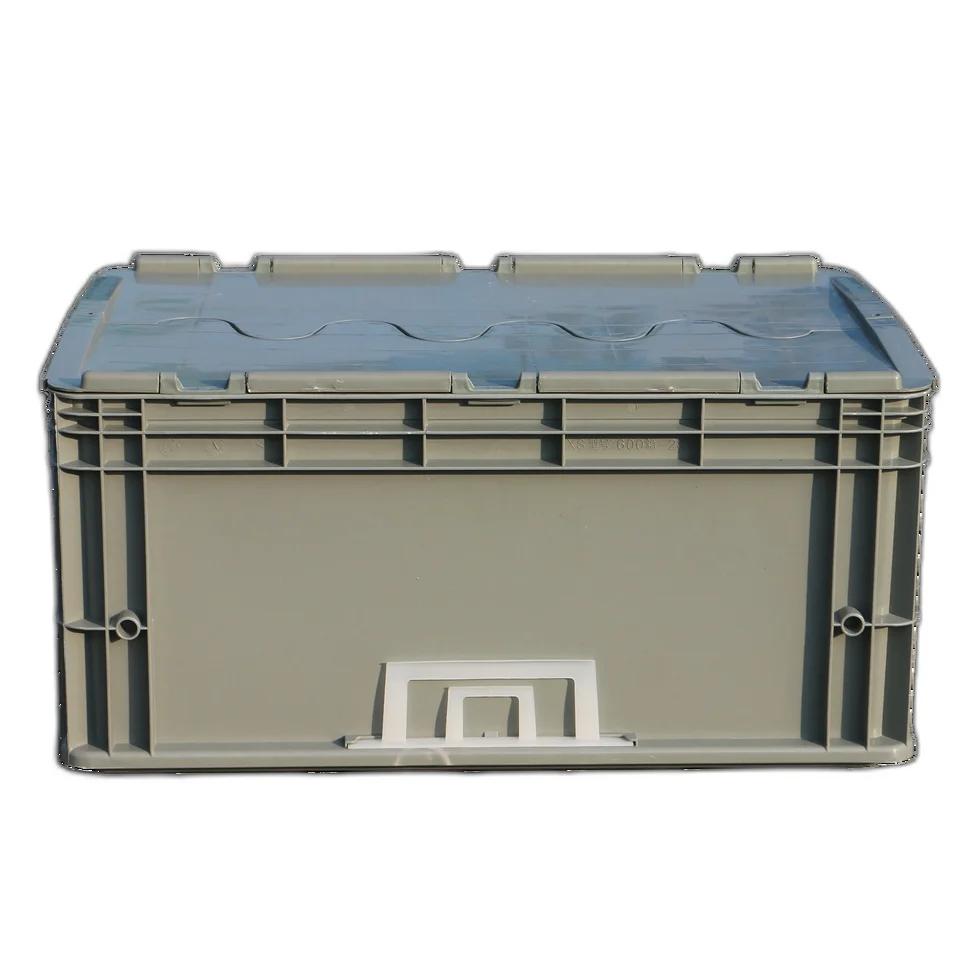
Recycled plastic pallets are an innovative and sustainable solution for warehouse logistics, providing businesses with cost-effective alternatives to traditional wooden pallets. As industries increasingly prioritize eco-friendly practices, understanding the benefits and specifications of recycled plastic pallet becomes essential for purchasing managers and logistics professionals. This article will explore the advantages of these pallets, including their applications across various sectors, key specifications for bulk orders, quality benefits, and material advantages, equipping you with the knowledge needed to make informed purchasing decisions.
Reliable Suppliers for Recycled Plastic Pallets
When sourcing recycled plastic pallets, it is crucial to partner with reliable suppliers who have proven industry experience. A reputable supplier, such as Jiangsu Nexara, should have extensive manufacturing capabilities, including advanced plastic injection and blow-molding technologies. Look for suppliers that offer a diverse range of products tailored to specific industry needs, from warehousing to food and medical sectors.
In addition, evaluate the supplier's quality control processes. A robust quality assurance system ensures that the plastic for pallets meet industry standards and your specific requirements. An ideal supplier will also provide customization options to cater to unique business needs, including sizes, colors, and load capacities. Always request references or case studies from previous clients to assess the supplier's reliability and service quality.
Key Specifications of Recycled Plastic Pallets for Bulk Orders
When considering bulk orders of recycled plastic pallets, it is vital to understand the key specifications that impact performance and suitability. Such specifications include dimensions, weight capacity, and material type.
Dimensions: Standard sizes for recycled plastic pallets often include 48"x40" and 42"x42", but custom dimensions can be provided based on your specific requirements. Ensure that the pallets fit your storage and handling systems effectively.
Weight Capacity: Check the maximum load-bearing capacity of the pallets. This typically ranges from 1,500 to 3,000 pounds, depending on the design and material used. Confirm that the chosen industrial pallet racks can handle the weight of your products during storage and transit.
Material: Recycled plastic pallets are often made from high-density polyethylene (HDPE) or polypropylene. Each material offers different benefits regarding durability, moisture resistance, and resistance to chemicals. Ensure the selected material aligns with your operational environment.
Understanding these specifications will help you select the right pallets for your application, ensuring optimal performance and longevity.
Understanding the Quality Benefits of Recycled Plastic Pallets
Recycled plastic pallets provide numerous quality benefits that enhance warehouse logistics. One primary advantage is their resistance to moisture and chemicals, making them suitable for a variety of applications, including food and pharmaceutical industries, where hygiene is critical. Unlike wooden pallets, recycled plastic pallets do not harbor pests or mold, ensuring a cleaner and safer transport medium.
Additionally, recycled plastic pallets are known for their durability and longevity. They can withstand extreme temperatures, which helps maintain the integrity of your products. Investing in quality pallets reduces the frequency of replacements, leading to cost savings over time.
Lastly, the consistent quality of recycled plastic pallets ensures that they meet specific performance standards. As a B2B buyer, you should prioritize suppliers that provide detailed testing results and certifications, confirming the durability and performance of their pallets.
Applications of Recycled Plastic Pallets in Various Industries
Recycled plastic pallets have versatile applications across multiple industries, including automotive, food, and medical sectors.
Automotive Industry: In this sector, pallets are used for transporting parts and components. Their resistance to moisture and chemicals is particularly beneficial, as it protects sensitive components during transit.
Food Industry: The food industry demands high hygiene standards, making recycled plastic pallets an ideal choice. They can be easily cleaned and sanitized, ensuring compliance with safety regulations.
Medical Sector: Pharmaceutical companies benefit from the durability and cleanliness of recycled plastic pallets. Their ability to withstand sterilization processes is crucial in maintaining the integrity of medical products.
Understanding the specific applications of recycled plastic pallets helps B2B buyers identify the right solution for their logistics needs and ensures compliance with industry standards.
Evaluating Material Advantages of Recycled Plastic Pallets for Buyers
When considering recycled plastic pallets, evaluating the material advantages is essential for making informed purchasing decisions. The primary materials used in manufacturing these pallets are HDPE and polypropylene, each with distinct benefits.
High-Density Polyethylene (HDPE): HDPE is known for its strength, resistance to impact, and ability to withstand a wide range of temperatures. This makes it ideal for various environments, including those exposed to moisture or chemicals.
Polypropylene: This material is lighter than HDPE and offers excellent resistance to fatigue and stress. For applications requiring reduced weight for easier handling, polypropylene pallets are preferable.
In addition to material choice, consider the environmental impact of recycled plastic pallets. They help reduce plastic waste and contribute to sustainability efforts, making them an appealing choice for companies focused on corporate social responsibility.
When evaluating material advantages, it is essential to assess how these properties align with your logistical requirements, ensuring that the pallets you choose will perform effectively in your specific environment.
In summary, recycled plastic pallets present a cost-effective and environmentally friendly solution for warehouse logistics. By understanding the key specifications, quality benefits, applications, and material advantages, B2B buyers can make informed decisions that enhance their operational efficiency while supporting sustainability initiatives.
Table of Contents
- Reliable Suppliers for Recycled Plastic Pallets
- Key Specifications of Recycled Plastic Pallets for Bulk Orders
- Understanding the Quality Benefits of Recycled Plastic Pallets
- Applications of Recycled Plastic Pallets in Various Industries
- Evaluating Material Advantages of Recycled Plastic Pallets for Buyers