 EN
EN
 AR
AR
 BG
BG
 HR
HR
 CS
CS
 DA
DA
 NL
NL
 FI
FI
 FR
FR
 DE
DE
 EL
EL
 HI
HI
 IT
IT
 JA
JA
 KO
KO
 NO
NO
 PL
PL
 PT
PT
 RO
RO
 RU
RU
 ES
ES
 SV
SV
 CA
CA
 TL
TL
 IW
IW
 ID
ID
 UK
UK
 VI
VI
 SQ
SQ
 ET
ET
 GL
GL
 HU
HU
 TH
TH
 TR
TR
 FA
FA
 AF
AF
 GA
GA
 CY
CY
 BE
BE
 BN
BN





/images/share.png)
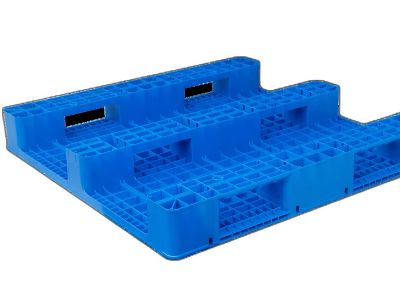
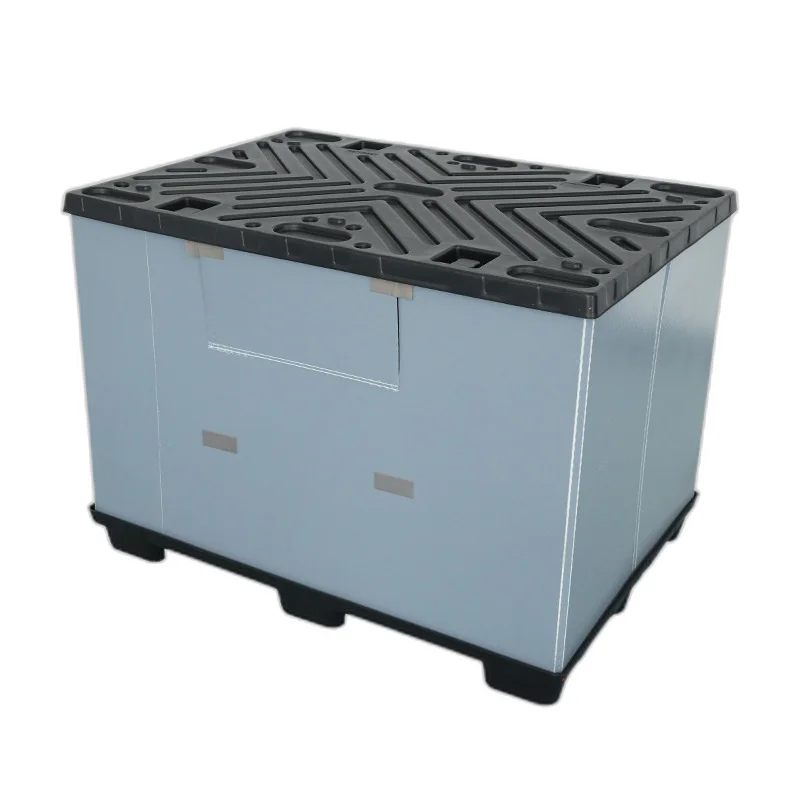
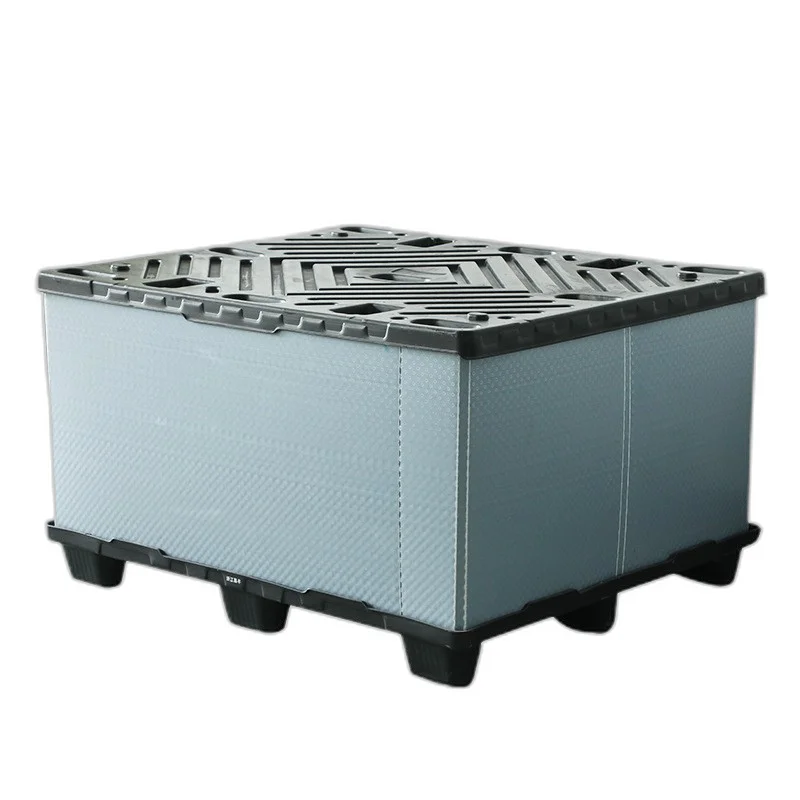
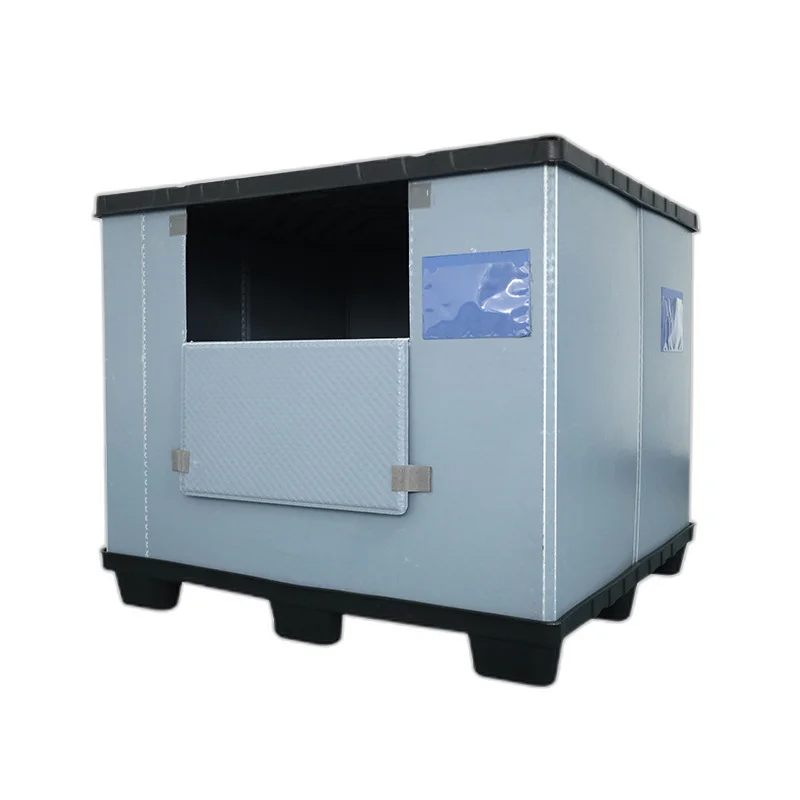
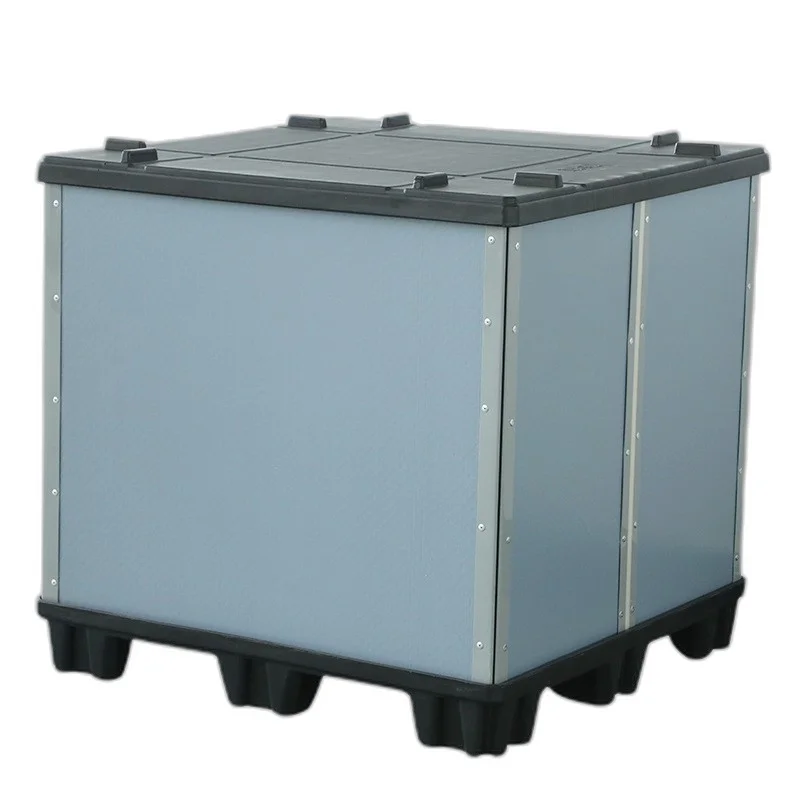
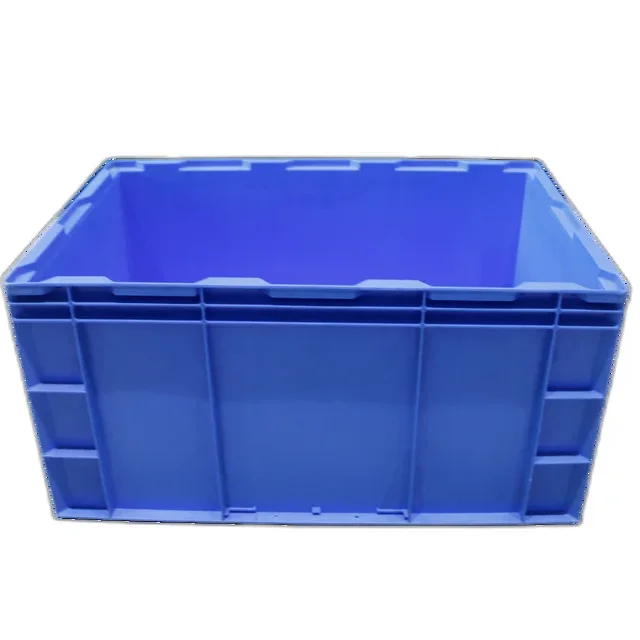
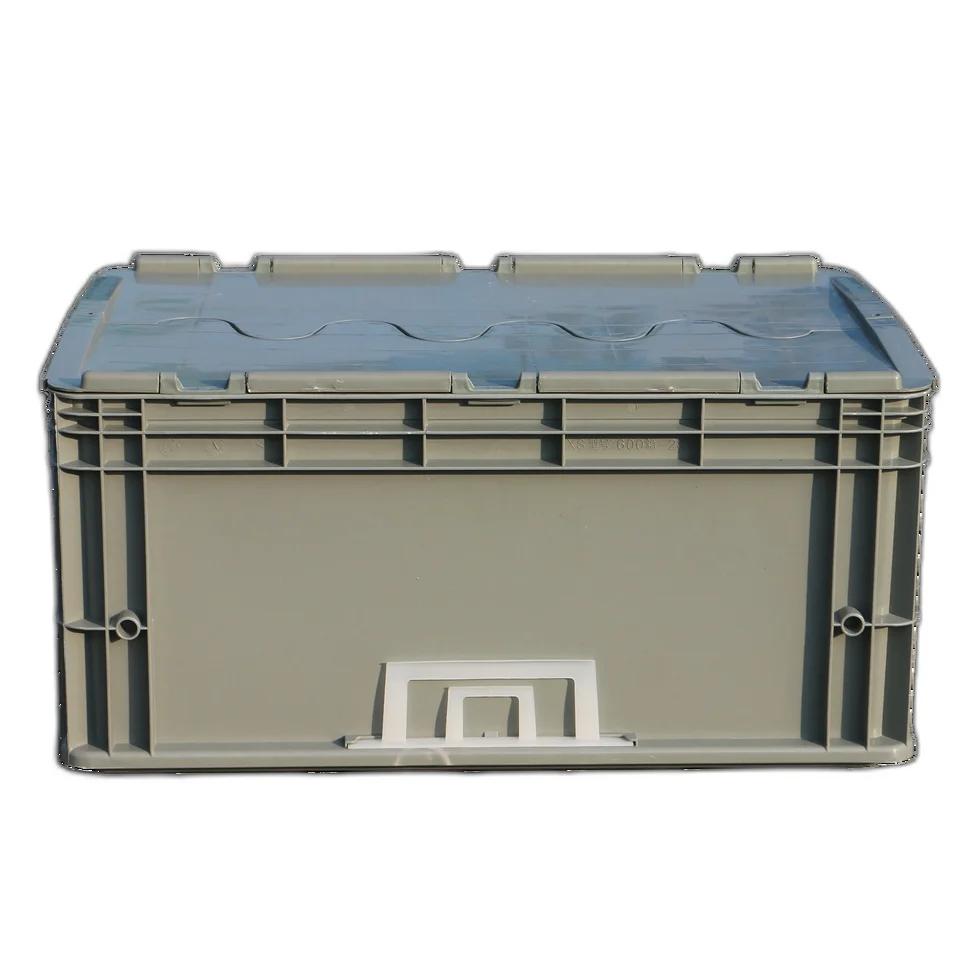
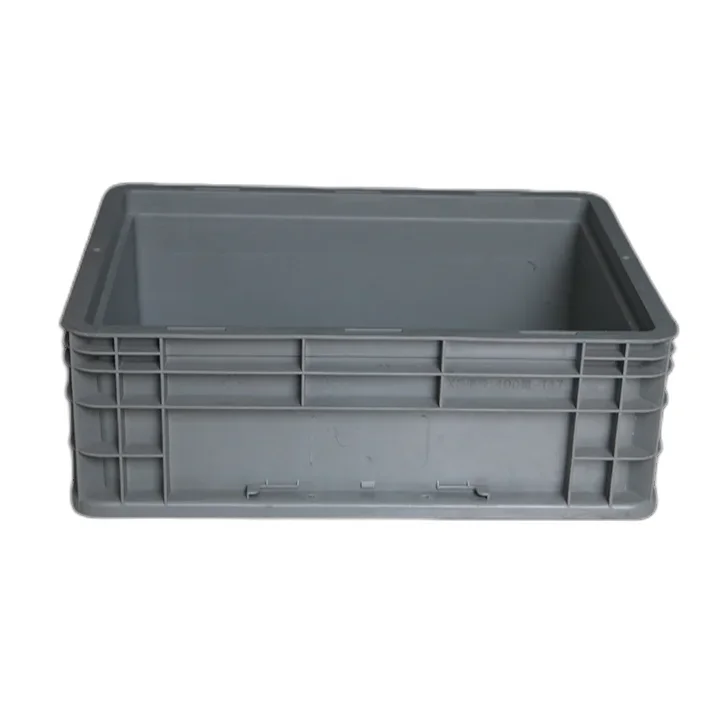
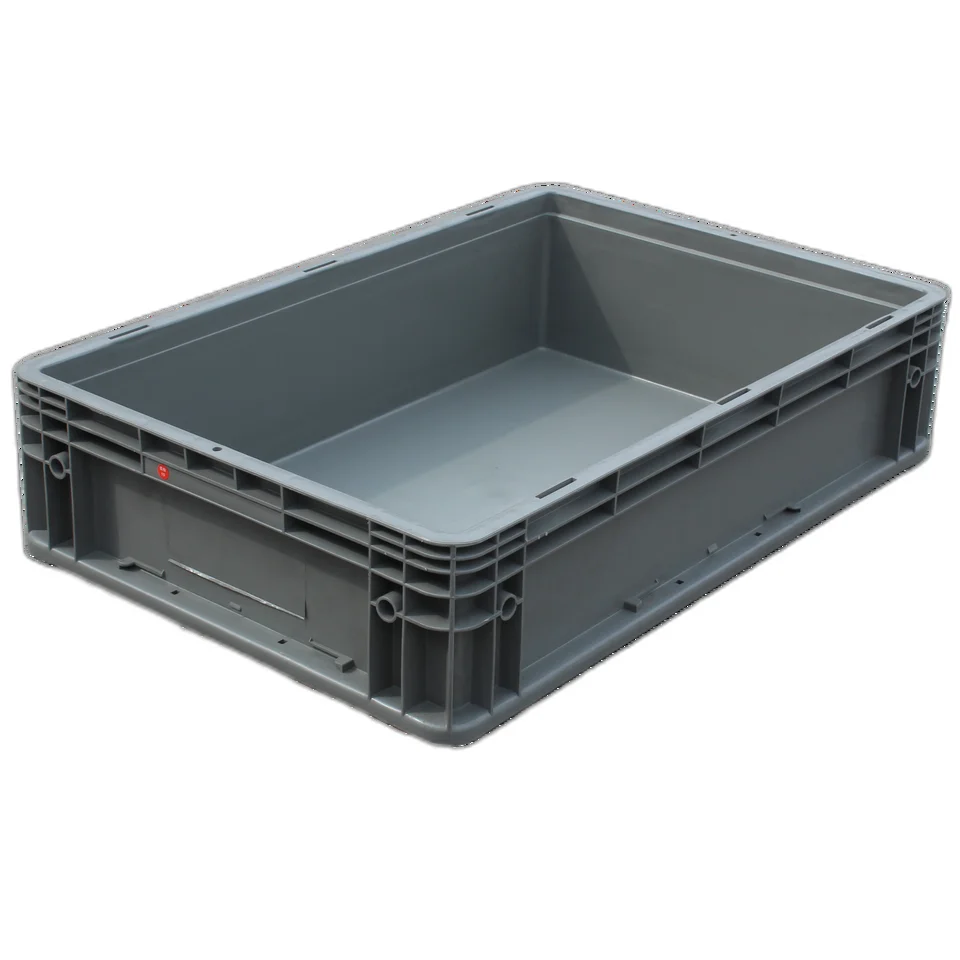
Recycled plastic pallets are increasingly becoming a popular choice for businesses looking for sustainable, durable, and cost-effective solutions in their warehousing and logistics operations. However, one critical question that purchasing managers and industrial buyers often ask is: "Is a recycled plastic pallet suitable for heavy-duty racking work?" This article explores the specifications, selection criteria, quality evaluation, and practical applications of recycled plastic pallets, providing valuable insights for decision-makers in various industries.
What Are the Key Specifications for Recycled Plastic Pallets?
When evaluating recycled plastic pallets, several key specifications must be considered to ensure they meet the demands of heavy-duty racking work. These specifications include:
Load Capacity: The load capacity of a recycled plastic pallet is crucial as it determines how much weight the pallet can safely support. Typically for heavy-duty applications, pallets need to withstand loads ranging from 1,000 to 3,000 pounds, depending on the specific use case.
Dimensions: Standard pallet sizes, such as 48x40 inches, are common, but custom dimensions may be necessary based on racking systems or specific product sizes. Ensuring that the pallet fits within your racking system is essential for efficiency and safety.
Material Composition: Recycled plastic pallet are typically made from high-density polyethylene (HDPE) or polypropylene. These materials offer excellent durability and resistance to moisture, chemicals, and temperature fluctuations, making them suitable for various environments.
Structural Design: The design of the pallet, including its ribbing and supports, affects its strength and stability. A well-engineered design can prevent warping and ensure long-term performance.
Weight: The weight of the pallet itself may impact handling and shipping costs. Lighter pallets can reduce overall shipping weight but must still provide sufficient load-bearing capability.
Understanding these specifications allows buyers to select pallets that align with their operational requirements and performance expectations.
How to Choose Recycled Plastic Pallets for Heavy-Duty Racking?
Selecting the right recycled plastic pallet for heavy-duty racking involves several considerations. Here are practical steps to guide your decision-making process:
Assess Load Requirements: Determine the maximum load your pallets will need to support. This involves not only the weight of the products but also any dynamic loads that may occur during handling and transport.
Evaluate Compatibility with Racking Systems: Ensure that the dimensions and design of the recycled plastic pallets match your existing racking system. Pallets should fit securely on beams to avoid accidents or instability.
Consider Environmental Conditions: If your pallets will be used in outdoor or high-moisture environments, select materials that can withstand these conditions without deteriorating.
Request Samples: Before placing a bulk order, request samples to evaluate the pallets’ performance in real-world conditions. This includes testing for load capacity, ease of handling, and compatibility with your racking system.
Customization Needs: If your application requires specific features, such as color coding or additional reinforcements, check with the manufacturer about customization options. Jiangsu Nexara, for instance, offers tailored solutions to meet diverse client needs.
By following these steps, buyers can make informed decisions that align with their operational requirements.
Evaluating the Quality of Recycled Plastic Pallets for Your Needs
Quality evaluation is essential when selecting recycled plastic pallets, especially for heavy-duty applications. Here are some factors to consider:
Manufacturing Standards: Verify that the pallets are produced according to industry standards. Look for manufacturers with robust quality control processes that ensure consistency and reliability.
Material Testing: Request information about the materials used in the pallets, including any testing for strength, durability, and resistance to environmental stressors. This helps confirm that the pallets will perform under expected conditions.
Certifications: Check for relevant certifications related to safety and environmental impact. Certifications can provide assurance that the pallets meet certain quality and sustainability standards.
User Feedback: Seek feedback from other companies using the same pallets. Real-world experiences can offer insights into long-term performance and potential issues.
Inspection Processes: Discuss the manufacturer’s inspection processes during production and before shipment. Consistent checks can minimize defects and ensure that the pallets you receive meet your specifications.
By thoroughly evaluating these factors, buyers can ensure they invest in high-quality recycled plastic pallet box that will perform effectively in their operations.
Applications of Recycled Plastic Pallets in Various Industries
Recycled plastic pallets are versatile and find applications across multiple industries, including:
Food and Beverage: Their resistance to moisture and chemicals makes recycled plastic pallets ideal for food handling, ensuring compliance with hygiene standards.
Pharmaceuticals: In the medical and pharmaceutical sectors, these pallets provide a safe and clean solution for transporting sensitive products.
Automotive: The durability of recycled plastic pallets allows them to withstand the rigors of automotive parts handling, reducing the risk of product damage.
Retail: In retail environments, lightweight and durable pallets can streamline inventory management and enhance shipping efficiency.
Logistics and Distribution: Their stack ability and durability make recycled small plastic pallets a preferred choice for logistics companies seeking to optimize space and reduce costs.
Understanding these applications will help decision-makers identify how recycled plastic pallets can enhance their operations and meet industry-specific requirements.
Comparing Recycled Plastic Pallets to Traditional Materials for Racking
When considering recycled plastic pallets, it is essential to compare them against traditional materials like wood and metal. Each material has its advantages and disadvantages:
Weight: Recycled plastic pallets are generally lighter than wooden pallets, which can reduce shipping costs and make handling easier. However, the weight should still be adequate for load-bearing.
Durability: Unlike wood, which can splinter or rot, recycled plastic pallets are resistant to moisture and chemicals, providing greater longevity in challenging environments.
Maintenance: Plastic pallets require less maintenance than wooden pallets, as they do not need to be treated or inspected for mold or pest issues.
Environmental Impact: Recycled plastic pallets contribute to sustainability efforts by utilizing post-consumer waste. This feature is increasingly important for companies aiming to reduce their carbon footprint.
Cost: While the initial cost of recycled plastic pallets may be higher than wood, their durability and lower maintenance needs can lead to cost savings over the long term.
By weighing these factors, buyers can make informed decisions that align with their operational priorities and sustainability goals.
selecting the right recycled plastic pallet for heavy-duty racking requires understanding key specifications, evaluating quality, and considering the specific applications relevant to your industry. By following the outlined guidelines, businesses can confidently choose pallets that enhance efficiency, safety, and sustainability in their operations.
Table of Contents
- What Are the Key Specifications for Recycled Plastic Pallets?
- How to Choose Recycled Plastic Pallets for Heavy-Duty Racking?
- Evaluating the Quality of Recycled Plastic Pallets for Your Needs
- Applications of Recycled Plastic Pallets in Various Industries
- Comparing Recycled Plastic Pallets to Traditional Materials for Racking