 EN
EN
 AR
AR
 BG
BG
 HR
HR
 CS
CS
 DA
DA
 NL
NL
 FI
FI
 FR
FR
 DE
DE
 EL
EL
 HI
HI
 IT
IT
 JA
JA
 KO
KO
 NO
NO
 PL
PL
 PT
PT
 RO
RO
 RU
RU
 ES
ES
 SV
SV
 CA
CA
 TL
TL
 IW
IW
 ID
ID
 UK
UK
 VI
VI
 SQ
SQ
 ET
ET
 GL
GL
 HU
HU
 TH
TH
 TR
TR
 FA
FA
 AF
AF
 GA
GA
 CY
CY
 BE
BE
 BN
BN



/images/share.png)
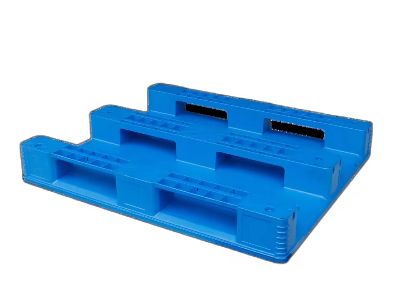
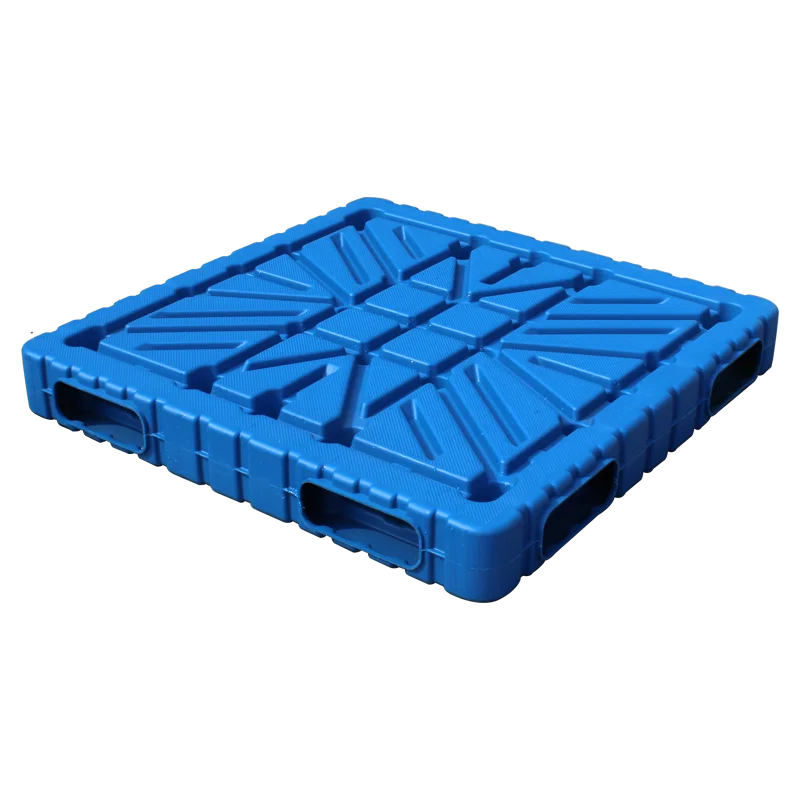
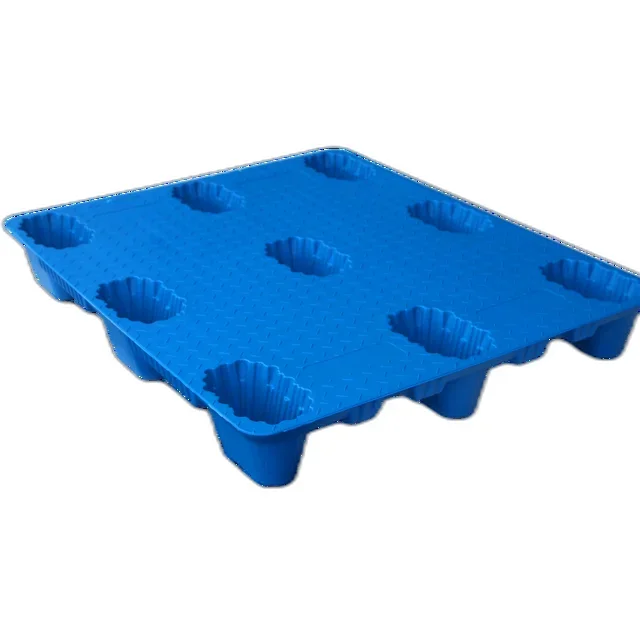
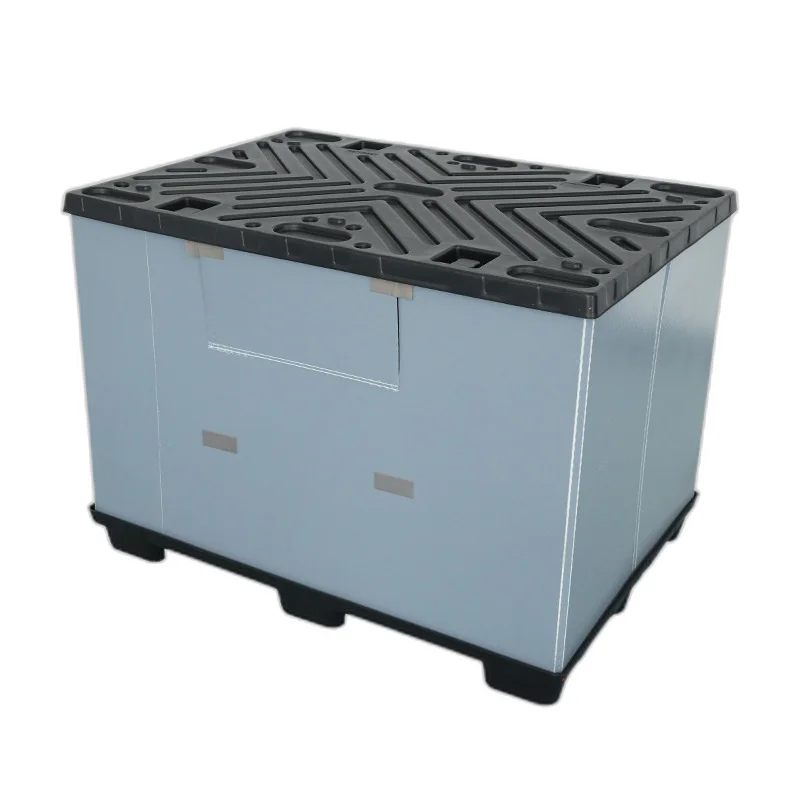
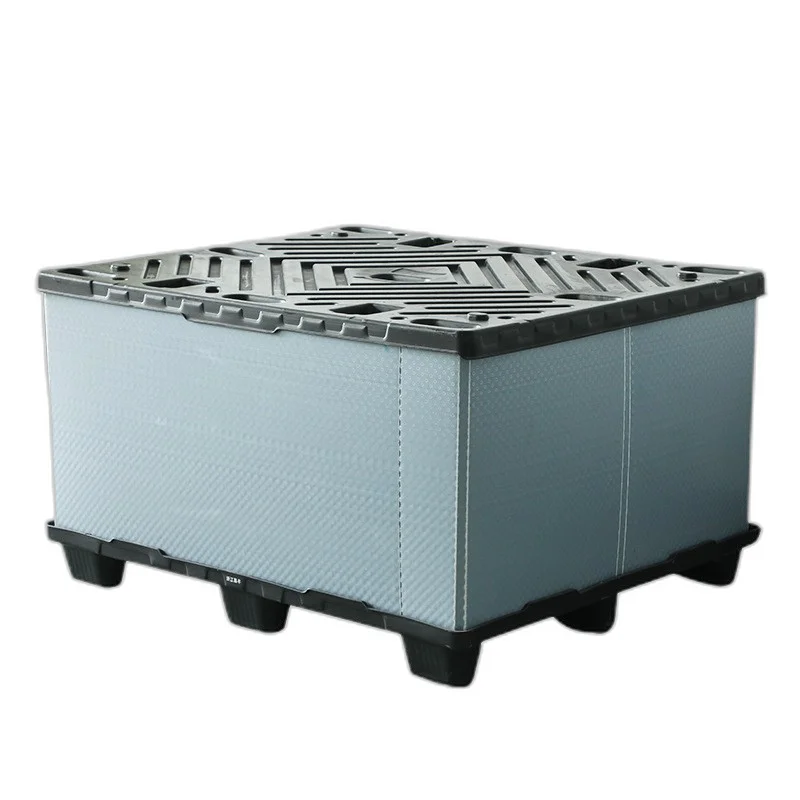
Industrial plastic pallets are essential tools in modern warehousing and logistics, designed to enhance efficiency in production and storage environments. With a significant focus on durability, load-bearing capacity, and material resilience, these pallets address key concerns for B2B buyers, such as cost- effectiveness, reliability, and adaptability to various applications. This article will guide you through the critical aspects of selecting the right industrial plastic pallet, ensuring that your purchasing decision enhances operational efficiency.
How to Choose the Right Industrial Plastic Pallet for Your Needs?
Selecting the appropriate industrial plastic pallet involves assessing several factors to ensure it meets your operational requirements. First, consider the specific application different industries have unique demands. For example, food-grade pallets require compliance with hygiene standards, while automotive applications may demand heightened durability and resistance to chemicals.
Next, evaluate the load capacity. Pallets come in various weight ratings, so understanding the typical loads they will carry is crucial. Determine if your operations require standard-sized pallets or custom dimensions, particularly if space is limited in your warehouse or if specialized handling equipment is used. Finally, assess the environmental conditions of use. Will the plastic pallet be exposed to wet or humid conditions, or do they need to withstand extreme temperatures? Understanding these factors will guide your material selection and ensure the pallets perform optimally in your specific environment.
Key Specifications to Consider for Quality Plastic Pallets
When evaluating plastic pallets, several key specifications are critical to ensuring quality and performance.
Material Composition: High-density polyethylene (HDPE) is common due to its strength and resistance to moisture and chemicals. It’s essential to confirm whether the pallets are made from virgin or recycled materials, as this can affect durability and compliance with industry standards.
Dimensions: Standard dimensions like 48x40 inches are popular, but custom sizes may be necessary for specialized applications. Ensure that the pallet dimensions fit your storage and transportation systems.
Weight Capacity: Understand both static and dynamic load capacities. Static load refers to the weight a pallet can support when stationary, while dynamic load refers to the weight during handling and movement. This is crucial for preventing pallet failure during use.
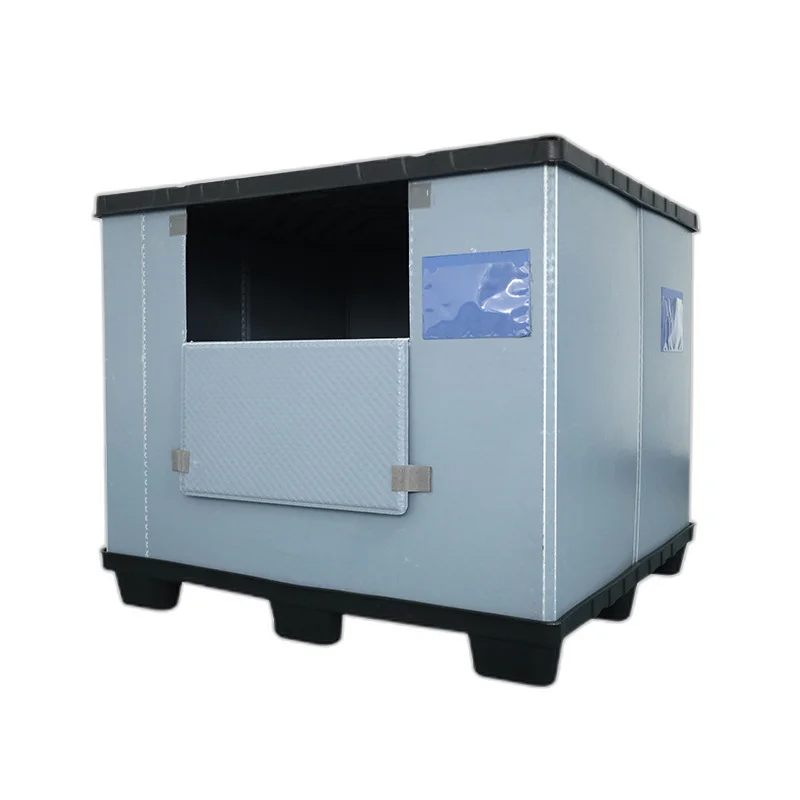
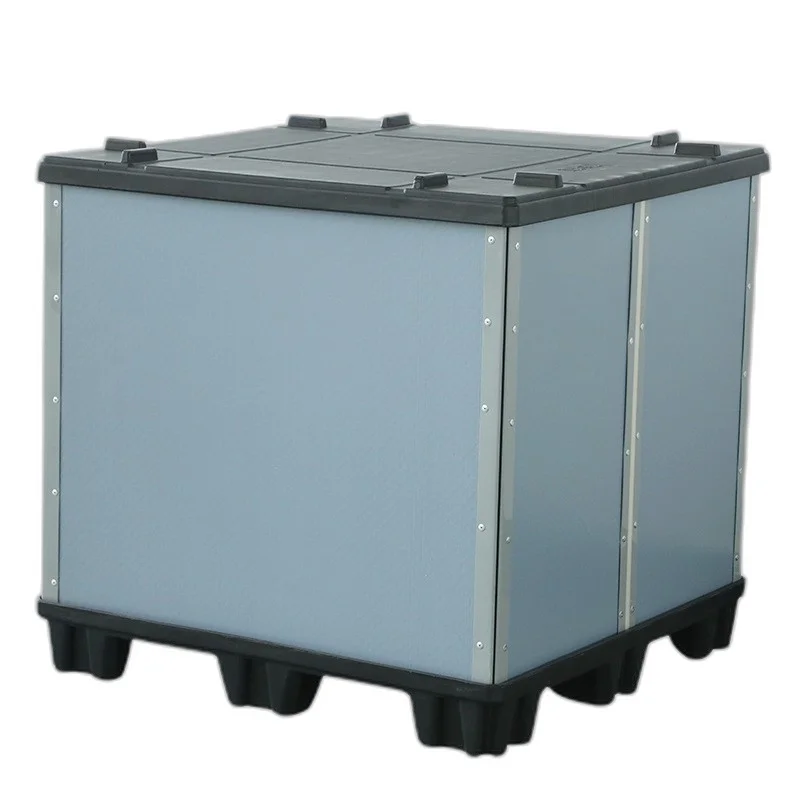
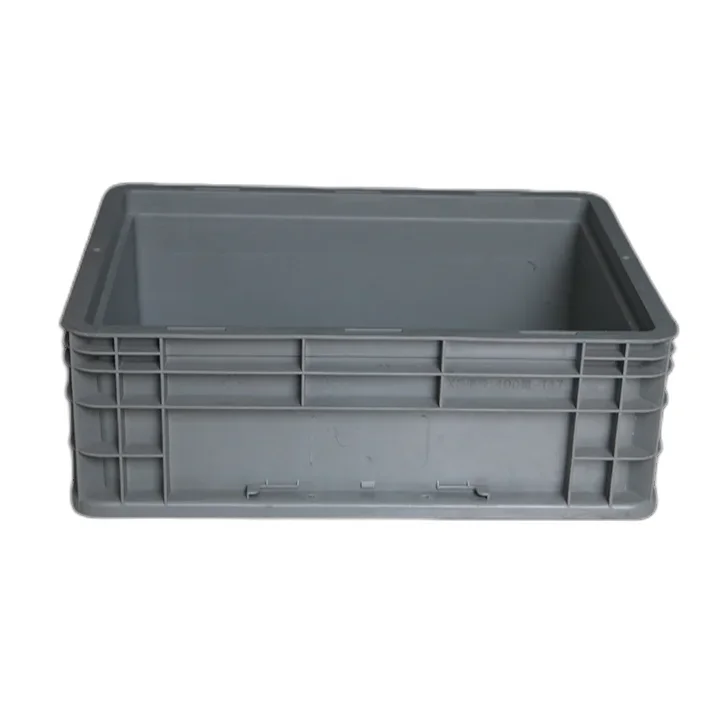
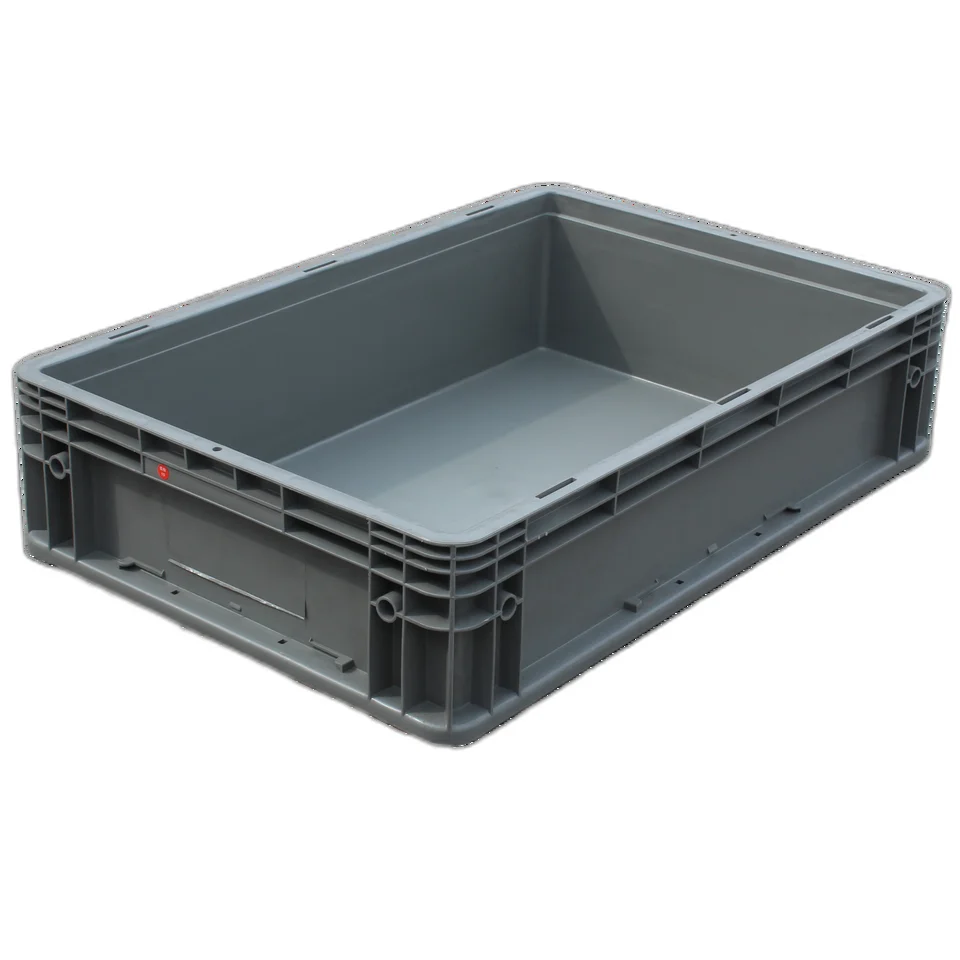
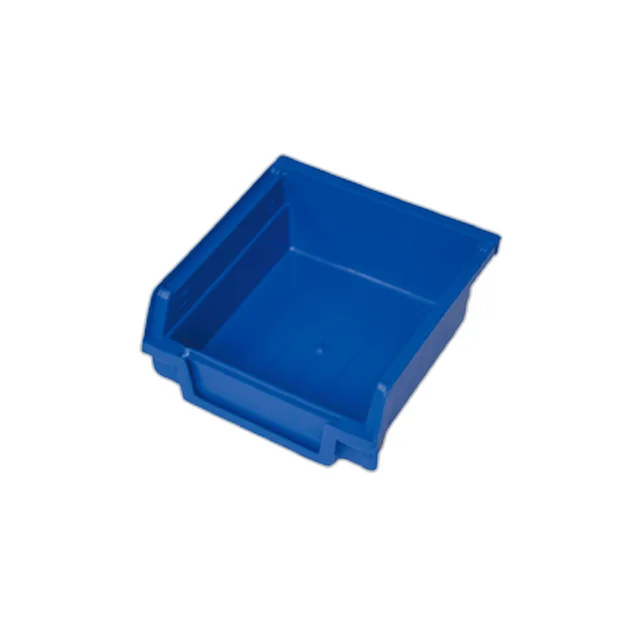
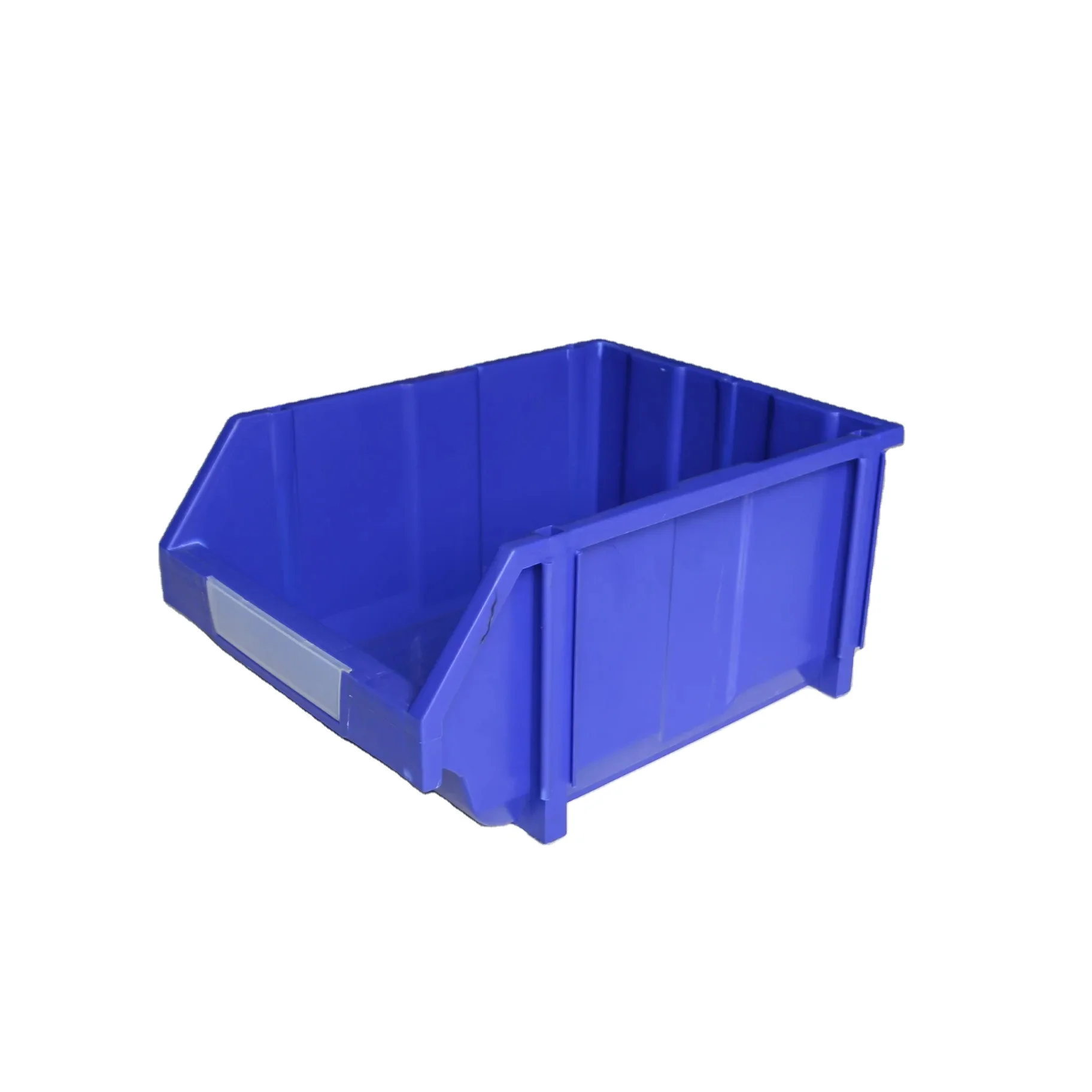
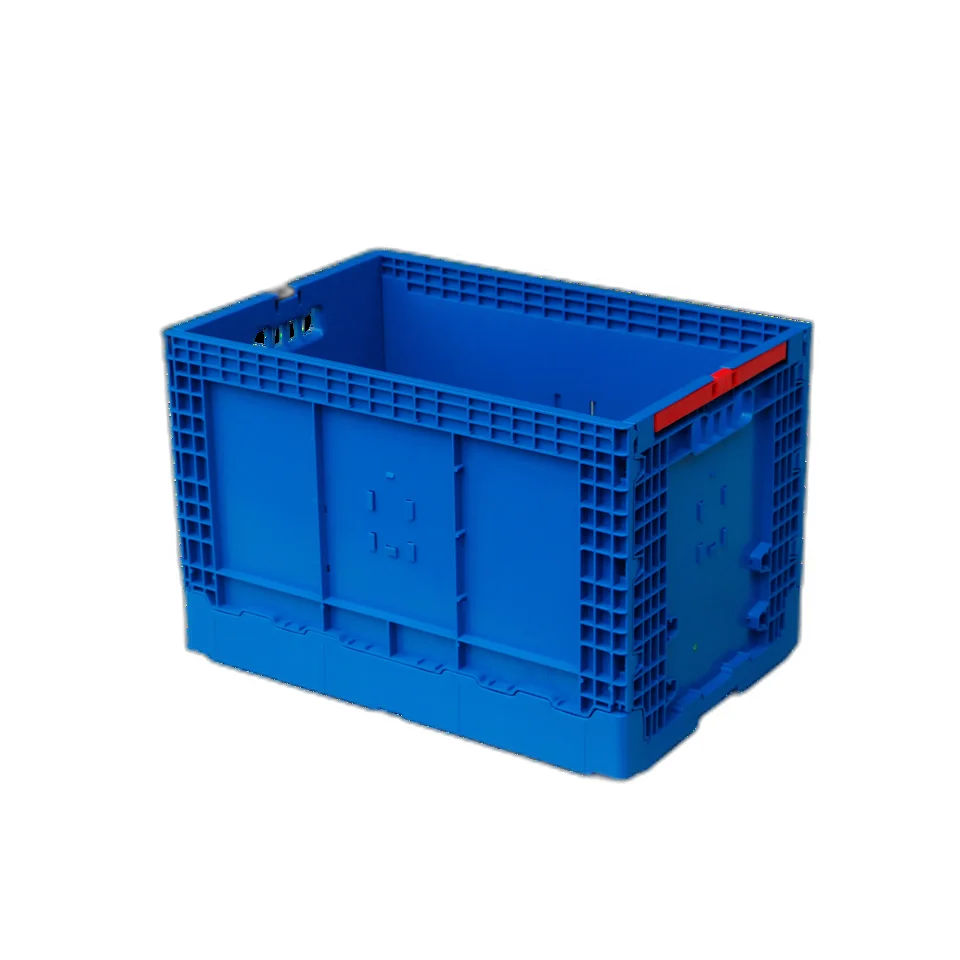
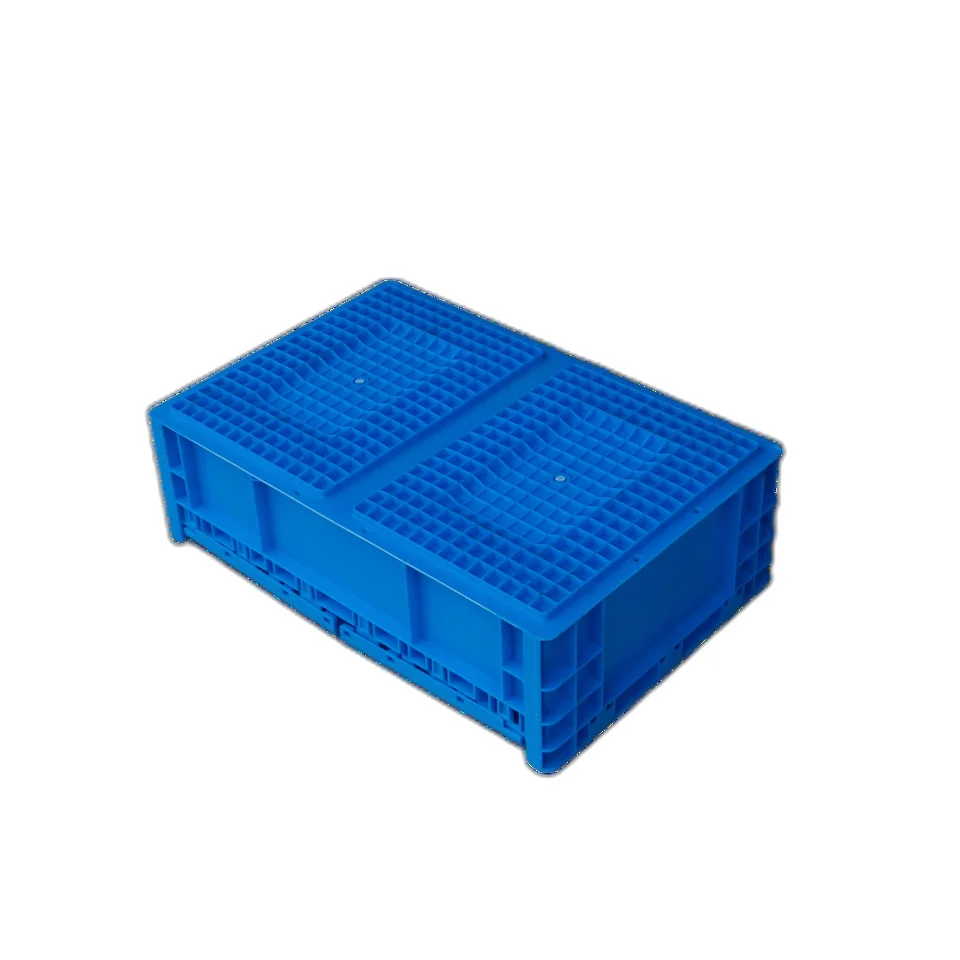
Design Features: Consider plastic pallet box with reinforced corners or additional ribbing for enhanced strength. Additionally, features like anti-slip surfaces can improve safety during transport.
Compliance and Certifications: Check for compliance with industry standards, such as FDA regulations for food safety or specific certifications related to environmental impact.
Evaluating the Cost Factors of Bulk Orders for Plastic Pallets
Cost evaluation for bulk orders of plastic pallets extends beyond the unit price. While lower costs per unit can be appealing, several factors can affect total expenses:
Order Volume: Larger orders often come with bulk discounts. However, it's essential to assess whether your inventory management can handle the volume without risking overstock.
Customization Costs: Custom pallets may involve additional design and production expenses. Clearly articulate your requirements to the manufacturer to get an accurate quote.
Shipping and Handling: Transportation costs can vary significantly based on pallet weight and volume. Evaluate potential shipping methods to identify the most cost-effective option.
Quality Assurance: Investing in higher-quality pallets may reduce long-term costs by minimizing replacements and maintenance. Consider the total cost of ownership rather than just the initial purchase price.
Lead Times: Be aware that longer lead times can impact your supply chain, potentially resulting in additional costs. Discuss production schedules with your supplier to align with your operational needs.
Common Problems with Plastic Pallets and Their Effective Solutions
Despite their advantages, plastic pallets can encounter several common issues. Being aware of these challenges can help you mitigate potential disruptions:
Cracking or Breaking: Overloading pallets beyond their rated capacity can lead to structural failures. Ensure that your staff is trained on load limits and conducts regular inspections.
Slipping During Transport: Pallets made from smooth plastics can slip during handling. Consider options with anti-slip surfaces or additional features to enhance grip.
Environmental Concerns: Exposure to UV light can degrade some plastics over time. If pallets will be used outdoors, select UV-resistant materials to prolong their lifespan.
Cleaning and Hygiene: In industries such as food and pharmaceuticals, maintaining hygiene is critical. Choose pallets with smooth, non-porous surfaces that are easy to clean and sanitize.
Compatibility with Equipment: Ensure compatibility with forklifts and other handling equipment. plastic pallets small should have the right entry points for easy handling without damaging the pallet or equipment.
Understanding the Material Advantages of Plastic Pallets
The material used in industrial plastic pallets offers several advantages that contribute to their growing popularity in various sectors:
Durability: Plastic pallets resist moisture, chemicals, and corrosion, making them suitable for diverse applications, including pharmaceuticals, food, and automotive industries.
Lightweight: Compared to wood or metal pallets, plastic pallets are lighter, reducing shipping costs and making them easier to handle.
Customizability: Plastic pallets can be easily molded into various shapes and sizes, allowing for tailored solutions that meet specific application needs.
Recyclability: Many plastic pallets are made from recyclable materials, aligning with sustainability goals and reducing environmental impact.
Hygiene: The non-porous surface of plastic pallets prevents the absorption of liquids and contaminants, making them easier to clean and ensuring compliance with health and safety regulations.
understanding the specifications, costs, and material advantages of industrial plastic pallets is crucial for making informed purchasing decisions that enhance operational efficiency in your production and warehousing activities. With 30 years of expertise in manufacturing plastic products, Jiangsu Nexara is well-positioned to provide customized solutions that meet your specific requirements.
Table of Contents
- How to Choose the Right Industrial Plastic Pallet for Your Needs?
- Key Specifications to Consider for Quality Plastic Pallets
- Evaluating the Cost Factors of Bulk Orders for Plastic Pallets
- Common Problems with Plastic Pallets and Their Effective Solutions
- Understanding the Material Advantages of Plastic Pallets