 EN
EN
 AR
AR
 BG
BG
 HR
HR
 CS
CS
 DA
DA
 NL
NL
 FI
FI
 FR
FR
 DE
DE
 EL
EL
 HI
HI
 IT
IT
 JA
JA
 KO
KO
 NO
NO
 PL
PL
 PT
PT
 RO
RO
 RU
RU
 ES
ES
 SV
SV
 CA
CA
 TL
TL
 IW
IW
 ID
ID
 UK
UK
 VI
VI
 SQ
SQ
 ET
ET
 GL
GL
 HU
HU
 TH
TH
 TR
TR
 FA
FA
 AF
AF
 GA
GA
 CY
CY
 BE
BE
 BN
BN



/images/share.png)
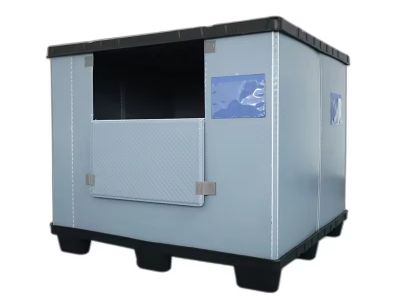
Understanding the price of plastic pallets is essential for businesses involved in warehousing and logistics, especially when making bulk industrial purchases. Several factors influence plastic pallet pricing, including material quality, manufacturing processes, and customization options. This article will delve into the critical elements that affect plastic pallet prices, helping purchasing managers and other B2B buyers make informed decisions and optimize their procurement strategies.
What You Need to Know?
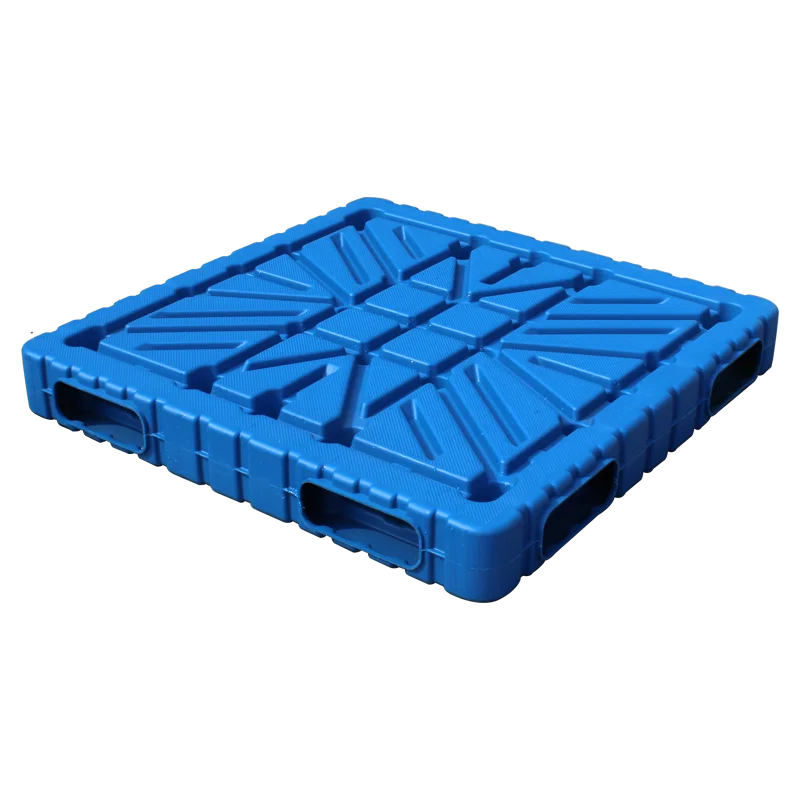
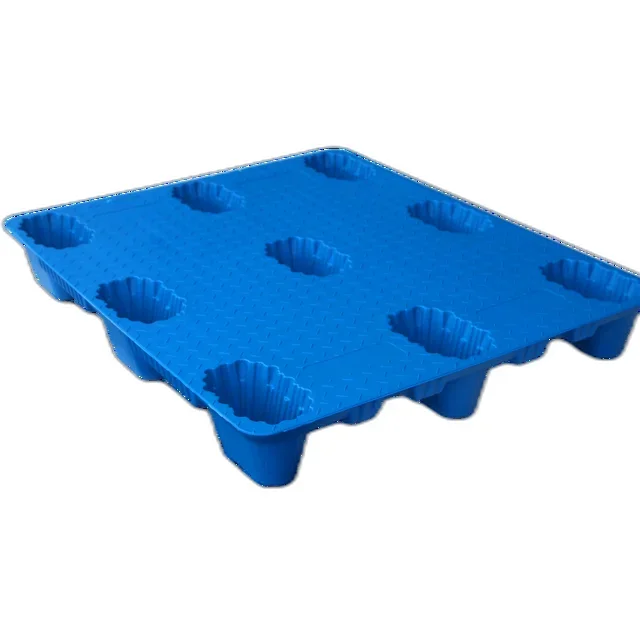
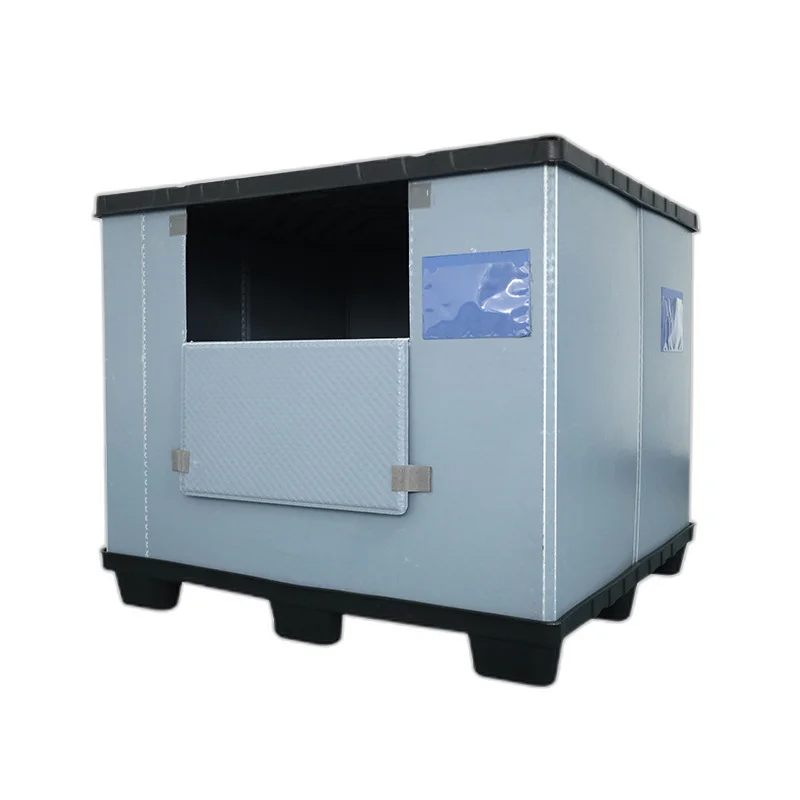
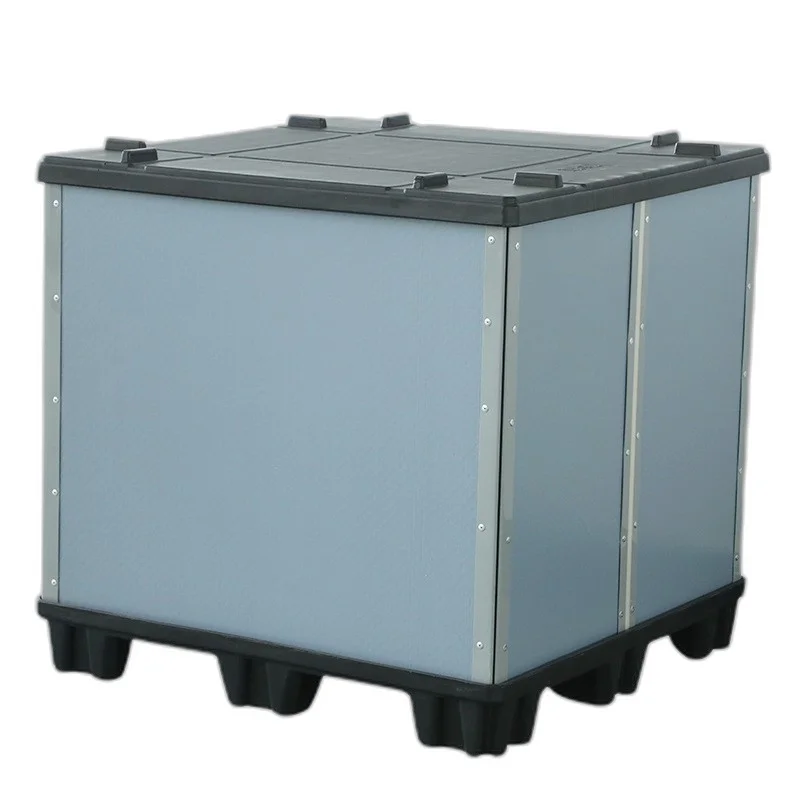
Plastic pallets are lightweight, durable alternatives to wooden pallets, frequently used in various industries for storage, transportation, and logistics. The price of plastic pallets can vary significantly based on several factors, including the type of plastic used, design specifications, and production methods. For buyers, understanding these elements is crucial for budgeting and ensuring the selected pallets meet operational needs.
When evaluating plastic pallet prices, buyers should consider their specific requirements, such as load capacity, environmental conditions, and regulatory requirements. This understanding will enable them to assess quotes and engage in meaningful discussions with suppliers.
Essential Specifications for Quality Plastic Pallets in Wholesale
When purchasing plastic pallets in bulk, several specifications should be prioritized to ensure quality and suitability for intended applications:
Material Composition: Common materials include high-density polyethylene (HDPE) and polypropylene (PP). HDPE is known for its high strength and resistance to moisture and chemicals, making it ideal for various applications. Buyers should verify material certifications to ensure compliance with industry standards.
Load Capacity: This specification dictates how much weight a pallet can safely support. Typical load capacities range from 1,000 to 3,000 pounds, depending on design and material. Buyers should assess their operational needs and select pallets that can handle the maximum expected load.
Dimensions: Standard sizes include 48x40 inches, but custom sizes may be necessary depending on storage and transport requirements. When ordering, confirm the dimensions to ensure compatibility with racking systems and transportation vehicles.
Design Features: Pallet designs can include solid or vented surfaces, which affect airflow and moisture management. Buyers should consider the intended application vented pallets may be more suitable for perishable goods.
Durability and Lifespan: Quality plastic industrial pallet racks can last anywhere from 5 to 10 years or more, depending on usage and environmental factors. Buyers should inquire about the expected lifespan and any warranties offered.
Understanding these specifications allows buyers to evaluate options effectively and ensure they are purchasing pallets that meet both operational and budgetary requirements.
Common Problems with Plastic Pallets and Their Solutions
While plastic pallets offer numerous advantages, buyers should be aware of potential issues:
Surface Damage: Plastic pallets can be susceptible to surface scratches and dents, which may affect their usability. To mitigate this, buyers should inspect pallets upon delivery and consider using protective coverings during transport.
Environmental Sensitivity: Some plastics can degrade if exposed to extreme temperatures or UV light. Buyers should ensure pallets are suitable for their specific environmental conditions, such as outdoor storage or high-heat environments.
Weight Limitations: If the maximum load capacity is exceeded, this can lead to structural failure. Buyers must ensure that their operational practices do not exceed the recommended limits and consider employing additional support if necessary.
Compatibility with Equipment: Not all plastic for pallets are compatible with all forklifts or automated systems. Buyers should verify compatibility with existing equipment to avoid operational disruptions.
By recognizing these common challenges and their solutions, buyers can proactively address issues that may arise during the lifecycle of the pallets.
Best Practices for Buyers
To ensure a successful purchasing process for plastic pallets, consider the following best practices:
Request Samples: Before placing a bulk order, request samples to evaluate performance under actual operating conditions. This helps confirm the suitability of the pallets for specific applications.
Engage in Supplier Discussions: Communicate clearly with suppliers about your specific needs, including load capacity, dimensions, and material requirements. This dialogue can lead to more accurate quotes and customized solutions.
Evaluate Total Cost of Ownership: Consider not just the initial purchase price but also factors like durability, maintenance, and potential replacement costs. A lower upfront cost may lead to higher long-term expenses if the pallets require frequent replacement.
Confirm Quality Assurance Processes: Inquire about the manufacturer's quality control processes. A reputable supplier should have stringent measures in place to ensure that all pallets meet industry and safety standards.
Understand Minimum Order Quantities (MOQ): Be aware of the supplier's MOQ, as this can significantly impact overall costs. If possible, negotiate terms to suit your purchasing needs.
Implementing these best practices can streamline the procurement process and lead to better purchasing decisions.
Application Scenarios for Plastic Pallets in Various Industries
Plastic pallets are versatile and used across multiple industries. Here are some common application scenarios:
Food and Beverage: Due to their resistance to moisture and ease of cleaning, plastic pallets are ideal for the food industry. They meet hygiene standards, making them suitable for transporting perishable goods.
Pharmaceuticals: In the medical field, plastic pallets are used to transport sensitive products. Their durability and resistance to chemicals make them a reliable choice for pharmaceutical applications.
Automotive: Automotive parts often require robust handling solutions. Plastic pallets can support heavy components while maintaining structural integrity, making them suitable for this industry.
Retail: In retail environments, plastic pallets facilitate efficient stocking and inventory management. Their lightweight nature allows for easy handling, reducing labor costs.
E-commerce: With the rise of online shopping, plastic pallets are increasingly used in warehousing for their longevity and space-saving designs. They help streamline logistics and improve supply chain efficiency.
Understanding these application scenarios can help buyers select the most appropriate pallets for their specific industry needs, ensuring optimal performance and compliance with relevant standards. By considering the factors outlined, B2B buyers can navigate the complexities of purchasing plastic pallets, ensuring they make informed decisions that align with their operational needs and budgetary constraints.