 EN
 AR
 BG
 HR
 CS
 DA
 NL
 FI
 FR
 DE
 EL
 HI
 IT
 JA
 KO
 NO
 PL
 PT
 RO
 RU
 ES
 SV
 CA
 TL
 IW
 ID
 UK
 VI
 SQ
 ET
 GL
 HU
 TH
 TR
 FA
 AF
 GA
 CY
 BE
 BN

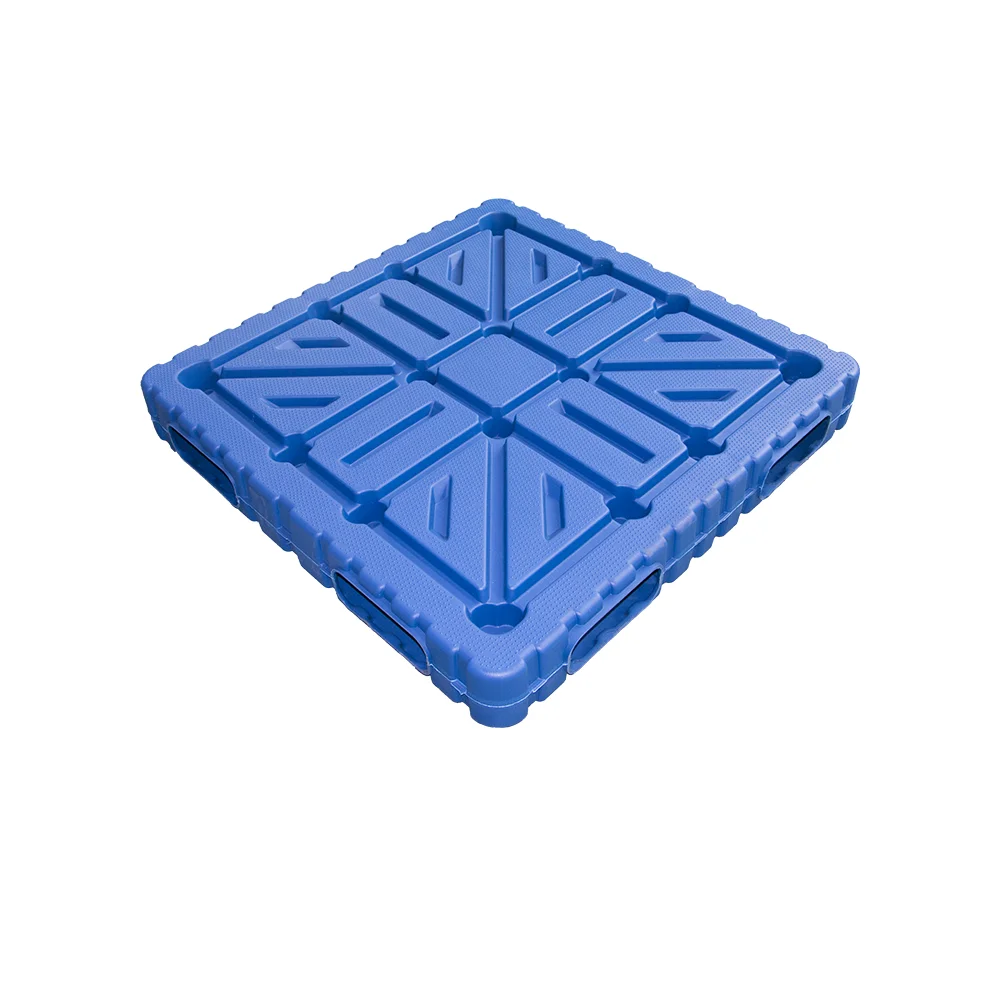
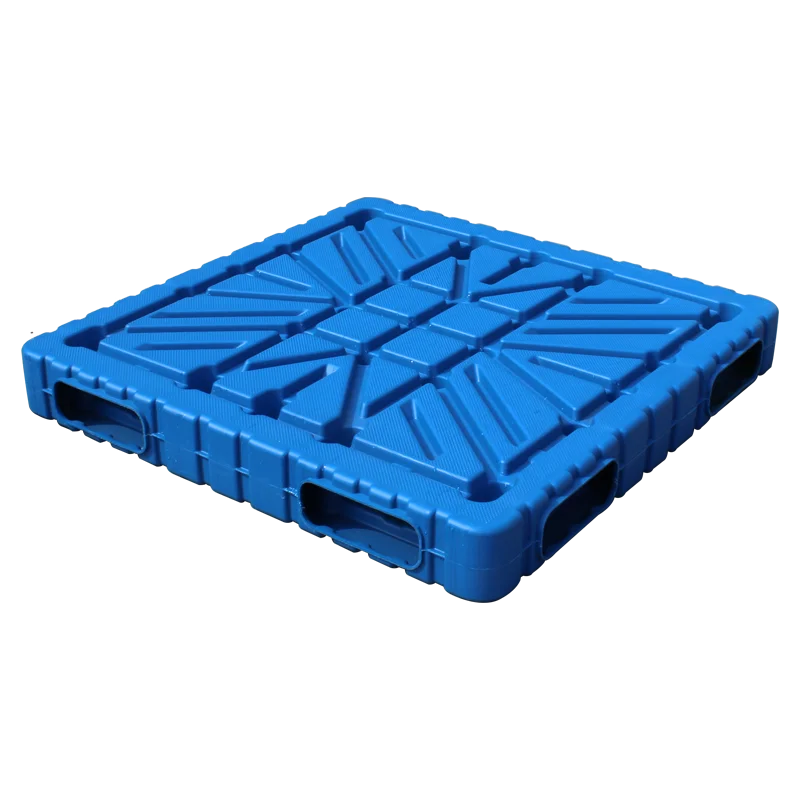
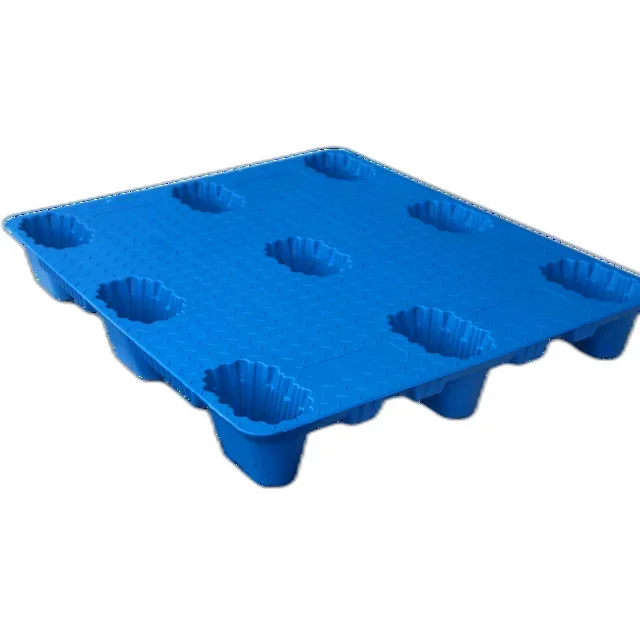
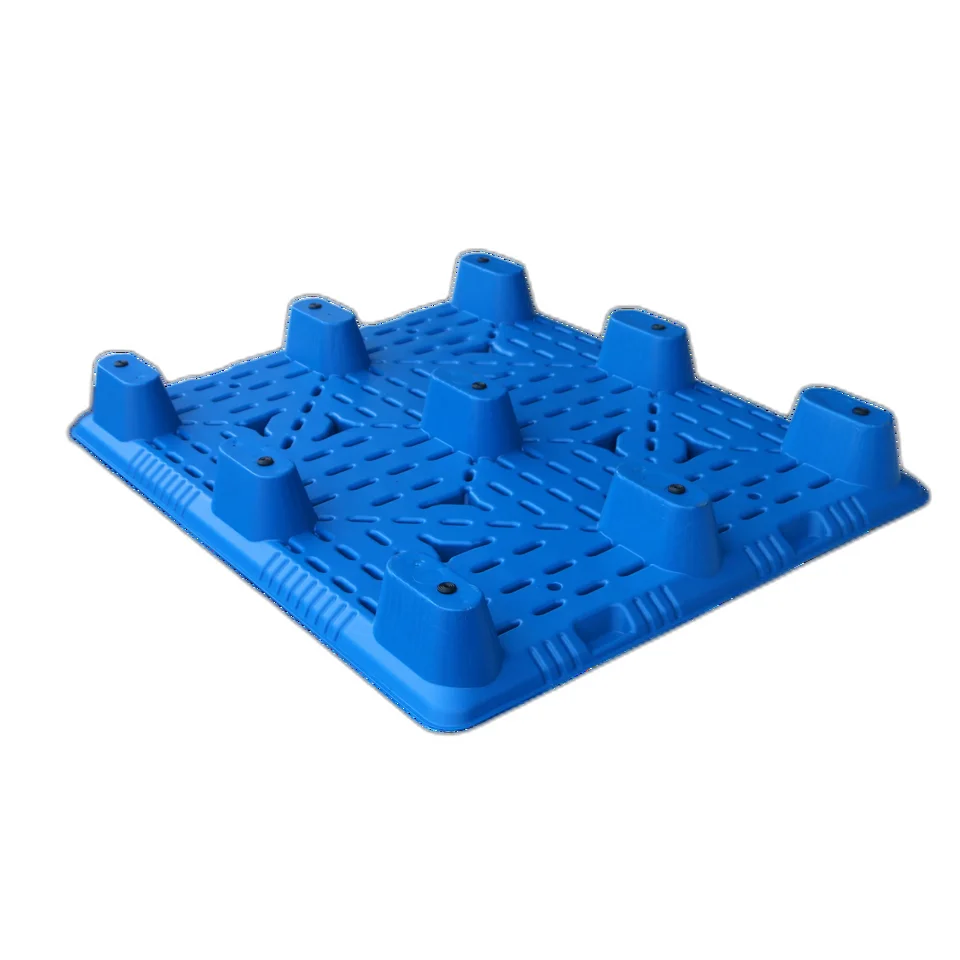
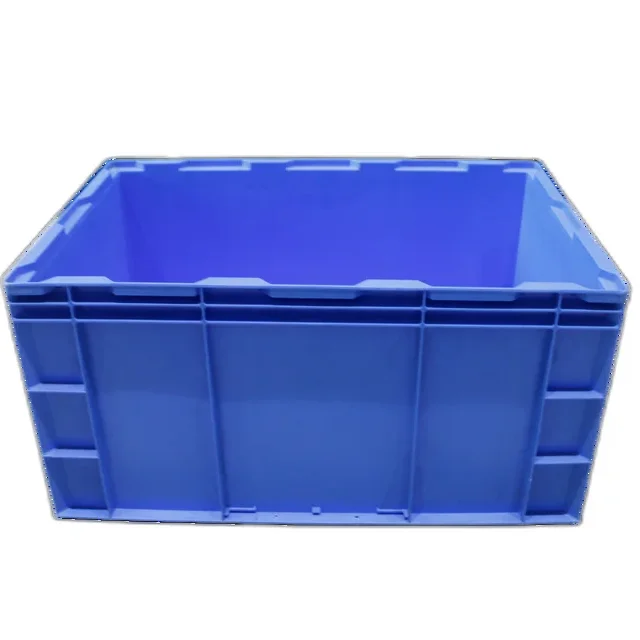
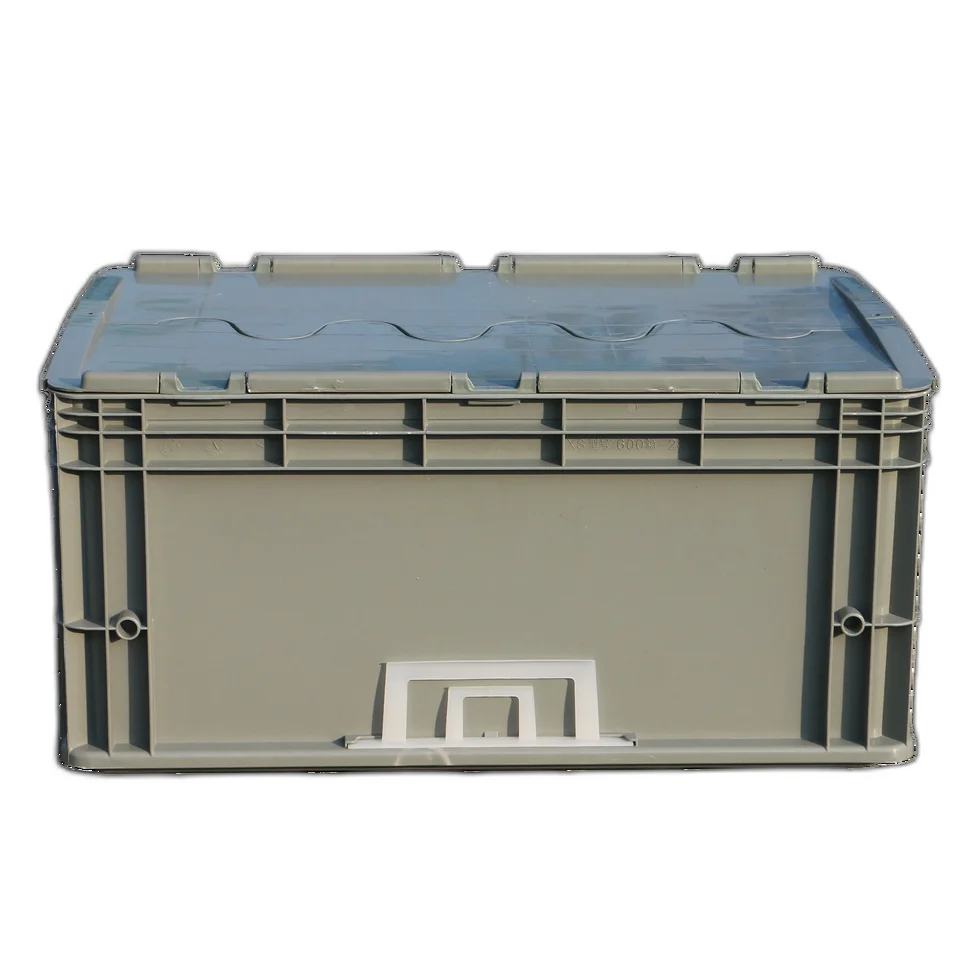
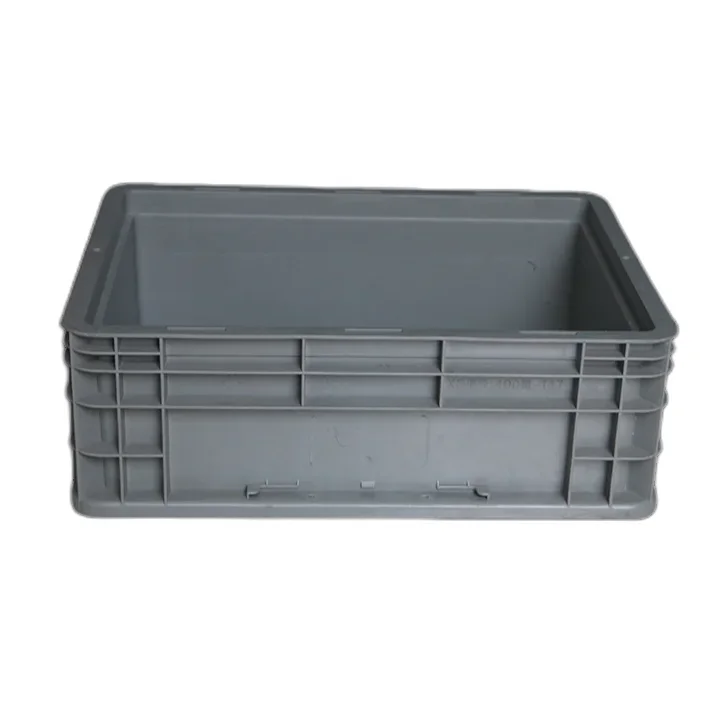
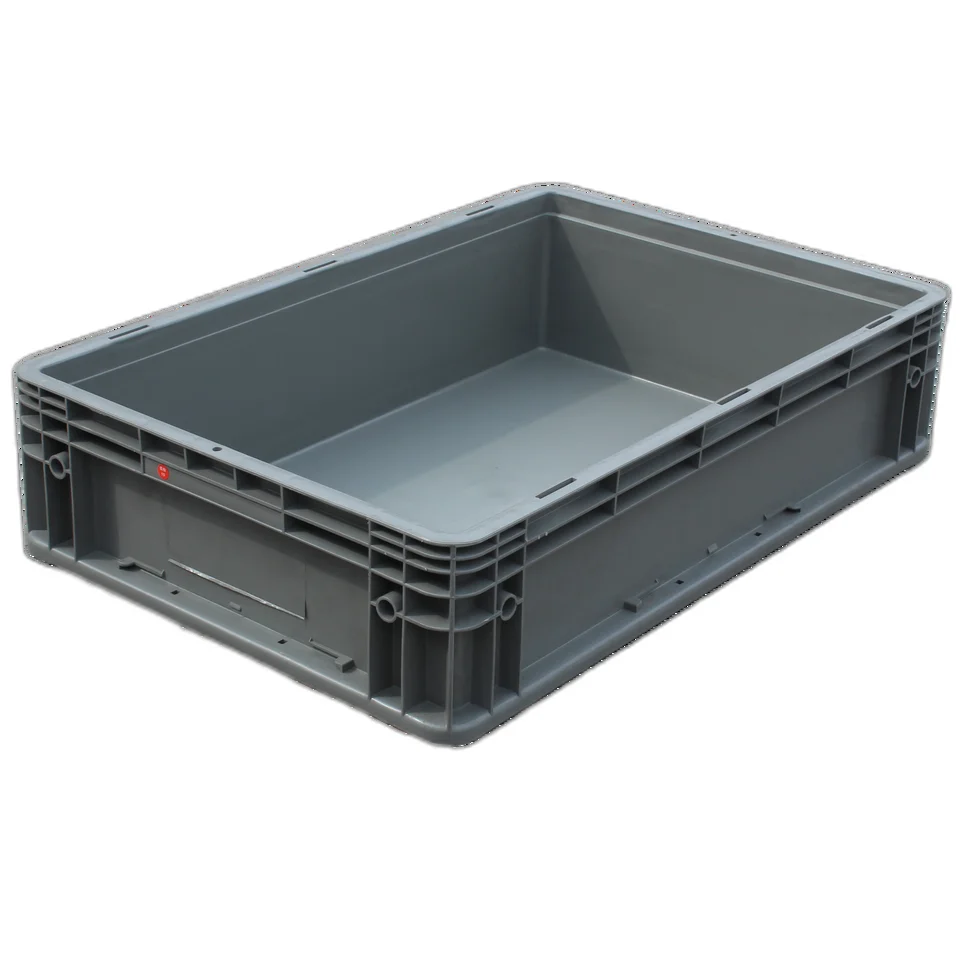
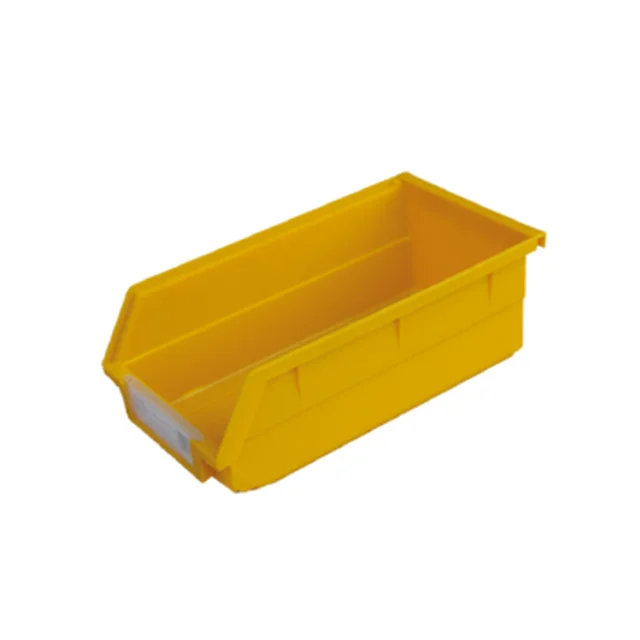
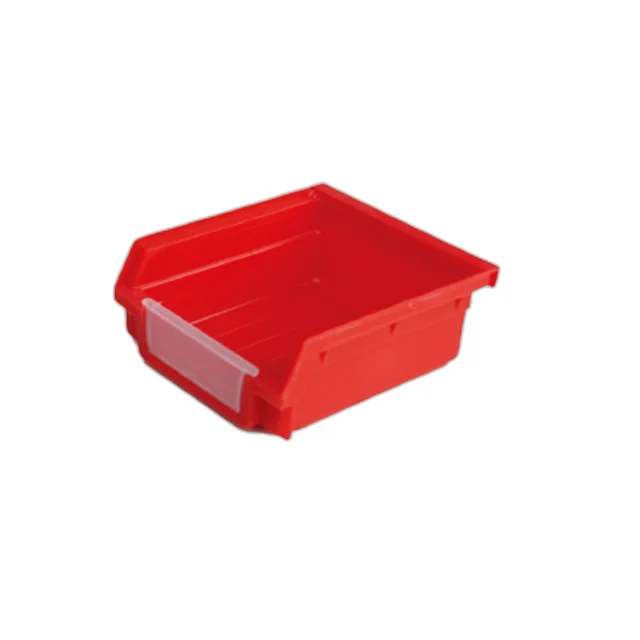
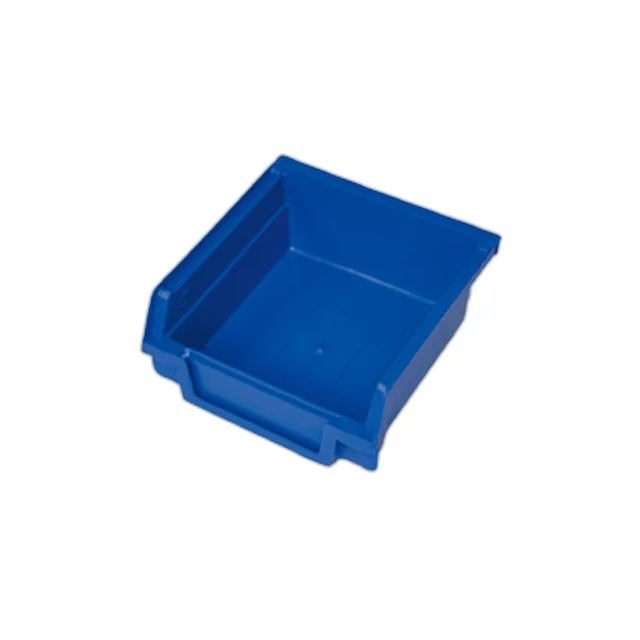
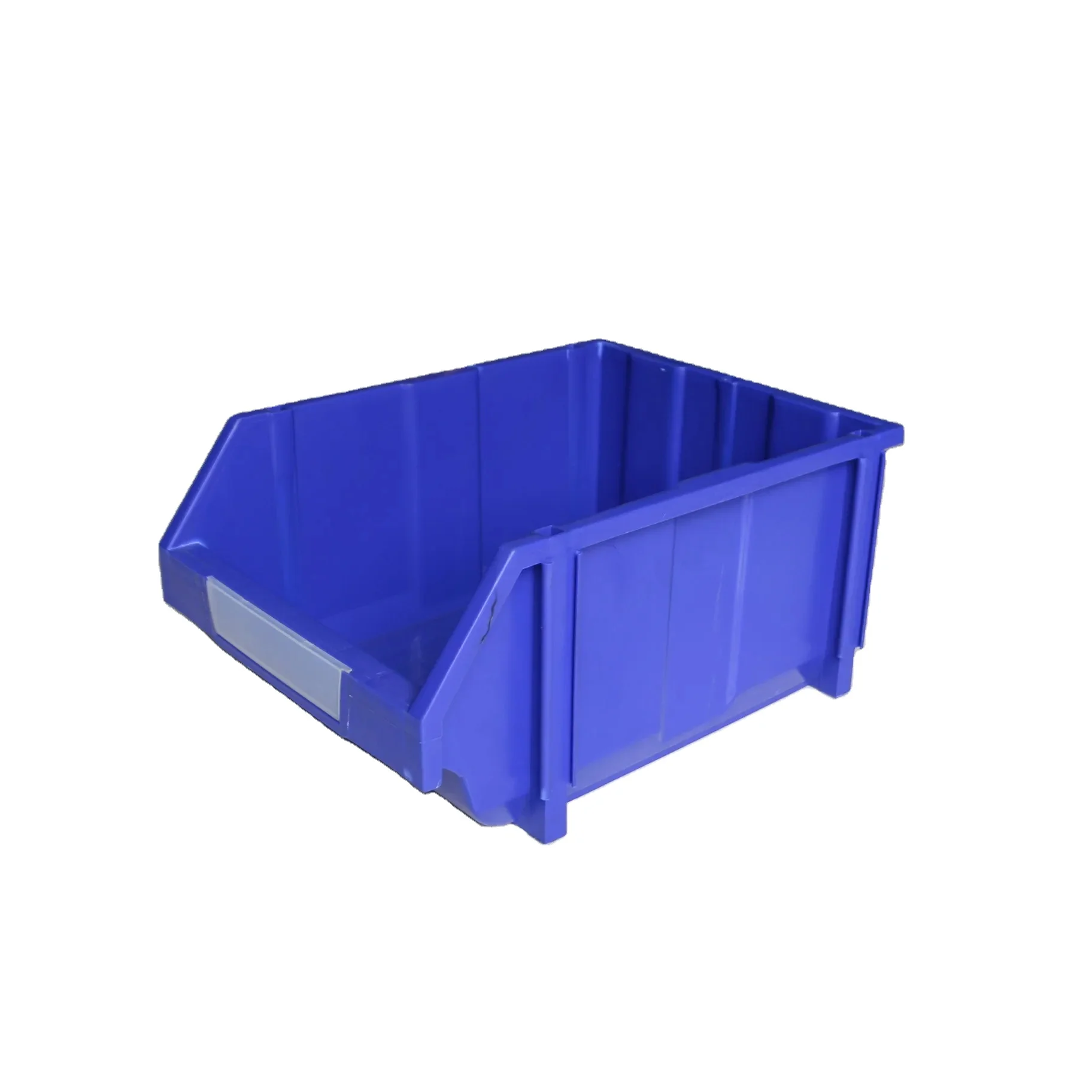
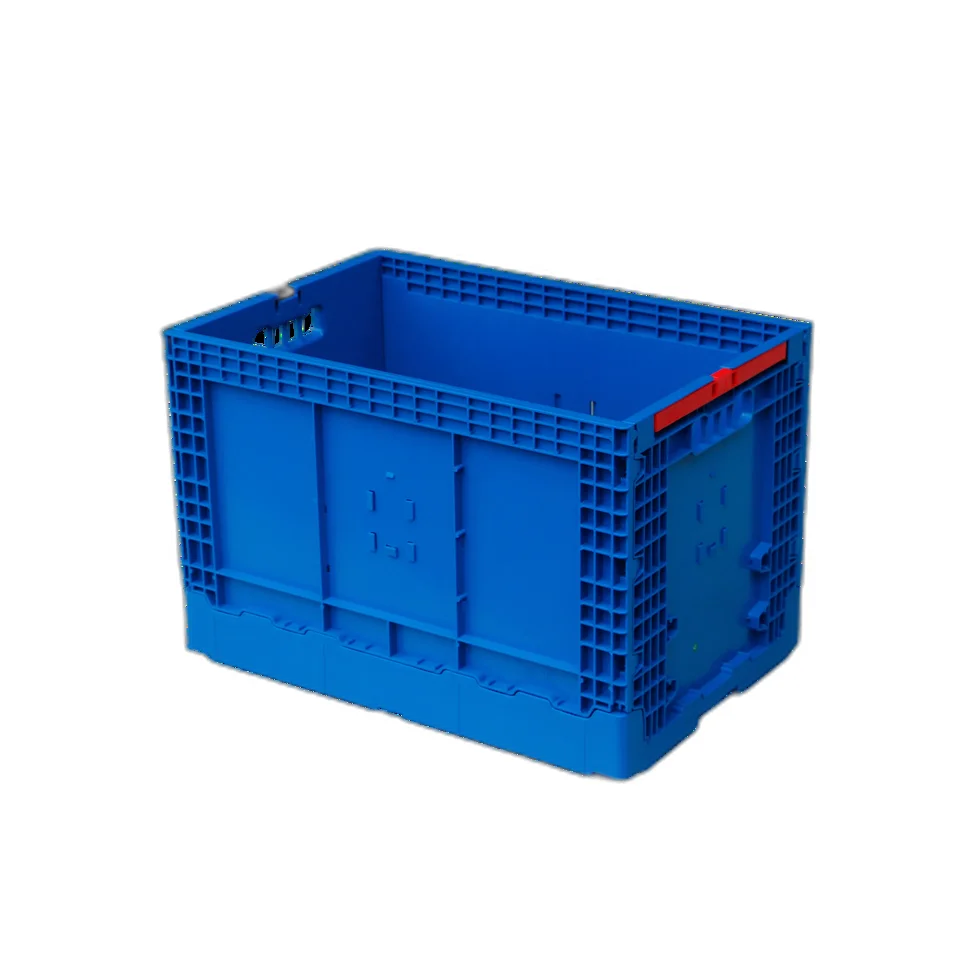
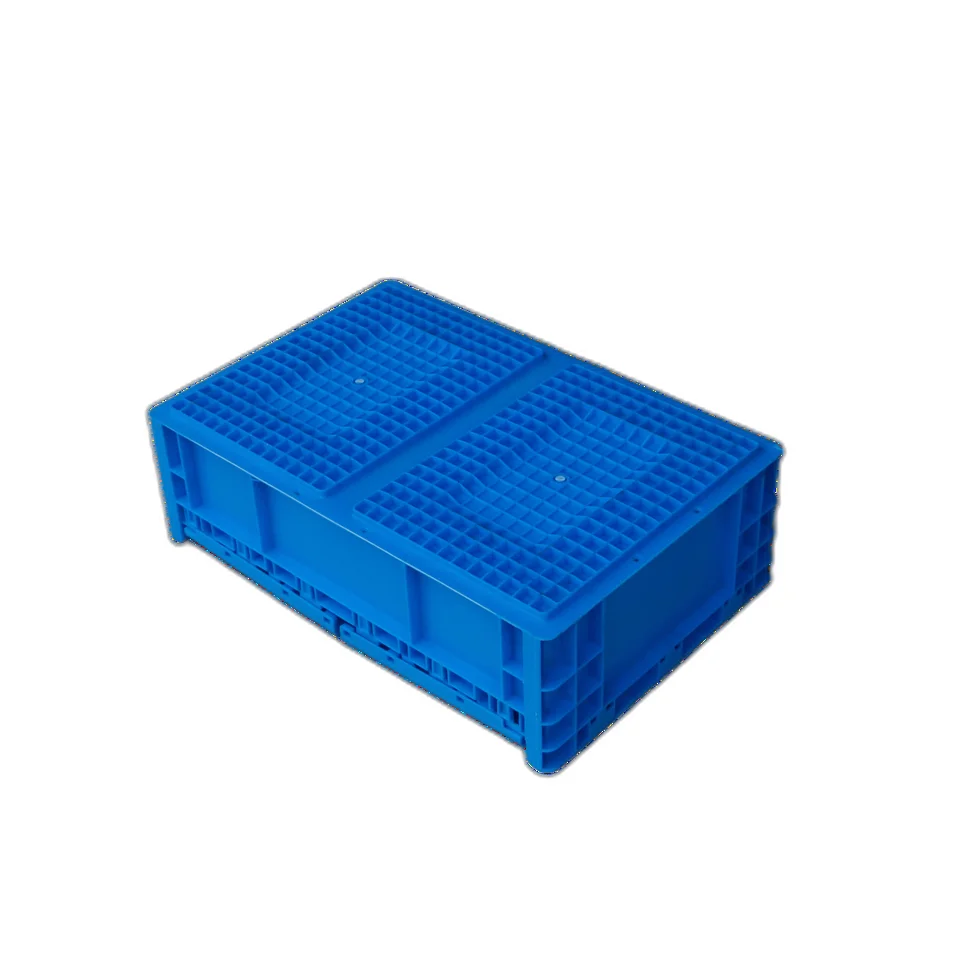
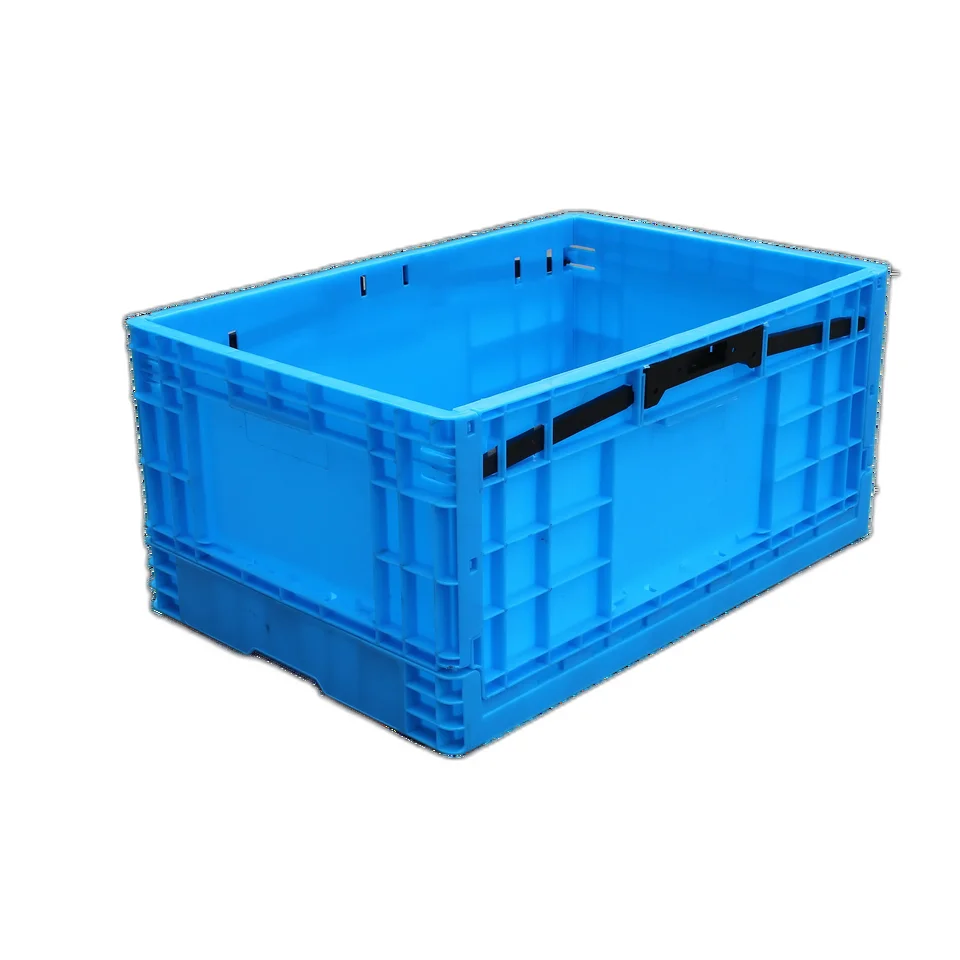
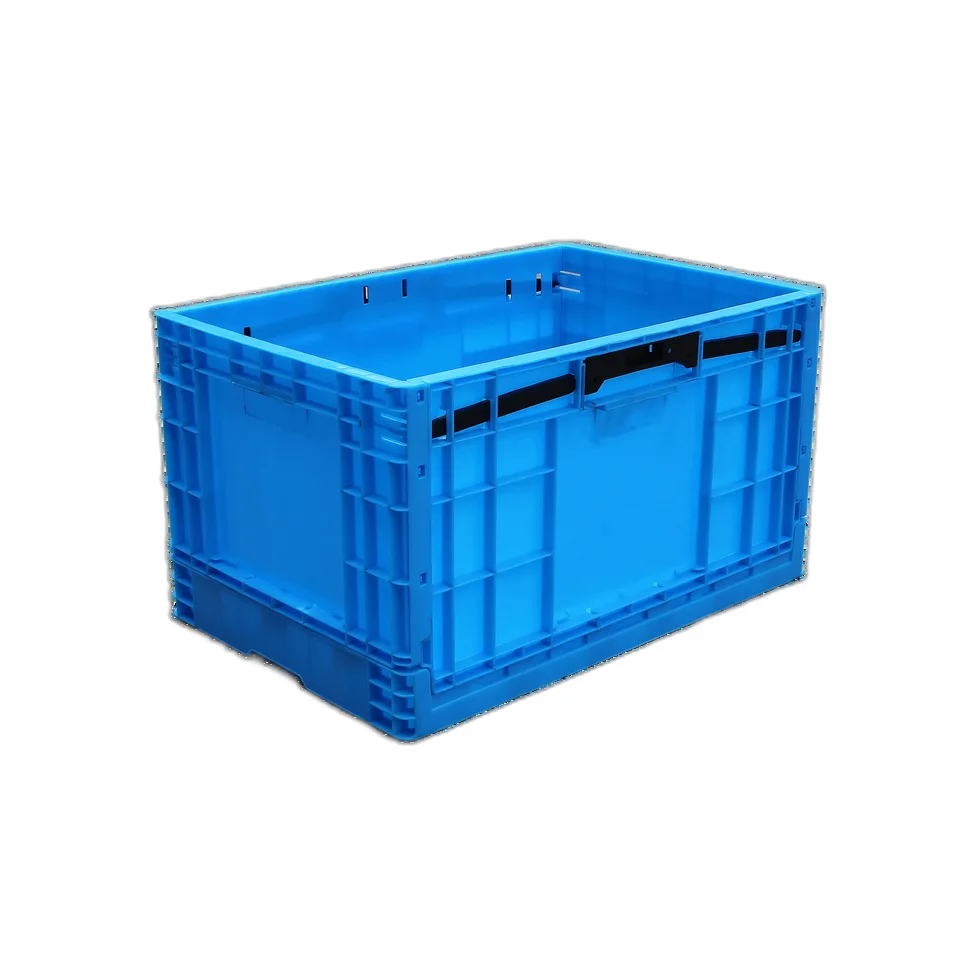

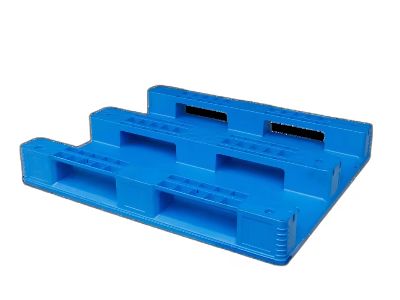
Understanding the dimensions of standard plastic pallets for international container loading is crucial for optimizing logistics and ensuring compliance with shipping regulations. This article will address the primary concerns of B2B buyers, such as weight capacity, compatibility with container sizes, and material quality. By delving into standard plastic pallet dimensions, selecting the right pallets, evaluating their quality, and understanding cost factors, purchasing managers, distributors, and engineers will gain valuable insights to make informed decisions for their operations.
Understanding Standard Plastic Pallet Dimensions for Container Loading
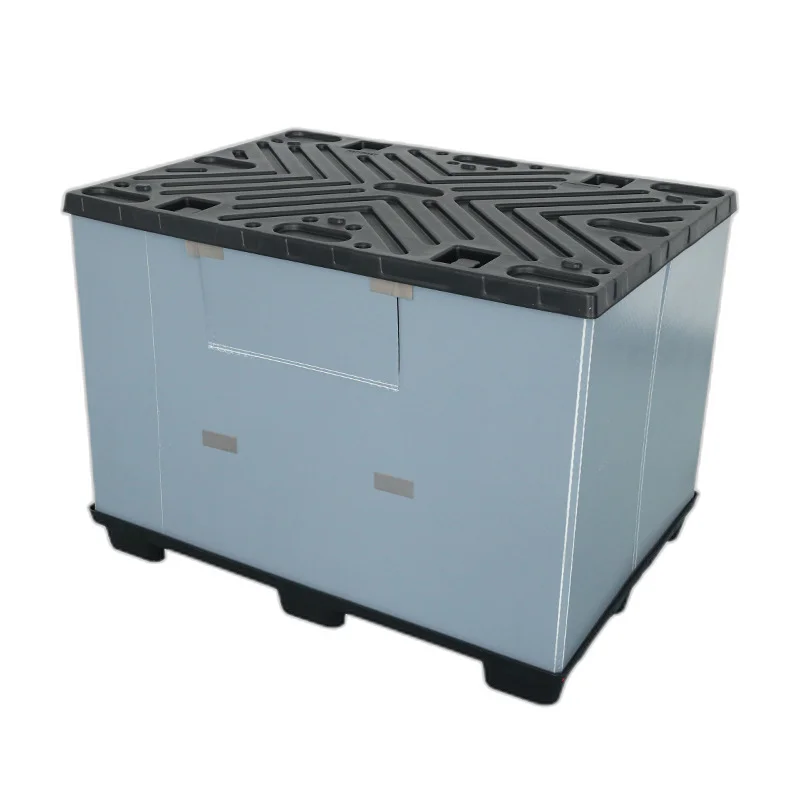
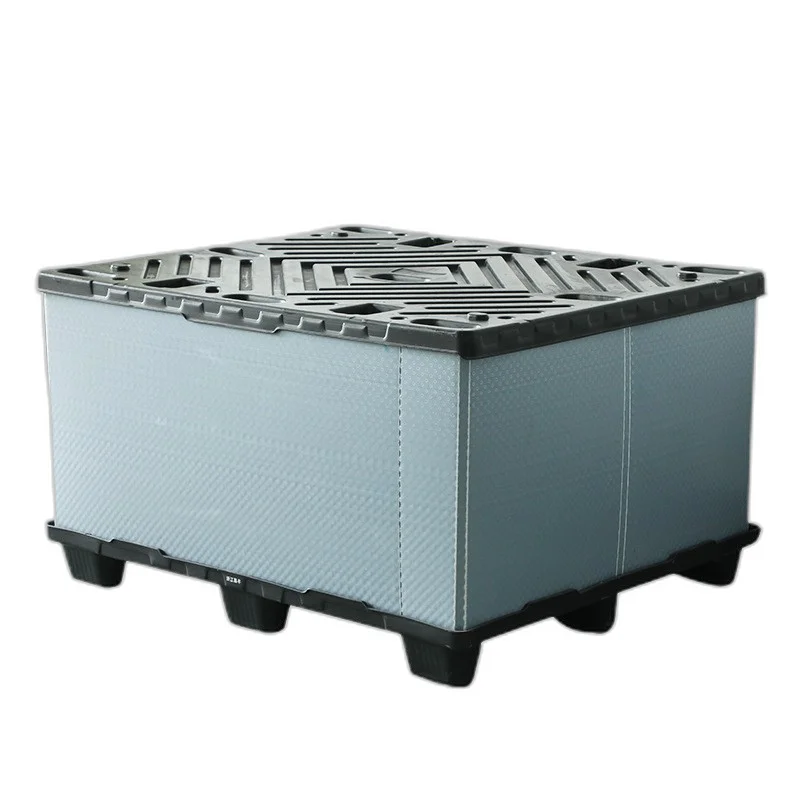
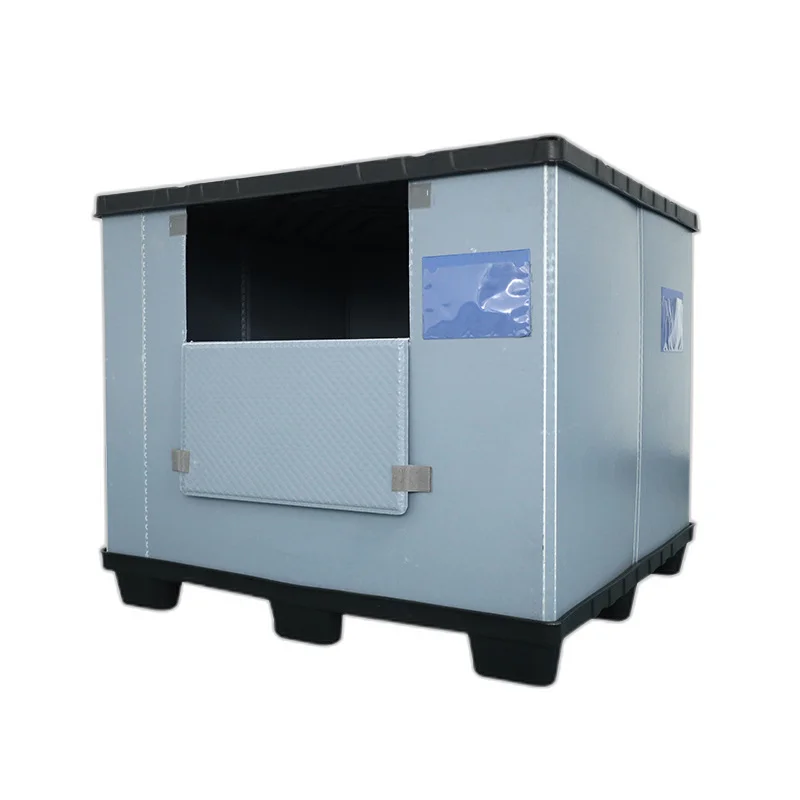
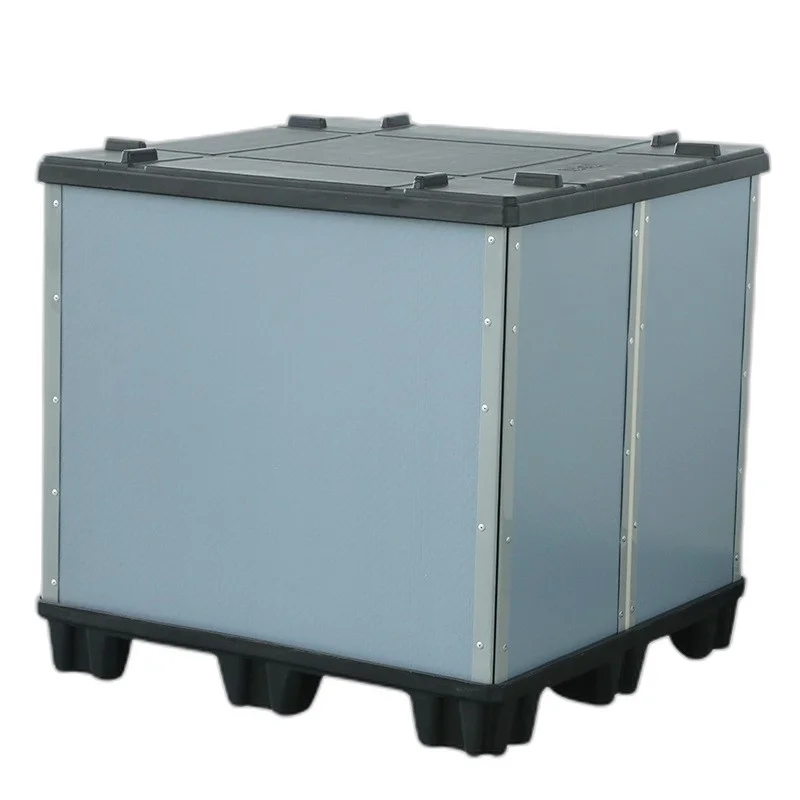
Standard plastic pallet dimensions are essential for efficient container loading and maximizing shipping space. The most common dimensions for plastic pallets used in international shipping are 1200mm x 1000mm (48" x 40") and 1200mm x 800mm (48" x 32"), aligning with ISO standards. These sizes facilitate seamless integration with standard freight containers, such as 20-foot and 40-foot containers, which are designed to accommodate specific pallet configurations.
When evaluating pallet dimensions, it is vital to consider the load capacity and stack ability. Standard pallets typically support loads ranging from 1,000 to 2,500 kg, depending on their design and material composition. For example, a heavier-duty folding plastic pallet box made from high-density polyethylene (HDPE) may support higher weight limits than a lighter variant. Buyers should also consider the height of the pallet and any additional features such as runners or feet, which can affect stacking height and overall stability during transport.
How to Choose the Right Plastic Pallet for Your Bulk Order Needs?
Selecting the appropriate plastic pallet for bulk orders involves assessing several factors, including load requirements, storage conditions, and specific applications. Start by determining the weight and type of goods to be transported. For instance, if transporting heavy goods such as automotive parts, a robust pallet with a higher load capacity and reinforced design should be prioritized. Additionally, consider the operational environment. If pallets are to be used in cold storage or exposed to moisture, selecting materials that perform well under such conditions is crucial. HDPE is often preferred for its durability and resistance to chemicals, while polypropylene may be more suitable for lightweight applications. Buyers should also evaluate customization options available from manufacturers. Companies like Jiangsu Nexara offer tailored solutions, allowing clients to specify dimensions, colors, and branding requirements. Providing detailed specifications during the ordering process can ensure the pallets meet operational needs while maintaining compliance with industry standards.
Evaluating the Quality of Plastic Pallets for Wholesale Purchasing
Quality assessment is a critical step when purchasing plastic pallets wholesale. Buyers should look for pallets that meet relevant industry standards, such as ISO 8611 for pallet performance and durability. A well-manufactured pallet will exhibit uniform thickness, no visible defects, and a smooth surface free from sharp edges. Inspecting the pallet's construction is also vital. plastic pallet totes made through injection molding typically offer superior strength and durability compared to blow-molded variants, which can be more prone to deformation under heavy loads. Additionally, consider the manufacturer's quality control processes. Companies with established quality systems should be able to provide documentation confirming compliance with regulatory standards.
Before finalizing a bulk order, it's advisable to request samples for evaluation. Testing these samples under actual working conditions can reveal potential issues that may not be apparent from visual inspection alone. This step is crucial for confirming that the pallets will perform reliably in the intended applications.
Where to Source Reliable Plastic Pallets for Your Projects?
Sourcing reliable plastic pallets begins with identifying reputable manufacturers and suppliers. Seek out companies with a proven track record in the industry, such as Jiangsu Nexara, which has over 30 years of experience in producing high-quality plastic products. Researching customer reviews and testimonials can provide insights into the reliability of suppliers. Attending industry trade shows and networking events can also be an effective way to connect with potential suppliers. These venues often showcase the latest innovations in plastic pallet and manufacturing, allowing buyers to evaluate products firsthand and engage in discussions about specific needs. When evaluating suppliers, consider their production capabilities and customization options. A manufacturer with multiple factories and advanced production equipment will likely have the capacity to fulfill large orders efficiently. Additionally, inquire about lead times and delivery options to ensure that the supplier can meet your project's timeline.
Cost Factors to Consider When Buying Plastic Pallets in Bulk
Understanding the cost factors associated with purchasing plastic pallets in bulk is essential for effective budgeting. The initial price per pallet is a significant consideration, but buyers should also factor in total ownership costs, which include shipping fees, potential storage costs, and the expected lifespan of the pallets. Material selection plays a crucial role in determining cost. While lower-cost materials may seem appealing, they may result in higher replacement rates or inadequate performance under specific conditions. Investing in higher-quality materials can lead to long-term savings by reducing the frequency of replacements and minimizing the risk of product damage during transport. Finally, consider the manufacturer's minimum order quantities (MOQs) and pricing tiers for larger orders. Some suppliers may offer discounts for bulk purchases, making it financially advantageous to order larger quantities upfront. Be sure to communicate your needs clearly during the RFQ process to obtain accurate pricing and delivery information tailored to your requirements.
Table of Contents
- Understanding Standard Plastic Pallet Dimensions for Container Loading
- How to Choose the Right Plastic Pallet for Your Bulk Order Needs?
- Evaluating the Quality of Plastic Pallets for Wholesale Purchasing
- Where to Source Reliable Plastic Pallets for Your Projects?
- Cost Factors to Consider When Buying Plastic Pallets in Bulk