 EN
EN
 AR
AR
 BG
BG
 HR
HR
 CS
CS
 DA
DA
 NL
NL
 FI
FI
 FR
FR
 DE
DE
 EL
EL
 HI
HI
 IT
IT
 JA
JA
 KO
KO
 NO
NO
 PL
PL
 PT
PT
 RO
RO
 RU
RU
 ES
ES
 SV
SV
 CA
CA
 TL
TL
 IW
IW
 ID
ID
 UK
UK
 VI
VI
 SQ
SQ
 ET
ET
 GL
GL
 HU
HU
 TH
TH
 TR
TR
 FA
FA
 AF
AF
 GA
GA
 CY
CY
 BE
BE
 BN
BN


/images/share.png)
Choosing between plastic pallets and wood pallets is a critical decision for warehouses and distribution centers, impacting everything from cost to efficiency. This article will perform a comprehensive cost-benefit analysis of plastic pallet vs wood pallets, addressing key concerns for decision-makers in various industries. With 30 years of experience in manufacturing and sales of plastic products, Jiangsu Nexara aims to provide insights that help buyers understand the advantages and limitations of each option, ensuring informed purchasing decisions.
Sourcing Quality Plastic vs Wood Pallets
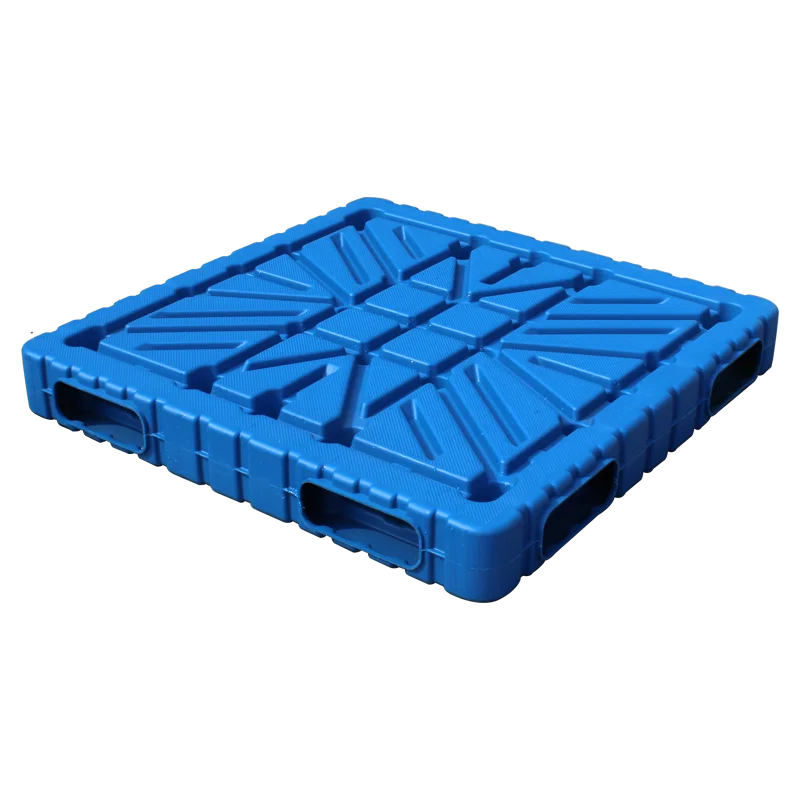
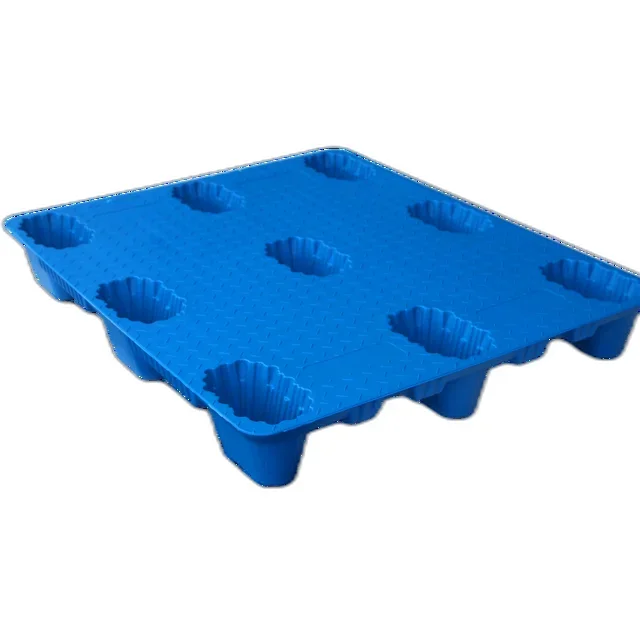
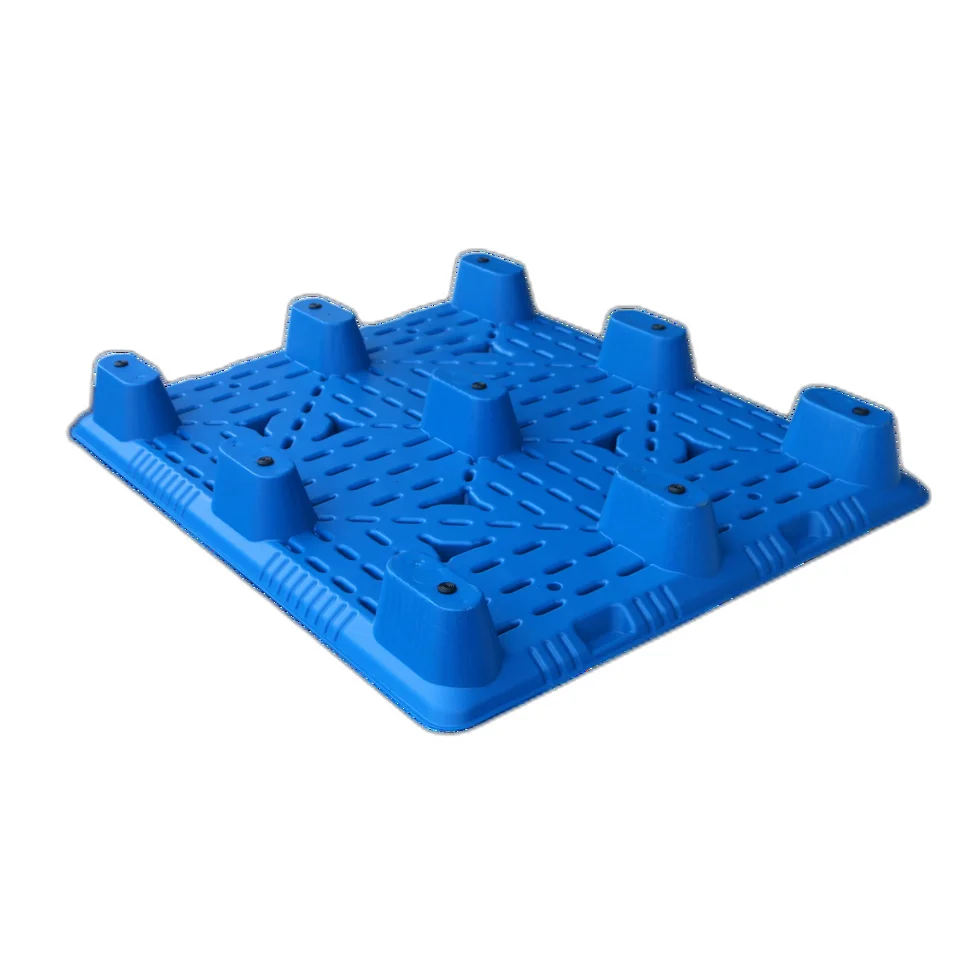
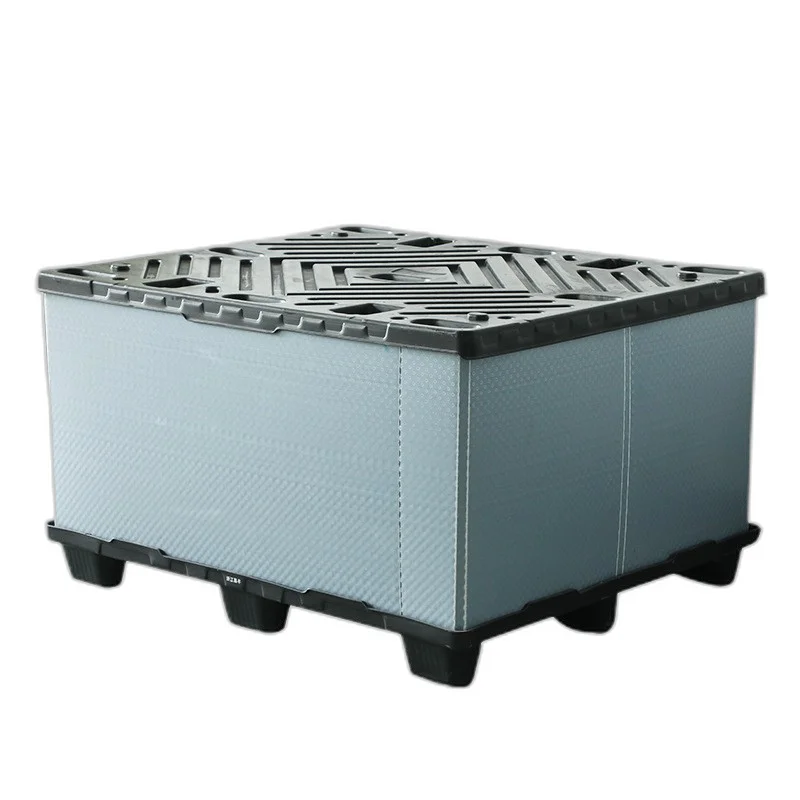
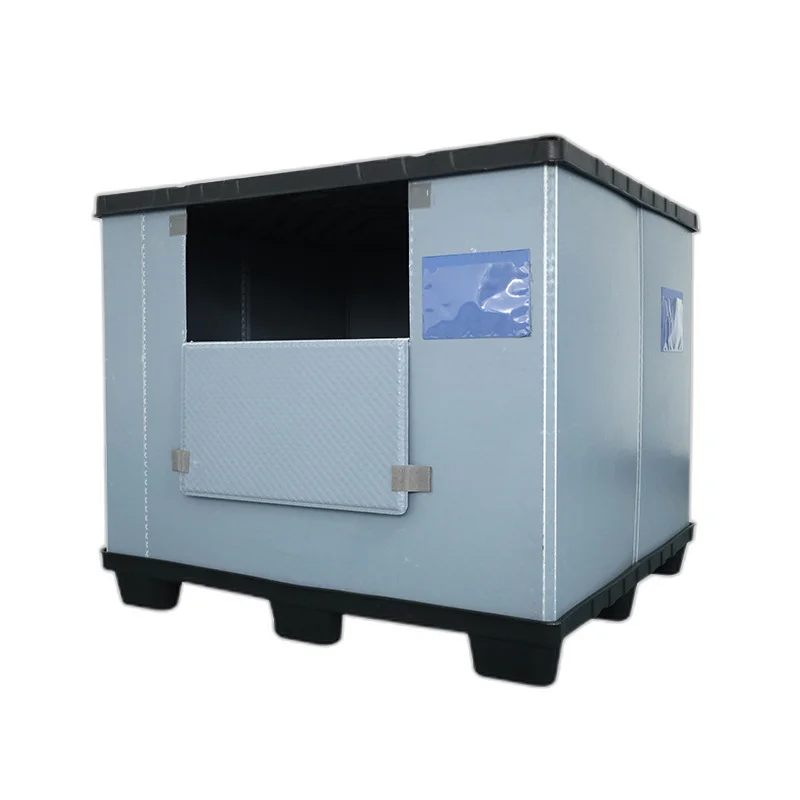
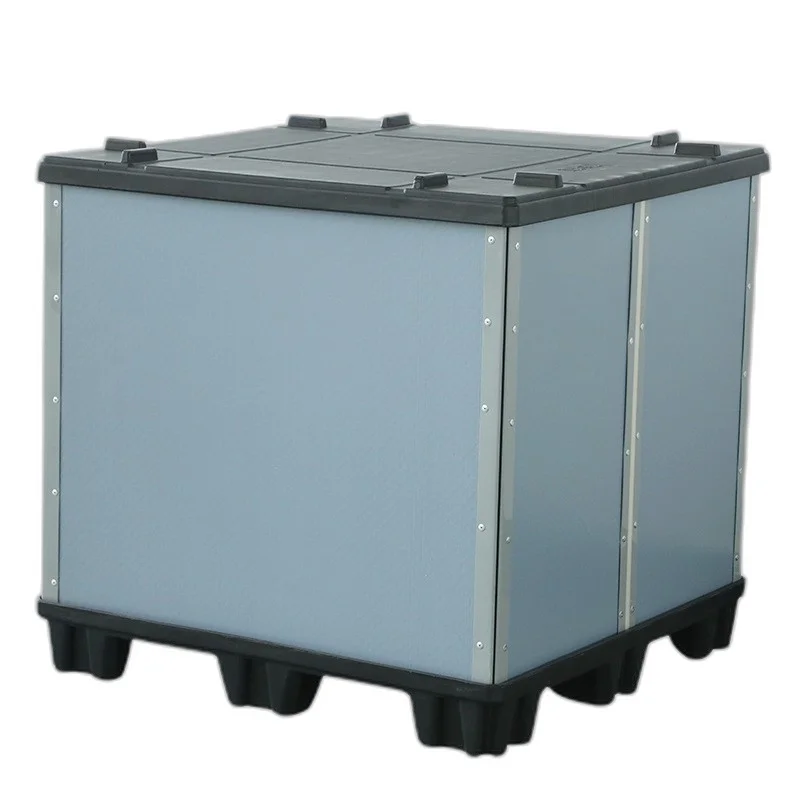
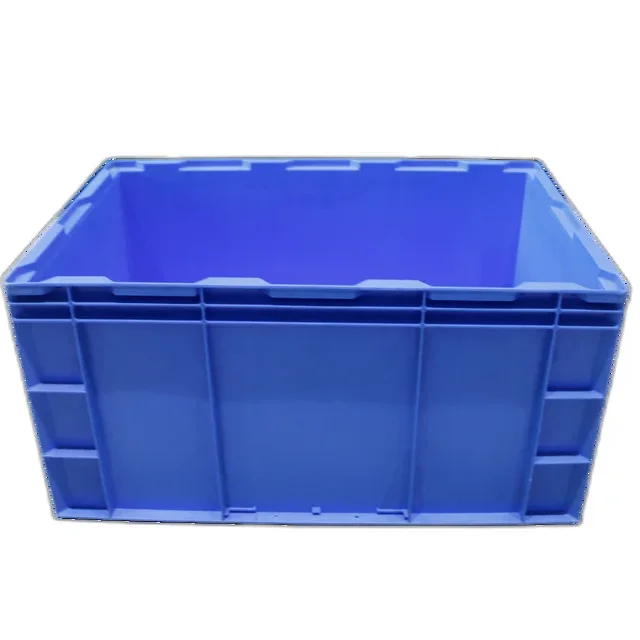
When sourcing pallets, the choice between plastic and wood often hinges on specific application needs, budget constraints, and durability requirements. Plastic pallets are typically made from high-density polyethylene (HDPE) or polypropylene, offering a lightweight yet robust option that withstands moisture and chemicals. Conversely, wood pallets, often made from softwoods like pine, can be less expensive but are susceptible to rot, pests, and warping, particularly in damp environments.
For purchasing managers, evaluating the sourcing process involves considering the total cost of ownership. While wood pallets may have a lower initial purchase price, they often require more frequent replacement and maintenance, which can drive costs higher over time. Plastic pallets, while potentially more expensive upfront, usually offer greater longevity and lower maintenance needs, making them a cost-effective choice in the long run.
Buyers should also weigh the availability of materials and the supplier’s production capabilities. Jiangsu Nexara, for instance, boasts extensive mold and material development expertise, allowing for customized solutions tailored to specific logistical needs.
Plastic Pallets vs Wood Pallets in Logistics
In logistics, the performance of pallets directly impacts efficiency and productivity. Plastic pallets provide a smoother surface, which can reduce friction during transport and handling. They are also easier to clean and sanitize, making them ideal for industries such as food and pharmaceuticals where hygiene is paramount. Additionally, heavy duty plastic pallets are often designed to nest or stack more efficiently, optimizing storage space.
On the other hand, wood pallets are heavier, which can increase shipping costs. They may also require additional handling due to their bulkiness and the need for regular inspections for damage. Importantly, buyers should consider the environmental impact; while wooden pallets are biodegradable, the production process can involve significant deforestation and chemical treatments.
Understanding load capacity is also crucial. Plastic pallets typically offer a higher load capacity compared to their wooden counterparts, which can be critical in industries requiring heavy-duty performance. Jiangsu Nexara’s advanced manufacturing techniques ensure that their plastic pallets meet stringent load-bearing specifications, which is essential for maintaining operational efficiency.
Efficient Use of Plastic and Wood Pallets
Efficiency in pallet usage begins with understanding the unique characteristics of each type of pallet. Plastic pallets can be utilized in automated systems due to their consistent dimensions and smooth surfaces, which facilitate robotic handling. This can lead to reduced labor costs and increased throughput in high-volume environments.
In contrast, wood pallets are often used in bulk shipments and are well-suited for one-time use in certain applications. However, they can present challenges with consistency in size and weight, which may affect automation processes. Buyers should also consider how each pallet type can be integrated into their existing logistics systems.
When evaluating pallet efficiency, factors such as cycle time, handling time, and return logistics should be analyzed. For example, Jiangsu Nexara's industrial plastic pallets are designed for easy stacking and storage, allowing warehouses to maximize space and reduce handling times. This can translate into significant savings over time.
Common Problems with Pallets and Solutions for Warehouse Efficiency
Pallet-related problems can significantly hinder warehouse efficiency, whether they stem from structural issues, cleanliness, or compliance with safety regulations. Common issues with wood pallets include splintering, moisture absorption, and pest infestations, which can lead to product contamination and increased operational costs.
In contrast, plastic pallets can experience cracking or bending under extreme temperatures or heavy loads. To mitigate these risks, it’s essential to conduct regular inspections and maintenance. Buyers should ensure that suppliers, like Jiangsu Nexara, provide quality assurance processes and certifications that validate the durability and safety of their products.
To enhance warehouse efficiency, implementing a consistent inspection and maintenance program is crucial. This should include evaluating load capacities, checking for visible damage, and ensuring that pallets are clean and compliant with industry standards. Using a standardized checklist can help streamline this process and minimize disruptions.
Choosing the Right Fit
Selecting the right pallet for your operations involves assessing several key factors, including application requirements, cost considerations, and long-term sustainability. Buyers should ask specific questions such as: What types of products will be stored or transported? Are there unique environmental conditions to consider? What is the estimated turnover rate for pallets?
Customization becomes essential when specific needs arise. Jiangsu Nexara's capabilities in producing tailored plastic pallets mean that clients can receive products designed for their unique operational demands, whether it’s added features for improved handling or specific dimensions for optimized storage.
Additionally, understanding the lifecycle of the pallets is vital. While wood pallets may be less expensive initially, their longevity and potential hidden costs can make plastic pallets a more attractive option in the long run. Buyers should conduct a thorough cost-benefit analysis that considers both upfront costs and long-term performance impacts.
Ultimately, the choice between plastic pallets vs wood pallets should be guided by a comprehensive understanding of the operational needs, budget, and the specific challenges faced within the supply chain. This informed approach will help ensure that the right pallet solution is chosen, leading to enhanced efficiency and reduced costs in warehouse operations.