 EN
EN
 AR
AR
 BG
BG
 HR
HR
 CS
CS
 DA
DA
 NL
NL
 FI
FI
 FR
FR
 DE
DE
 EL
EL
 HI
HI
 IT
IT
 JA
JA
 KO
KO
 NO
NO
 PL
PL
 PT
PT
 RO
RO
 RU
RU
 ES
ES
 SV
SV
 CA
CA
 TL
TL
 IW
IW
 ID
ID
 UK
UK
 VI
VI
 SQ
SQ
 ET
ET
 GL
GL
 HU
HU
 TH
TH
 TR
TR
 FA
FA
 AF
AF
 GA
GA
 CY
CY
 BE
BE
 BN
BN





/images/share.png)
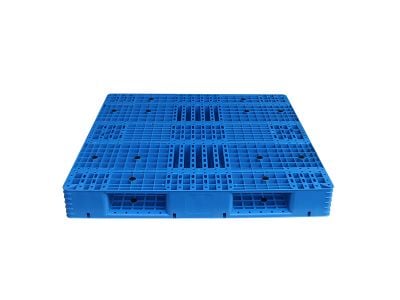
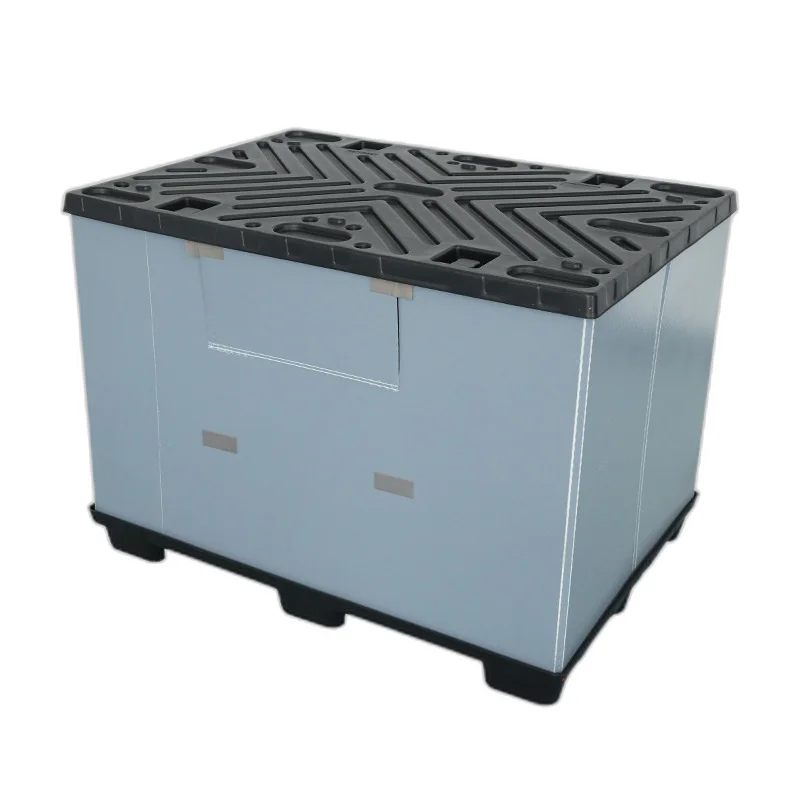
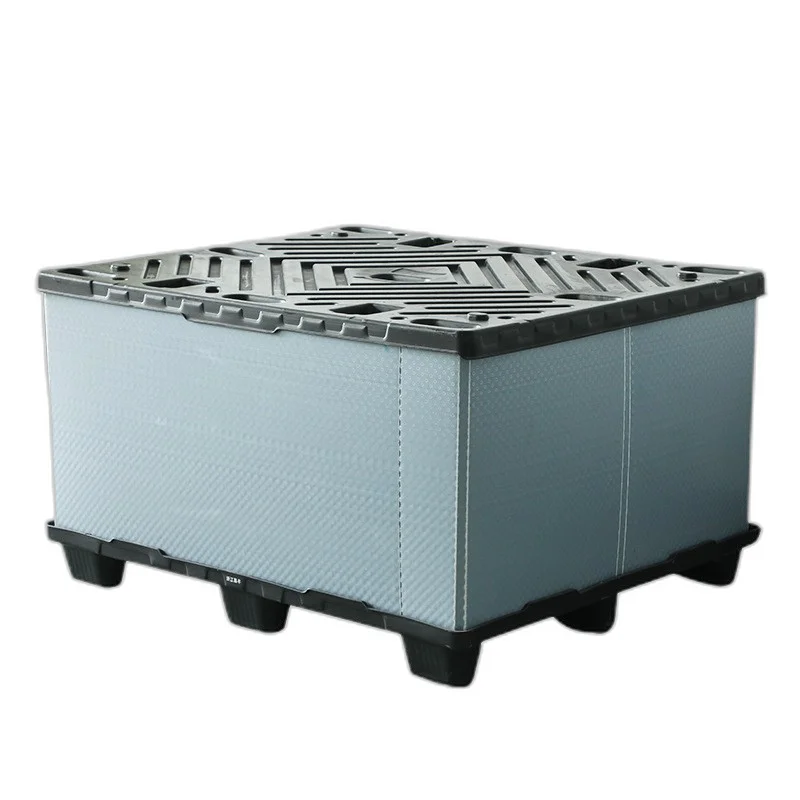
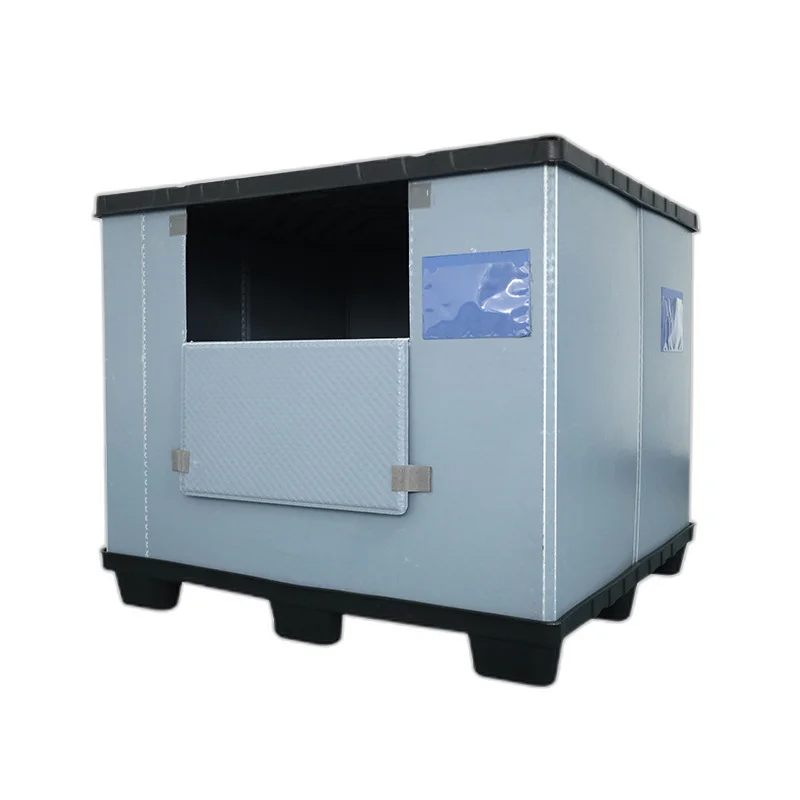
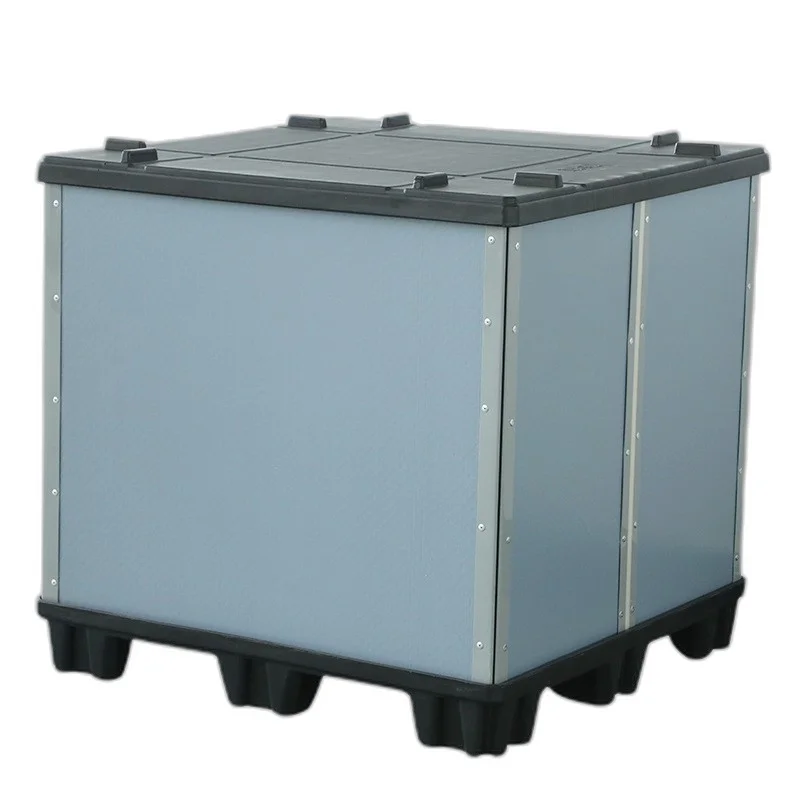
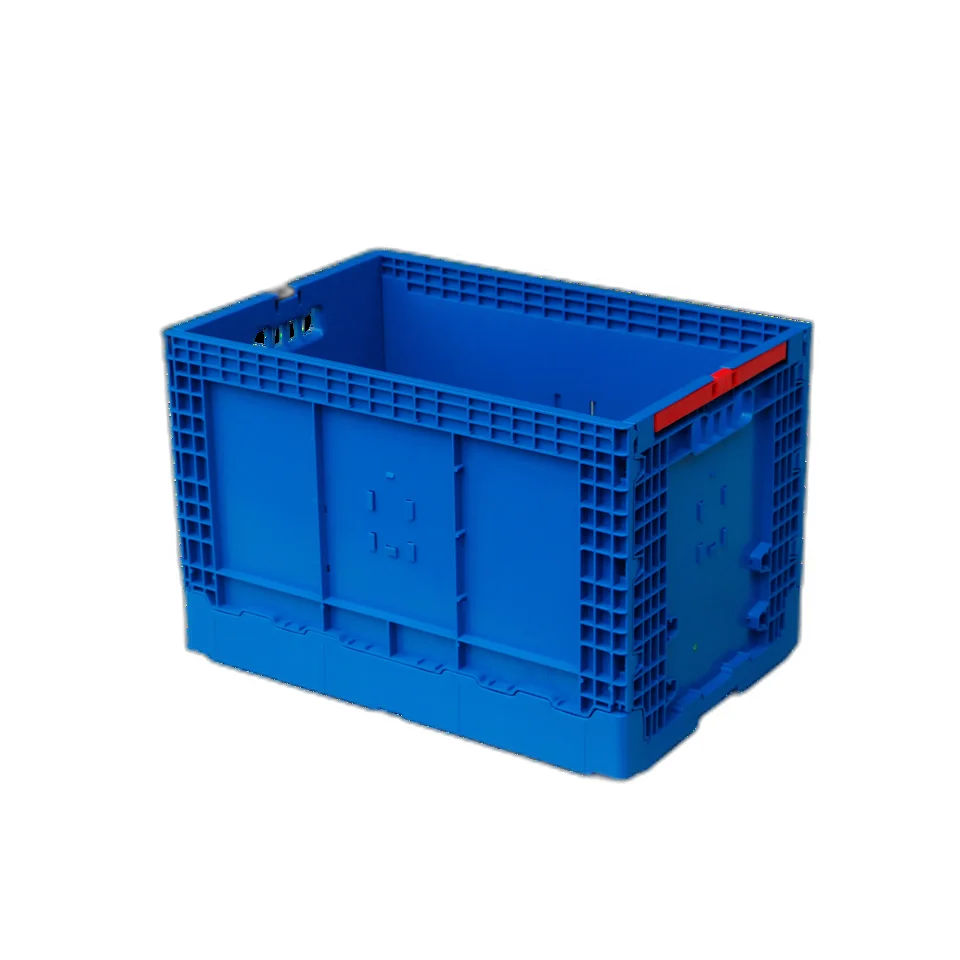
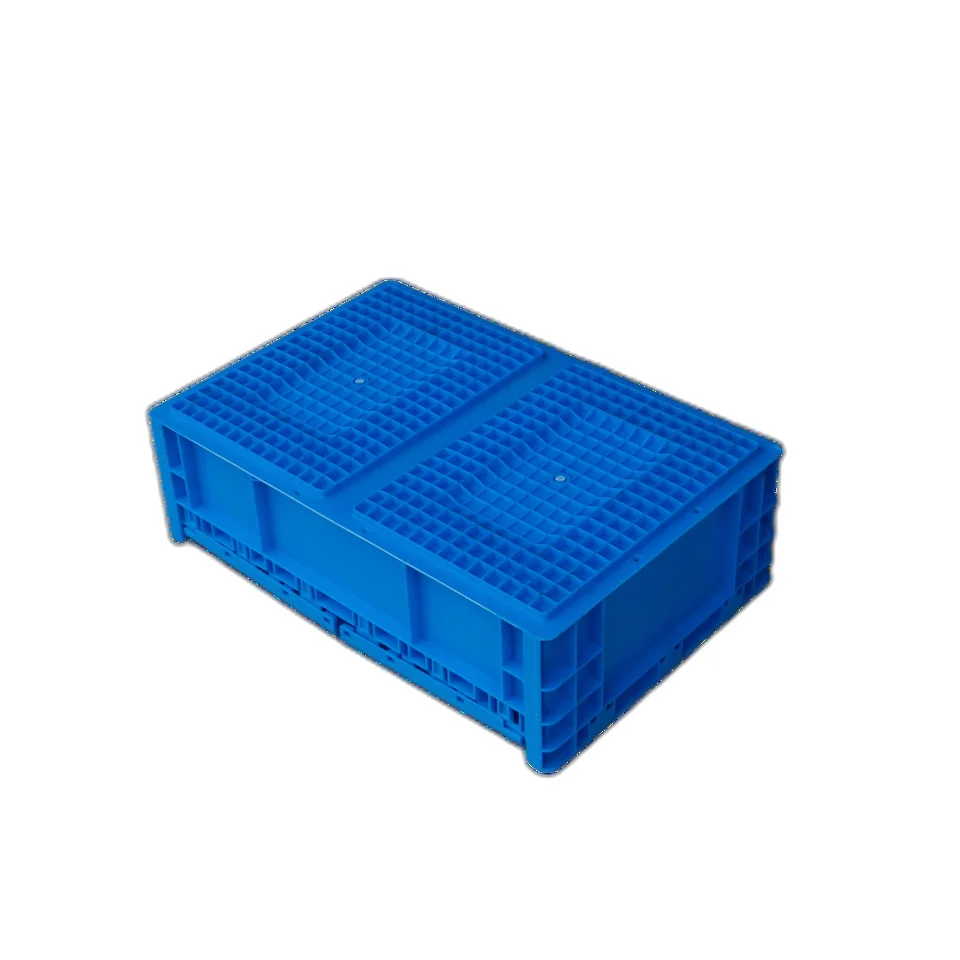
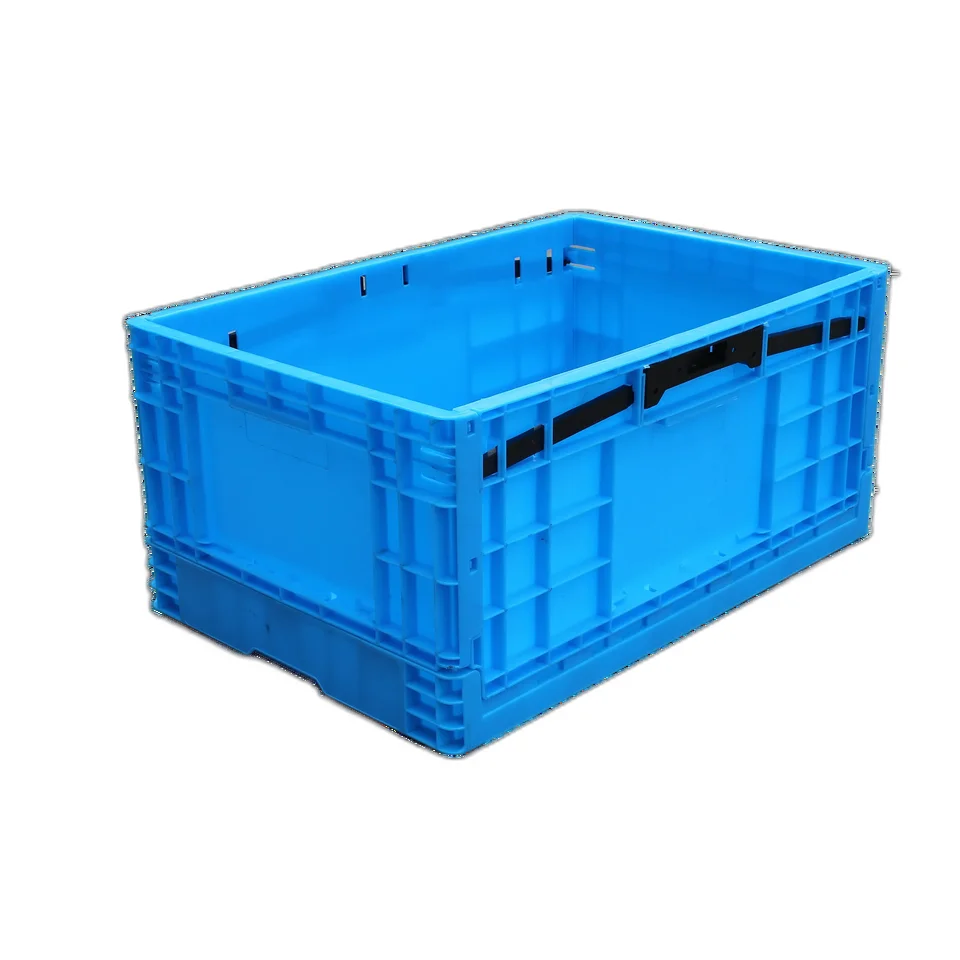
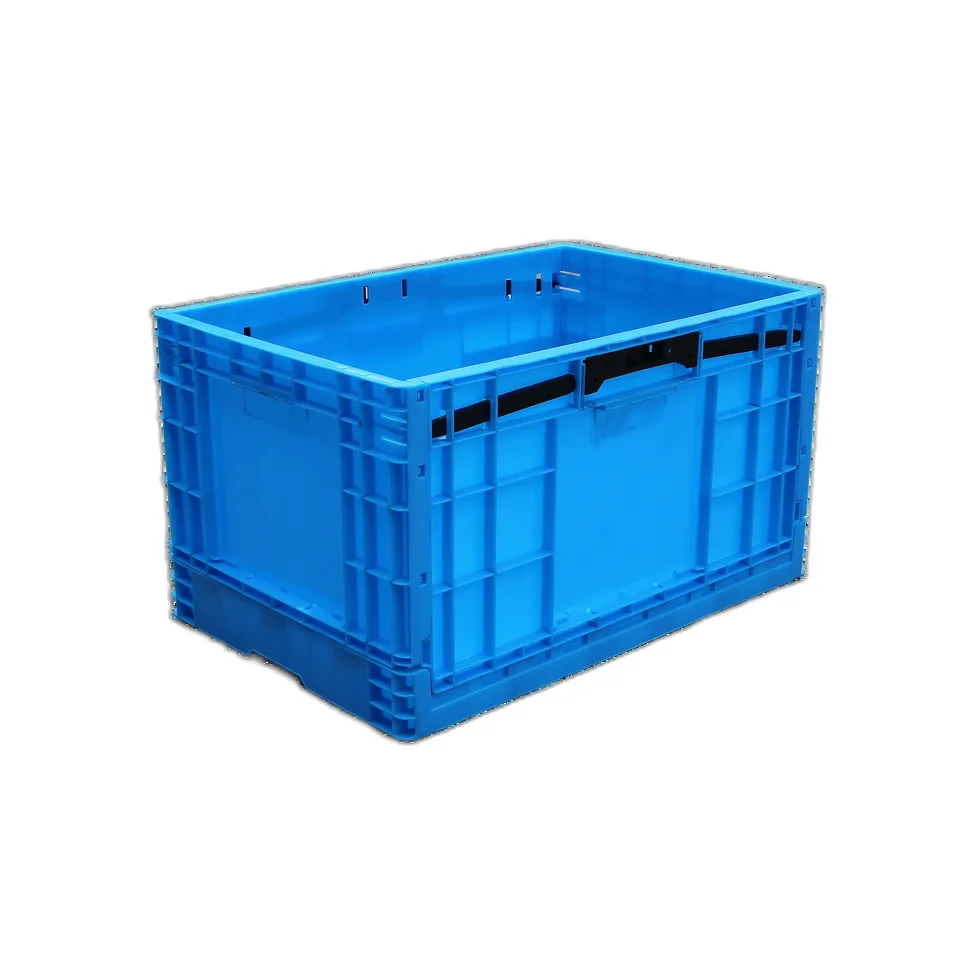
Industrial-grade plastic pallets have become essential tools for logistics and supply chain management, offering durability, efficiency, and versatility that traditional wooden pallets often cannot match. This article explores the benefits of industrial-grade plastic pallet for B2B buyers, helping purchasing managers, logistics coordinators, and engineers make informed decisions. By understanding the key advantages and considerations surrounding these pallets, readers will be better equipped to enhance their supply chain operations.
Benefits of Industrial-Grade Plastic Pallets for Wholesale Buyers
Industrial-grade plastic pallets provide numerous advantages for wholesale buyers, particularly in demanding environments. One primary benefit is their durability. Unlike wooden pallets, which can splinter or absorb moisture, heavy duty plastic pallets are resistant to mold, mildew, and degradation, ensuring a longer lifespan and lower replacement costs.
Additionally, plastic pallets are lighter than wood, which can reduce shipping costs and improve handling efficiency. Their uniform size and design allow for better stacking and storage, maximizing warehouse space. For businesses dealing with food or pharmaceuticals, plastic pallets can be easily sanitized, ensuring compliance with safety regulations.
From a financial perspective, while the initial investment in plastic pallets may be higher, the total cost of ownership is often lower due to their longevity and reduced maintenance needs. This makes them an appealing choice for companies looking to optimize their logistics and supply chain management.
How to Choose the Right Plastic Pallet for Your Supply Chain Needs?
Selecting the right plastic pallet involves assessing several factors, including load capacity, dimensions, and intended use. Buyers should first determine the weight and size of the items they need to transport. For heavy loads, pallets with a higher load capacity and reinforced structure are necessary to prevent damage during transport.
The dimensions of the pallet should align with standard shipping containers and storage systems to ensure compatibility and efficiency. For instance, a 48x40 inch pallet is commonly used in North America, while European operations might favor the 1200x800 mm size.
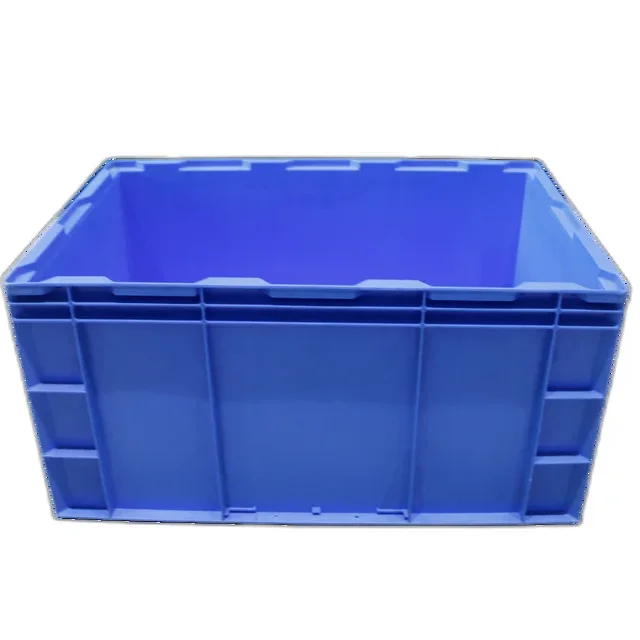
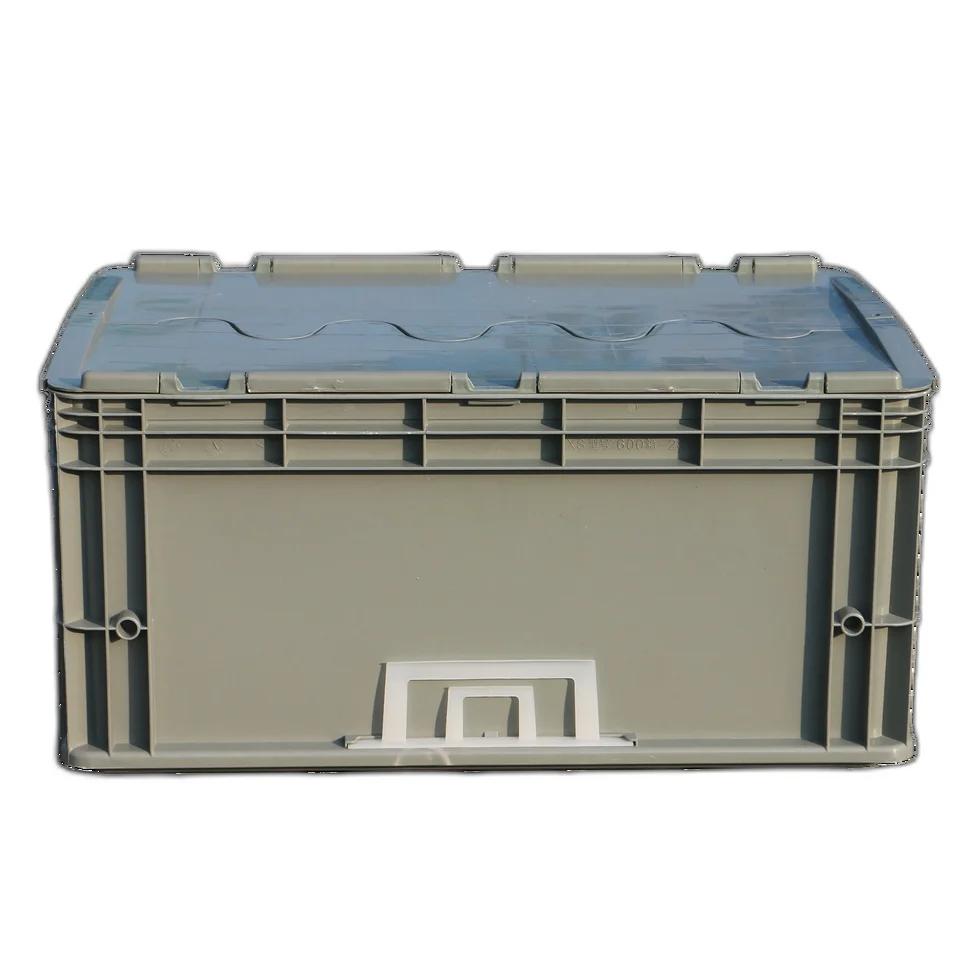
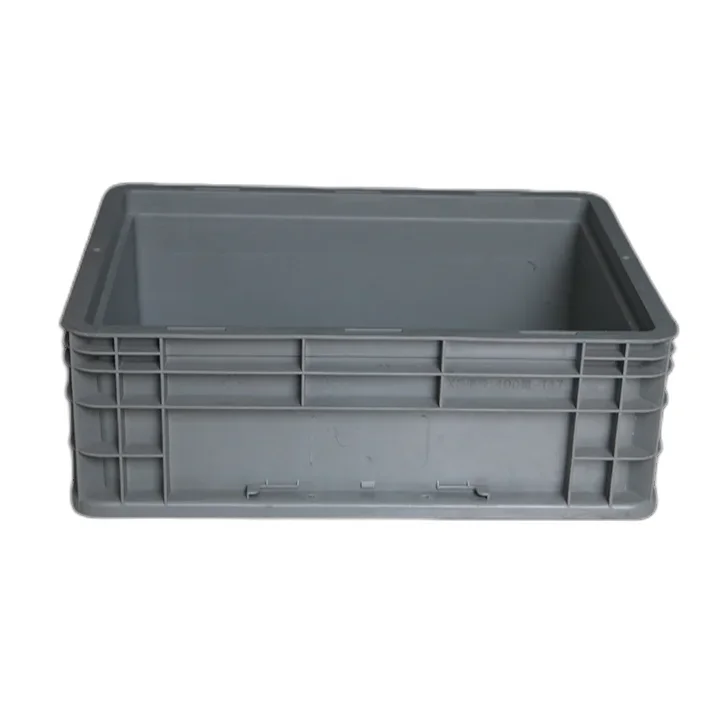
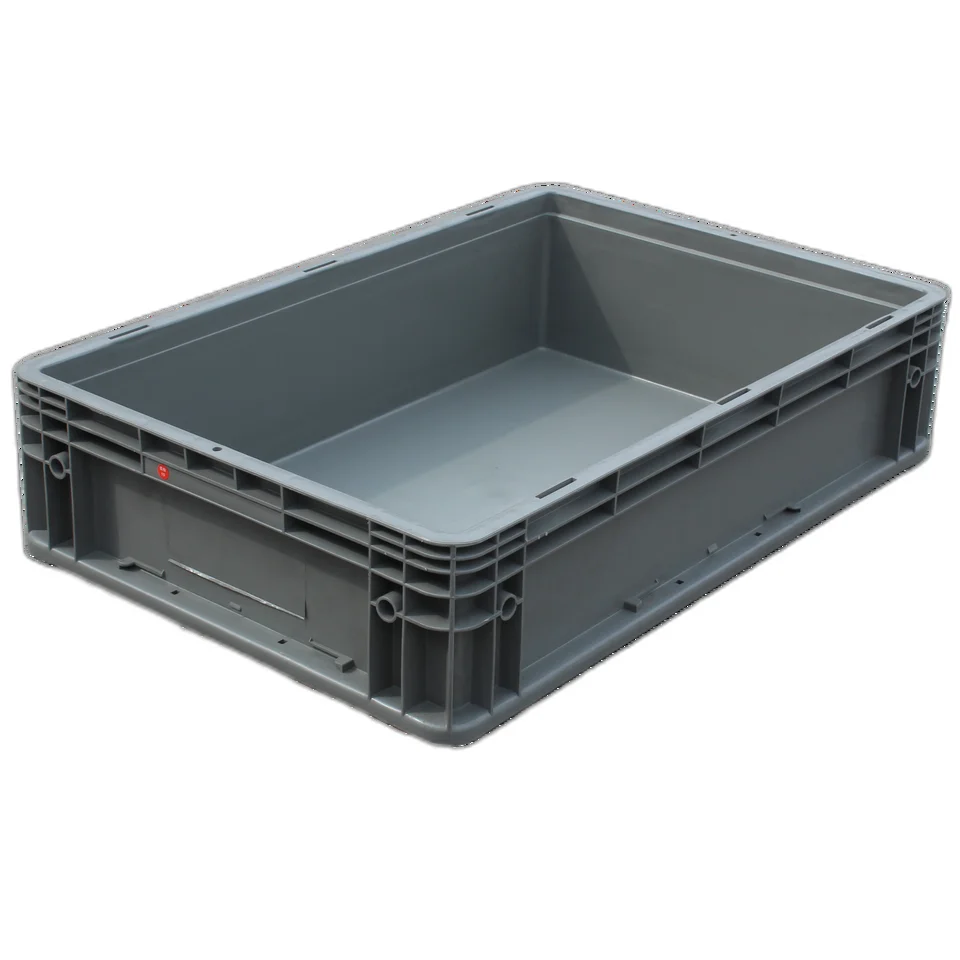
Material selection is also crucial. While most industrial-grade plastic pallets are made from high-density polyethylene (HDPE) or polypropylene, understanding the specific application can guide material choice. For instance, if the plastic pallet crates will be exposed to chemicals or extreme temperatures, it's essential to confirm that the material can withstand such conditions.
Lastly, consider any customization needs, such as branding or special features like RFID tags for tracking and inventory management. This ensures that the pallet not only meets operational requirements but also aligns with the company's logistical strategy.
Understanding the Investment in Plastic Pallets
Investing in industrial-grade plastic pallets requires a clear understanding of the total cost implications. While the upfront cost may be higher than wooden pallets, the long-term benefits often justify the investment. Factors contributing to this include durability, reduced maintenance, and decreased replacement frequency.
When evaluating costs, buyers should consider the following:
Initial Purchase Price: Compare quotes from various suppliers to gauge the market price for the specific type of plastic pallet needed.
Lifespan: Assess the expected lifespan of the pallets in your specific application. Plastic pallets can last significantly longer than wooden pallets, especially in environments where moisture is a concern.
Maintenance Costs: Factor in cleaning, repairs, and potential replacements over time. Plastic pallets typically require less maintenance.
Operational Efficiency: Consider how the pallets will impact labor and shipping efficiency. Lighter pallets can reduce shipping costs, and ease of handling can lead to labor savings.
Ultimately, conducting a thorough cost-benefit analysis can help businesses make an informed decision that aligns with their operational goals.
Applications of Industrial-Grade Plastic Pallets in Various Industries
Industrial-grade plastic pallets are versatile and suitable for a wide range of applications across various industries. In the food and beverage sector, for instance, their ability to be easily sanitized makes them ideal for transporting perishable goods. They are resistant to chemicals and do not harbor bacteria, making them compliant with health and safety regulations.
In the pharmaceutical industry, where strict compliance and hygiene are paramount, plastic pallets help ensure that products are safely transported while minimizing contamination risks. The ability to customize pallets with specific features, such as tracking technology, further enhances their utility in this sector.
Other industries, such as automotive and manufacturing, benefit from the durability and weight capacity of plastic pallets. They can withstand heavy loads and rough handling, making them suitable for transporting parts and finished goods.
In logistics, using plastic pallets can lead to better inventory management and space utilization. Their standard sizes allow for optimized stacking in warehouses and trucks, improving overall supply chain efficiency.
Where to Find Trusted Suppliers for Plastic Pallets in Bulk Orders?
Finding reliable suppliers for industrial-grade plastic pallets involves careful consideration of several factors. Start by identifying manufacturers with a solid reputation and extensive experience in the industry, like Jiangsu Nexara, which has over 30 years of expertise in producing plastic products. Look for suppliers that offer a range of products to meet diverse logistical needs, ensuring they can accommodate bulk orders.
When evaluating potential suppliers, consider the following:
Quality Standards: Ensure that the supplier adheres to industry quality control processes and can provide documentation of their manufacturing capabilities.
Customization Options: Confirm whether the supplier can meet your specific requirements, such as material choices and pallet design.
Lead Time: Inquire about production timelines and delivery schedules to avoid disruptions in your supply chain.
Customer Service: Assess the supplier's responsiveness and willingness to assist with inquiries or issues that may arise.
Request samples to evaluate the pallets' quality and suitability before committing to a bulk order. By taking these steps, buyers can ensure they partner with a trusted supplier that meets their supply chain needs effectively.
Table of Contents
- Benefits of Industrial-Grade Plastic Pallets for Wholesale Buyers
- How to Choose the Right Plastic Pallet for Your Supply Chain Needs?
- Understanding the Investment in Plastic Pallets
- Applications of Industrial-Grade Plastic Pallets in Various Industries
- Where to Find Trusted Suppliers for Plastic Pallets in Bulk Orders?