 EN
 AR
 BG
 HR
 CS
 DA
 NL
 FI
 FR
 DE
 EL
 HI
 IT
 JA
 KO
 NO
 PL
 PT
 RO
 RU
 ES
 SV
 CA
 TL
 IW
 ID
 UK
 VI
 SQ
 ET
 GL
 HU
 TH
 TR
 FA
 AF
 GA
 CY
 BE
 BN


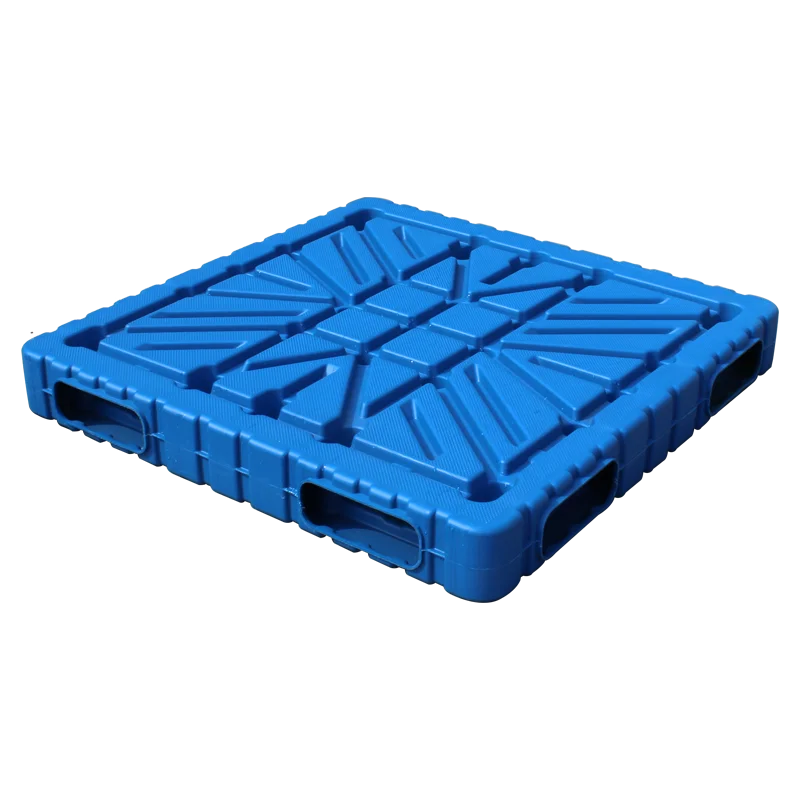
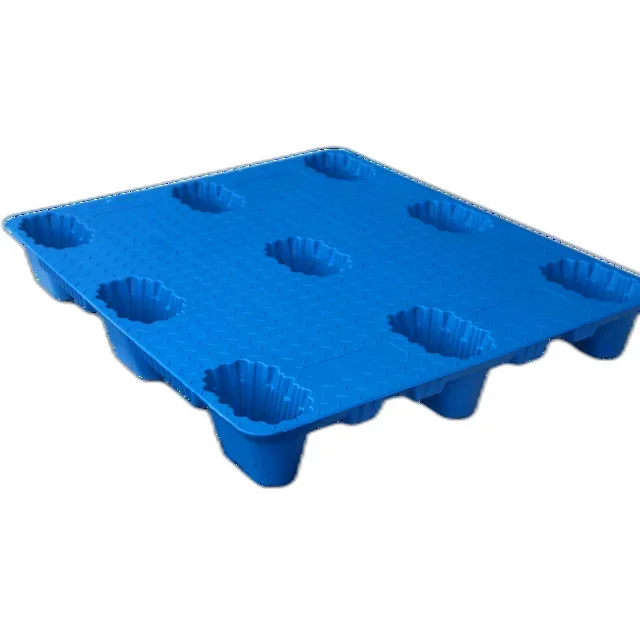

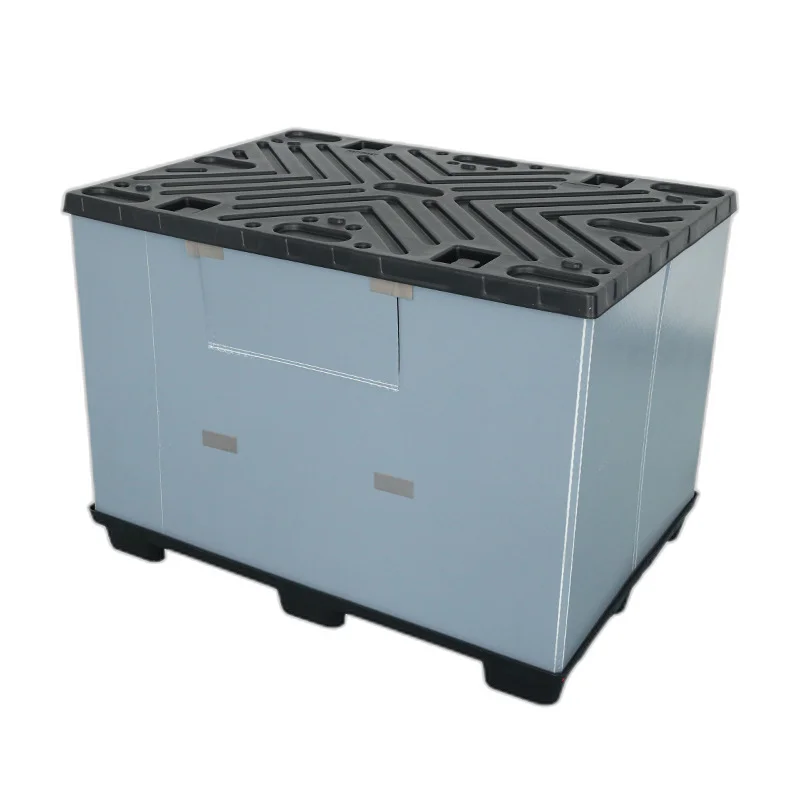
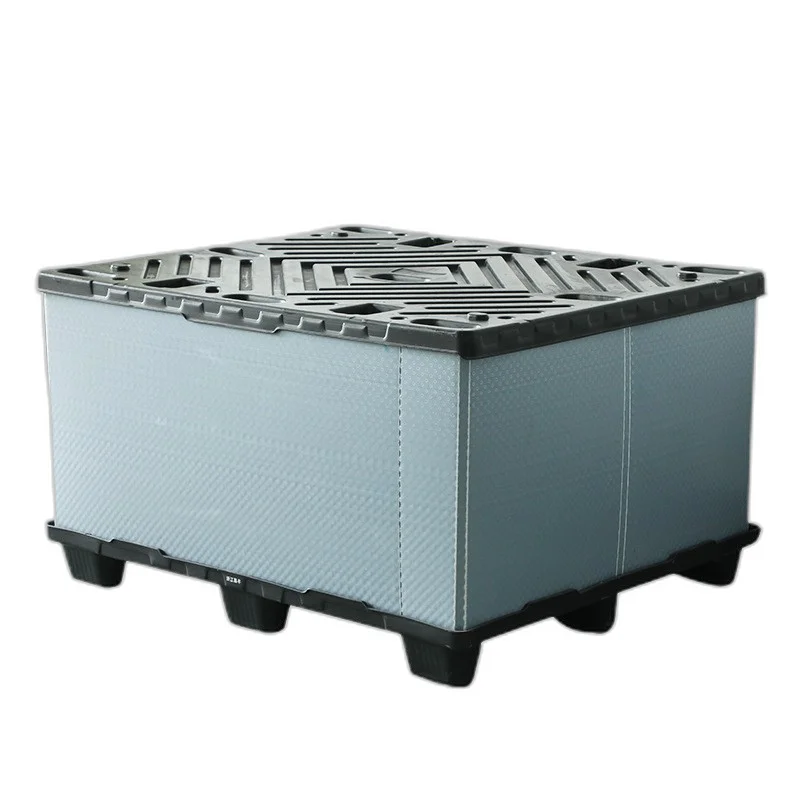
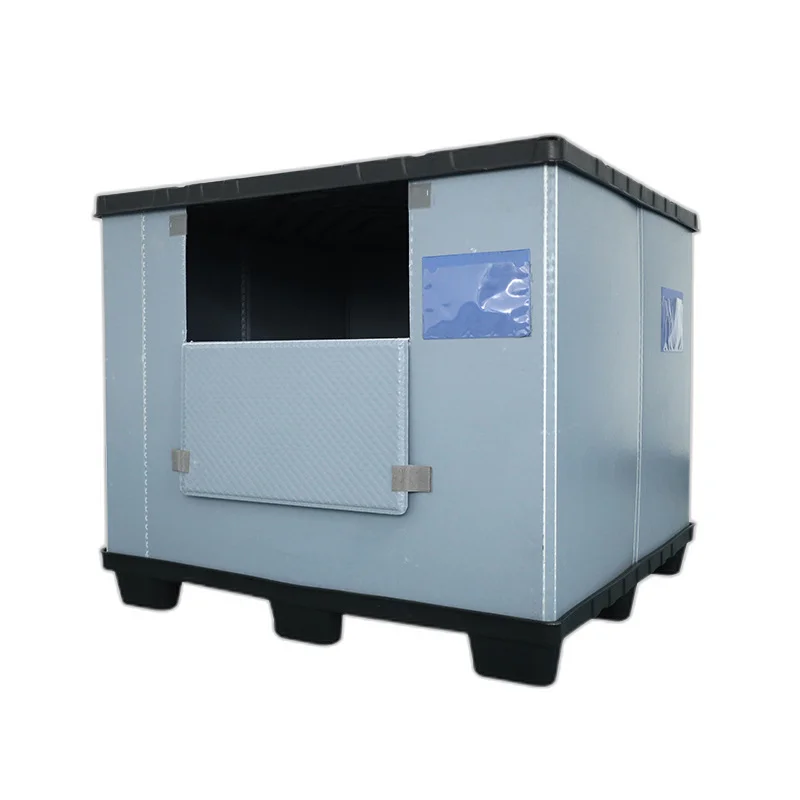
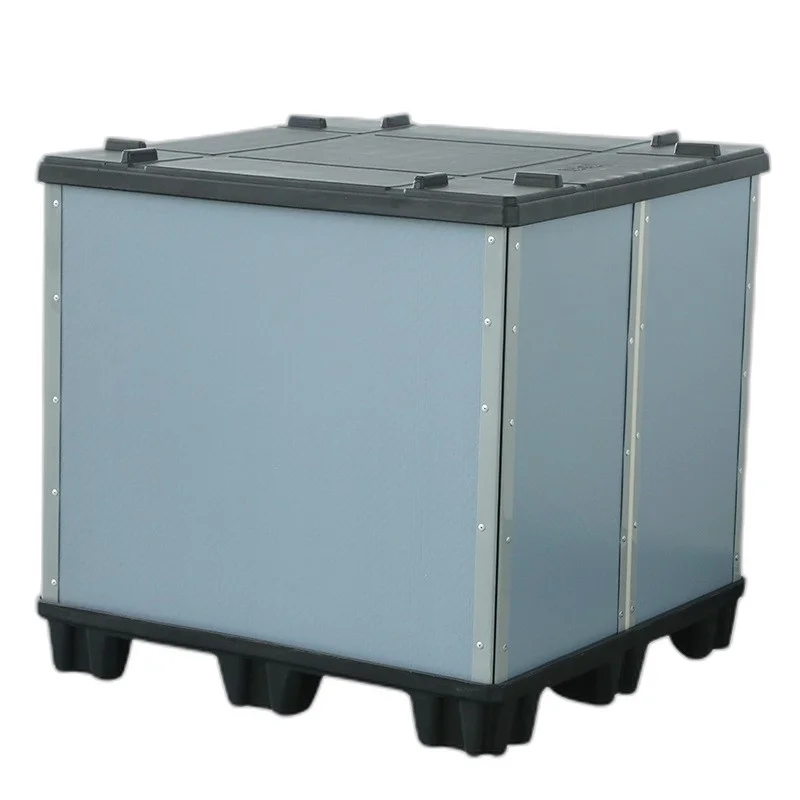
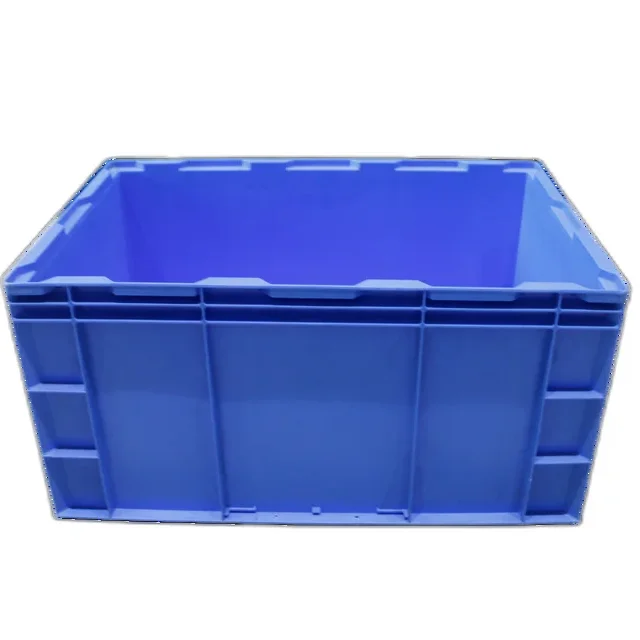
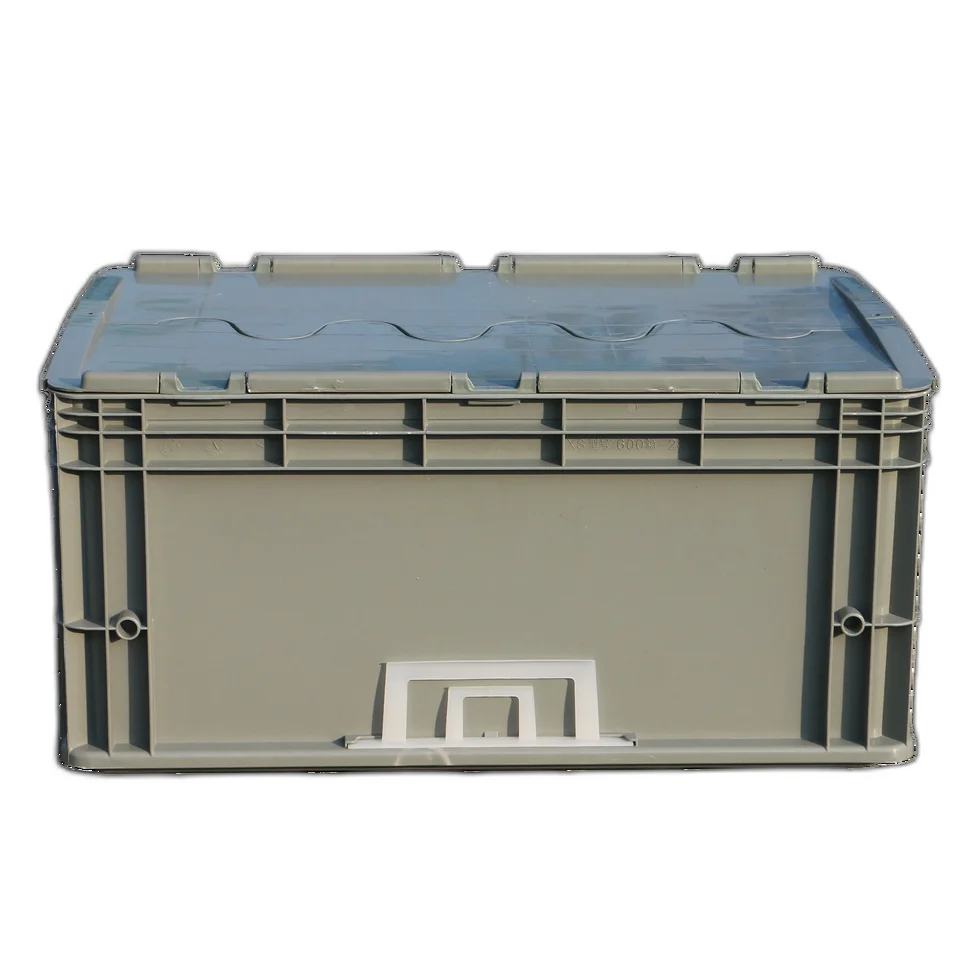
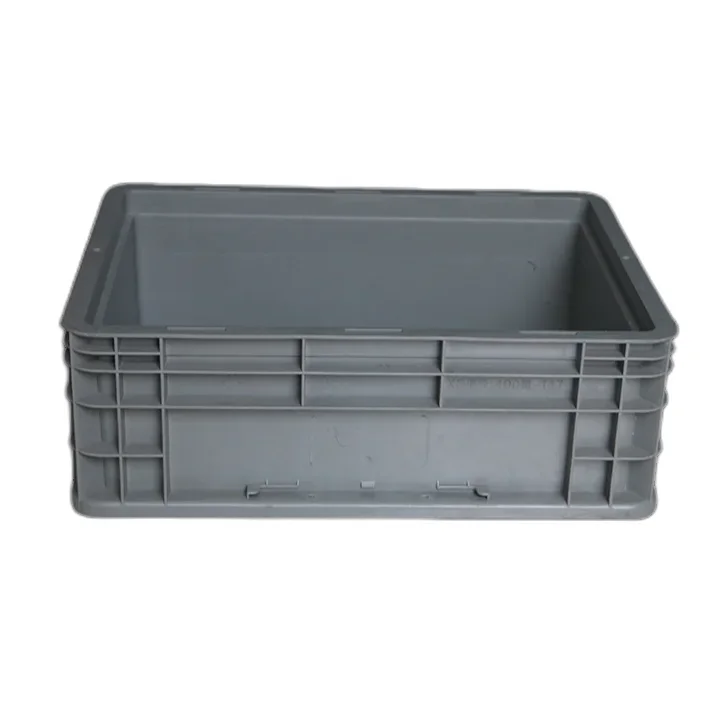
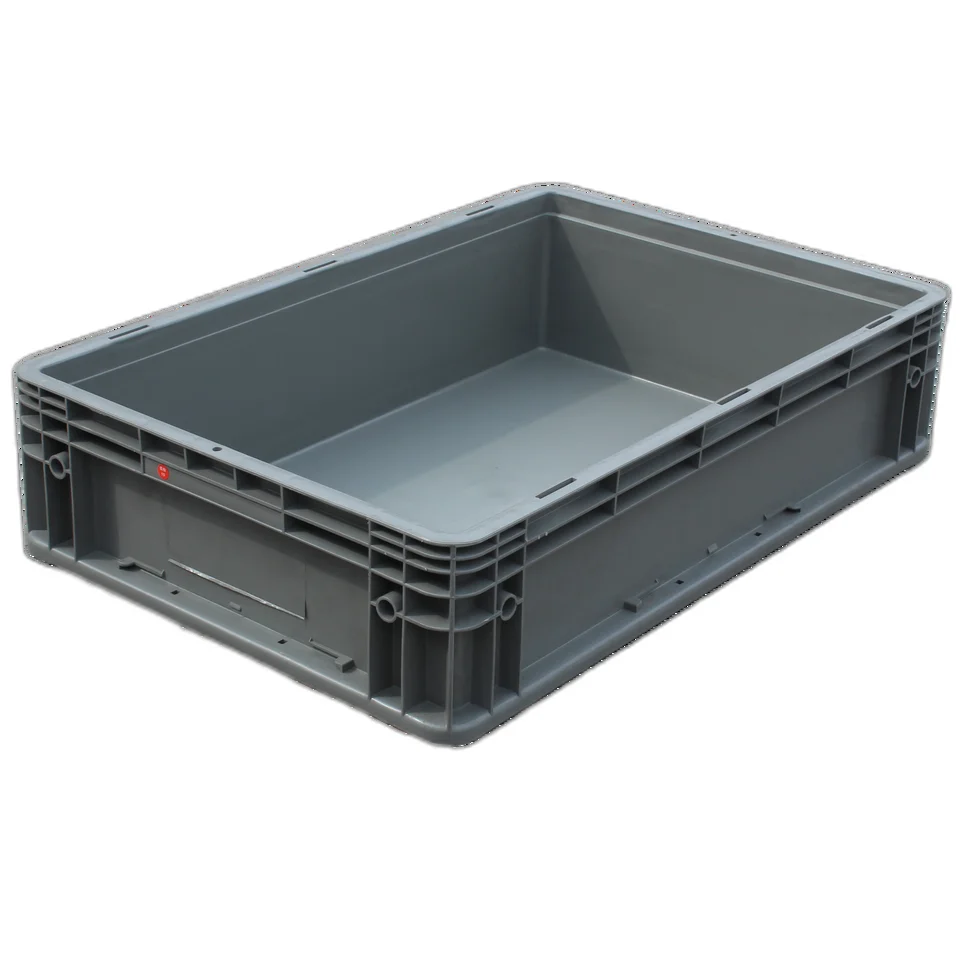
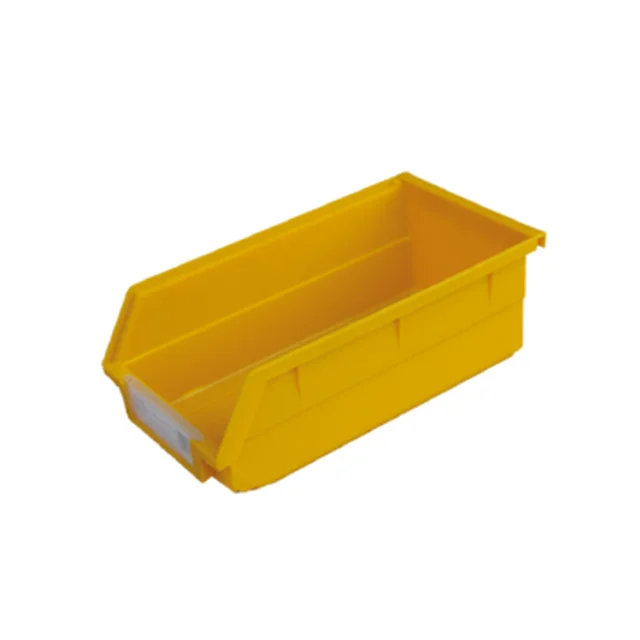
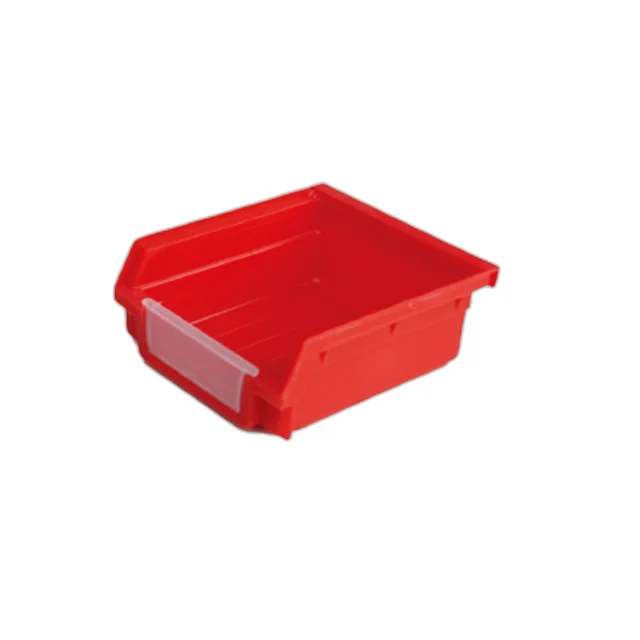
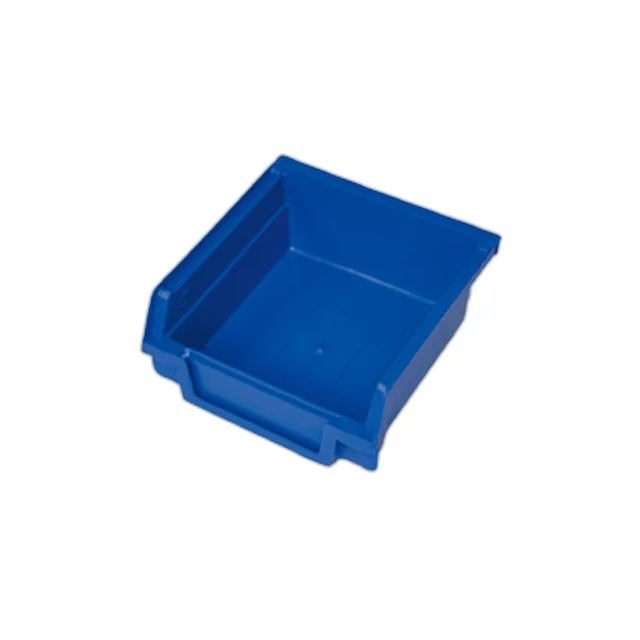
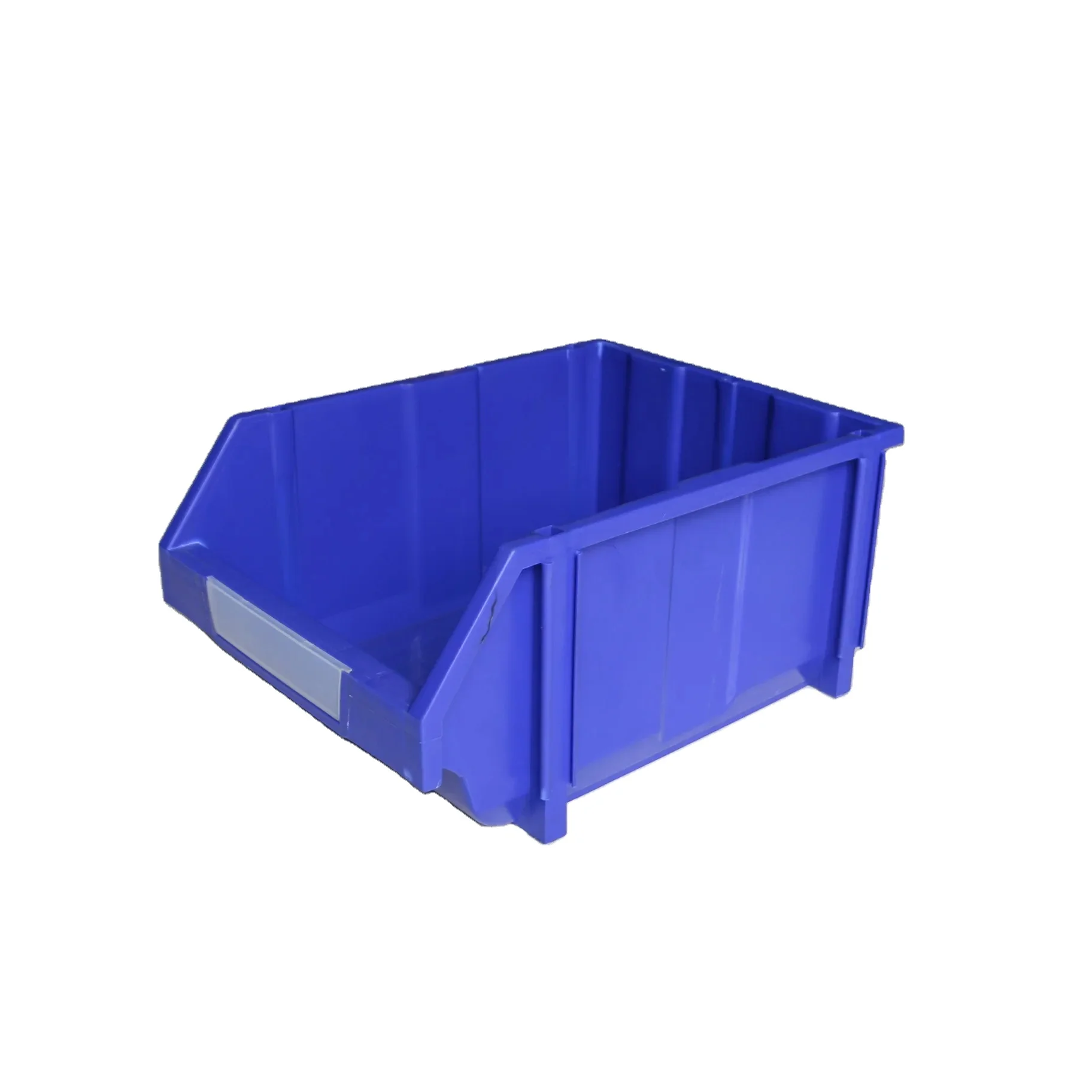
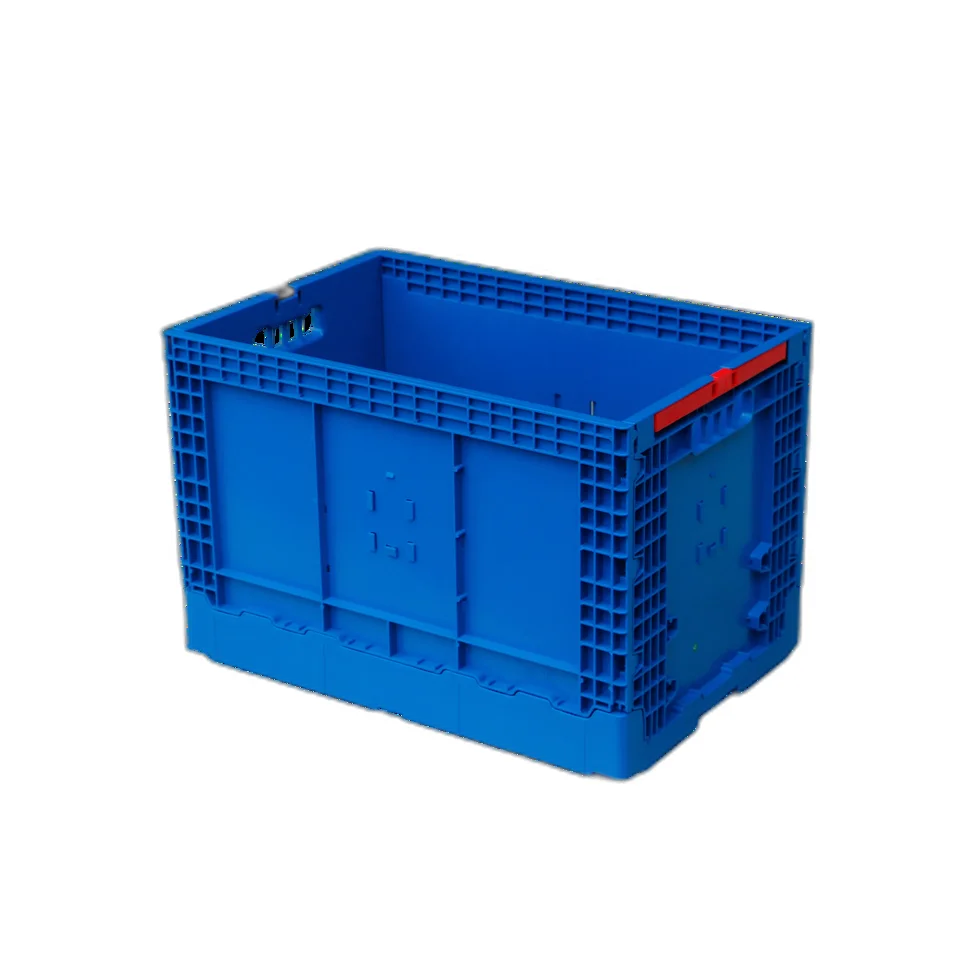
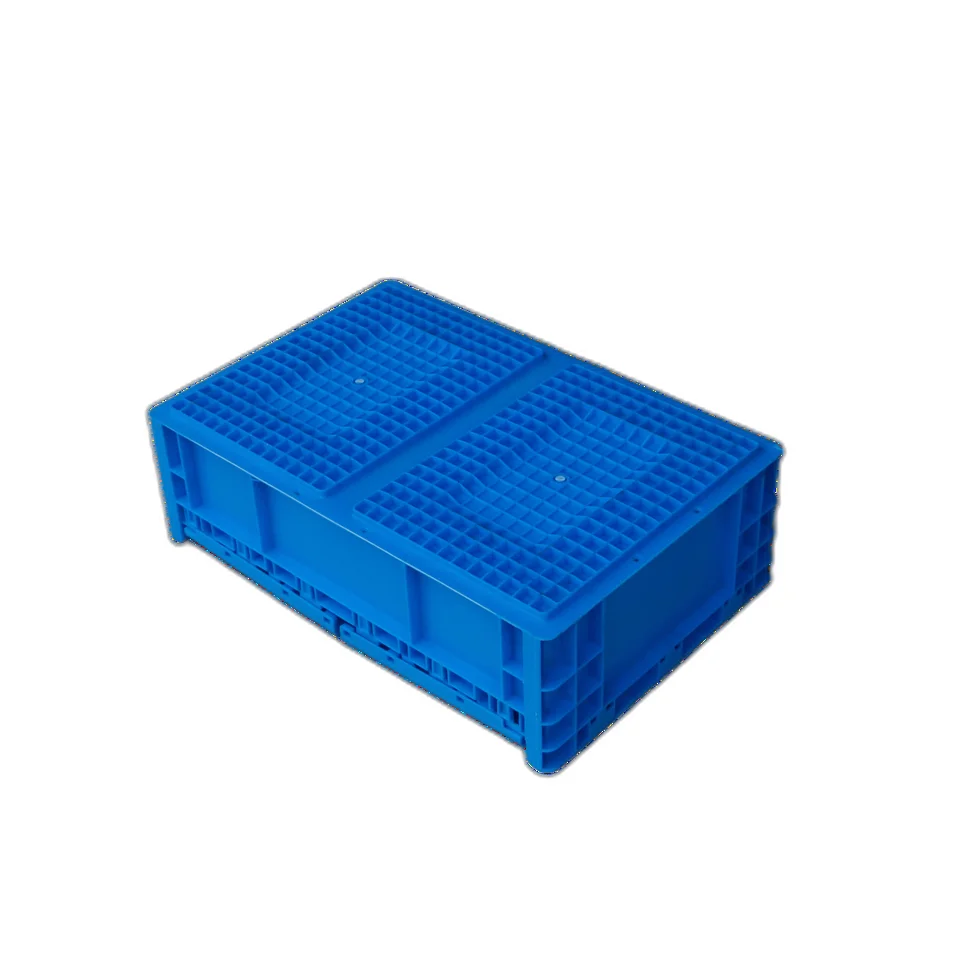
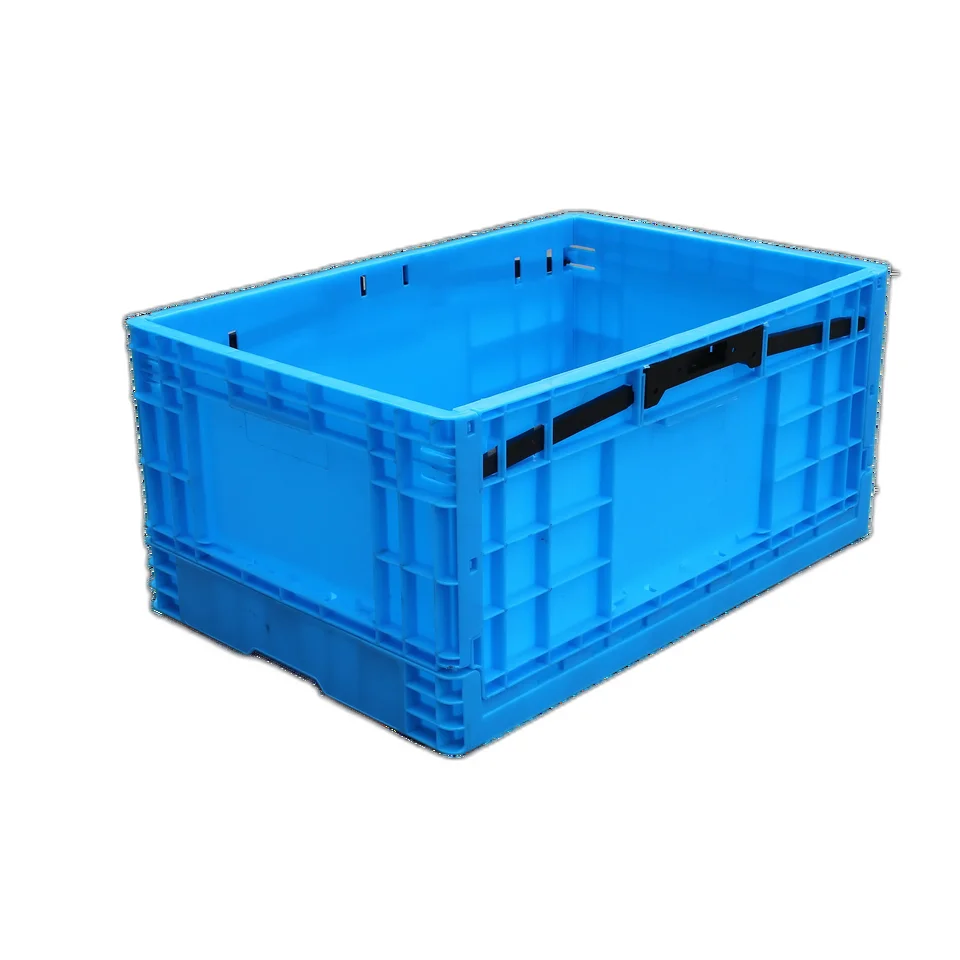
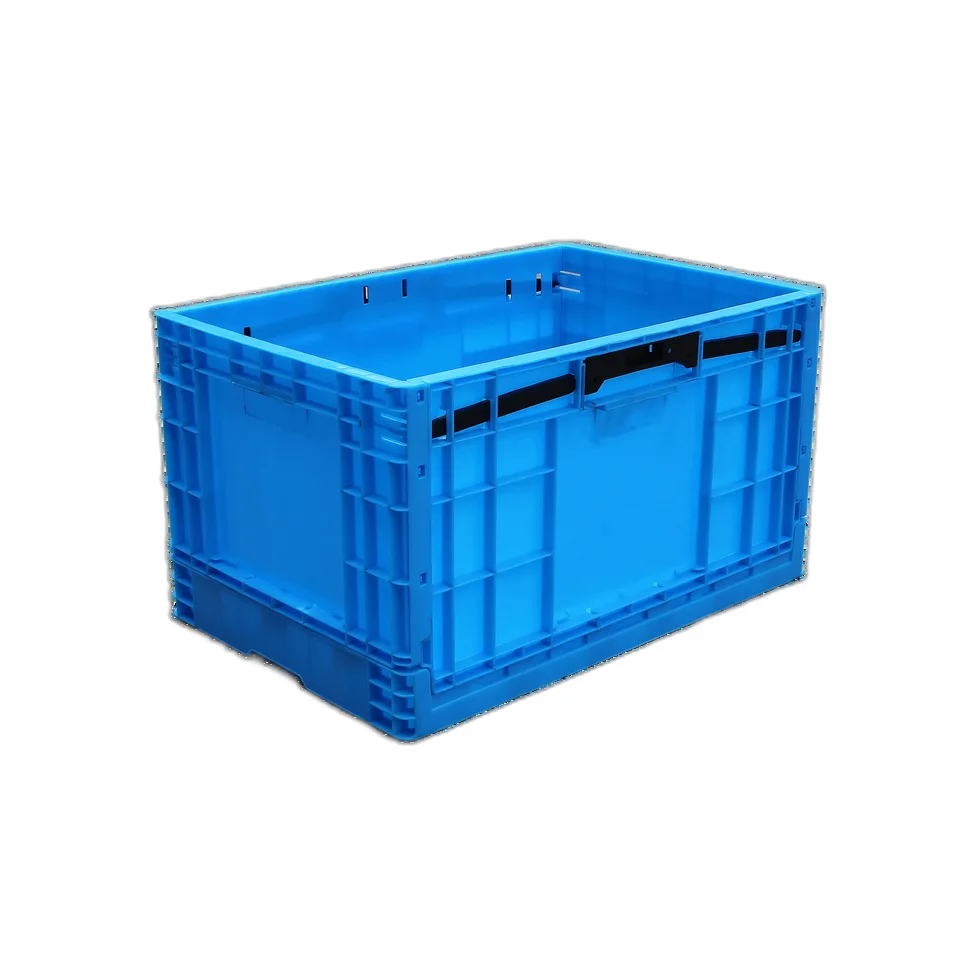

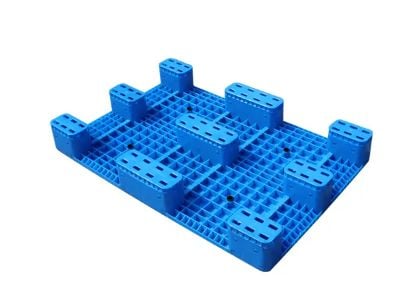
Choosing the right warehouse plastic pallets is crucial for optimizing your storage and logistics operations. This buying checklist for racking and turnover focuses on essential considerations that B2B buyers need to keep in mind. From understanding specifications to evaluating cost factors and addressing common problems, this article aims to equip purchasing managers, distributors, and engineers with the practical knowledge necessary to make informed decisions regarding plastic pallets.
Choosing the Right Warehouse Plastic Pallets for Your Needs
Selecting the appropriate warehouse plastic pallets involves assessing several factors critical to your operational needs. First, consider the intended application—whether it’s for warehousing, logistics, or specific industries like automotive or food. Different applications may require unique pallet characteristics such as load capacity, resistance to chemicals, or hygiene standards.
Next, evaluate the size and weight capacity of the pallets. Standard sizes often include 48x40 inches, which is compatible with most racking systems, but custom dimensions can be specified to fit unique storage solutions. Additionally, think about the industrial pallet racks weight; lighter pallets are easier to handle but may have lower load capacities.
Also, consider the material. Plastic pallets made from high-density polyethylene (HDPE) or polypropylene are common for their durability and resistance to moisture and chemicals. The material choice can impact the pallet's longevity and performance in various environments.
Understanding Specifications for Warehouse Plastic Pallet Selection
When selecting warehouse plastic pallets, specific technical specifications play a crucial role in ensuring they meet your operational demands. Key specifications include:
Load Capacity: This is the maximum weight the pallet can safely hold. It's essential to choose a pallet that exceeds your typical load to avoid structural failure.
Dimensions: Common dimensions include the standard 48x40 inches, but custom sizes may be necessary to fit your racking systems. Ensure the pallet fits seamlessly within your existing storage layout.
Material Type: The material affects durability, weight, and suitability for certain environments. HDPE is favored for its robustness, while polypropylene may offer better chemical resistance.
Forklift Compatibility: Ensure the pallet design is compatible with your handling equipment. This includes checking the entry points for forks and overall dimensions.
Stackability: Consider whether the pallets can be stacked easily when empty. This can save valuable space in your warehouse.
Understanding these specifications will help you select pallets that are not only fit for purpose but also enhance your operational efficiency.
Cost Factors to Consider When Buying Plastic Pallets in Bulk
Pricing for plastic pallets can vary significantly based on several factors that should be thoroughly evaluated when making bulk purchases. Key cost considerations include:
Material Costs: Higher-quality materials may increase the initial investment but could lead to lower replacement rates and maintenance costs over time.
Volume Discounts: Many manufacturers offer discounts based on order quantity. Understanding the minimum order quantities (MOQ) can help you negotiate better pricing.
Customization: Custom pallets designed for specific applications may incur additional costs but can provide significant operational benefits, such as optimized handling or enhanced durability.
Shipping and Handling: Consider logistics costs associated with transporting pallets to your facility. These can vary based on distance, weight, and the shipping method used.
Lifecycle Costs: Evaluate not just the initial cost but the total cost of ownership, including maintenance, durability, and potential disposal costs.
By assessing these factors, you can better gauge the overall financial impact of your Plastic pallet box purchase and make informed decisions to fit your budget.
Key Considerations
When evaluating plastic pallets, several key considerations should guide your decision-making process:
Regulatory Compliance: Ensure that the pallets meet industry standards and regulations, especially if they will be used in the food or pharmaceutical sectors. This may include certifications for hygiene and safety.
Environmental Impact: Consider sourcing pallets made from recyclable materials or those that can be reused to minimize your environmental footprint.
Durability and Warranty: Assess the expected lifespan of the pallets and inquire about warranties. A longer warranty period may indicate greater confidence in the product’s durability.
Supplier Reputation: Evaluate potential suppliers based on their manufacturing experience, certifications, and customer feedback to ensure you are choosing a reliable partner.
After-Sales Support: Consider the level of support offered post-purchase, including handling any issues related to product defects or performance.
By keeping these considerations in mind, you can select pallets that align with your operational goals and sustainability initiatives.
Common Problems with Plastic Pallets and Effective Solutions
While plastic pallets offer numerous advantages, they are not without potential challenges. Here are some common problems and effective solutions:
Warping and Distortion: If pallets are exposed to extreme temperatures, they may warp. To mitigate this, store pallets in a climate-controlled environment and avoid direct sunlight exposure.
Slipping or Sliding: Plastic pallets can sometimes slip on smooth surfaces, leading to safety risks. To counteract this, consider pallets with anti-slip surfaces or apply non-slip coatings.
Damage During Handling: Improper handling can lead to cracks or breaks. Train staff on proper lifting techniques and use appropriate equipment to reduce the risk of damage.
Limited Recycling Options: Some end-of-life plastic pallets may lack recycling opportunities. Engage with suppliers who offer take-back programs or promote recycling initiatives.
Compatibility Issues: Not all pallets fit all racking systems. Prior to purchase, confirm that the pallet dimensions and design will work with your existing infrastructure.
By proactively addressing these issues, you can enhance the lifespan and performance of your plastic pallets, ensuring they meet your operational needs effectively.
In summary, selecting the right warehouse Plastic pallet involves careful consideration of specifications, cost factors, and potential challenges. By following this buying checklist, you can make informed decisions that enhance your logistics and warehousing efficiency.