 EN
EN
 AR
AR
 BG
BG
 HR
HR
 CS
CS
 DA
DA
 NL
NL
 FI
FI
 FR
FR
 DE
DE
 EL
EL
 HI
HI
 IT
IT
 JA
JA
 KO
KO
 NO
NO
 PL
PL
 PT
PT
 RO
RO
 RU
RU
 ES
ES
 SV
SV
 CA
CA
 TL
TL
 IW
IW
 ID
ID
 UK
UK
 VI
VI
 SQ
SQ
 ET
ET
 GL
GL
 HU
HU
 TH
TH
 TR
TR
 FA
FA
 AF
AF
 GA
GA
 CY
CY
 BE
BE
 BN
BN



/images/share.png)
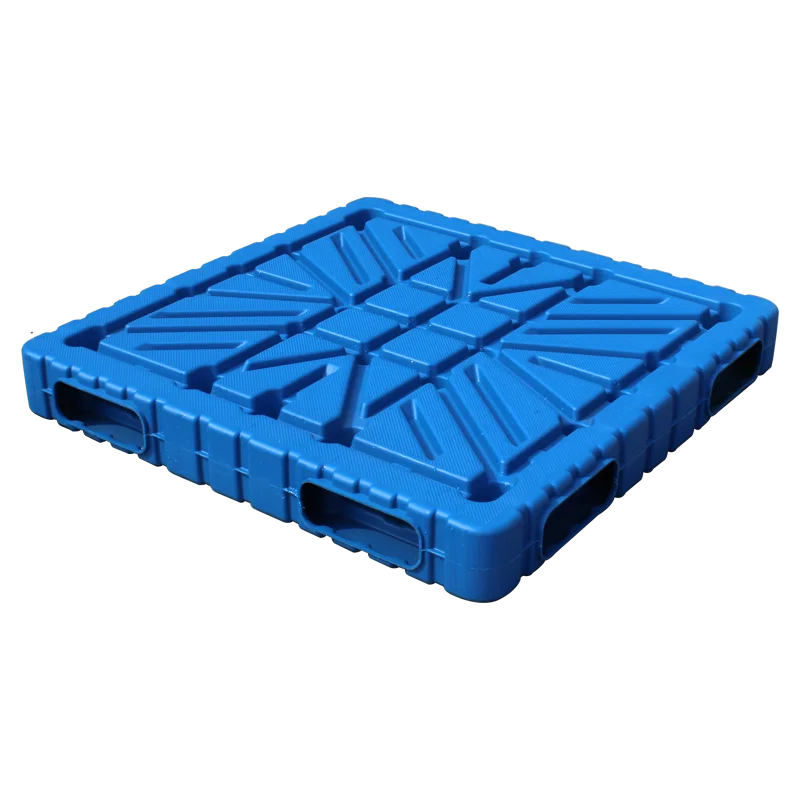
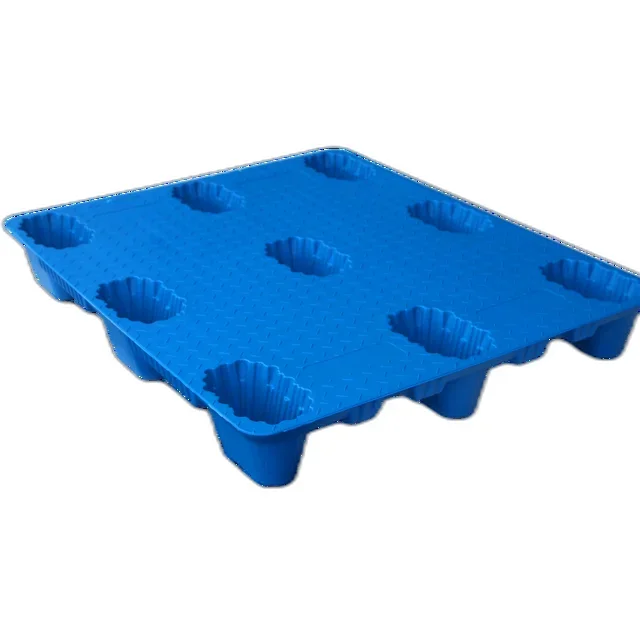
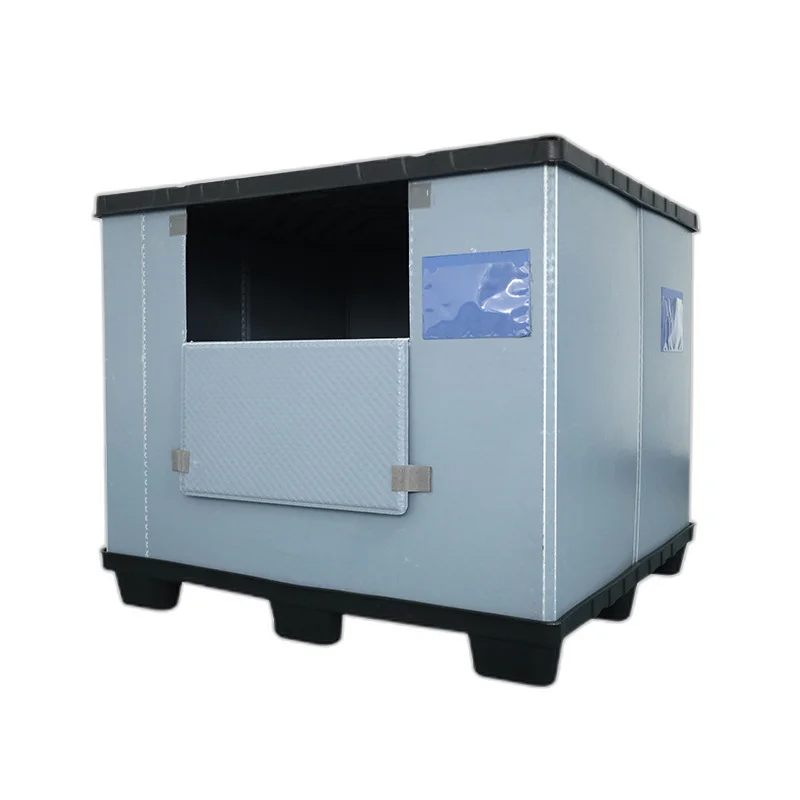
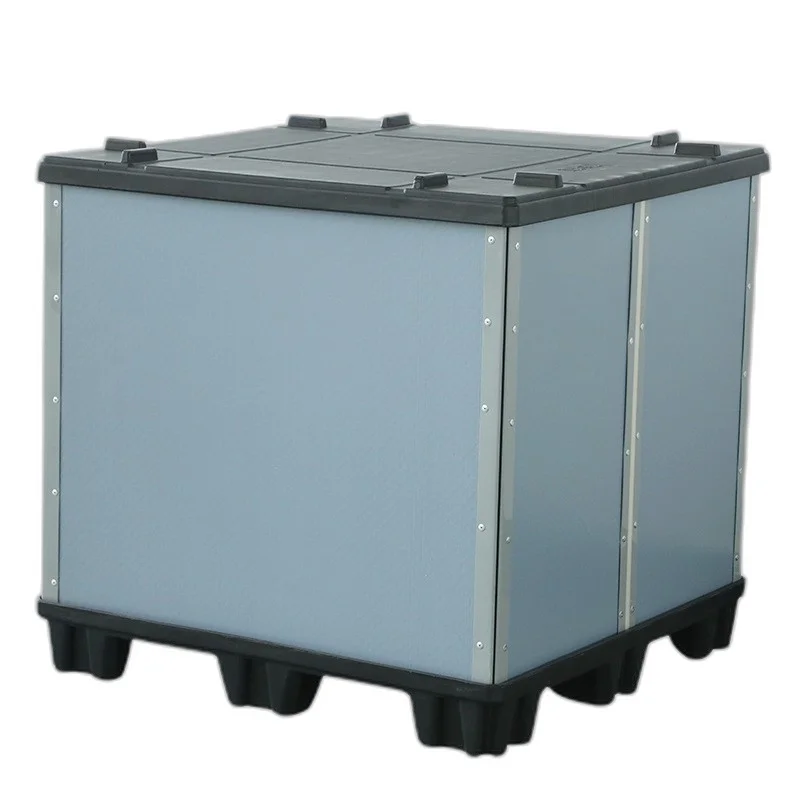
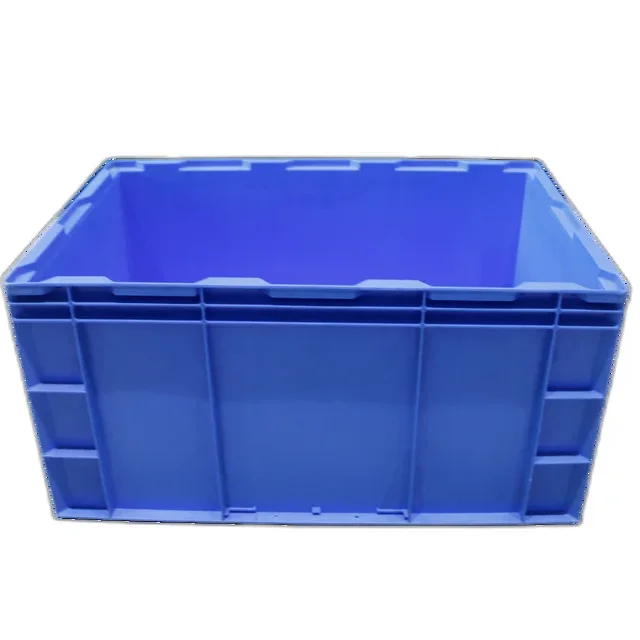
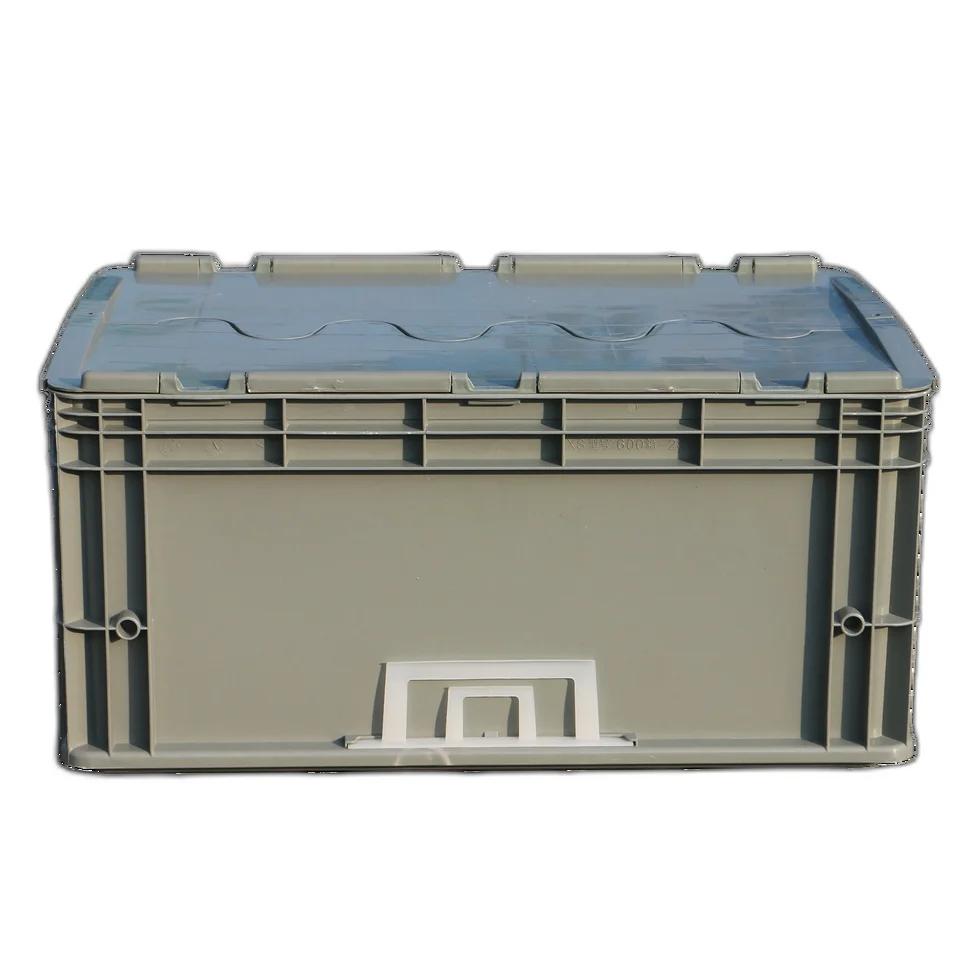
Industrial plastic pallets are essential components in modern warehousing and logistics, offering durability and versatility for various applications. When selecting the right industrial plastic pallet for your factory or warehouse, it's crucial to consider factors such as material, specifications, and intended use. This article aims to guide purchasing managers, distributors, and engineers in making informed decisions about industrial plastic pallets, focusing on material selection and other key considerations to ensure optimal performance in their operations.
How to Choose the Right Industrial Plastic Pallet for Your Needs
Choosing the right industrial plastic pallet involves assessing your specific application requirements. First, consider the load capacity. Pallets come in various weight ratings, so it's essential to select one that can safely support your intended load without risk of failure. Additionally, evaluate the pallet's dimensions to ensure it fits your storage systems and transportation methods.
Material selection is another critical factor. Different plastics, such as polyethylene or polypropylene, offer varying levels of durability, chemical resistance, and temperature tolerance. For example, if you're dealing with food products, selecting a pallet that complies with food safety regulations is vital.
Customization options should also be discussed with your supplier. Jiangsu Nexara specializes in providing tailored solutions, so consider whether your operations could benefit from custom features like specific colors, branding, or unique design elements.
Key Specifications to Consider for Industrial Plastic Pallets
When examining industrial plastic pallets, several specifications are critical to their performance:
Load Capacity: Understand the maximum load the pallet can handle. This is often categorized into dynamic (when in use) and static (when loaded but stationary) capacities.
Dimensions: Common sizes include 48x40 inches and 42x42 inches, but custom sizes may be necessary based on your storage requirements.
Material Type: Polyethylene is widely used for its strength and resistance to moisture, while polypropylene often provides better chemical resistance. Assess the environmental conditions your pallets will face.
Weight: Lighter pallets reduce shipping costs but may compromise strength. Ensure the weight aligns with your operational efficiency goals.
Design Features: Look for options such as vented designs for improved airflow in temperature-sensitive applications or solid decks for stability.
Understanding these specifications will help you select the right industrial plastic pallet that meets your operational requirements.
Understanding Pricing for Bulk Plastic Pallet Orders
Pricing for industrial recycled plastic pallets can vary significantly based on material, design, and order volume. Generally, bulk purchases reduce the per-unit cost due to economies of scale. As a buyer, it's essential to consider several factors when evaluating pricing:
Material Costs: High-quality materials may have a higher upfront cost but can lead to savings in the long run due to enhanced durability and lower replacement rates.
Customization: Features such as branding or specific dimensions might incur additional costs. It's advisable to discuss these needs upfront to get accurate pricing.
Shipping and Handling: Consider logistics when evaluating overall costs. Shipping fees can differ based on pallet weight and volume, impacting the final price.
MOQ (Minimum Order Quantity): Some suppliers have minimum order requirements that can affect pricing strategies. Be prepared to negotiate or adjust your order to meet these terms.
Understanding these pricing factors will help you budget effectively and make informed purchasing decisions.
A Comparison
When comparing industrial plastic pallets with alternatives like wood or metal, several distinctions emerge.
Durability: Plastic pallets are less susceptible to rot, splintering, and pest infestations compared to wood. They are also typically resistant to moisture, which is an advantage in humid environments.
Weight: Plastic pallets are generally lighter than metal alternatives, making them easier to handle and transport, potentially reducing shipping costs.
Cost: While plastic pallets may have a higher initial cost than wood pallets, their longevity and reduced maintenance needs can lead to lower total cost of ownership over time.
Hygiene: Plastic pallet storage are easier to clean and disinfect, making them suitable for industries like food and pharmaceuticals where hygiene is critical.
In choosing between these materials, consider your operational needs, budget, and long-term goals.
Material Advantages of Using Plastic Pallets Over Wood and Metal
The choice of material significantly impacts the performance and suitability of pallets for various applications. Here are some advantages of using plastic pallets:
Chemical Resistance: Plastic pallets can withstand exposure to various chemicals without degradation, making them ideal for industries involving hazardous materials.
Weight Efficiency: Plastic pallets are lighter than both wood and metal, which can enhance handling efficiency and reduce transportation costs.
Environmental Sustainability: Many plastic pallets are made from recycled materials and can be recycled at the end of their life cycle, aligning with sustainability initiatives.
Safety: Unlike wood pallets, plastic pallets do not splinter, reducing injury risks during handling. Additionally, many manufacturers ensure they meet safety certifications.
Versatility: Plastic pallets can be designed for specific applications, such as stackable or nestable designs, providing flexibility in storage and transportation.
For businesses looking to enhance their logistics and warehousing operations, the advantages of plastic pallets make a compelling case for their use over traditional materials.
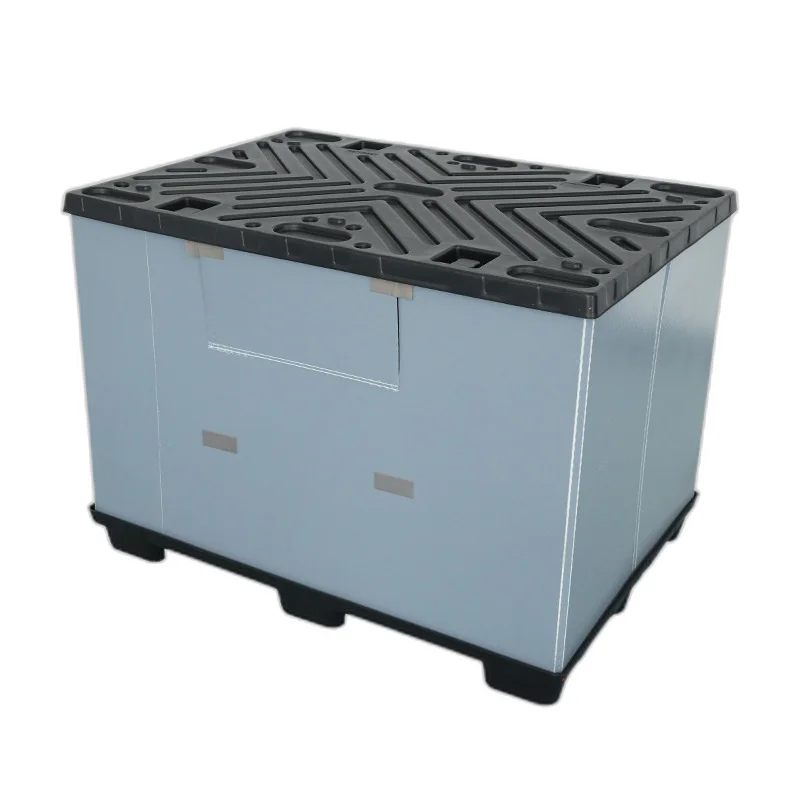
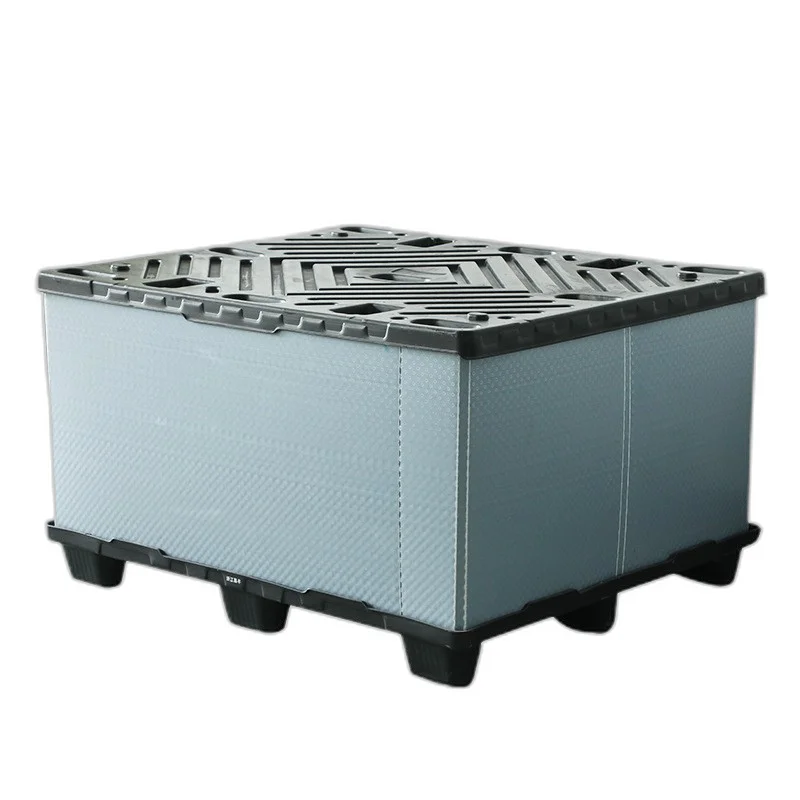
By considering the information presented, B2B buyers can make informed decisions regarding the selection, specifications, and pricing of industrial plastic pallet crates, ensuring they choose a solution that meets their operational requirements effectively.