 EN
EN
 AR
AR
 BG
BG
 HR
HR
 CS
CS
 DA
DA
 NL
NL
 FI
FI
 FR
FR
 DE
DE
 EL
EL
 HI
HI
 IT
IT
 JA
JA
 KO
KO
 NO
NO
 PL
PL
 PT
PT
 RO
RO
 RU
RU
 ES
ES
 SV
SV
 CA
CA
 TL
TL
 IW
IW
 ID
ID
 UK
UK
 VI
VI
 SQ
SQ
 ET
ET
 GL
GL
 HU
HU
 TH
TH
 TR
TR
 FA
FA
 AF
AF
 GA
GA
 CY
CY
 BE
BE
 BN
BN


/images/share.png)
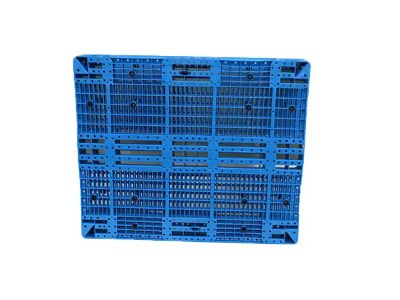
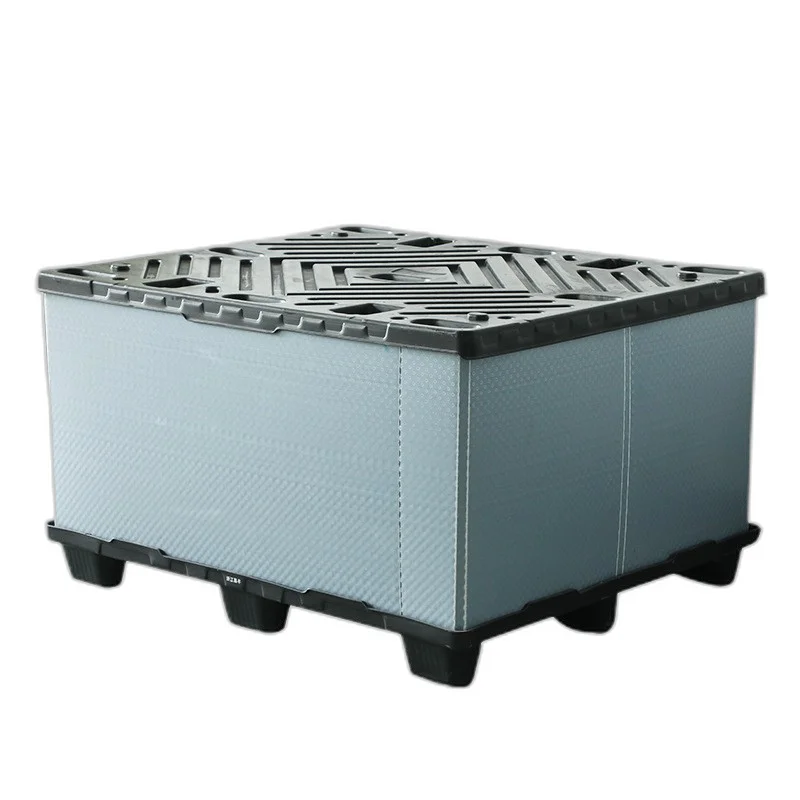
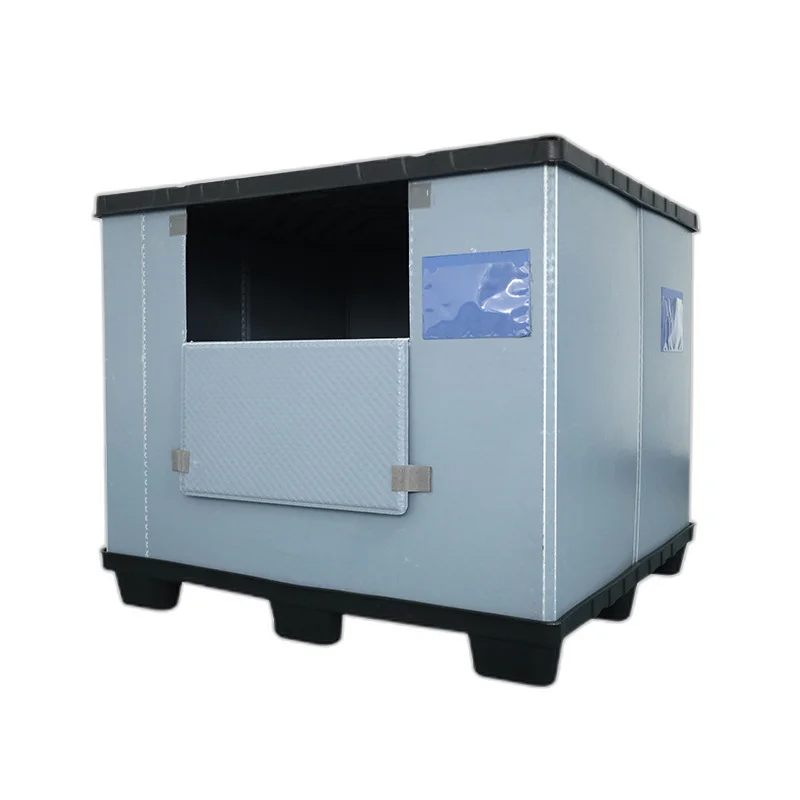
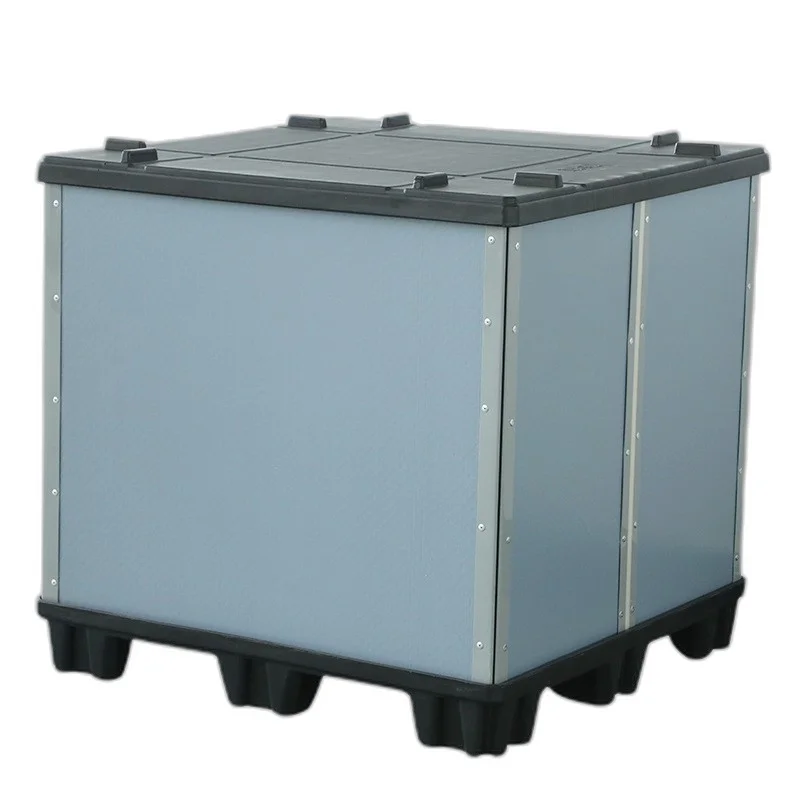
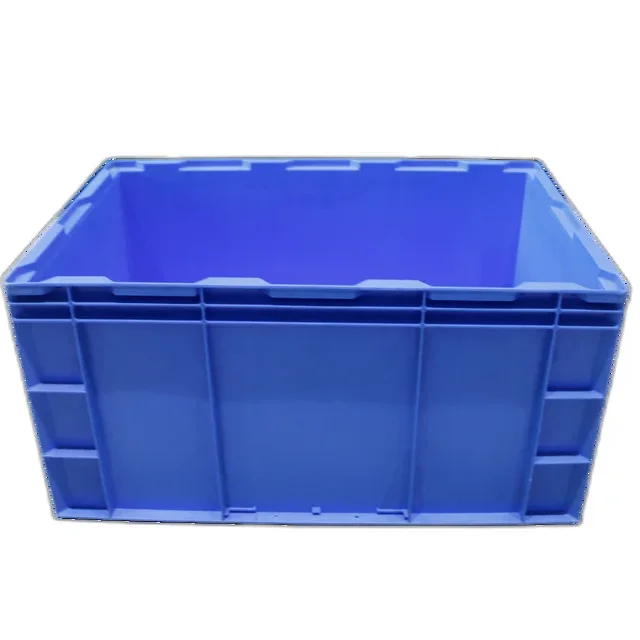
Choosing the right pallet for exports is crucial for businesses concerned with compliance and long-term value. In the ongoing debate of plastic pallets vs. wood pallets, understanding their differences can significantly impact logistics, cost-efficiency, and regulatory adherence. This article will delve into these two options, addressing key buyer concerns such as durability, compliance with export regulations, and overall value over time
How to Choose Between Plastic Pallets and Wood Pallets for Exports
When selecting between plastic and wood pallets for export, buyers should consider several essential factors. First and foremost is compliance with international shipping regulations. Plastic pallets often meet stricter hygiene standards, making them suitable for industries like food and pharmaceuticals. Wood pallets require heat treatment or fumigation to comply with ISPM 15 regulations, which can add to the overall cost and lead time
Durability is another critical aspect. Plastic pallets can withstand harsh environments, resist moisture, and are less prone to splintering or breaking. This durability translates to a longer lifespan, potentially lowering the total cost of ownership. Wood pallets, while often cheaper upfront, may require more frequent replacements, especially in demanding conditions
Additionally, weight can influence shipping costs. Plastic pallets generally weigh less than their wooden counterparts, which can reduce transportation costs, especially for long-distance shipments. Buyers should weigh these factors against their specific logistical needs and budget to make an informed decision
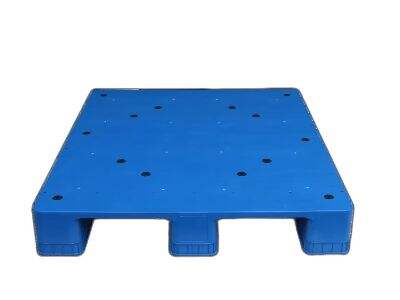
Plastic Pallets vs. Wood Pallets for Wholesale
In wholesale scenarios, the choice between plastic and wood pallets can significantly influence operational efficiency. Plastic pallets often provide a consistent quality that is crucial for automated handling systems. Their uniform size and shape ensure compatibility with various machinery, minimizing operational disruptions
Conversely, wood pallets are generally available at a lower price point, appealing to cost-sensitive buyers. However, they may not offer the same level of standardization. Variability in wood pallet sizes can lead to complications in warehousing and transportation, potentially increasing the risk of damage during handling
Additionally, wholesalers should consider the environmental impact. Plastic pallets can be recycled and have a longer lifespan, contributing to reduced waste. Buyers focused on sustainability may prefer plastic options, especially considering the growing emphasis on corporate responsibility in supply chains
Comparing Plastic and Wood Pallet Solutions
When comparing plastic and wood packaging pallets, it's essential to evaluate key specifications that affect performance and suitability for various applications
Material Properties
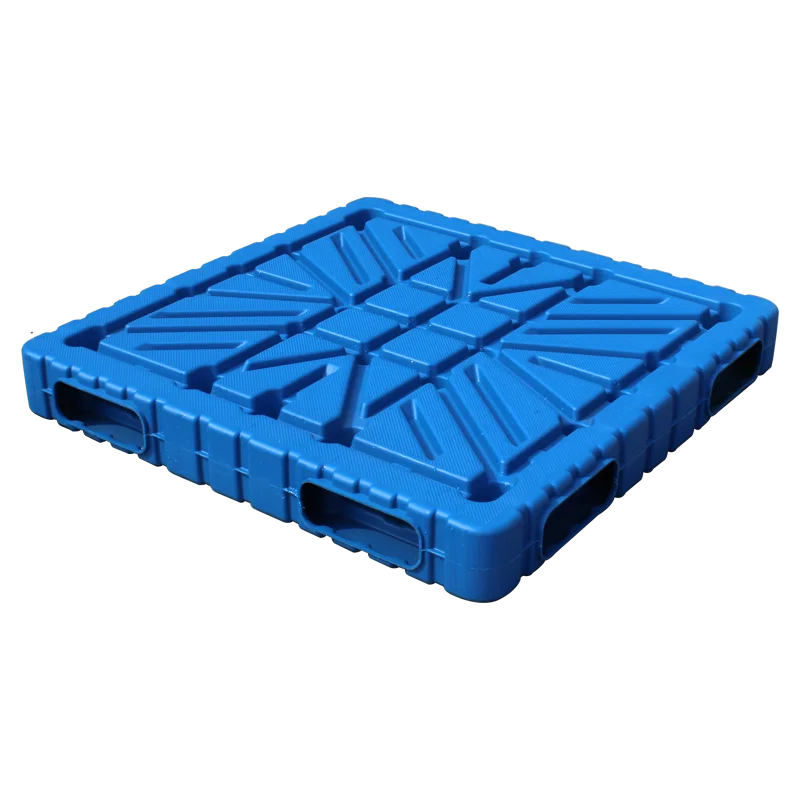
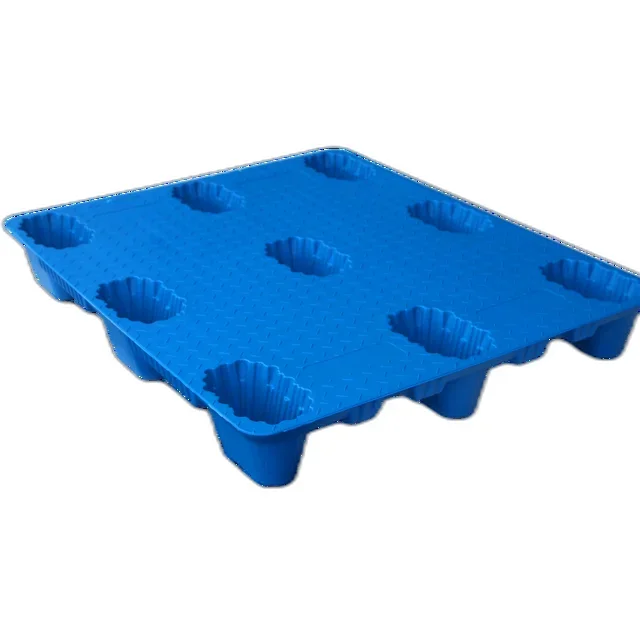
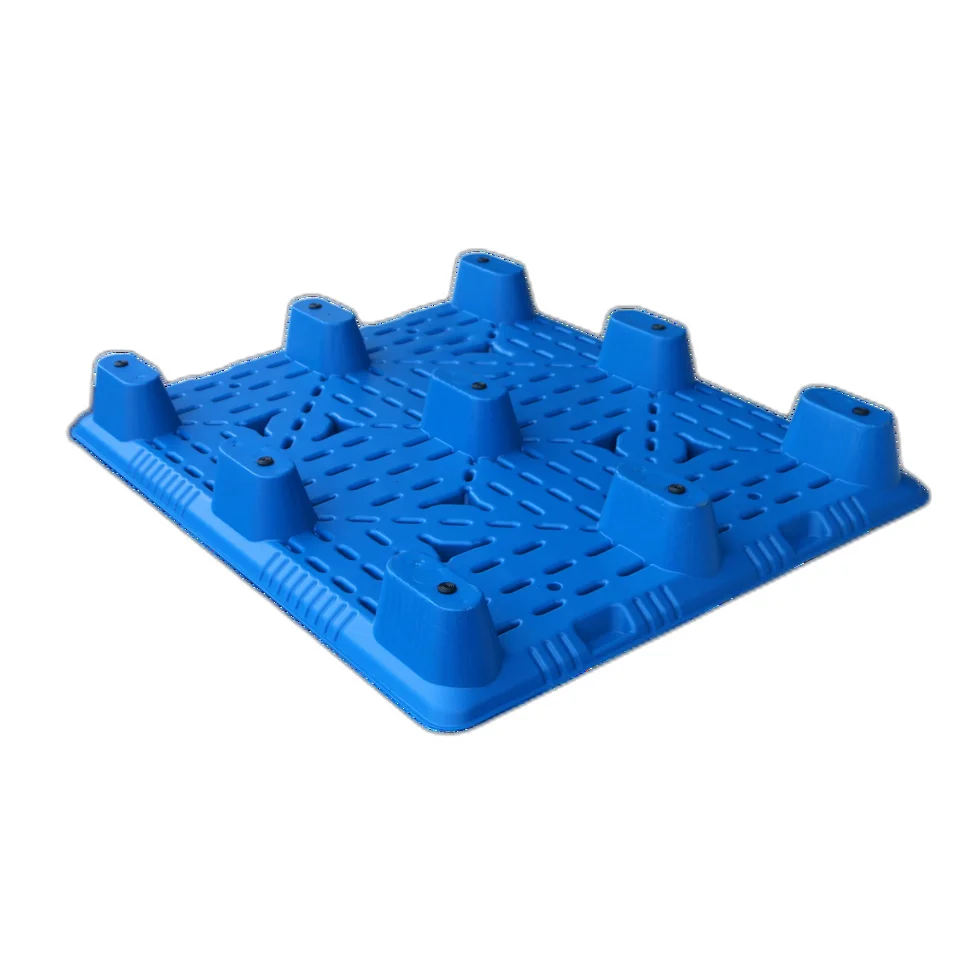
Plastic Pallets: Made from high-density polyethylene (HDPE) or polypropylene, these pallets are resistant to chemicals, moisture, and pests. This resistance makes them ideal for sensitive environments such as food processing and pharmaceuticals
Wood Pallets: Typically made from hardwood or softwood, they offer a natural solution but can harbor pests and absorb moisture, which may lead to contamination
Load Capacity
Plastic Pallets: Can support heavy loads without deforming, often rated for higher load capacities than wood pallets
Wood Pallets: Load capacity varies significantly based on the type of wood and construction quality, which can lead to inconsistencies
Maintenance and Repair
Plastic Pallets: Generally require less maintenance. Any damage can often be repaired or the pallet replaced easily
Wood Pallets: May need repairs, such as replacing broken slats, which can require additional labor and time
Evaluating these specifications helps buyers determine which pallet type aligns best with their operational needs and budget constraints
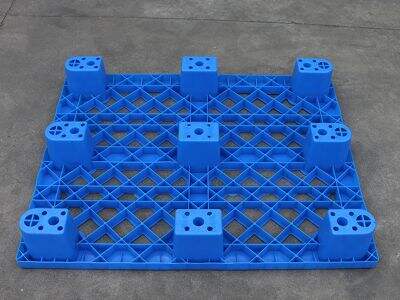
Common Problems with Wood Pallets and How Plastic Pallets Solve Them
Wood pallets come with several inherent issues that can complicate logistics and compliance. One of the most significant problems is the risk of pest infestations, which can lead to damage in transit and compliance violations. Plastic pallets, in contrast, do not support pest growth and are easier to sanitize, ensuring products remain uncontaminated
Another common issue with wood pallets is their susceptibility to splintering and breaking, which can pose safety risks during handling. Plastic pallets are designed to be robust and splinter-free, enhancing workplace safety and reducing the likelihood of product damage
Additionally, the variability in wood pallet sizes can lead to inconsistent stacking and storage, increasing the risk of accidents in warehouses. Plastic pallets offer uniformity in size, facilitating smoother logistics and storage solutions
Where to Source High-Quality Plastic Pallets for Your Business Needs
Finding a reliable source for high-quality plastic pallets is essential for ensuring compliance and performance. Start by evaluating manufacturers with a proven track record in the industry. Look for companies that specialize in plastic injection and blow-molded products, as they will have the necessary expertise in material selection and production processes
Inquire about certifications that indicate adherence to quality and safety standards. For instance, ISO certifications can be a good indicator of a manufacturer’s commitment to quality control processes. Additionally, ask about their customization capabilities—many manufacturers, including Jiangsu Nexara, offer tailored solutions to fit specific business needs
When sourcing, consider minimum order quantities (MOQ) and lead times. Understanding these factors will help you plan your inventory effectively and avoid disruptions in your supply chain. Lastly, always request samples before placing a large order to ensure the spill pallets meet your specifications and performance requirements
By evaluating these aspects thoroughly, buyers can make informed decisions that align with their logistical needs and compliance requirements