 EN
EN
 AR
AR
 BG
BG
 HR
HR
 CS
CS
 DA
DA
 NL
NL
 FI
FI
 FR
FR
 DE
DE
 EL
EL
 HI
HI
 IT
IT
 JA
JA
 KO
KO
 NO
NO
 PL
PL
 PT
PT
 RO
RO
 RU
RU
 ES
ES
 SV
SV
 CA
CA
 TL
TL
 IW
IW
 ID
ID
 UK
UK
 VI
VI
 SQ
SQ
 ET
ET
 GL
GL
 HU
HU
 TH
TH
 TR
TR
 FA
FA
 AF
AF
 GA
GA
 CY
CY
 BE
BE
 BN
BN




/images/share.png)
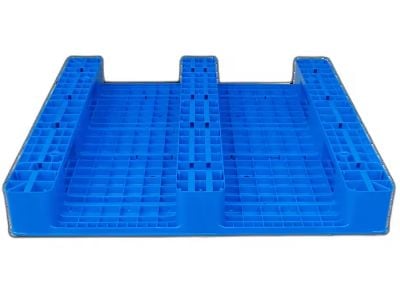
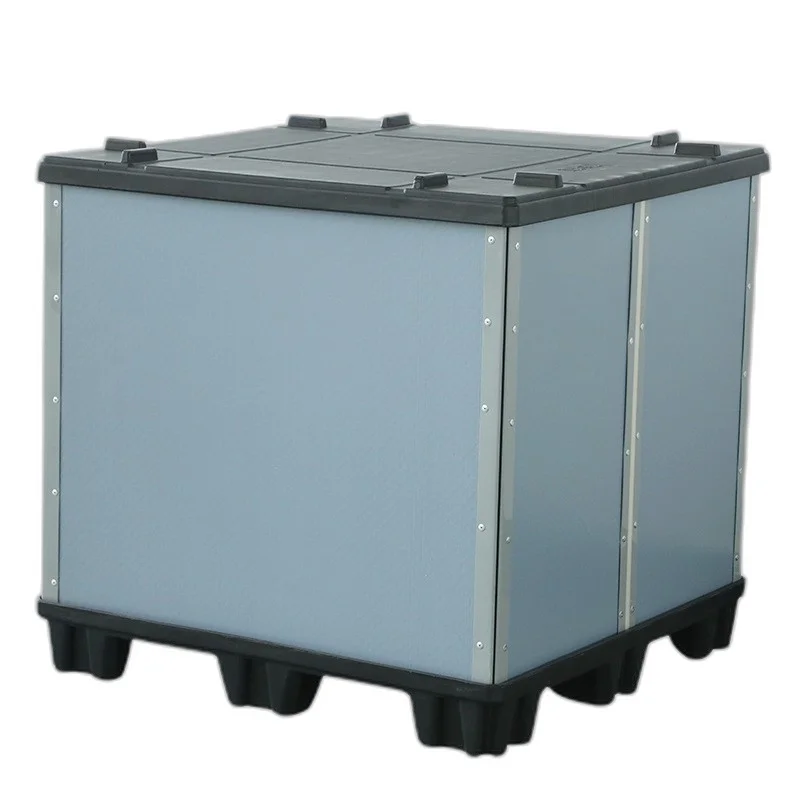
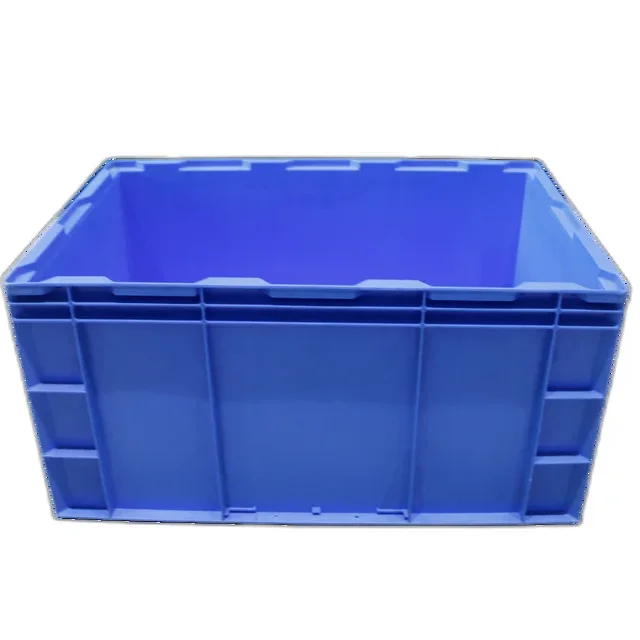
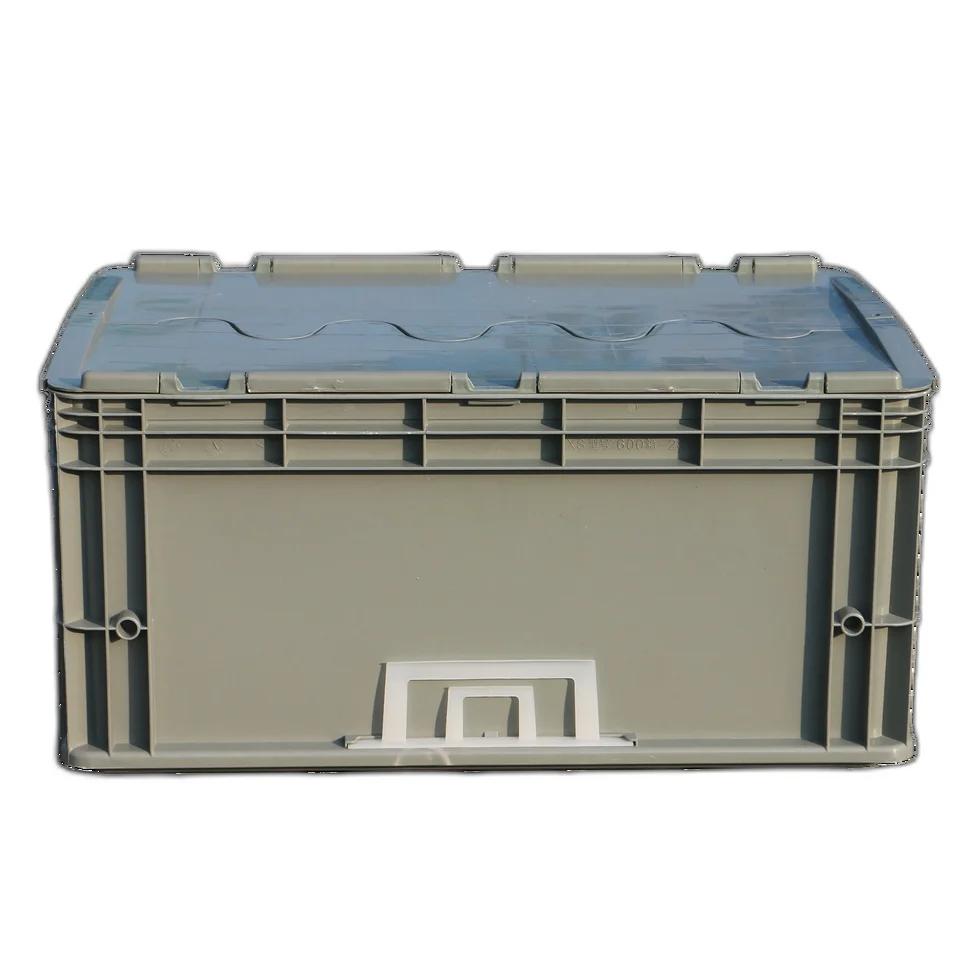
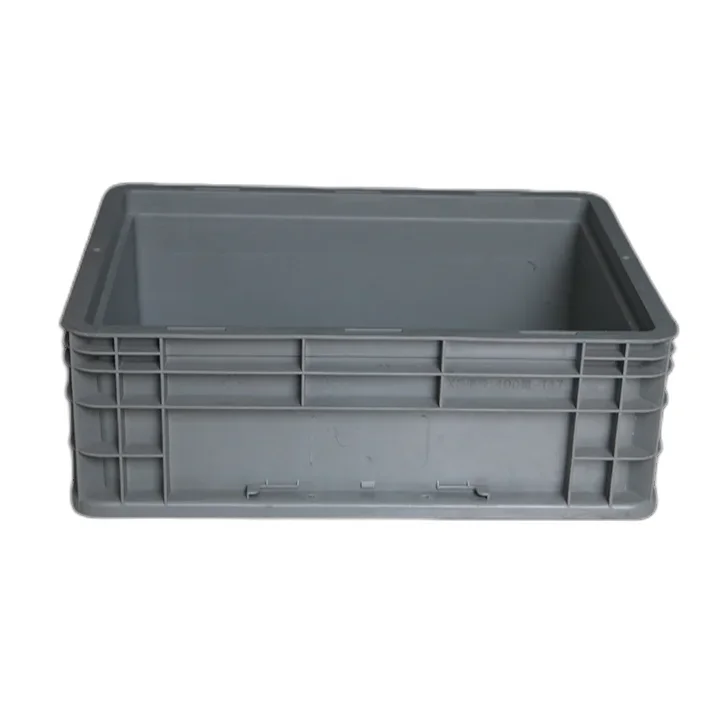
Choosing plastic pallets for shipping involves careful consideration of load capacity and container compatibility, both crucial for efficient logistics and storage. B2B buyers, including purchasing managers and logistics coordinators, often face challenges such as selecting the right pallet size, material specifications, and ensuring the pallets can withstand their specific operational conditions. This article will guide you through key specifications, supplier options, pricing structures, common issues, and best practices for using plastic pallets effectively.
Key Specifications to Consider
When selecting plastic pallets, several specifications are vital to ensure they meet your operational needs. Key factors include:
Load Capacity: Determine the maximum weight the pallet must support, considering dynamic (moving) and static (stationary) loads. Pallets designed for heavier loads typically use thicker materials and reinforced designs.
Dimensions: Standard pallet sizes are essential for compatibility with storage and transportation systems. Common sizes include 48x40 inches, but custom dimensions may be necessary depending on your application.
Material Type: Pallets are often made from high-density polyethylene (HDPE) or polypropylene. HDPE offers superior chemical resistance and durability, while polypropylene may be lighter and more cost-effective for certain applications.
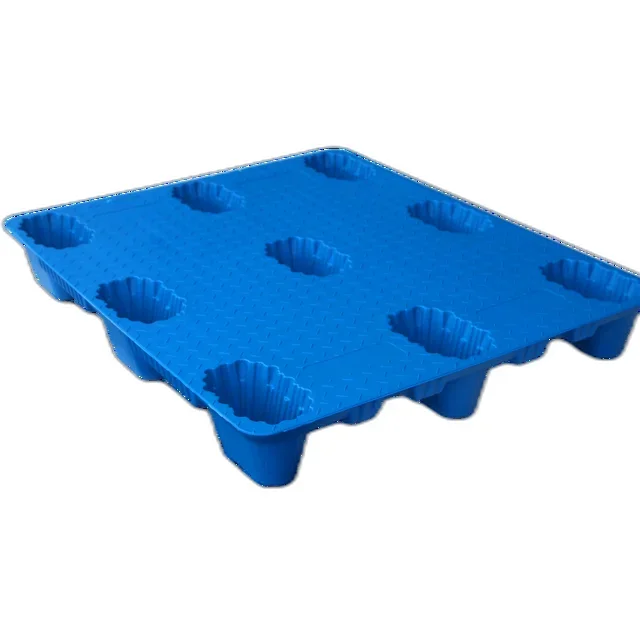
Structural Design: The design impacts the pallet’s strength and performance. Options include solid decks for stability and hygiene or open decks for better drainage and airflow in environments like food processing.
Compliance and Certifications: Ensure the pallets meet industry standards (e. g., FDA approvals for food use) and any specific certifications required by your operation.
Understanding these specifications will help you select plastic pallet that fit your shipping and storage requirements, minimizing risks of damage or inefficiencies.
Finding Reliable Suppliers for Plastic Pallets
Finding a trustworthy supplier is crucial in the procurement process. Look for manufacturers with a solid track record, such as Jiangsu Nexara, which has over 30 years of experience in producing plastic products. Consider the following when evaluating suppliers:
Production Capabilities: Ensure the supplier has sufficient production capacity and advanced manufacturing technologies, such as injection molding and blow molding processes, to meet your volume needs.
Customization Options: A reliable supplier should offer customization options based on size, load capacity, and color, allowing you to tailor the pallets to your specific application requirements.
Quality Control Processes: Inquire about the supplier's quality assurance practices. Certifications and regular audits can indicate a commitment to producing high-quality products.
Export Experience: If you require international shipping, ensure the supplier has experience in exporting and can handle logistics effectively.
Customer Support: Choose a supplier that provides excellent customer service, including after-sales support and clear communication throughout the supply chain.
Conducting thorough research and establishing clear criteria for supplier selection can lead to successful long-term partnerships.
Understanding Pricing for Plastic Pallets in Bulk Orders
Pricing for plastic pallets varies based on several factors, which are crucial for budget management in bulk orders. Key considerations include:
Material Costs: The type of plastic and its sourcing can significantly affect pricing. HDPE pallets, while more durable, may have a higher upfront cost compared to lower-grade materials.
Order Volume: Bulk orders typically reduce the per-unit price. Be mindful of the minimum order quantity (MOQ) set by suppliers, as this can influence your budget and inventory management.
Customization Fees: Customization can add to the base cost. Discuss your needs with potential suppliers to understand how these changes impact pricing.
Shipping and Handling: Factor in transportation costs, which can vary based on distance, pallet weight, and shipping method. Efficient logistics planning can mitigate these expenses.
Market Influences: Stay aware of fluctuations in material costs due to market demand, which can affect your purchasing strategy.
Understanding these elements will help you negotiate better terms and make informed purchasing decisions.
Common Problems with Plastic Pallets and Effective Solutions
Plastic pallets, while advantageous in many ways, can present challenges. Common problems include:
Durability Issues: Over time, pallets may suffer from wear and tear, especially if used in harsh conditions. To combat this, select pallets specifically designed for heavy-duty use and conduct regular inspections to identify any signs of damage.
Temperature Sensitivity: Certain plastics may become brittle in extreme temperatures. When selecting pallets, consider the operating environment and choose materials that can withstand the anticipated conditions.
Compatibility with Equipment: Ensure that the pallets fit seamlessly with your existing handling equipment (forklifts, conveyor systems, etc.). Incompatibility can lead to operational inefficiencies and increased labor costs.
Hygiene Concerns: In industries like food or pharmaceuticals, cleanliness is paramount. Opt for plastic pallet box that are easy to clean and meet regulatory standards for hygiene.
Addressing these issues proactively through careful selection and regular maintenance will enhance the longevity and effectiveness of your plastic pallets.
Best Practices for Using Plastic Pallets
To maximize the benefits of plastic pallets, consider the following best practices:
Proper Handling: Train staff on correct handling techniques to prevent damage during loading and unloading. This includes using appropriate equipment and avoiding overloading pallets.
Regular Inspections: Establish a routine inspection schedule to check for cracks, warping, or other damage. Early detection can prevent costly replacements and ensure safety.
Stacking Techniques: When storing plastic pallets, stack them properly to avoid deformation. Follow the manufacturer’s guidelines regarding stacking limits to maintain structural integrity.
Storage Conditions: Store plastic pallet black in a climate-controlled environment if possible, especially in areas with extreme temperatures. This will help maintain their durability and performance.
Documentation and Tracking: Keep detailed records of pallet usage, maintenance, and inspections. This data will be invaluable for inventory management and improving logistics operations.
Implementing these best practices will enhance the efficiency of your operations and prolong the life of your plastic pallets. By understanding essential specifications, sourcing reliable suppliers, navigating pricing, addressing common issues, and following best practices, B2B buyers can confidently choose plastic pallets that meet their shipping and storage needs.