 EN
EN
 AR
AR
 BG
BG
 HR
HR
 CS
CS
 DA
DA
 NL
NL
 FI
FI
 FR
FR
 DE
DE
 EL
EL
 HI
HI
 IT
IT
 JA
JA
 KO
KO
 NO
NO
 PL
PL
 PT
PT
 RO
RO
 RU
RU
 ES
ES
 SV
SV
 CA
CA
 TL
TL
 IW
IW
 ID
ID
 UK
UK
 VI
VI
 SQ
SQ
 ET
ET
 GL
GL
 HU
HU
 TH
TH
 TR
TR
 FA
FA
 AF
AF
 GA
GA
 CY
CY
 BE
BE
 BN
BN




/images/share.png)
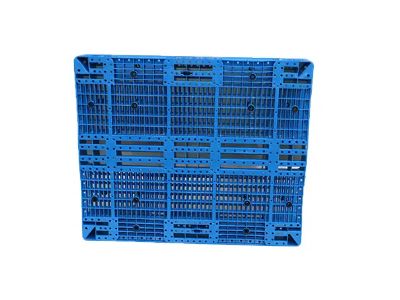
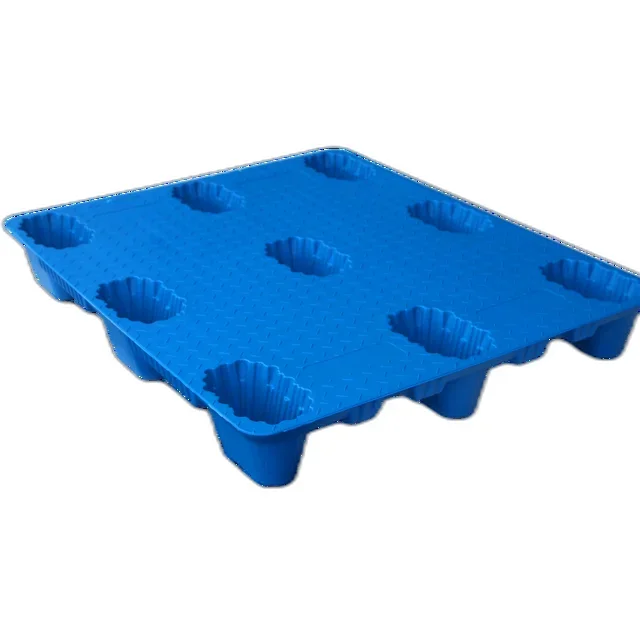
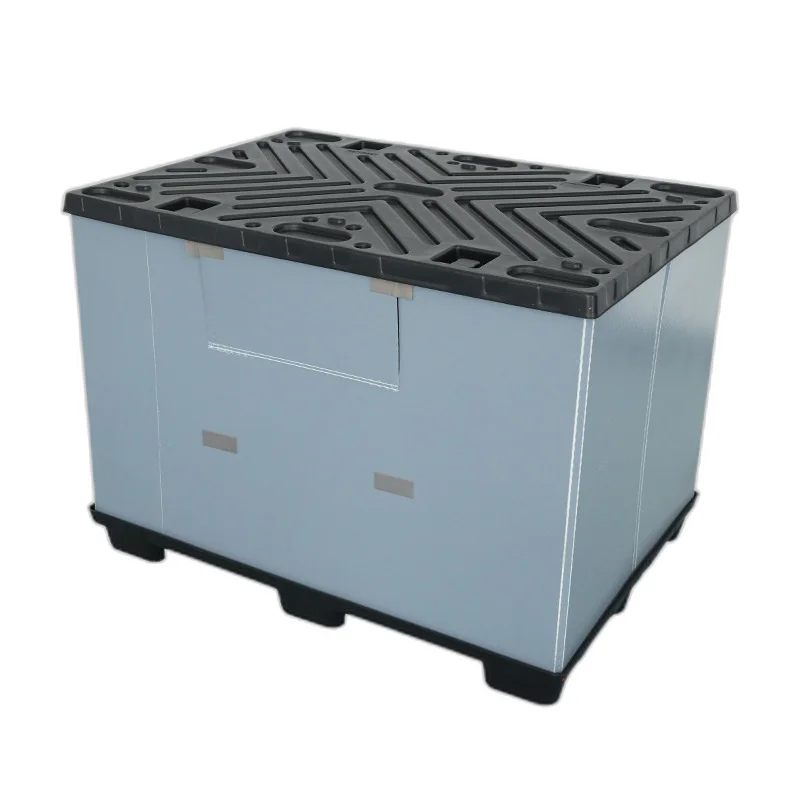
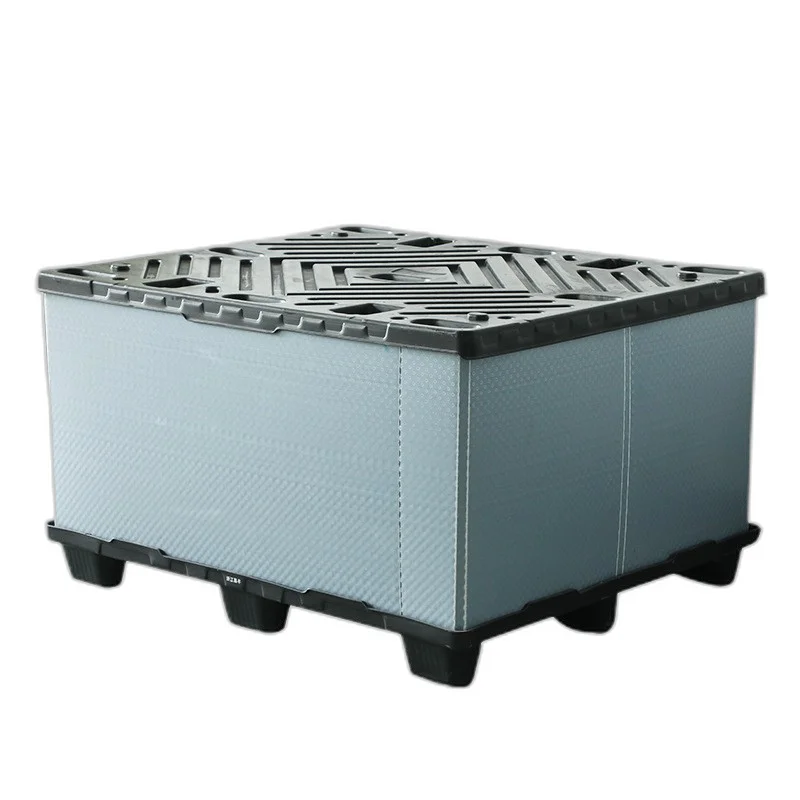
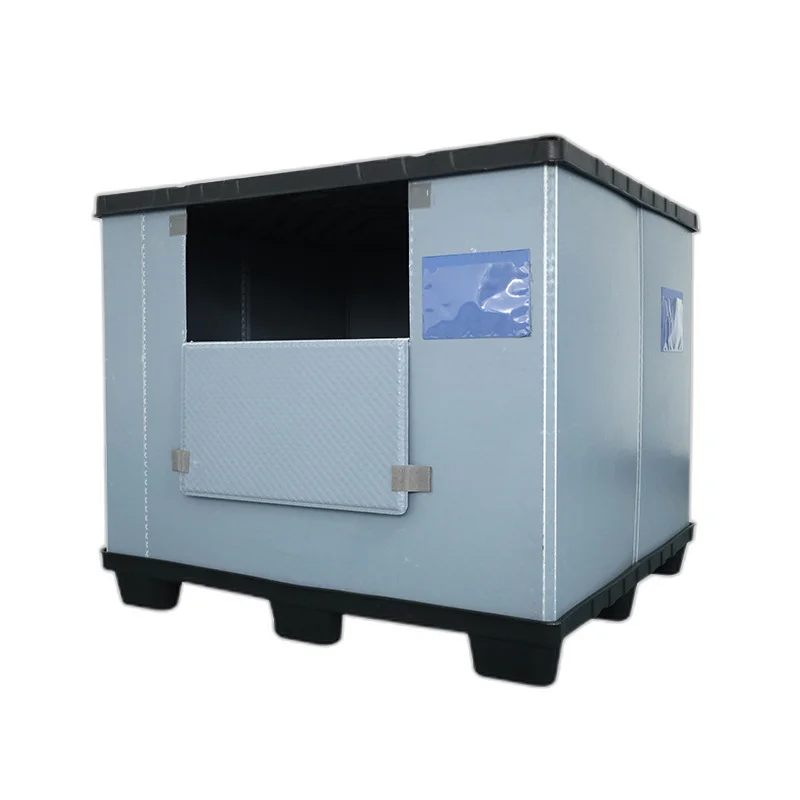
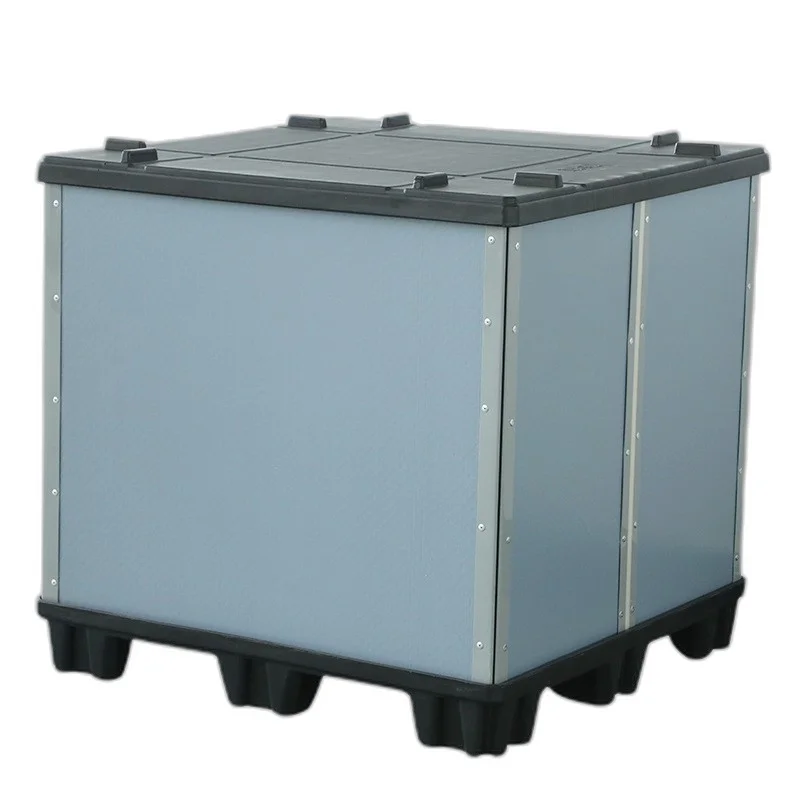
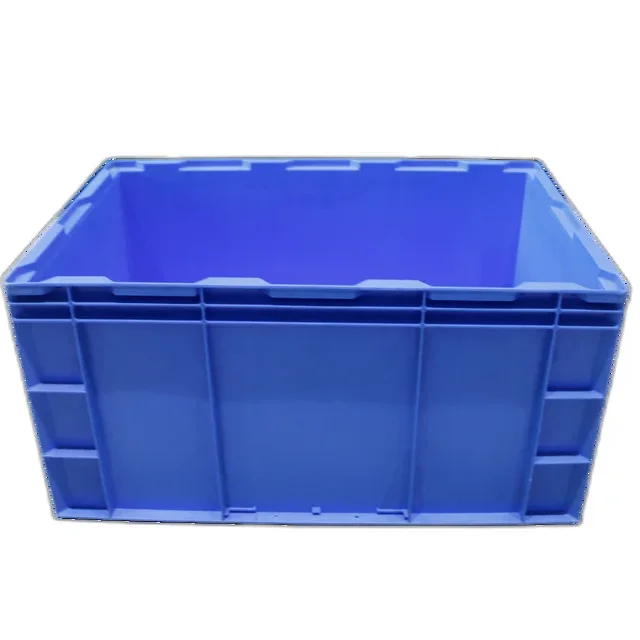
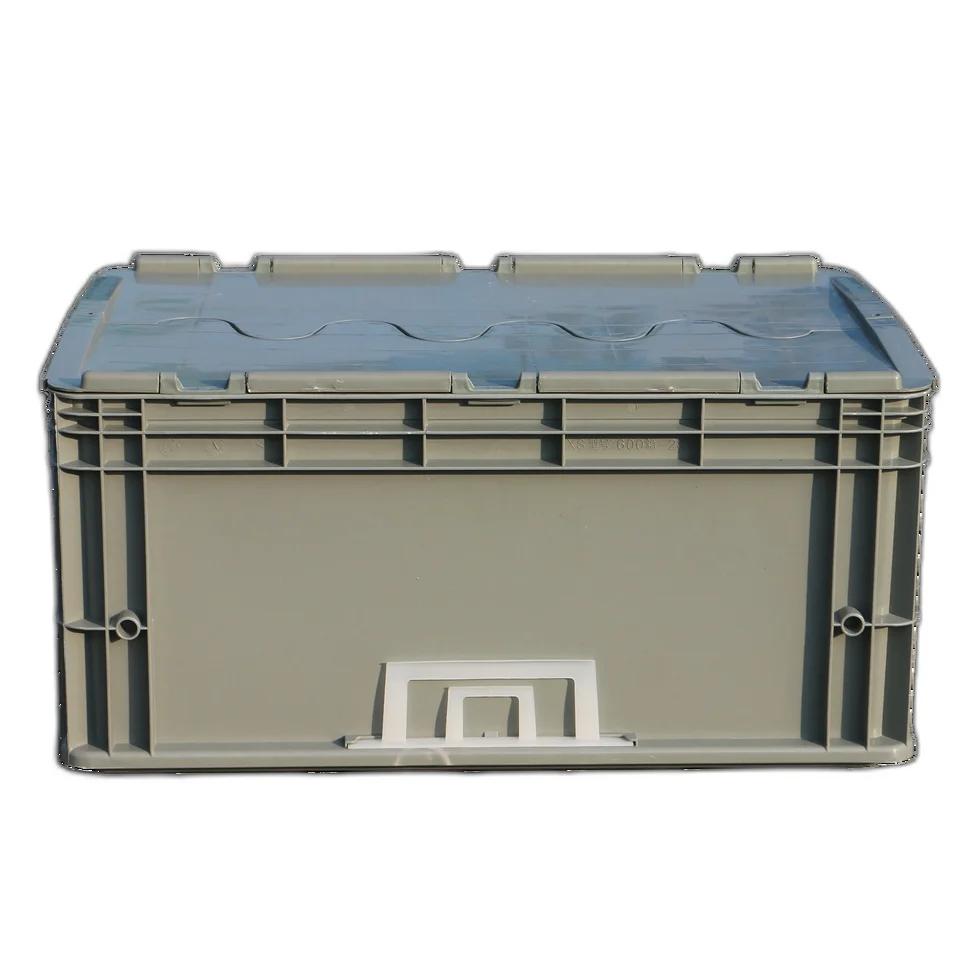
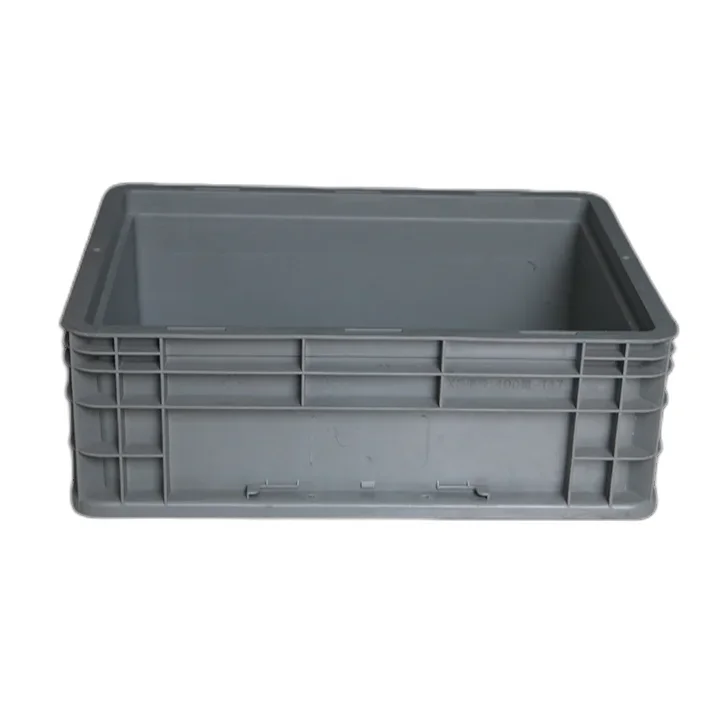
Choosing a reliable plastic pallet supplier for bulk orders is crucial for businesses looking to optimize their logistics and warehousing processes. With numerous suppliers available, B2B buyers often face challenges related to quality, pricing, and customization capabilities. This article will guide you through the essential specifications to consider when selecting a supplier, key supplier attributes, how to compare options for your specific project needs, ensuring seamless use, and common problems associated with plastic pallet along with effective solutions.
Key Specifications to Consider When Sourcing Plastic Pallet Suppliers
When sourcing plastic pallets, several specifications are critical to ensure the selected pallets meet your operational needs. Here are the primary factors to evaluate:
Material Composition: Plastic pallets can be made from various materials, including HDPE (High-Density Polyethylene) and PP (Polypropylene). Each material offers different levels of durability, chemical resistance, and weight-bearing capabilities. For instance, HDPE is often preferred for its ability to withstand harsh chemicals, making it ideal for the food and medical industries.
Load Capacity: Understanding the load capacity is vital. This specification dictates how much weight the pallet can safely support during storage and transportation. Buyers should confirm this based on their specific product weights and stacking requirements to avoid potential damage or safety hazards.
Dimensions and Design: The size and design of the pallets should align with your storage systems and transportation methods. Standard dimensions can vary, so ensure the chosen pallets fit well within your existing racking systems and are compatible with your handling equipment.
Weight: The weight of the pallets affects shipping costs and handling efficiency. Lightweight pallets can reduce freight expenses but should still meet the necessary strength requirements.
Compliance and Certifications: Verify if the pallets comply with industry standards or regulations relevant to your operations. Certifications may indicate quality assurance and safety compliance, particularly in regulated sectors like food and pharmaceuticals.
What to Look for in a Reliable Supplier of Plastic Pallets?
Identifying a trustworthy supplier involves more than just evaluating product specifications. Here are key attributes to consider:
Experience and Reputation: Look for suppliers with extensive experience in the heavy duty plastic pallets industry. Companies like Jiangsu Nexara, with 30 years of experience in manufacturing, can provide insights into product quality and reliability.
Manufacturing Capabilities: A supplier with advanced manufacturing capabilities, including a range of production methods like injection molding and blow molding, can offer diverse product options tailored to your needs. Understanding their production processes can also help assess their capacity for customization.
Quality Control Processes: Ensure the supplier has robust quality control measures in place. This includes inspection protocols at various production stages and post-production testing to confirm that the pallets meet your specifications and quality standards.
Customer Support and Communication: A reliable supplier should have a responsive customer service team that can address inquiries and provide support throughout the purchasing process. This is crucial for resolving any issues that may arise during production or delivery.
Customization Options: Depending on your application, you may need specific pallet designs or features. Confirm that the supplier offers customization capabilities to modify dimensions, colors, or branding as needed.
How to Compare Plastic Pallet Options for Your Project Needs?
When comparing plastic pallet options, several factors should influence your decision:
Cost Analysis: While price is an important consideration, it should not be the sole factor. Look beyond the initial cost to evaluate the total cost of ownership, which includes factors such as lifespan, maintenance, and potential damage costs.
Sample Testing: Before committing to bulk orders, request samples to assess the pallets' performance under real-world conditions. This can reveal how well a pallet holds up under your specific handling and transportation processes.
Supplier Performance History: Investigate the supplier's track record with other customers. Reviews and testimonials can provide insights into their reliability, product quality, and service level.
Lead Times: Understand the supplier’s lead times for production and delivery. This is critical for project planning, especially if your operations depend on timely shipments of materials.
Return and Warranty Policies: Check the supplier's return and warranty terms. A good policy can provide peace of mind, especially if there are defects or issues with the pallets after purchase.
Ensuring Seamless Use
To maximize the efficiency of plastic pallets in your operations, consider the following:
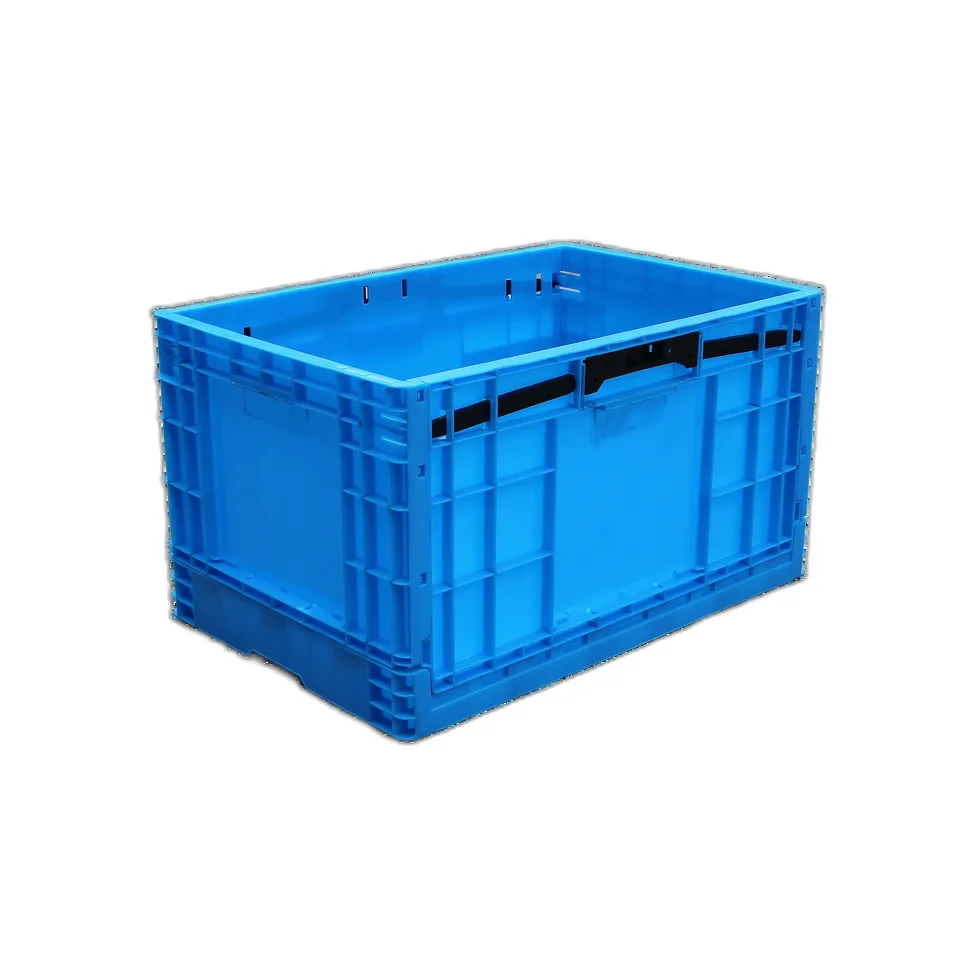
Proper Handling Practices: Train staff on best practices for handling plastic pallet crates to prevent damage during loading and unloading. This includes using appropriate equipment and techniques tailored for plastic materials.
Regular Inspections: Implement a routine inspection schedule to identify any wear or damage. This proactive approach can help minimize disruptions and maintain safety standards.
Storage Conditions: Store pallets in a cool, dry place to prevent warping or degradation, especially if they are made from materials sensitive to temperature fluctuations.
Compatibility with Equipment: Ensure that the pallets work well with your existing forklifts and conveyor systems. Compatibility can enhance operational efficiency and reduce the risk of accidents.
Common Problems with Plastic Pallets and Effective Solutions
While plastic pallets are advantageous, they are not without challenges. Here are common issues and their solutions:
Cracking Under Heavy Loads: If pallets are cracking under load, it may indicate that the load capacity was miscalculated. Review the weight limits and consider lighter loads or reinforced pallets.
Slipping During Transport: Pallets can slide if not secured properly. Use strapping or shrink wrap to stabilize loads during transport, ensuring safety and minimizing product damage.
Environmental Conditions: Exposure to extreme temperatures or direct sunlight can affect the integrity of plastic pallets. Select pallets designed for your specific environmental conditions and ensure proper storage away from harsh elements.
Cleaning and Maintenance: Plastic pallets can be easier to clean than wooden ones, but they still require regular maintenance. Establish a cleaning protocol that fits the materials and regulations of your industry, especially in food or medical applications.
Choosing a reliable plastic pallet supplier for bulk orders requires careful consideration of specifications, supplier attributes, and operational needs. By understanding the essential factors and potential challenges, you can make informed decisions that enhance your logistics and warehousing efficiency.