 EN
EN
 AR
AR
 BG
BG
 HR
HR
 CS
CS
 DA
DA
 NL
NL
 FI
FI
 FR
FR
 DE
DE
 EL
EL
 HI
HI
 IT
IT
 JA
JA
 KO
KO
 NO
NO
 PL
PL
 PT
PT
 RO
RO
 RU
RU
 ES
ES
 SV
SV
 CA
CA
 TL
TL
 IW
IW
 ID
ID
 UK
UK
 VI
VI
 SQ
SQ
 ET
ET
 GL
GL
 HU
HU
 TH
TH
 TR
TR
 FA
FA
 AF
AF
 GA
GA
 CY
CY
 BE
BE
 BN
BN




/images/share.png)
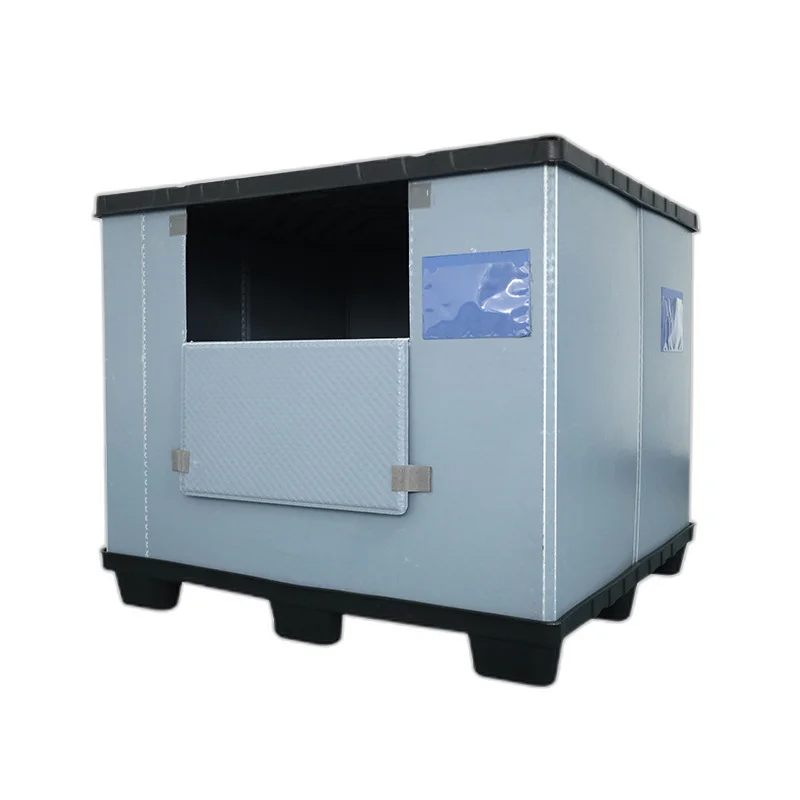
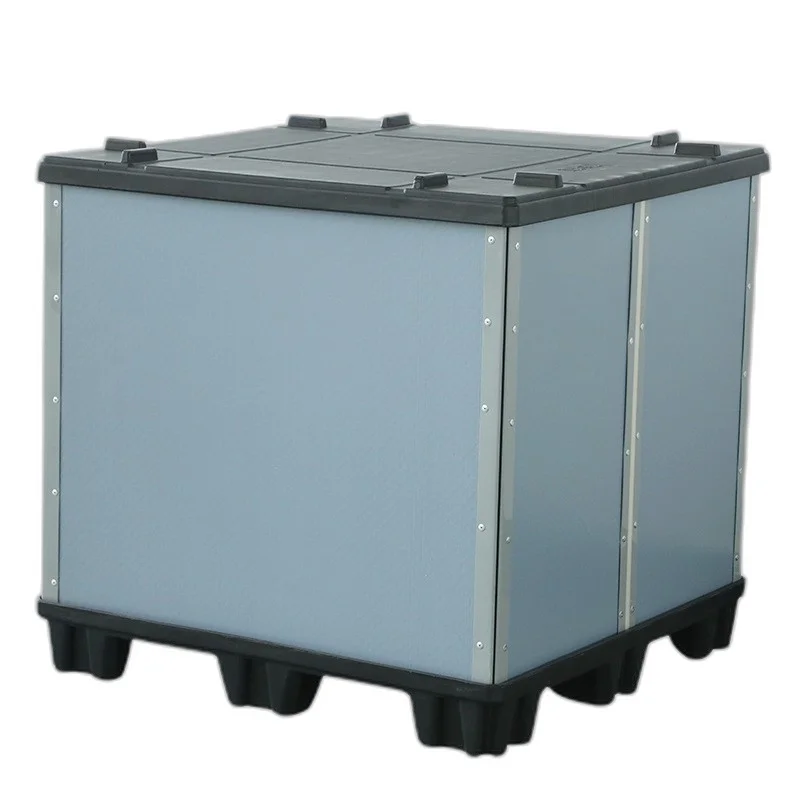
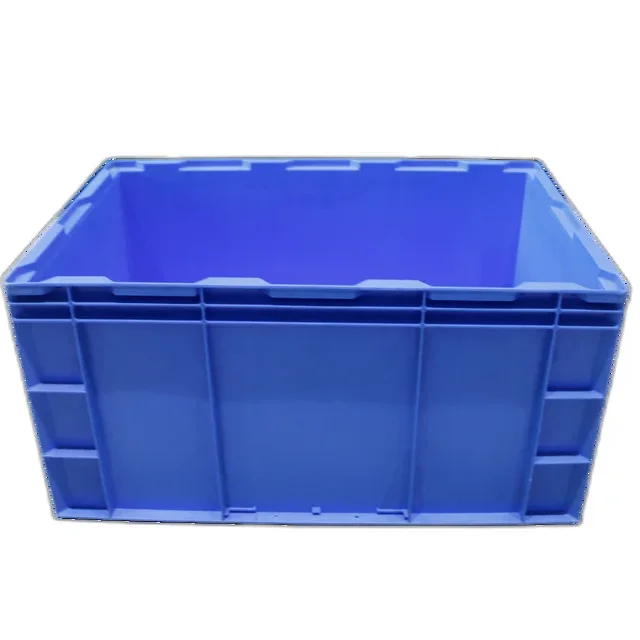
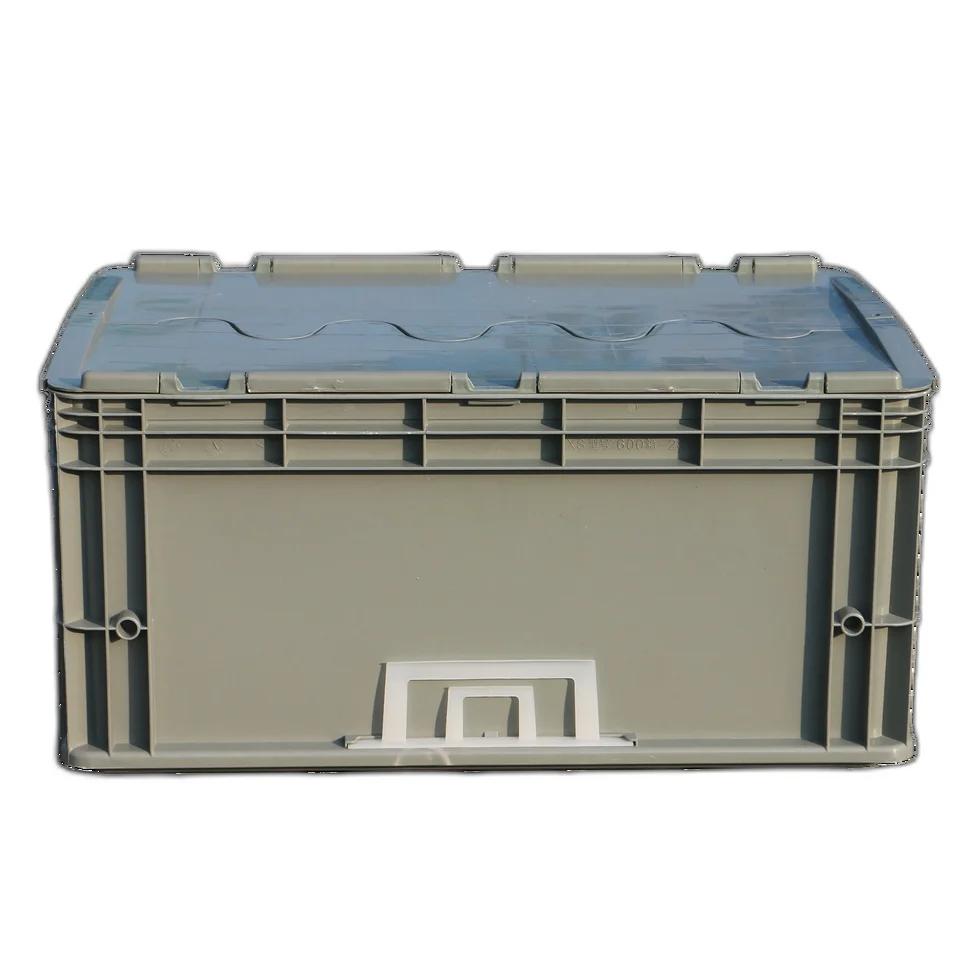
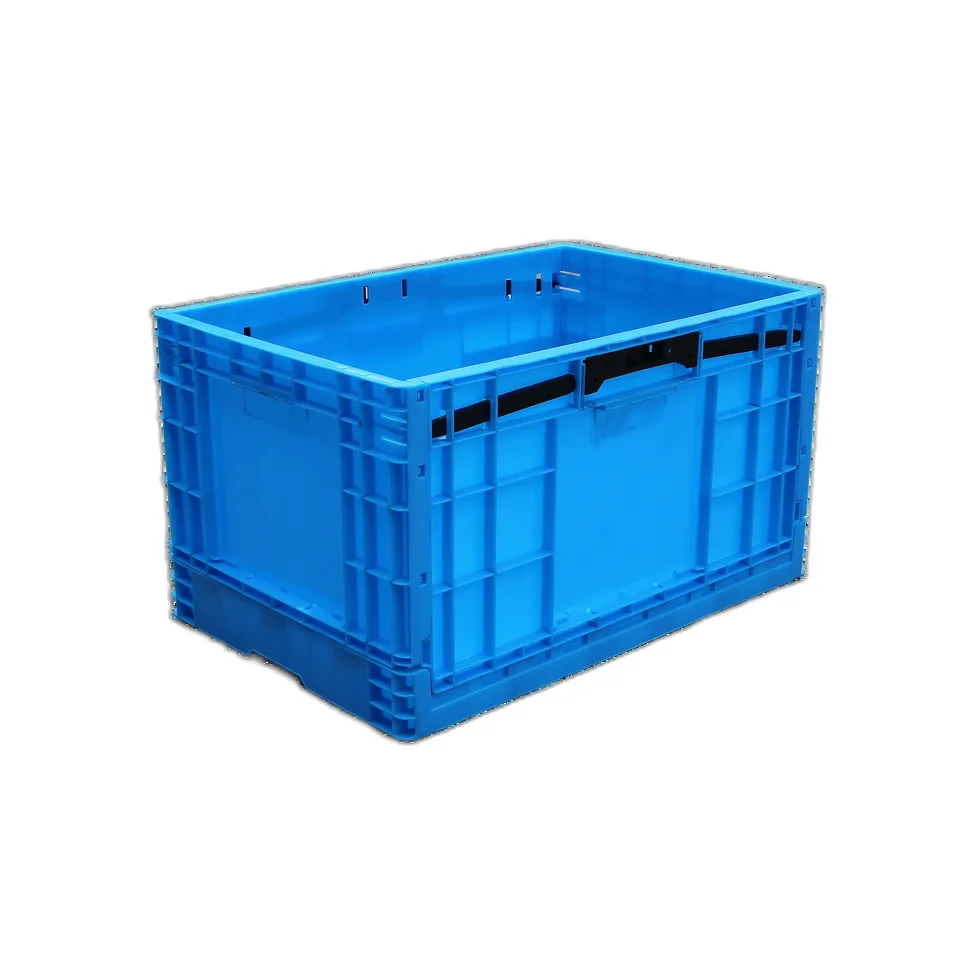
Warehouse plastic pallets are essential tools in modern logistics, designed to optimize the handling and storage of goods. By utilizing these pallets, businesses can significantly reduce the risk of damage to their products during daily operations. This article will address key concerns for B2B buyers regarding the selection, sourcing, and application of warehouse plastic pallet, helping purchasing managers and logistics professionals make informed decisions that enhance efficiency and minimize costs.
What to Look for When Choosing Warehouse Plastic Pallets?
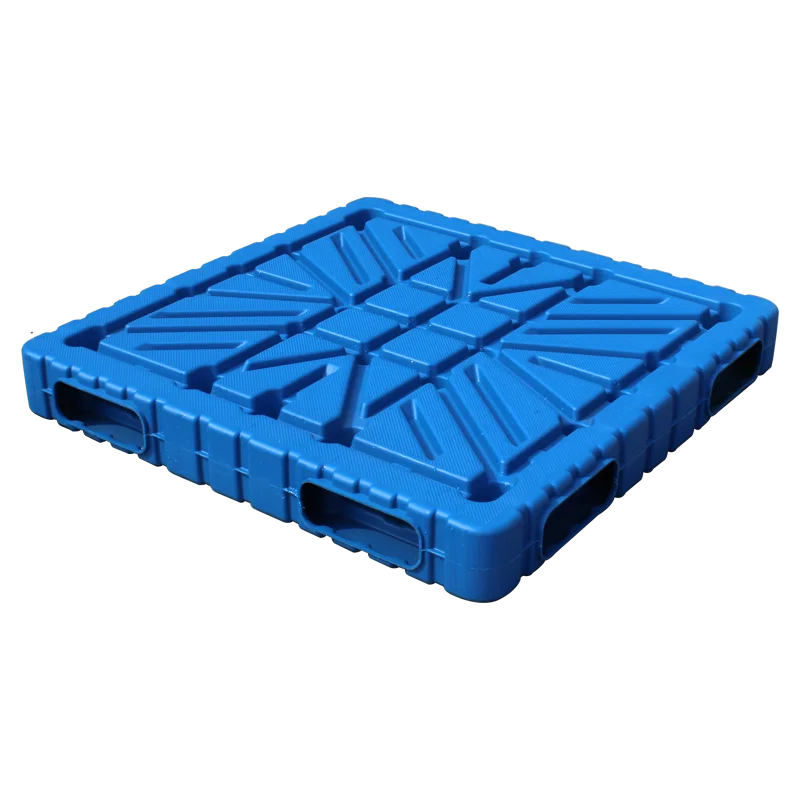
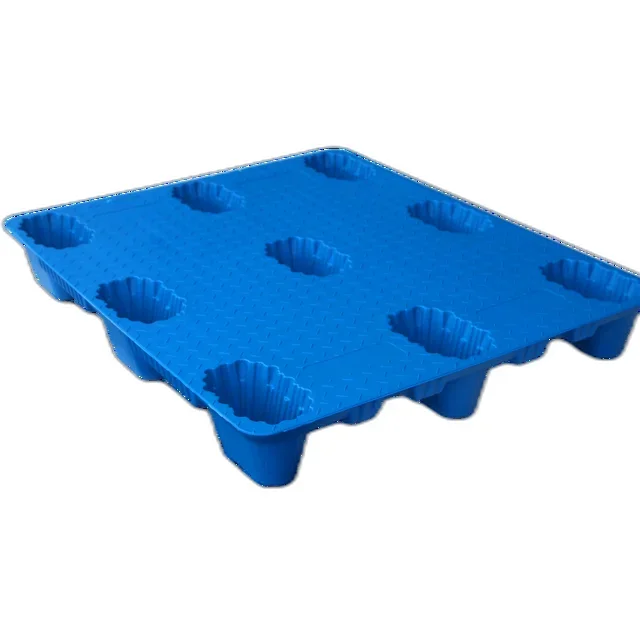
Selecting the right warehouse plastic pallets involves assessing several critical factors. First, consider the material—high-density polyethylene (HDPE) and polypropylene are common choices due to their durability and resistance to moisture, chemicals, and temperature variations. The weight capacity is also essential; pallets should be rated for the expected load to avoid structural failure.
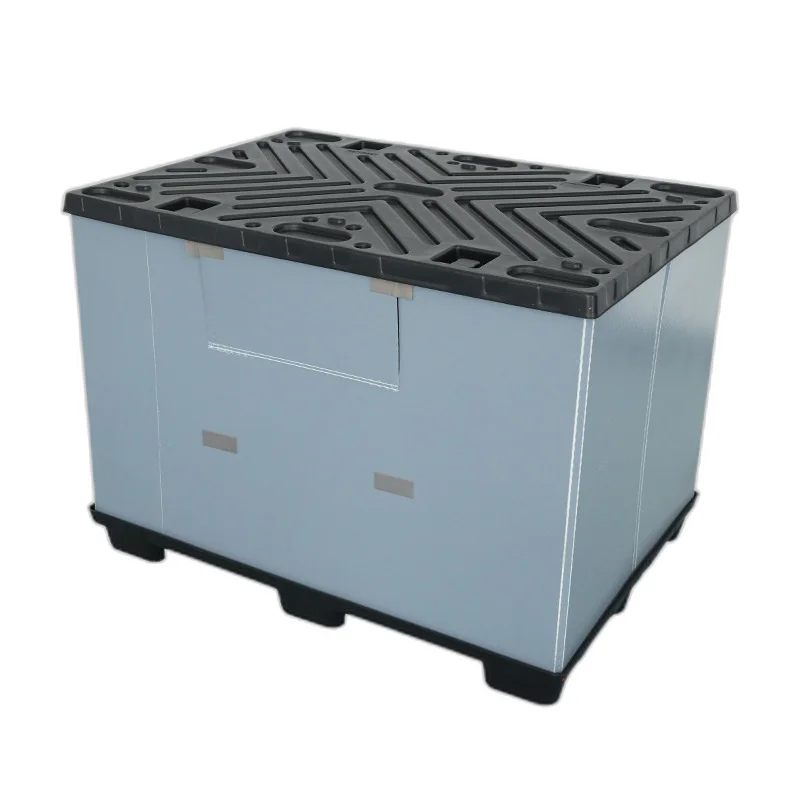
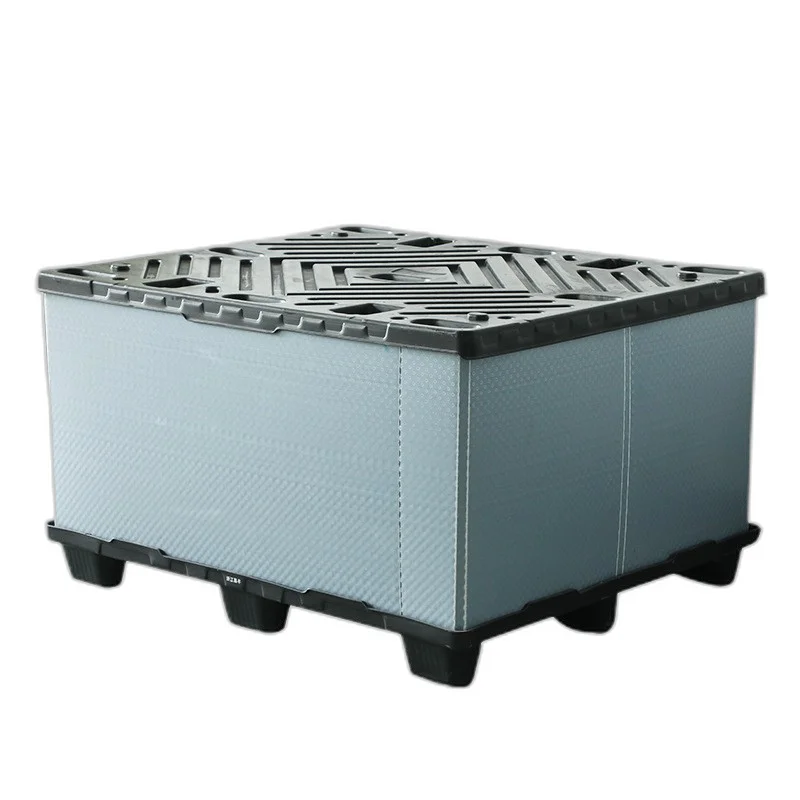
Dimensions and design are other key considerations. Standard sizes include 1200mm x 800mm and 1000mm x 1200mm, but custom sizes may be necessary depending on your racking system or specific logistics needs. Understanding the stackability and interlocking features can also enhance storage efficiency, which is crucial in maximizing warehouse space.
Finally, evaluate certifications and quality control processes. Ensure that the pallets meet relevant industry standards, which can indicate their reliability and safety in various applications.
How Warehouse Plastic Pallets Reduce Goods Damage in Operations?
Warehouse plastic pallets help minimize goods damage through several mechanisms. Their non-porous surface prevents moisture absorption, reducing the risk of mold and mildew that can affect sensitive items, especially in the food and medical sectors. This feature is particularly important for companies that handle products with strict hygiene and safety standards.
Additionally, the design of plastic pallets often incorporates rounded corners and smooth edges, reducing the likelihood of snagging or damaging goods during handling. Pallets that are engineered for enhanced rigidity and strength can withstand impacts and drops, further safeguarding the cargo.
Using plastic pallets also eliminates issues associated with wooden pallets, such as splinters and nails, which can injure personnel or damage products. By choosing heavy duty plastic pallets, businesses can significantly lower the total cost of ownership by reducing product loss and damage.
Where to Source Reliable Warehouse Plastic Pallets Wholesale?
Sourcing high-quality warehouse plastic pallets wholesale requires careful evaluation of suppliers. Start by identifying manufacturers with a proven track record in plastic injection and blow-molding, like Jiangsu Nexara, which boasts 30 years of experience. This experience is crucial for ensuring consistent quality and adherence to manufacturing standards.
When evaluating potential suppliers, consider their production capacity and lead times. Reliable suppliers should be able to provide timely delivery without compromising quality. Look for manufacturers that offer customization capabilities to meet specific requirements, such as unique dimensions or load specifications.
Additionally, review customer testimonials and case studies to understand how past clients have benefited from their products. Don’t hesitate to request samples to assess the quality and suitability of the pallets before making a bulk order.
Installation Guidance for Efficient Use of Plastic Pallets
Proper installation and usage of warehouse plastic pallets are critical for maximizing their effectiveness. Begin by ensuring that the pallets are placed on a level surface to distribute weight evenly, preventing warping or damage. Use appropriate handling equipment, such as forklifts designed for plastic pallets, to avoid causing damage during transport.
When stacking pallets, adhere to the load limits specified by the manufacturer to prevent crushing or structural failure. Proper stacking techniques not only enhance safety but also optimize warehouse storage space.
Regular inspections of pallets for any signs of wear or damage are essential. Even high-quality industrial plastic pallets can suffer from impacts over time, and identifying issues early can prevent larger problems down the line.
Applications of Plastic Pallets in Diverse Industries
Plastic pallets are versatile tools used across various industries, including automotive, food, and medical sectors. In the automotive industry, they are utilized for transporting parts and components, ensuring that they remain unblemished during transit. The robust nature of plastic pallets makes them ideal for heavy-duty applications where traditional wooden pallets may not suffice.
In the food industry, hygiene is paramount. Plastic pallets can be easily cleaned and sanitized, making them suitable for environments where contamination is a concern. Their resistance to moisture also prevents the growth of bacteria, aligning with food safety regulations.
The medical sector benefits from plastic pallets due to their ability to maintain product integrity during transportation. Pharmaceuticals often require strict temperature control and contamination prevention, which plastic pallets support effectively.
Overall, the adaptability of plastic pallets across these industries demonstrates their value as an investment in operational efficiency and product protection.
By understanding the nuances of warehouse plastic pallets, B2B buyers can make informed decisions that enhance their logistics and supply chain operations. Whether it’s evaluating material properties, sourcing reliable suppliers, or implementing effective usage practices, prioritizing the right plastic pallets can lead to significant improvements in operational efficiency and cost savings.