 EN
EN
 AR
AR
 BG
BG
 HR
HR
 CS
CS
 DA
DA
 NL
NL
 FI
FI
 FR
FR
 DE
DE
 EL
EL
 HI
HI
 IT
IT
 JA
JA
 KO
KO
 NO
NO
 PL
PL
 PT
PT
 RO
RO
 RU
RU
 ES
ES
 SV
SV
 CA
CA
 TL
TL
 IW
IW
 ID
ID
 UK
UK
 VI
VI
 SQ
SQ
 ET
ET
 GL
GL
 HU
HU
 TH
TH
 TR
TR
 FA
FA
 AF
AF
 GA
GA
 CY
CY
 BE
BE
 BN
BN


/images/share.png)

Understanding standard plastic pallet sizes for warehouse racking and export shipment is critical for businesses involved in logistics, warehousing, and manufacturing. These pallets play a vital role in optimizing storage space, ensuring safe transport, and maintaining inventory integrity. B2B buyers, including purchasing managers and product managers, often seek to understand specifications, sourcing options, and cost factors associated with these pallets. This article will provide key insights into selecting the right plastic pallets for your specific needs, ensuring that you make informed purchasing decisions
Key Specifications to Consider
When selecting standard plastic pallets, several key specifications must be assessed to ensure they meet your operational requirements
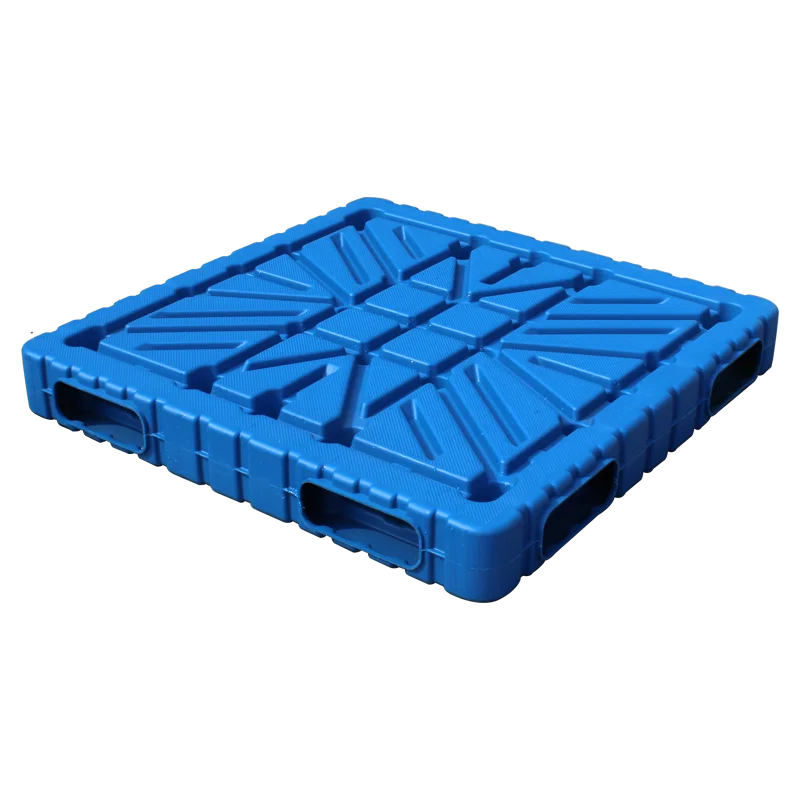
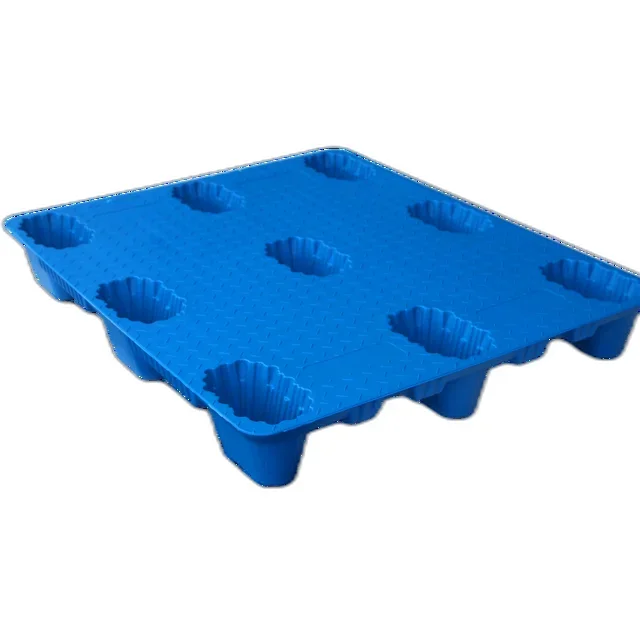
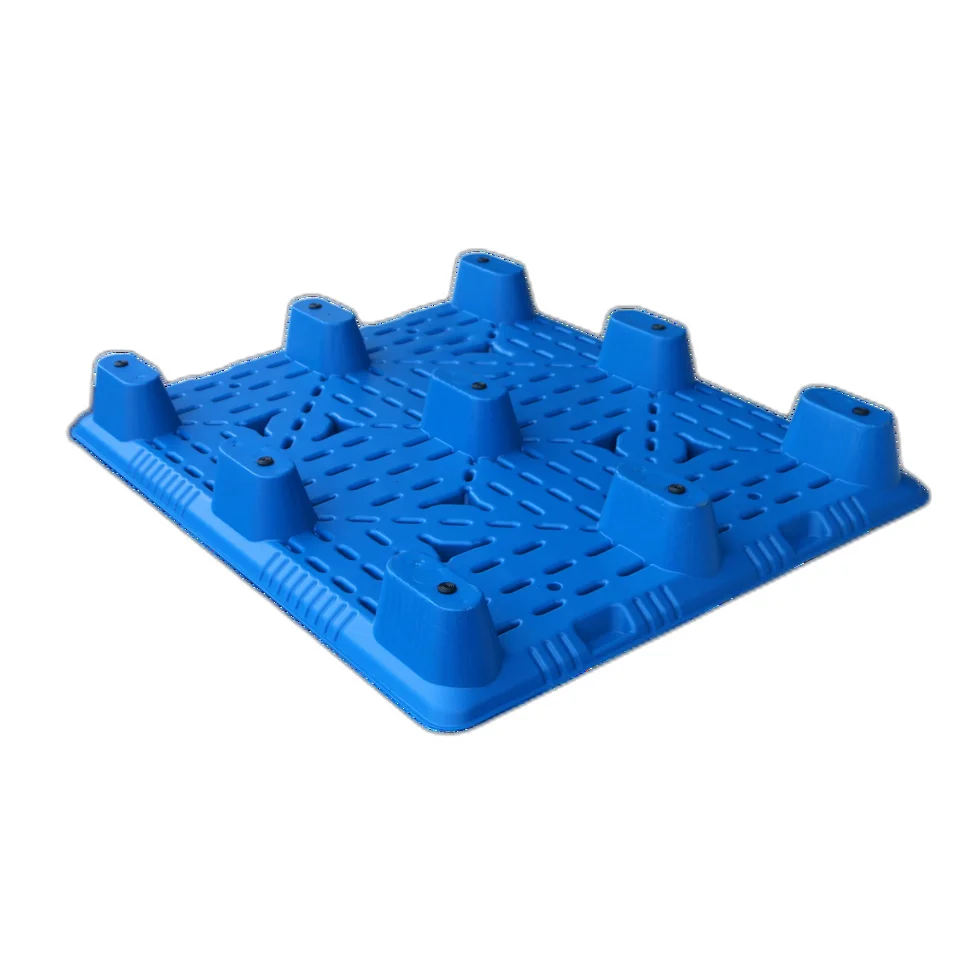
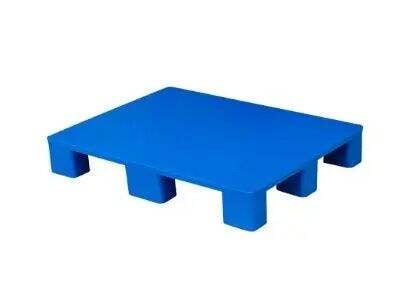
Dimensions: Standard plastic pallet sizes typically include 48” x 40”, 42” x 42”, and 48” x 48”. The choice of size heavily depends on the type of products being stored or shipped and the racking system in use. For instance, 48” x 40” pallets are commonly used in North America and are compatible with most warehouse racking systems, maximizing space efficiency
Load Capacity: Understanding the load capacity is essential. Standard plastic pallets can support varying weights, generally ranging from 1,500 to 3,000 pounds, based on material strength and design. Buyers should evaluate their specific load needs to avoid damage during handling and transport
Material Composition: Most plastic pallets are made from high-density polyethylene (HDPE) or polypropylene. HDPE is known for its strength and resistance to moisture, chemicals, and impact, making it suitable for various applications, including food and medical industries
Design Features: Buyers should consider design features such as closed or open deck styles, which affect load stability and cleanliness. Closed decks are easier to clean, making them ideal for sanitary environments, while open decks can be lighter and more cost-effective
Where to Source Reliable Plastic Pallets for Bulk Orders
Sourcing reliable plastic pallets is essential for ensuring consistent supply and quality. Here are some approaches to consider
Direct Manufacturers: Partnering with manufacturers like Jiangsu Nexara, which offers extensive experience in producing plastic pallets, ensures you receive high-quality products tailored to your specifications. With over 30 years in the industry, they can provide insights into material development and customization options
Distributors and Wholesalers: Engaging with established distributors can provide access to a broader range of products and possibly lower costs, especially for bulk orders. It's vital to verify their reputation and customer service history to ensure reliability
Online Marketplaces: Numerous online platforms offer bulk purchasing options, but buyers must exercise caution. Verify supplier credentials, customer reviews, and product specifications to avoid subpar products
Trade Shows and Industry Events: Attending industry events can offer direct interactions with manufacturers and suppliers. This allows you to assess product quality firsthand and negotiate terms directly
Cost Factors in Purchasing Standard Plastic Pallets for Distribution
Understanding the cost factors is crucial for businesses aiming to optimize their budget without compromising quality. Key elements include
Material Costs: The type of plastic used impacts the overall cost. HDPE tends to be more expensive than polypropylene due to its superior durability and performance characteristics
Customization: Custom features, such as specific dimensions, color coding for inventory management, or branding, can increase the price. It’s important to weigh the benefits of customization against cost
Order Quantity: Most manufacturers have a minimum order quantity (MOQ) that can significantly affect pricing. Bulk purchasing often leads to discounts, so planning orders strategically can result in savings
Shipping and Handling: Transportation costs can vary widely based on location and shipping method. Buyers should factor in these costs when calculating the total expenditure
Quality Assurance: Investing in pallets that undergo stringent quality control processes may involve a higher upfront cost but can save money in the long run by reducing damage and replacements
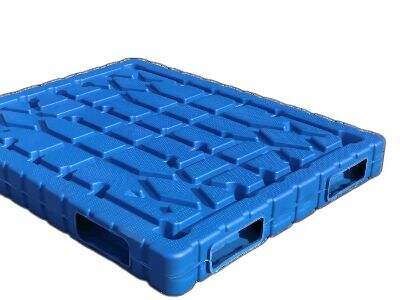
Technical Specifications of Plastic Pallets for Industrial Applications
For industrial applications, specific technical specifications become critical to ensure performance and safety
Static and Dynamic Load Ratings: It’s essential to know the static load (weight the pallet can hold while stationary) and dynamic load (weight during movement). Proper ratings prevent failures during storage and transport
Thermal Stability: Depending on the environment, pallets may need to withstand high or low temperatures. For instance, pallets used in cold storage must maintain structural integrity at freezing temperatures without becoming brittle
Chemical Resistance: For industries like food processing or pharmaceuticals, pallets must resist various chemicals. Buyers should confirm that the material used can withstand exposure to substances relevant to their application
Hygiene Compliance: In sectors such as food and medical, adherence to hygiene standards is non-negotiable. Ensure the pallets meet the relevant regulations and are easy to clean to maintain compliance
Recyclability: As sustainability becomes increasingly important, consider the Recyclability of the pallets. Many manufacturers, including Jiangsu Nexara, focus on producing recyclable materials, which can enhance your company's sustainability profile
Comparing Standard Plastic Pallet Sizes for Optimal Storage Solutions
Choosing the correct pallet size is crucial for maximizing storage efficiency. Here’s how to approach the comparison:
Compatibility with Racking Systems: Assess your existing racking systems and select pallet sizes that optimize space. For instance, if your rack is designed for 48” x 40” pallets, using this size will reduce wasted space
Load Configuration: Consider how products will be loaded onto the pallets. Certain sizes may better accommodate specific product shapes or packaging dimensions, which affects storage density and ease of access
Transport Considerations: The size of your pallets can also impact transport logistics. Standard sizes that fit truck dimensions help minimize shipping costs and improve loading efficiency
End-user Requirements: Factor in the end-users, such as retailers or logistics providers, who may have specific size preferences. Meeting their requirements could enhance customer satisfaction and streamline operations
Cost-effectiveness of Sizes: Evaluate whether smaller pallets allow for better inventory turnover or if larger pallets reduce handling costs. Sometimes, using a mix of sizes can yield the best overall efficiency
By understanding these factors, buyers can make informed decisions when selecting standard plastic pallets tailored to their specific operational needs. The right pallet not only enhances efficiency but also supports a more streamlined supply chain, ensuring that your products arrive safely and intact