 EN
EN
 AR
AR
 BG
BG
 HR
HR
 CS
CS
 DA
DA
 NL
NL
 FI
FI
 FR
FR
 DE
DE
 EL
EL
 HI
HI
 IT
IT
 JA
JA
 KO
KO
 NO
NO
 PL
PL
 PT
PT
 RO
RO
 RU
RU
 ES
ES
 SV
SV
 CA
CA
 TL
TL
 IW
IW
 ID
ID
 UK
UK
 VI
VI
 SQ
SQ
 ET
ET
 GL
GL
 HU
HU
 TH
TH
 TR
TR
 FA
FA
 AF
AF
 GA
GA
 CY
CY
 BE
BE
 BN
BN






/images/share.png)
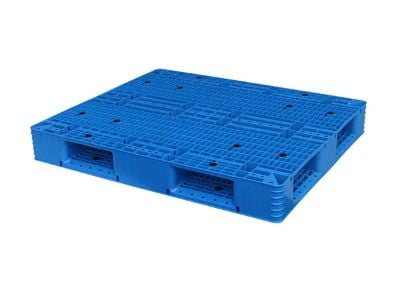
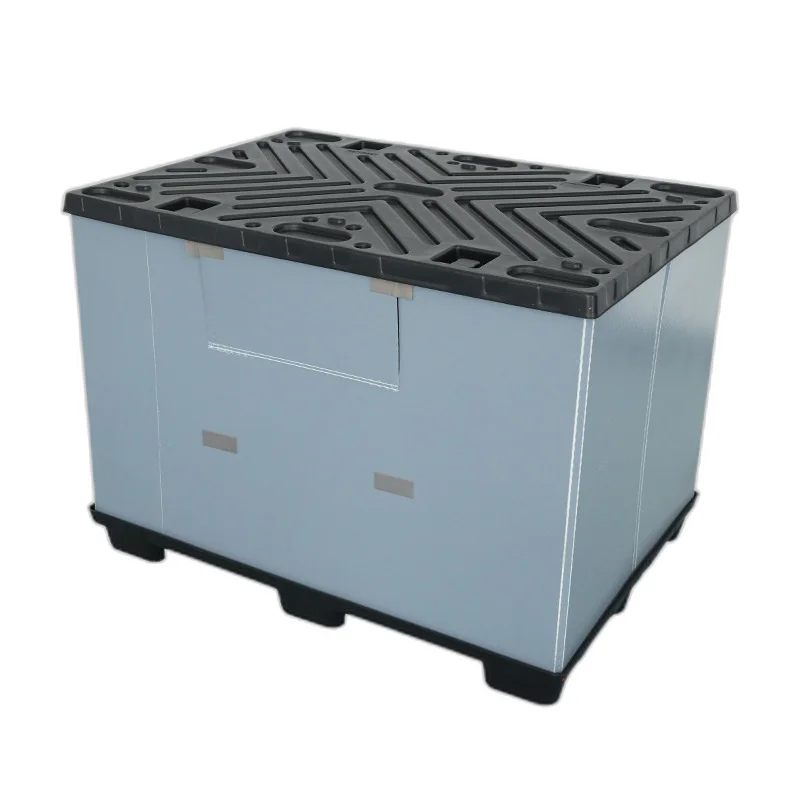
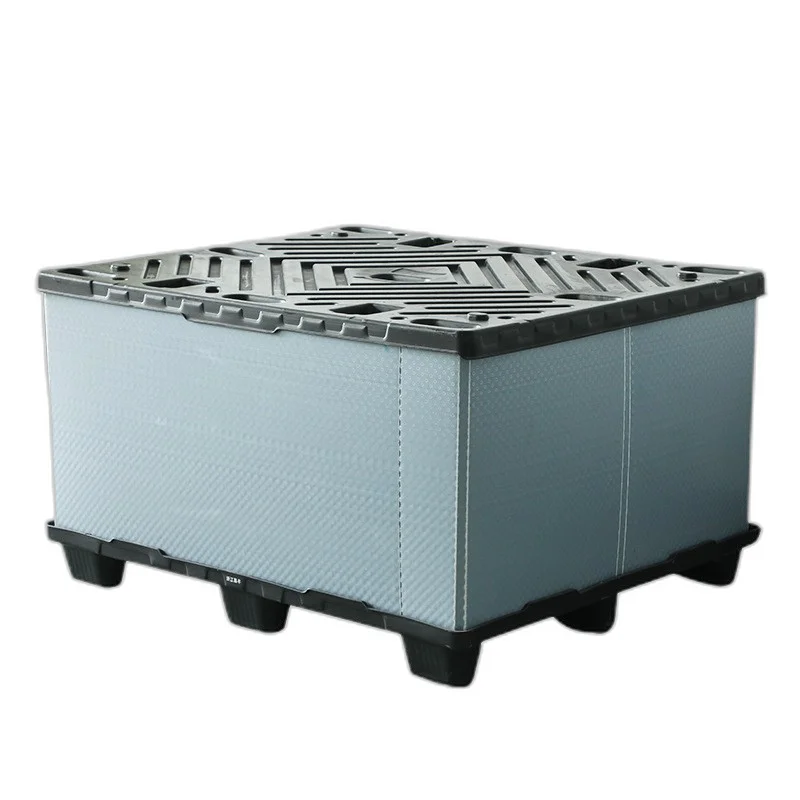
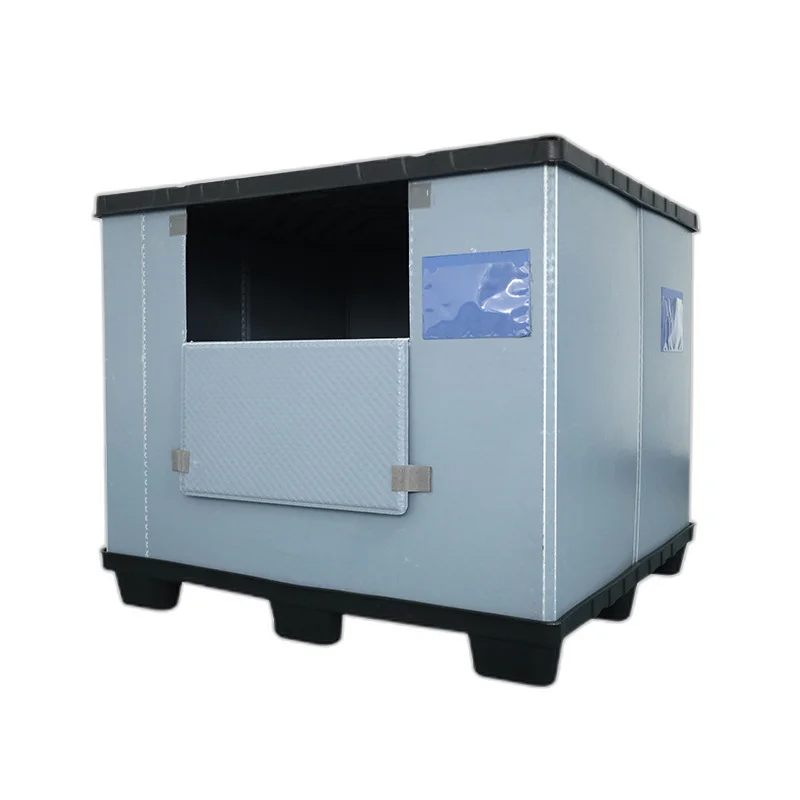
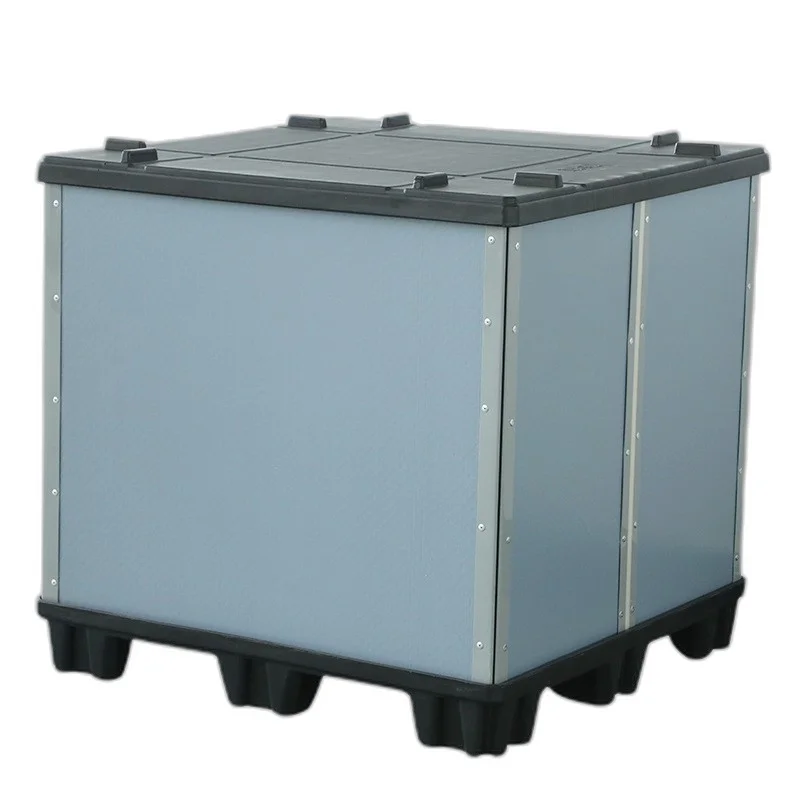
Shipping plastic pallets is a critical aspect of international logistics that directly impacts efficiency, cost, and product integrity during transit. As B2B buyers, purchasing managers, and logistics professionals evaluate their options, they often focus on durability, load capacity, and compliance with international shipping regulations. This article will outline the key requirements for shipping a plastic for pallets, providing insights into selection, cost factors, installation guidance, common shipping problems, and the advantages of plastic over alternative materials.
How to Choose the Right Plastic Pallet for Your Logistics Needs?
Selecting the appropriate plastic pallet for shipping involves understanding the specific demands of your logistics operations. Key factors to consider include:
Load Capacity: Ensure the pallet can support the weight of the products being shipped. This includes both static loads (when pallets are stacked) and dynamic loads (when pallets are moved). Consult with the manufacturer to confirm load ratings based on your application.
Dimensions: Standard pallet sizes vary by region (eg., 48"x40" in North America vs. 1200mm x 800mm in Europe). Choosing the right size ensures compatibility with your warehouse racking systems and transport vehicles.
Material Properties: Evaluate the type of plastic used—common materials include HDPE (High-Density Polyethylene) and PP (Polypropylene). Each has its advantages in terms of weight, durability, and resistance to chemicals and temperature variations.
Custom Features: Depending on your product type, you may need customized pallets with features like reinforced corners, anti-slip surfaces, or drainage holes for food products. Discuss these needs upfront with your supplier.
Compliance Standards: Ensure pallets meet relevant industry standards for safety and hygiene, such as ISPM 15 for international shipping. This can prevent delays at customs and ensure compliance with international regulations.
Cost Factors in Bulk Orders of Plastic Pallets for Shipping
When purchasing plastic pallets in bulk, several cost factors come into play that can influence your overall budget:
Material Costs: The type of plastic and its quality can significantly affect pricing. While cheaper materials may reduce initial costs, they may not offer the durability required for repeated use, leading to higher long-term expenses.
Customization Fees: Custom pallets designed for specific applications can incur additional costs. It's essential to weigh these costs against the benefits of improved performance and reduced damage during transit.
Order Quantity: Many manufacturers, including Jiangsu Nexara, offer price breaks at higher order volumes. Understanding your expected volume can help you negotiate better pricing and optimize your logistics budget.
Shipping and Handling: Consider the logistics of transporting industrial pallet racks to your location. Bulk orders may require more space and incur higher shipping fees, so coordinate with your supplier to minimize these costs.
Lifecycle Costs: Analyze not only the upfront cost but also the expected lifespan of the pallets. Investing in higher-quality pallets may reduce replacement frequency, leading to lower total costs over time.
Installation Guidance for Efficient Use of Plastic Pallets
Proper installation and usage of plastic pallets are crucial for maximizing their effectiveness in logistics. Here are some key installation tips:
Inspect Pallets Before Use: Always conduct a visual inspection for cracks, deformities, or other signs of damage. This ensures that only high-quality pallets are used in your supply chain.
Correct Stacking Techniques: Use proper stacking methods to avoid overloading and ensure stability during storage and transit. For instance, avoid stacking pallets too high, which can compromise safety.
Temperature Considerations: If pallets will be used in varying temperature conditions, ensure they are suitable for such environments. Certain plastics can become brittle in extreme cold or warp in high heat.
Training Staff: Train your staff on the best practices for handling and using plastic pallets. This includes understanding weight limits, proper lifting techniques, and the importance of maintaining pallet integrity.
Regular Maintenance: Implement a routine maintenance schedule to clean and inspect pallets to prolong their lifespan. Regular checks can help identify issues before they lead to operational disruptions.
Common Problems When Shipping Plastic Pallets and Their Solutions
Shipping plastic pallets can present various challenges. Here are some common issues and solutions:
Damage During Transit: Pallets can sustain damage if not secured properly during shipping. Use appropriate strapping and wrapping techniques to stabilize loads and prevent movement.
Incompatibility with Equipment: Ensure that your handling equipment, like forklifts or pallet jacks, is compatible with the plastic pallets' design. Mismatches can lead to equipment damage or safety risks.
Customs Delays: If pallets do not meet international shipping regulations, they may be held at customs. Ensure compliance with all relevant standards and keep documentation readily available.
Moisture Damage: While plastic is generally resistant to moisture, improper storage or exposure to high humidity can lead to degradation. Store pallets in a dry environment and use moisture barriers if necessary.
Weight Distribution Issues: Uneven weight distribution on pallets can lead to tipping or instability during transport. Use proper loading techniques to distribute weight evenly across the pallet.
Understanding Material Advantages of Plastic Pallets for Shipping
Plastic pallets offer several advantages over traditional wood or metal options in shipping logistics:
Durability: Plastic pallets are resistant to moisture, chemicals, and pests, making them suitable for various applications, including food and pharmaceuticals. Their durability reduces the risk of damage during transit.
Lightweight: Compared to wooden pallets, plastic pallets are typically lighter, leading to lower shipping costs and easier handling. This can enhance efficiency in logistics operations.
Hygienic: Plastic pallets are easier to clean and sanitize, making them ideal for industries where hygiene is critical, such as food processing and healthcare. They do not trap bacteria or absorb liquids like wood.
Reusable and Recyclable: Many plastic pallets are designed for multiple uses, reducing waste and promoting sustainable practices. After their lifecycle, they can often be recycled, contributing to a circular economy.
Customizable: Manufacturers like Jiangsu Nexara can offer customized solutions tailored to specific industry needs, ensuring that the pallets meet unique operational requirements and enhance overall logistics efficiency.
In summary, selecting the right plastic pallets for shipping requires careful consideration of several factors, including load capacity, material properties, and compliance with industry standards. By understanding the cost implications and common challenges, logistics professionals can make informed decisions that optimize their shipping processes while ensuring plastic pallet integrity and compliance.
Table of Contents
- How to Choose the Right Plastic Pallet for Your Logistics Needs?
- Cost Factors in Bulk Orders of Plastic Pallets for Shipping
- Installation Guidance for Efficient Use of Plastic Pallets
- Common Problems When Shipping Plastic Pallets and Their Solutions
- Understanding Material Advantages of Plastic Pallets for Shipping