 EN
 AR
 BG
 HR
 CS
 DA
 NL
 FI
 FR
 DE
 EL
 HI
 IT
 JA
 KO
 NO
 PL
 PT
 RO
 RU
 ES
 SV
 CA
 TL
 IW
 ID
 UK
 VI
 SQ
 ET
 GL
 HU
 TH
 TR
 FA
 AF
 GA
 CY
 BE
 BN


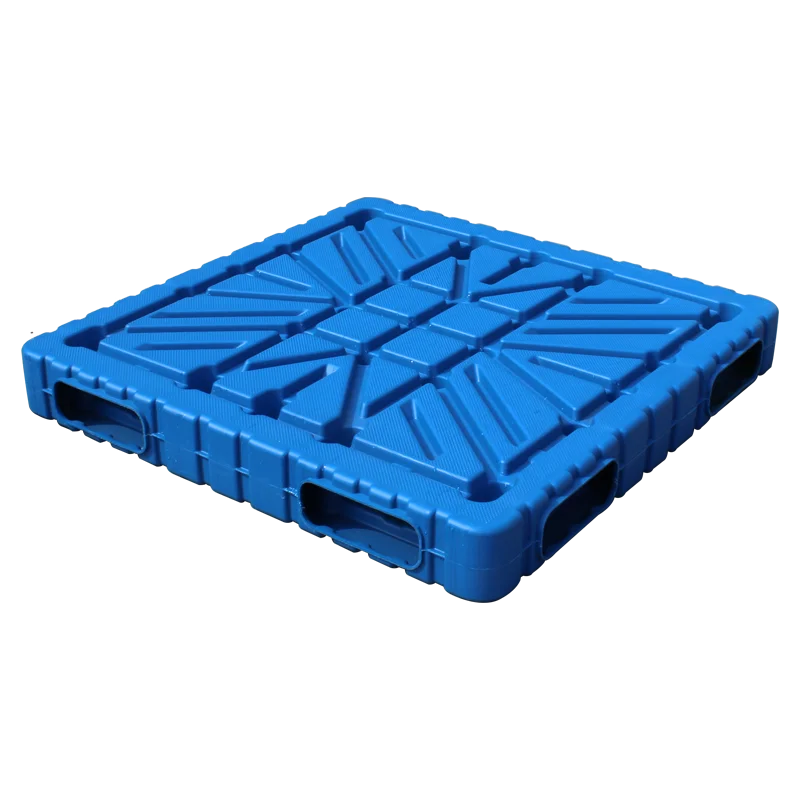
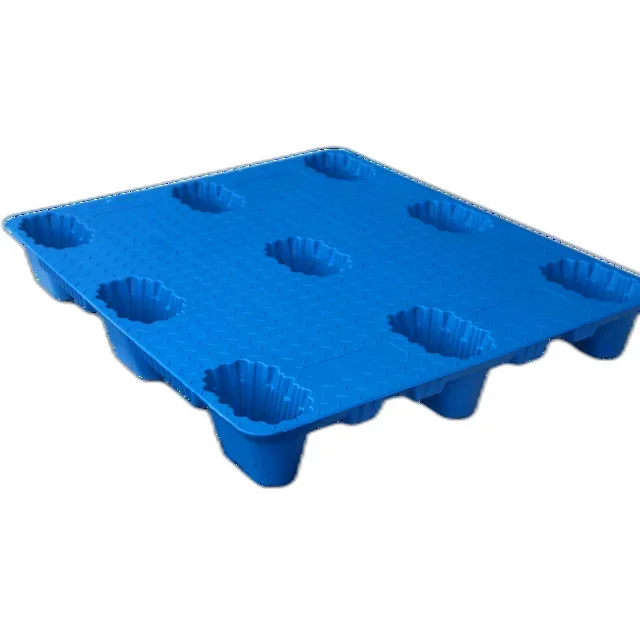
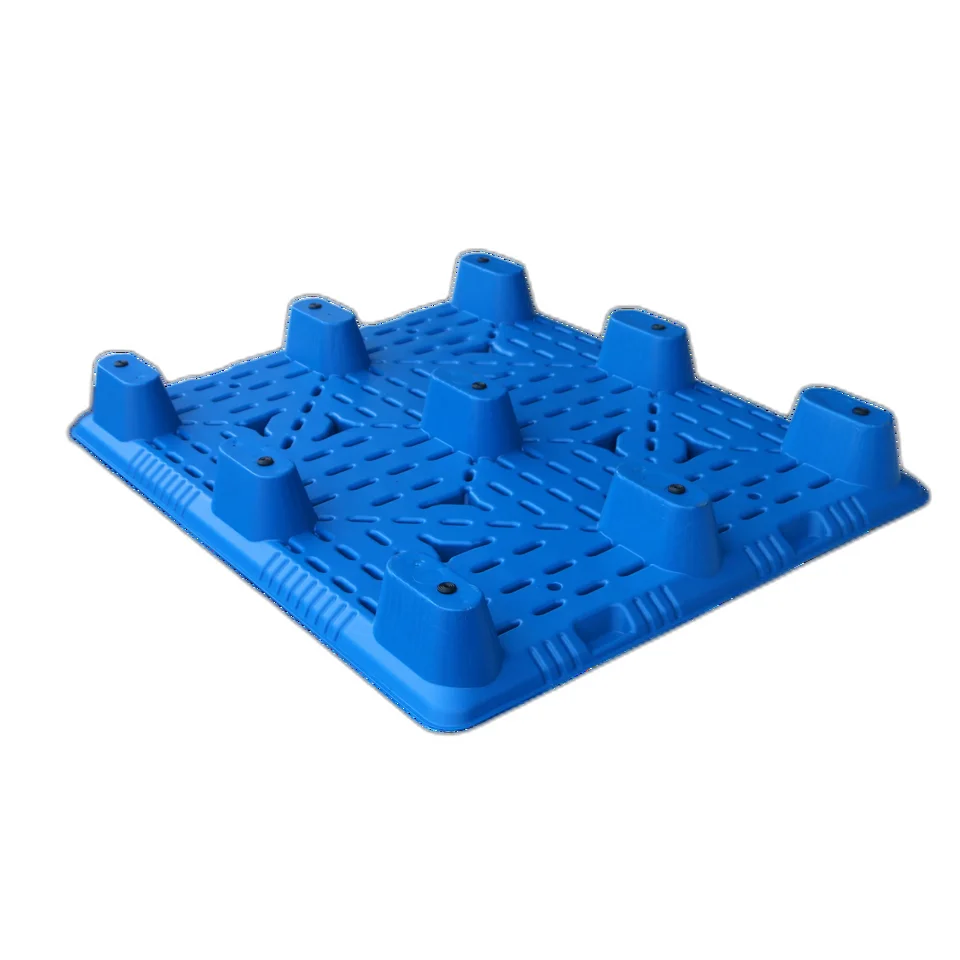
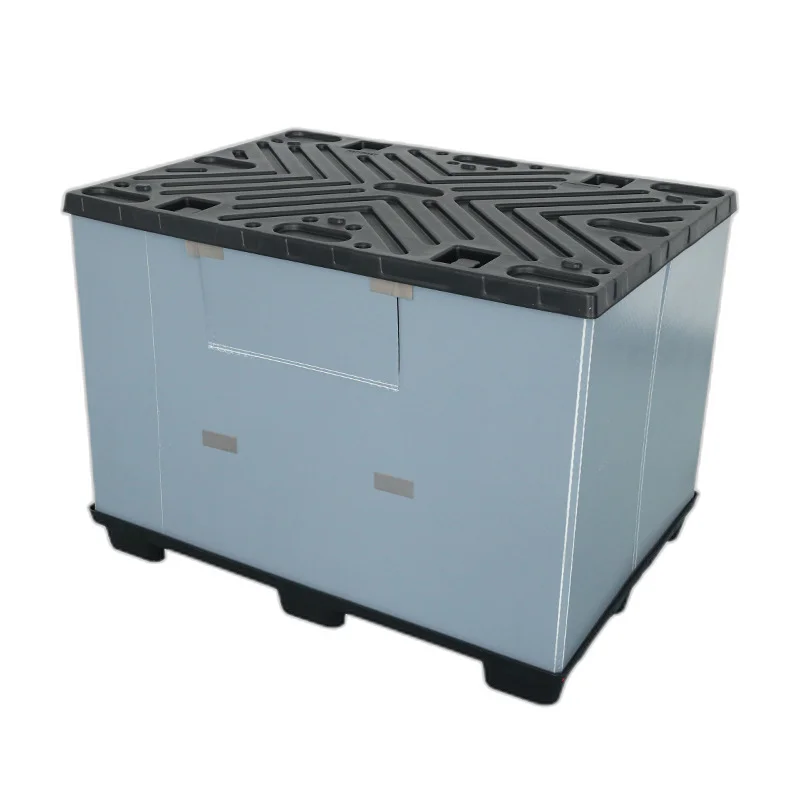
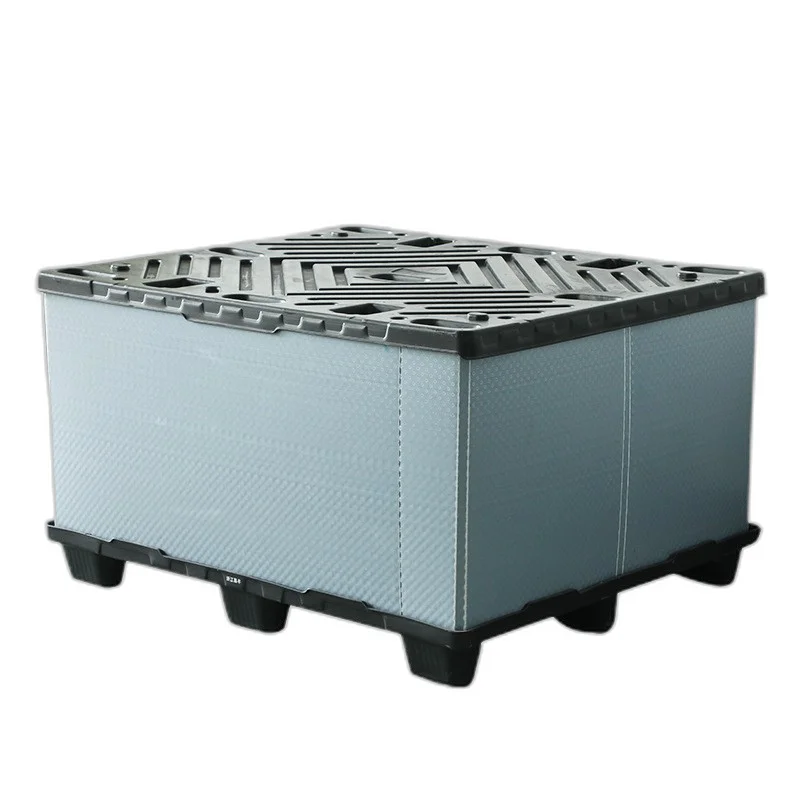
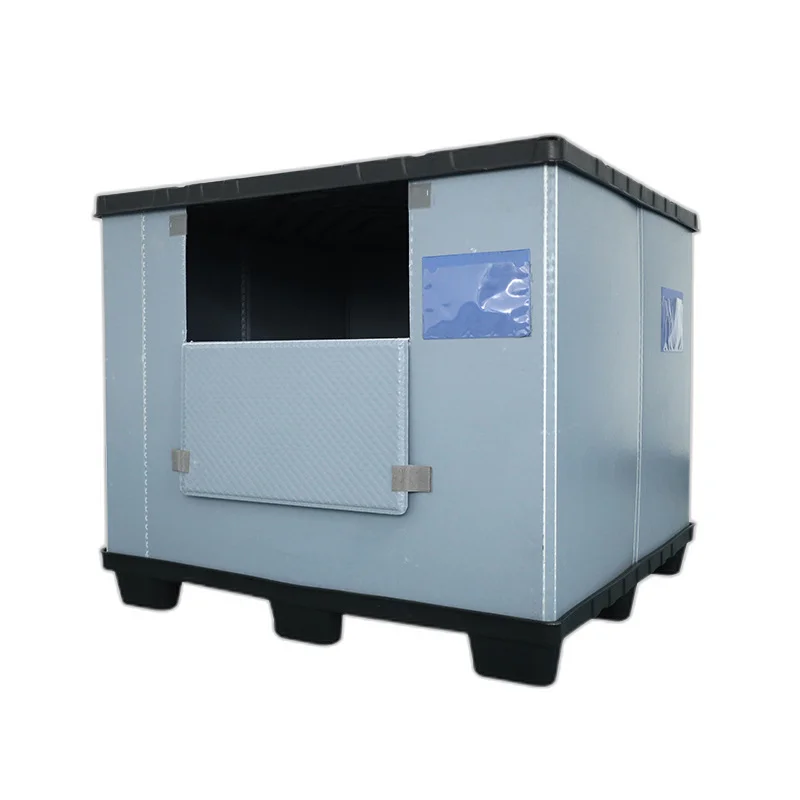
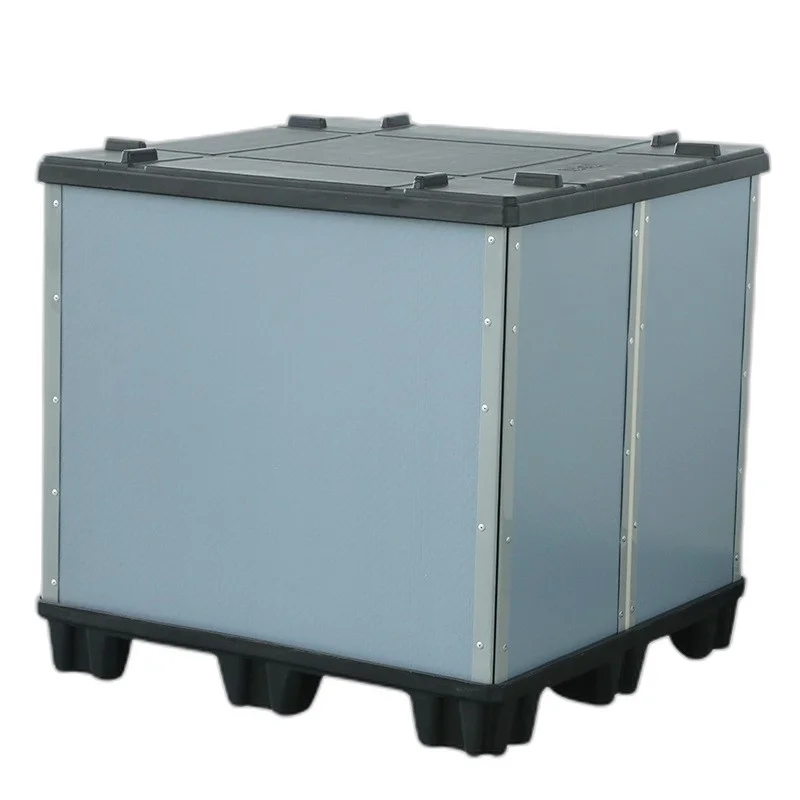
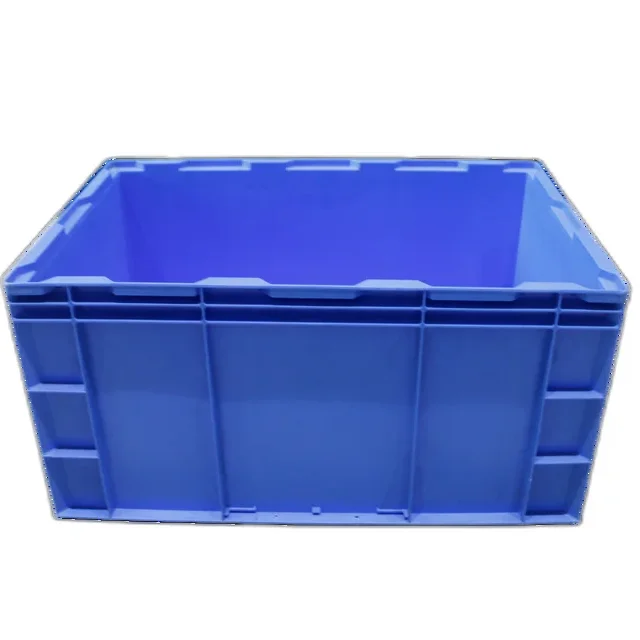
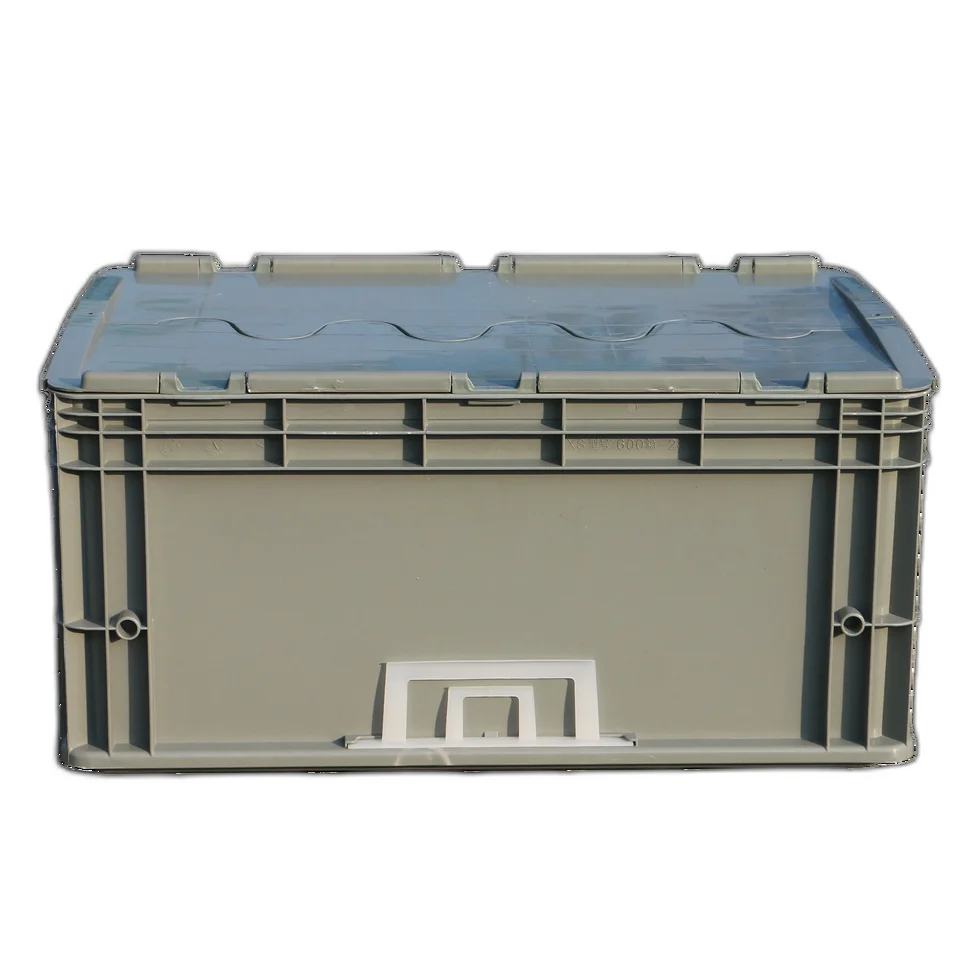
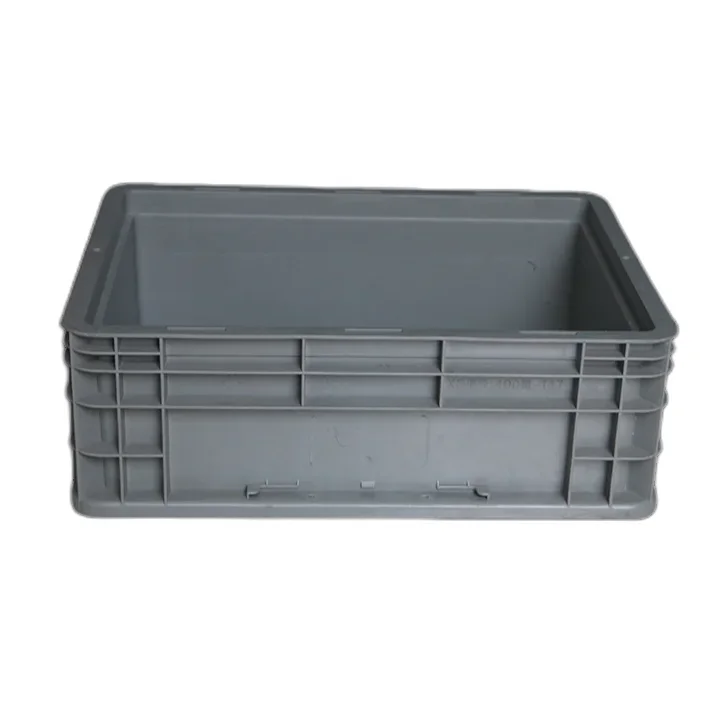
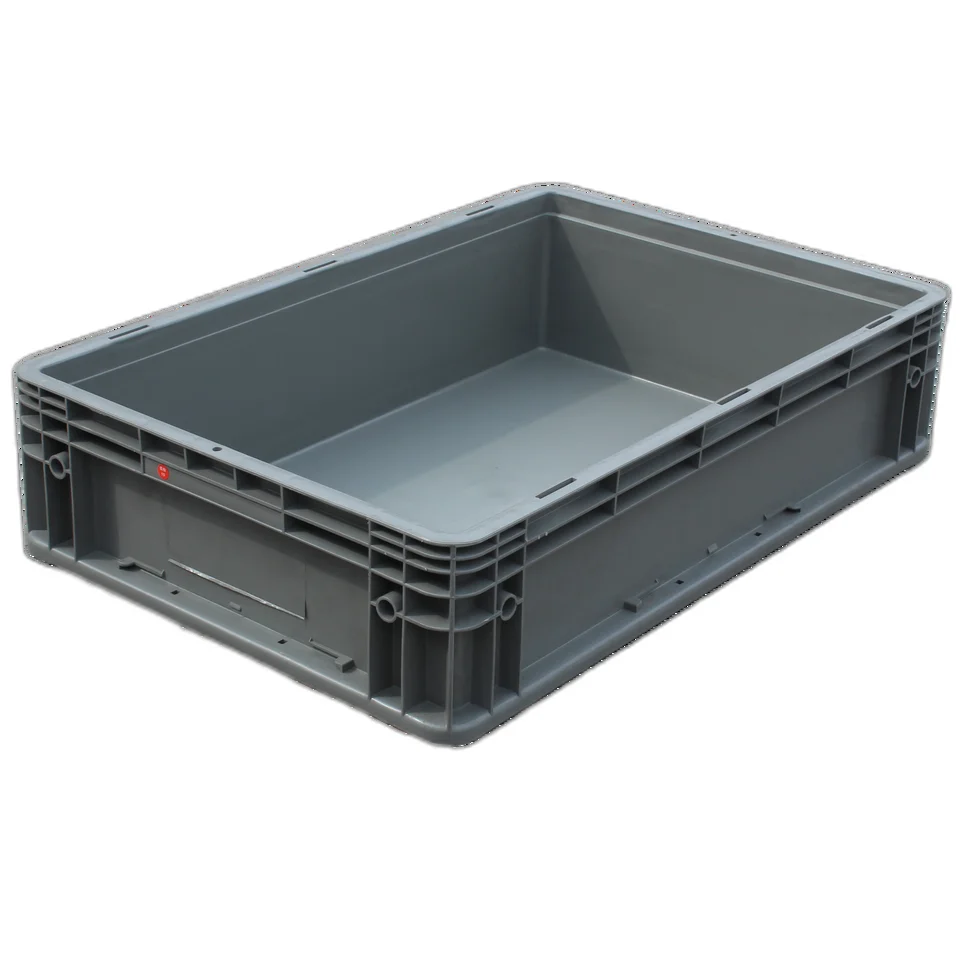

Standard plastic pallets are essential components in modern warehousing and logistics, designed for efficient handling, storage, and transportation of goods. Understanding the standard plastic pallet dimensions is crucial for optimizing your warehouse rack layout, ensuring that your storage solutions meet operational needs while maximizing space. This article will address common concerns for purchasing managers and logistics professionals, providing insights into selecting the right pallets, evaluating quality, sourcing reliable suppliers, understanding cost factors, and best practices for installation.
Understanding Standard Plastic Pallet Dimensions for Your Warehouse Layout
Standard plastic pallets typically come in several dimensions, with the most common sizes being 48" x 40", 42" x 42", and 48" x 48". The choice of dimensions is primarily influenced by the type of goods being transported and the specific storage requirements of your warehouse. For example, the 48" x 40" size is widely used in North America, making it compatible with most pallet racking systems, while the 42" x 42" size is favored in industries like food and pharmaceuticals due to its square shape, which can facilitate better stability.
When planning your warehouse layout, consider the following key factors:
Load Capacity: Different pallet sizes can support varying weight limits. Be sure to match the pallet dimensions with the weight of your intended loads.
Rack Compatibility: Ensure that the dimensions align with your racking systems to avoid space inefficiencies.
Aisle Space: Standard plastic pallet dimensions also dictate the required aisle width for safe maneuvering of forklifts and other handling equipment.
By understanding these dimensions and their implications, you can effectively plan your warehouse layout to enhance efficiency and productivity.
How to Evaluate the Quality of Plastic Pallets for Your Logistics Needs?
Evaluating the quality of plastic pallets involves several critical considerations that directly affect their performance and durability. Key quality indicators include:
Material Composition: High-density polyethylene (HDPE) is commonly used for its strength and resistance to chemicals, making it suitable for various applications, including automotive and food industries. Ensure that the material used meets your specific application requirements, such as temperature resistance and chemical exposure.
Manufacturing Process: Understand whether the pallets are injection molded or blow molded. Injection molding typically offers better dimensional accuracy and strength, while blow molding can be more cost-effective for larger quantities.
Load Testing and Certifications: Look for pallets that have undergone rigorous load testing and adhere to industry standards, which can provide peace of mind regarding their performance under expected conditions.
Conducting a thorough evaluation of these aspects will ensure that the plastic pallets you choose can withstand the demands of your logistics operations.
Where to Find Reliable Suppliers for Standard Plastic Pallets?
Finding a reliable supplier for standard plastic pallets is essential for ensuring consistent quality and supply. Here are some practical steps to identify credible suppliers:
Industry Reputation: Research suppliers with a strong track record in the industry. Look for customer reviews, testimonials, and case studies that demonstrate their reliability.
Certifications and Compliance: Verify if the suppliers possess relevant certifications that indicate adherence to quality standards, such as ISO certifications or specific industry compliance.
Customization Capabilities: A good supplier should offer customization options to meet your unique requirements, such as specific dimensions or load capacities.
Consider contacting Jiangsu Nexara, a manufacturer with over 30 years of experience in producing high-quality plastic products. Their capabilities in mold and material development allow for tailored solutions that can meet diverse client needs.
Cost Factors to Consider When Purchasing Plastic Pallets Wholesale
When purchasing plastic pallets wholesale, various cost factors come into play that can impact your overall budget. Here are key elements to consider:
Material Costs: The type of plastic used can significantly affect the price. Higher quality materials like HDPE tend to be more expensive but offer better durability and longevity.
Order Quantity: Bulk orders often come with discounts, so consider your warehouse needs to optimize your purchasing strategy.
Customization Costs: Custom dimensions or features will add to the base price of standard heavy duty plastic pallets. Ensure that the benefits of customization justify the additional costs.
Shipping and Handling: Factor in logistics costs, including shipping fees and any additional handling charges. This can vary based on your location and the supplier's terms.
By evaluating these cost factors carefully, you can make informed purchasing decisions that align with your operational budget.
Best Practices for Installing Plastic Pallets in Your Warehouse Racks
Proper installation of plastic pallets in your warehouse racks is crucial for maximizing space and ensuring safety. Here are some best practices to follow:
Weight Distribution: Distribute weight evenly across the pallet to prevent tipping or damage. This is particularly important in high-density storage environments.
Compatibility with Racking Systems: Ensure that the pallet dimensions are compatible with the racking systems in use. Misalignment can lead to inefficiencies or accidents.
Regular Inspections: Conduct periodic inspections of your plastic pallet box and racking systems to identify any signs of wear or damage. This helps maintain safety and operational efficiency.
Training for Personnel: Ensure that warehouse staff are trained in proper handling techniques for plastic pallets. This can help prevent accidents and extend the life of your pallets.
Following these best practices will enhance the effectiveness of your warehouse operations and ensure that plastic pallets are utilized to their fullest potential. In summary, understanding the standard plastic pallet dimensions, evaluating quality, sourcing reliable suppliers, considering cost factors and implementing best installation practices are all vital steps in optimizing your warehouse layout and logistics operations. By leveraging insights from experienced manufacturers like Jiangsu Nexara, you can make informed decisions that benefit your business.
Table of Contents
- Understanding Standard Plastic Pallet Dimensions for Your Warehouse Layout
- How to Evaluate the Quality of Plastic Pallets for Your Logistics Needs?
- Where to Find Reliable Suppliers for Standard Plastic Pallets?
- Cost Factors to Consider When Purchasing Plastic Pallets Wholesale
- Best Practices for Installing Plastic Pallets in Your Warehouse Racks