 EN
EN
 AR
AR
 BG
BG
 HR
HR
 CS
CS
 DA
DA
 NL
NL
 FI
FI
 FR
FR
 DE
DE
 EL
EL
 HI
HI
 IT
IT
 JA
JA
 KO
KO
 NO
NO
 PL
PL
 PT
PT
 RO
RO
 RU
RU
 ES
ES
 SV
SV
 CA
CA
 TL
TL
 IW
IW
 ID
ID
 UK
UK
 VI
VI
 SQ
SQ
 ET
ET
 GL
GL
 HU
HU
 TH
TH
 TR
TR
 FA
FA
 AF
AF
 GA
GA
 CY
CY
 BE
BE
 BN
BN


/images/share.png)
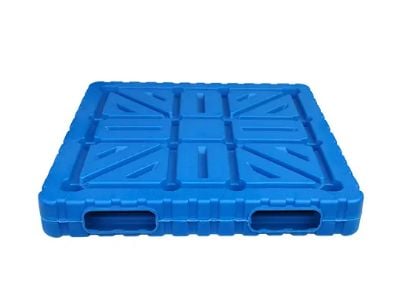
Choosing the right plastic pallet specifications is crucial for B2B buyers, particularly when considering applications in warehousing, logistics, and various industries. This article delves into the critical parameters that influence Plastic pallet specifications, helping purchasing managers and product managers make informed decisions. We will explore essential factors such as material selection, cost implications, effective setup, industry applications, and advantages of different materials. Understanding these elements will empower buyers to optimize their supply chain processes and enhance operational efficiency.
What to Consider When Choosing Plastic Pallet Specifications
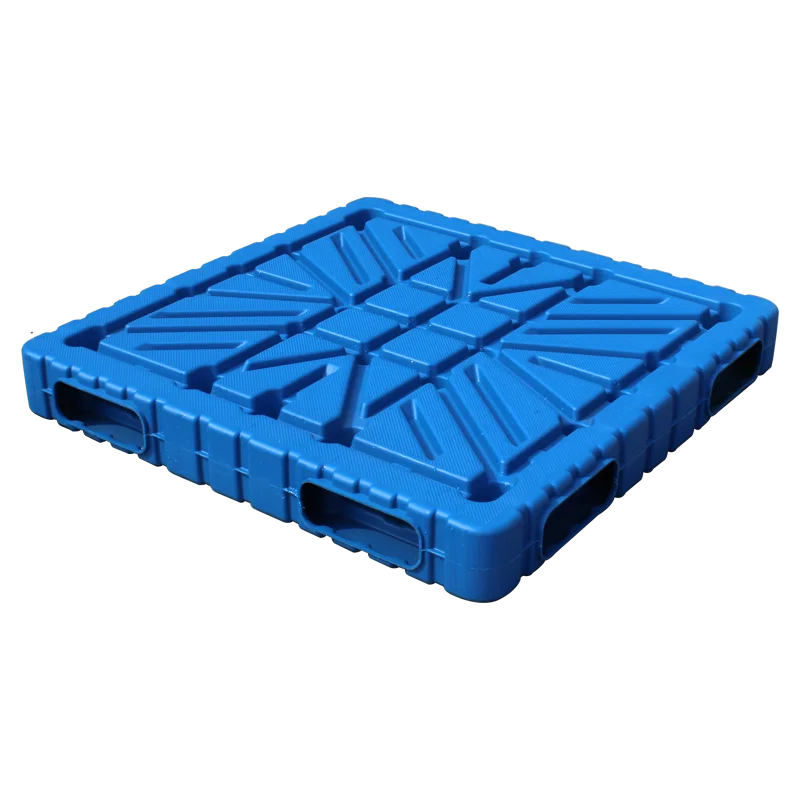
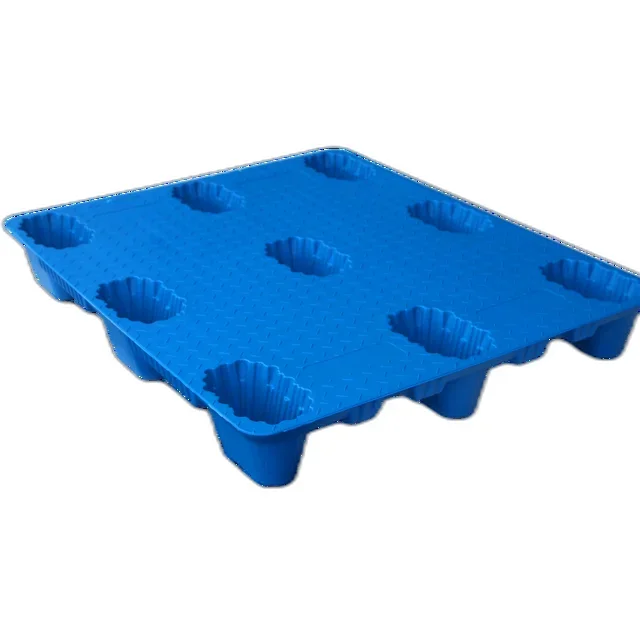
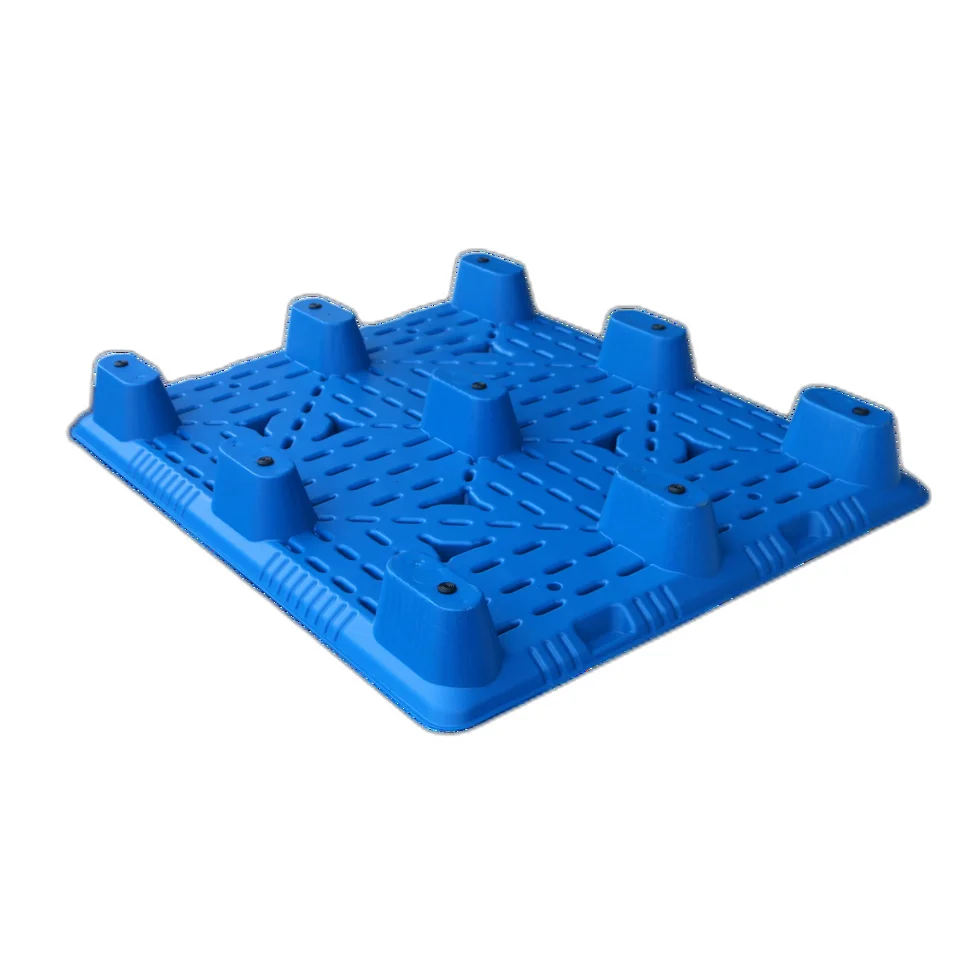
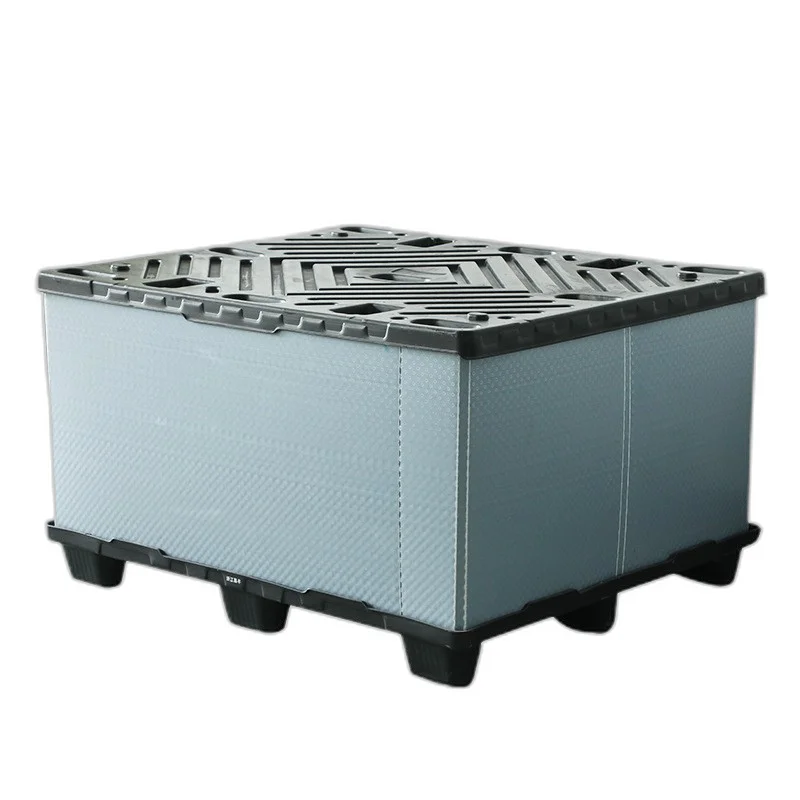
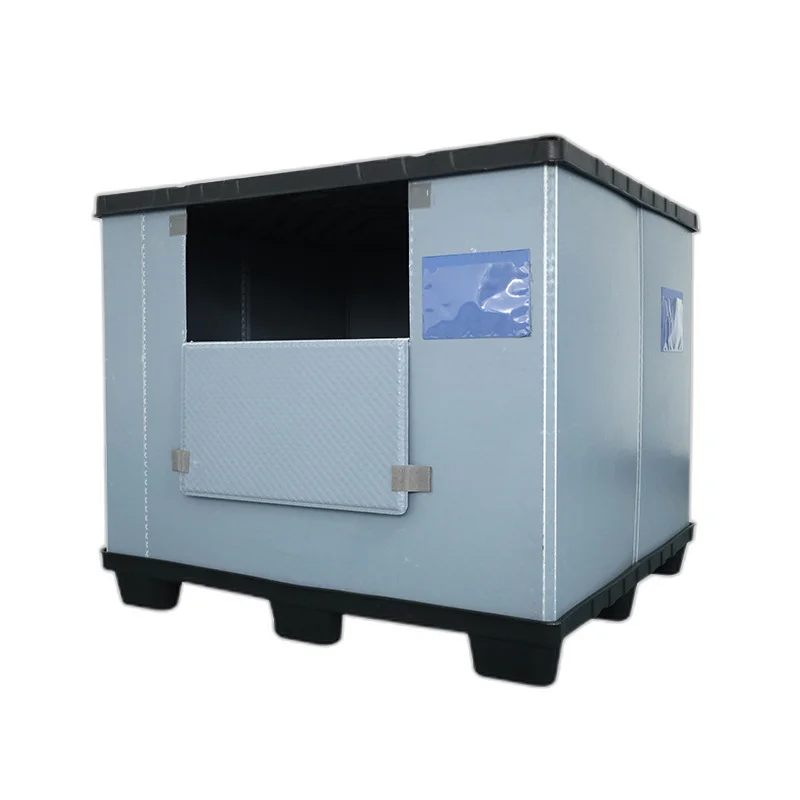
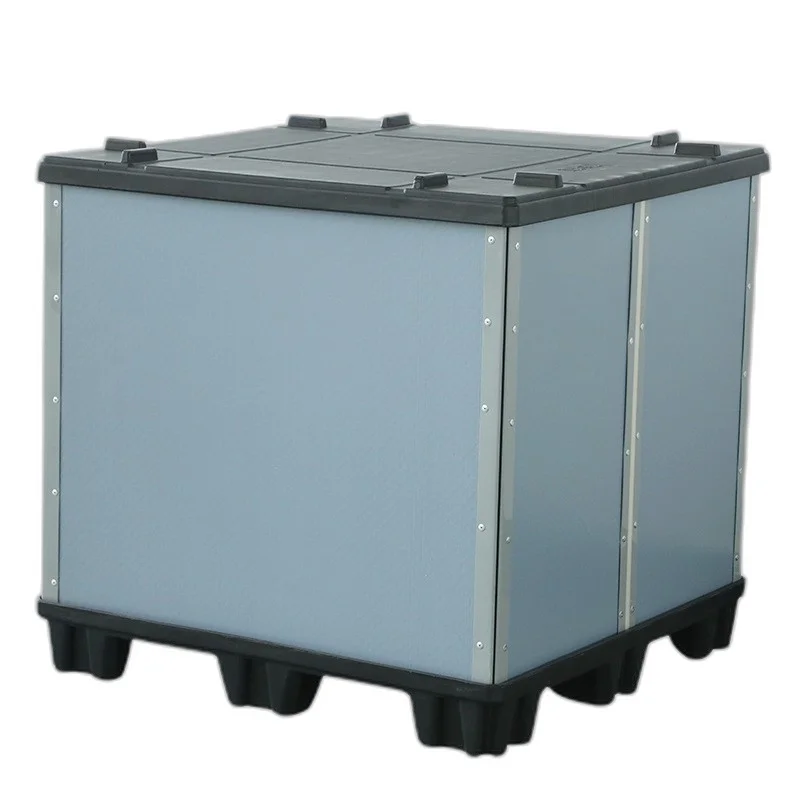
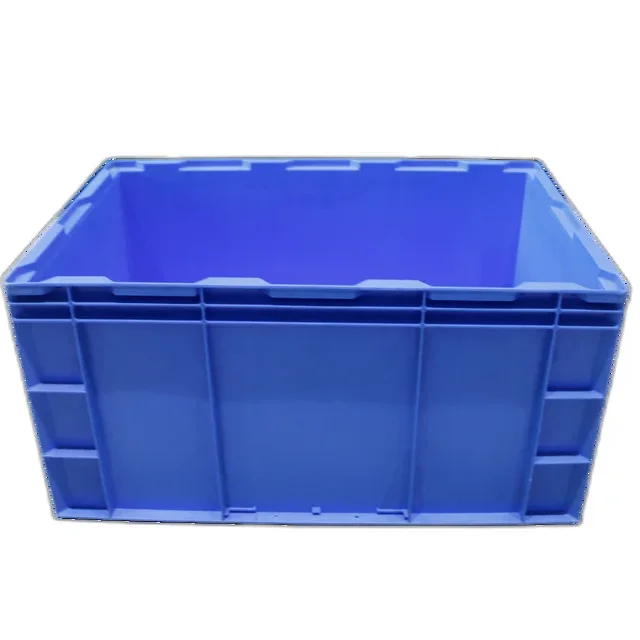
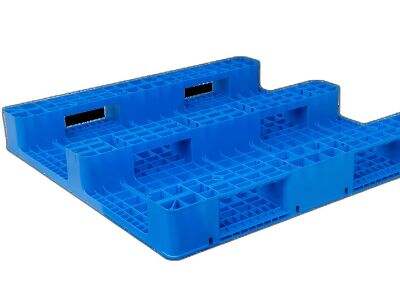
When selecting plastic pallet specifications, buyers should focus on several key factors that directly impact functionality and cost-effectiveness. First, the dimensions of the pallet—length, width, and height—should align with the storage and transportation needs. Standard sizes can facilitate compatibility with existing racking systems and transport vehicles, while custom sizes may be necessary for specialized applications.
Load capacity is another critical specification. Buyers must ensure the pallet can withstand the static and dynamic loads it will encounter, accounting for factors such as weight distribution and handling methods. Additionally, the design and configuration, including features like nestability or stackability, can affect space efficiency during storage and transport.
Material selection is vital, as it influences durability, chemical resistance, and environmental sustainability. Common materials include high-density polyethylene (HDPE) and polypropylene (PP), each offering different performance characteristics. Buyers should also consider whether the pallets need to comply with industry standards or certifications relevant to their specific markets.
Understanding the Cost Factors of Plastic Pallet Manufacturing
Cost is a significant factor for B2B buyers when evaluating plastic pallets. Several elements contribute to the overall cost, including raw materials, manufacturing processes, and customization options. The choice of material directly influences both the initial price and the long-term value. For example, while recycled materials may reduce costs, they might compromise durability.
Manufacturing methods, such as injection molding and blow molding, also play a role in pricing. Injection molding typically provides greater precision and allows for more complex designs, leading to higher upfront costs, but can result in significant savings over time through durability and reduced maintenance.
Customization—such as adding features for specific applications or branding—can increase costs but may be justified if it enhances functionality or aligns with business branding strategies. Buyers should evaluate the total cost of ownership, including potential maintenance and replacement expenses, rather than focusing solely on the initial purchase price.
Setting Up Your Plastic Pallets Effectively
Effective setup of plastic pallets is crucial for maximizing their utility in operational processes. Buyers should consider the environment where the pallets will be used, including factors like temperature, humidity, and exposure to chemicals. These conditions can affect the performance and longevity of the pallets.
Proper stacking and storage methods are also essential. Pallets should be stacked in a way that maintains stability while preventing damage. Buyers should evaluate the compatibility of pallets with handling equipment, such as forklifts and automated systems, to ensure seamless operations.
Before mass production, it’s advisable to conduct a trial run with a sample pallet under actual operating conditions. This testing phase can reveal potential issues such as fit with existing systems or unexpected wear under typical usage scenarios, allowing for adjustments before placing a larger order.
Applications of Plastic Pallets in Various Industries
Plastic pallets are versatile and find applications across multiple industries, including automotive, food processing, and medical fields. In the automotive sector, they are used for transporting parts and components due to their durability and resistance to chemicals. The food industry benefits from plastic pallets, as they are easy to clean and can be manufactured to meet strict hygiene standards, reducing the risk of contamination.
In the medical field, plastic pallets facilitate the safe transport of sensitive materials while ensuring compliance with health regulations. Their lightweight nature can also lead to reduced shipping costs, which is a critical consideration for businesses with tight margins.
Understanding these applications helps buyers select pallets that not only meet their functional needs but also comply with industry-specific regulations and standards. Buyers should engage with suppliers who have experience in their specific industry to gain insights into optimal pallet selection.
Assessing Material Advantages in Plastic Pallet Design
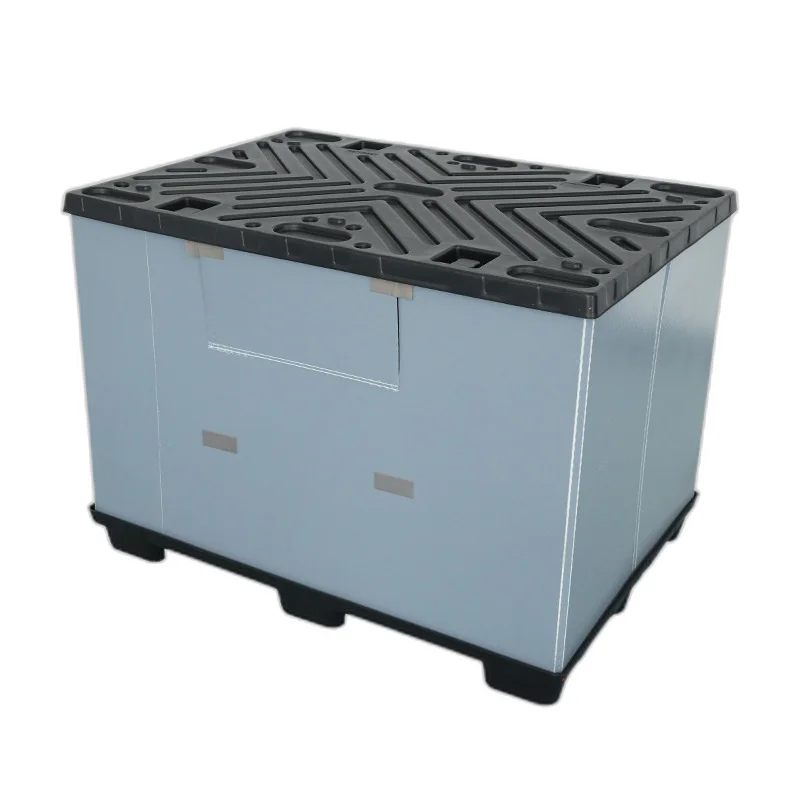
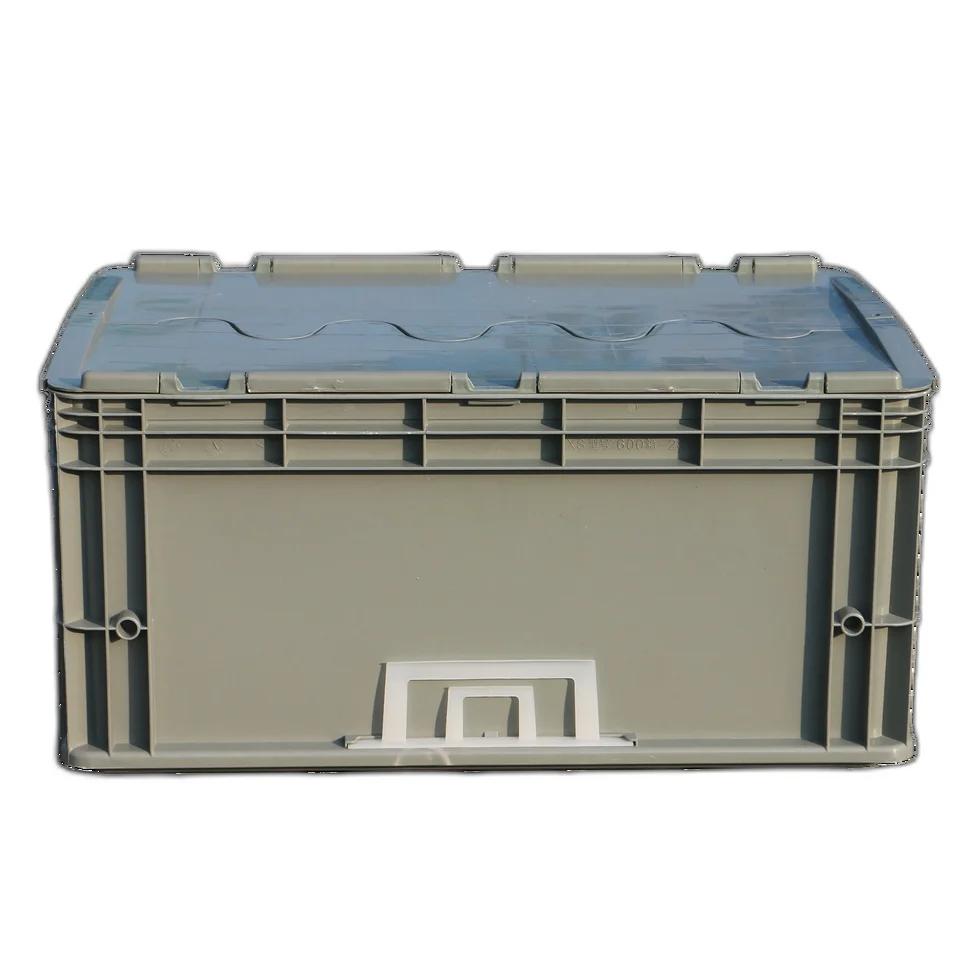
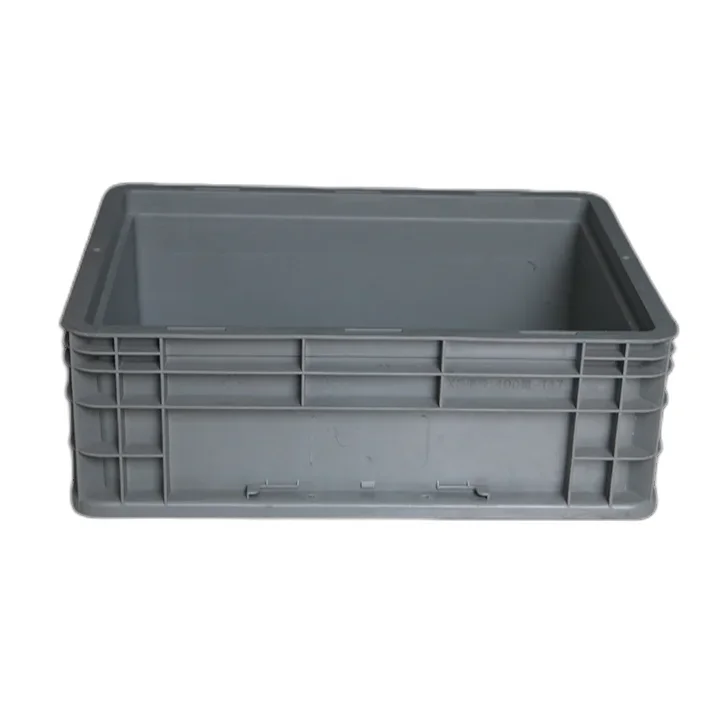
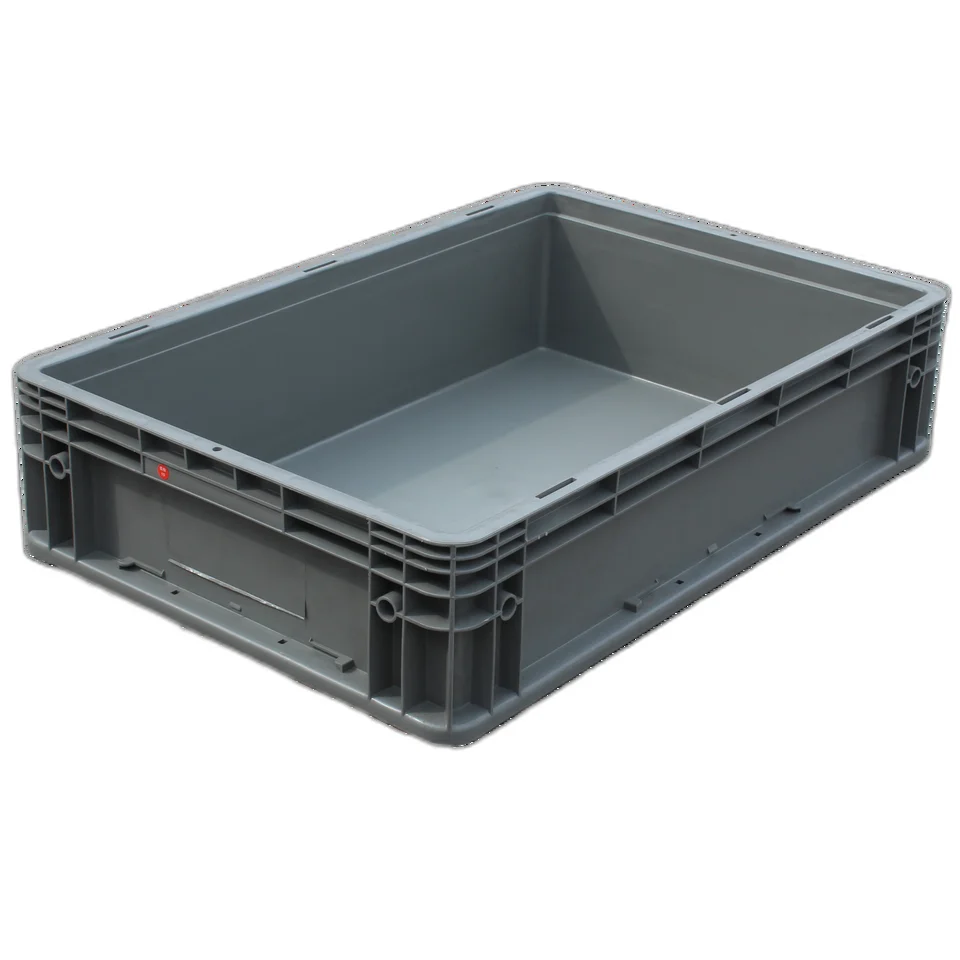
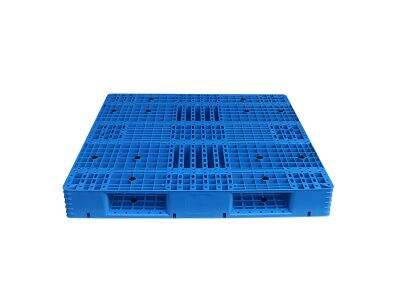
The choice of material in Plastic pallet box design significantly impacts performance outcomes. High-density polyethylene (HDPE) is favored for its robustness and resistance to moisture and chemicals, making it suitable for a variety of environments. This material is also lightweight, which can reduce shipping costs and facilitate easier handling.
Polypropylene (PP) pallets are another option, offering superior strength-to-weight ratios and resistance to UV light, making them ideal for outdoor use. Buyers should consider the specific requirements of their applications, such as temperature resistance or exposure to chemicals, when selecting materials.
It’s also important to evaluate the sustainability of materials. Many companies are now looking for environmentally friendly options, such as pallets made from recycled plastics or those that are fully recyclable at the end of their life cycle. Buyers should confirm the manufacturer's capabilities to provide these options and assess how they align with their corporate sustainability goals.
By carefully considering these material advantages, buyers can make informed choices that enhance operational efficiency and align with their business objectives.