 EN
EN
 AR
AR
 BG
BG
 HR
HR
 CS
CS
 DA
DA
 NL
NL
 FI
FI
 FR
FR
 DE
DE
 EL
EL
 HI
HI
 IT
IT
 JA
JA
 KO
KO
 NO
NO
 PL
PL
 PT
PT
 RO
RO
 RU
RU
 ES
ES
 SV
SV
 CA
CA
 TL
TL
 IW
IW
 ID
ID
 UK
UK
 VI
VI
 SQ
SQ
 ET
ET
 GL
GL
 HU
HU
 TH
TH
 TR
TR
 FA
FA
 AF
AF
 GA
GA
 CY
CY
 BE
BE
 BN
BN






/images/share.png)

When it comes to managing warehouse operations, understanding the cost implications of different materials is crucial. This Plastic Pallet Price Guide aims to shed light on the factors that impact your warehouse procurement budget. As a purchasing manager or distributor, knowing what influences plastic pallet prices will help you make informed decisions that align with your operational needs. This article will cover the essential considerations for evaluating plastic pallets, so you can optimize your investment while ensuring quality and performance.
How to Compare Plastic Pallet Costs Across Different Suppliers?
When comparing plastic pallet costs, it is essential to look beyond the unit price. Various factors contribute to the overall cost, including material quality, manufacturing processes, and supplier reliability. Begin by requesting quotes from multiple suppliers to establish a baseline. Pay attention to the specifications they provide, such as load capacity, dimensions, and material type. Additionally, consider the Total Cost of Ownership (TCO), which includes factors like shipping costs, potential import duties, and the expected lifespan of the pallets. A lower initial price may not always translate to savings in the long run if the pallets require frequent replacements. Quality control processes should also be evaluated; suppliers with robust quality assurance systems may charge more upfront but save you from costly replacements or damages later.
Key Specifications to Consider When Choosing Plastic Pallets
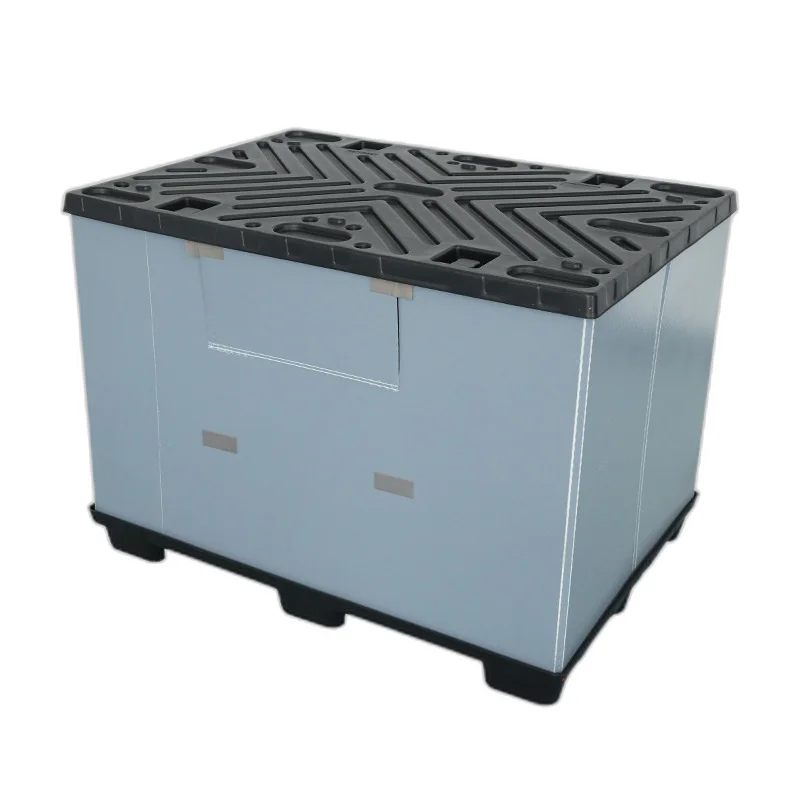
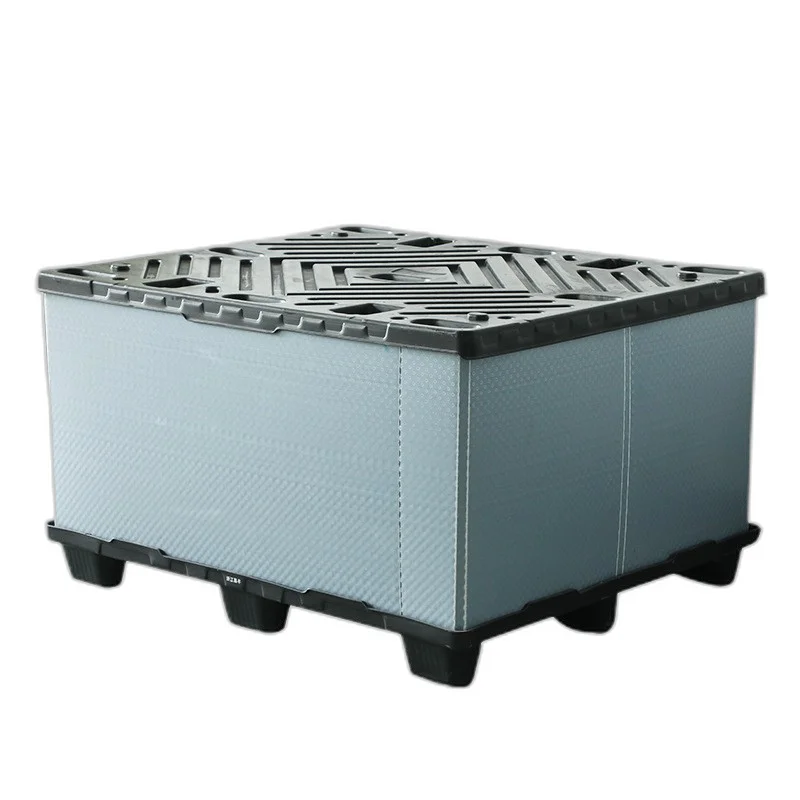
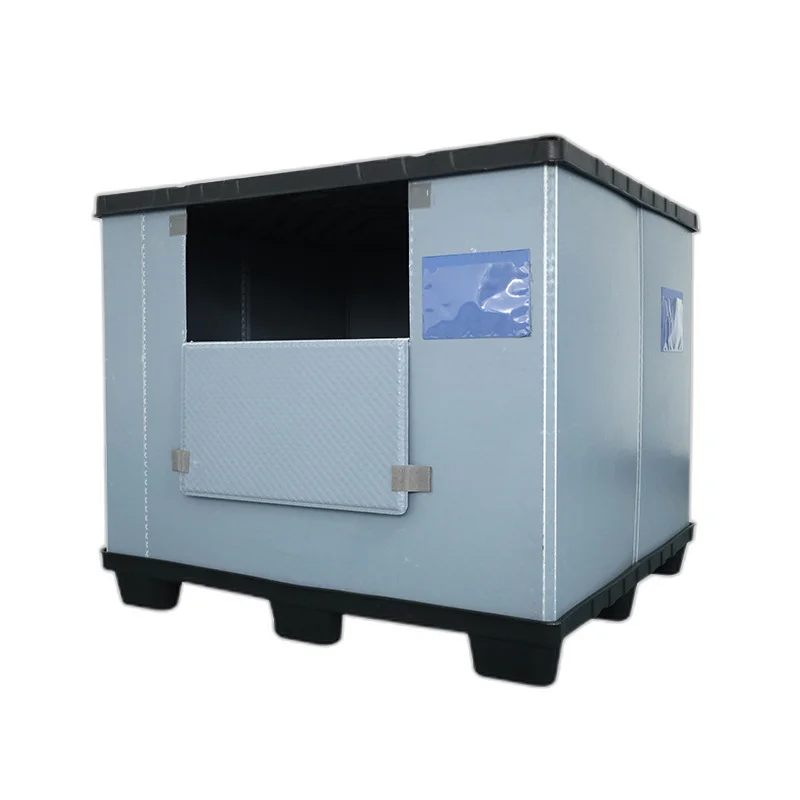
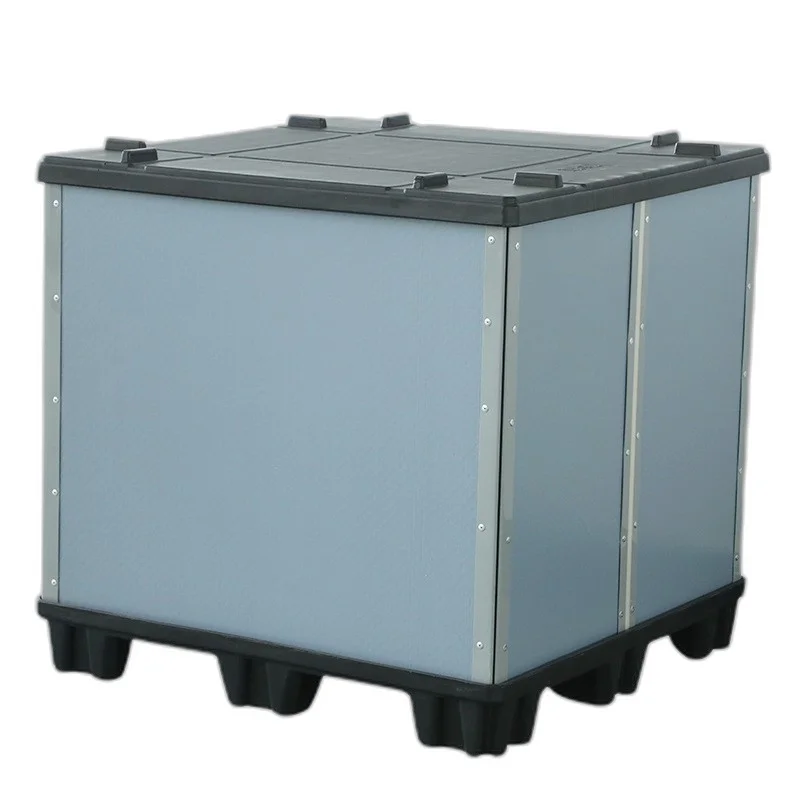
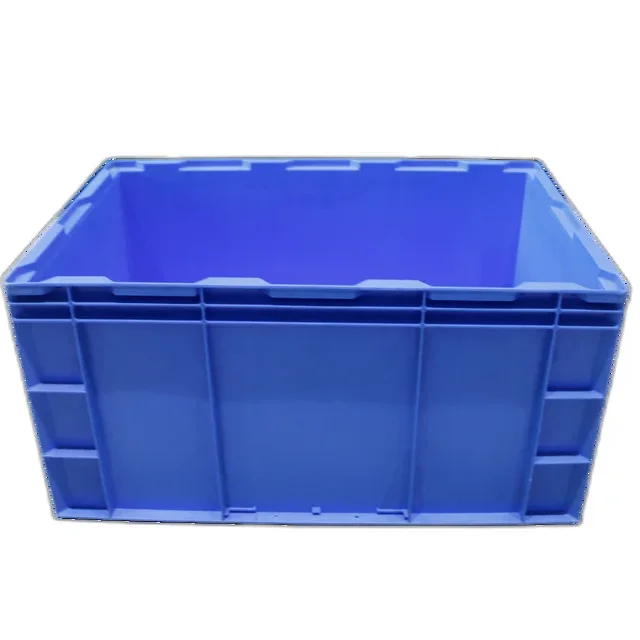
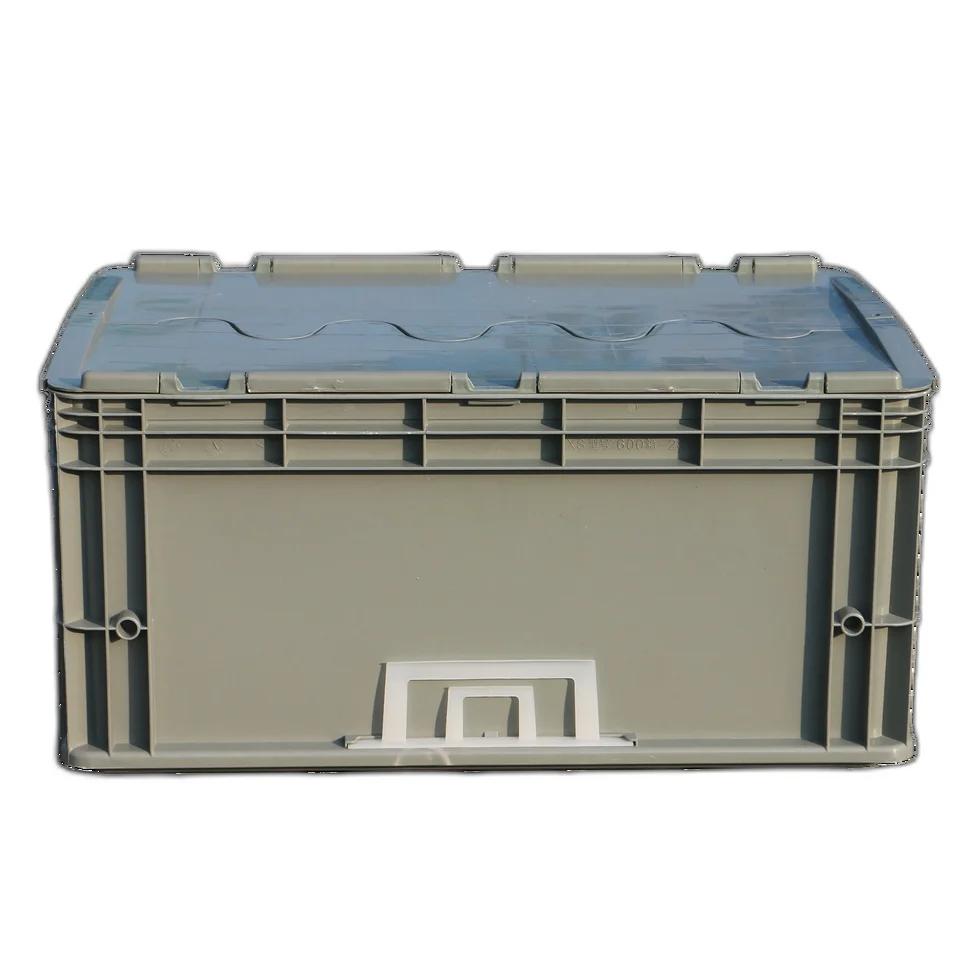
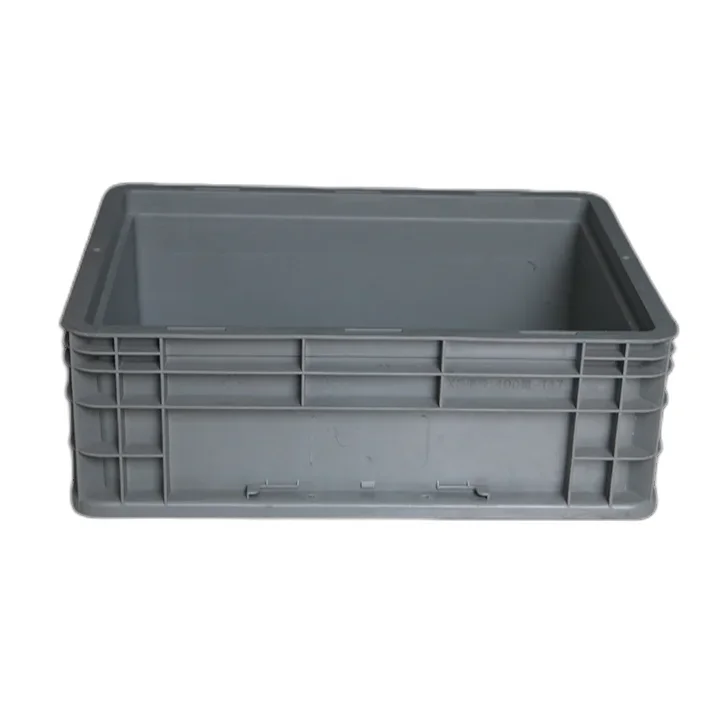
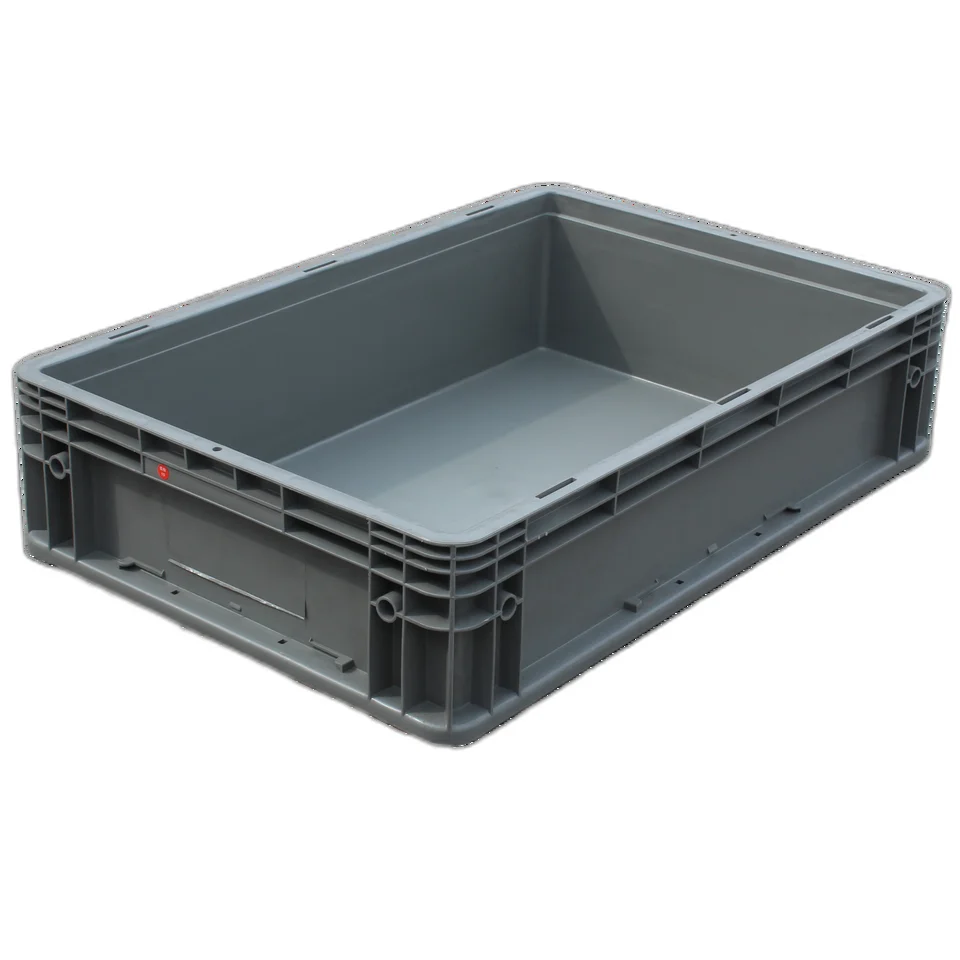
Several specifications are critical when selecting plastic pallets that meet your operational requirements. First, assess the material composition. Polypropylene and polyethylene are common choices, each offering distinct advantages. Polypropylene pallets are generally more resistant to temperature fluctuations, while polyethylene may provide better chemical resistance. Next, consider the load-bearing capacity. plastic pallet are available in various configurations, so ensure the chosen pallet can handle your typical load weights. Dimensions are also crucial; the pallets must fit within your storage systems and transport vehicles to maximize efficiency. Another key specification is the design of the pallet. Nestable pallets save space during storage, while stackable ones improve efficiency in transport and warehousing. Finally, be aware of any certifications such as compliance with food safety standards if used in food-related industries as these can affect both pricing and suitability.
What Makes a Reliable Plastic Pallet?
Reliability in plastic pallets is determined by several factors, including durability, consistency in manufacturing, and the ability to withstand environmental conditions. A reliable pallet should be able to endure repeated handling, exposure to chemicals, and fluctuating temperatures without degrading. Quality control processes play a significant role in determining the reliability of a plastic pallet black. Suppliers that implement rigorous testing and inspection protocols ensure that each pallet meets specified performance standards. Buyers should inquire about these processes, as well as any warranties or guarantees offered by the supplier, to ascertain the reliability of their products. Additionally, consider the supplier's reputation in the industry. Established manufacturers with a proven track record are more likely to provide reliable products. Engaging with customer reviews and case studies can provide insights into the performance and longevity of the pallets in real-world applications.
Where to Find Trusted Suppliers for Plastic Pallet Purchases?
Finding trusted suppliers for plastic pallets involves a multi-faceted approach. Start by seeking recommendations within your industry network. Colleagues and other professionals may have valuable insights based on their experiences with different suppliers. Online platforms and industry trade shows are another excellent avenue for discovering potential suppliers. Trade shows allow you to meet manufacturers face-to-face, inspect product samples, and discuss your specific needs directly. Once you have identified potential suppliers, conduct thorough background checks. Look for certifications that demonstrate compliance with industry standards, such as ISO certifications or specific regulatory approvals relevant to your industry. Request references and case studies to validate their reliability and the quality of their products.
Common Problems with Plastic Pallets and Effective Solutions
While plastic pallets offer numerous benefits, they are not without their challenges. One common problem is warping or deformity, which can occur if pallets are exposed to extreme temperatures or improper handling. To mitigate this, choose pallets designed to withstand specific environmental conditions pertinent to your operation. Another issue is the potential for breakage, particularly if pallets are overloaded or mishandled. Implementing proper training for warehouse personnel on handling and stacking can significantly reduce the risk of damage. Additionally, buyers should be aware of the importance of regular inspections. Periodic checks can identify wear and tear early on, allowing for timely replacements before they impact operations. Establishing a maintenance schedule can help ensure that pallets remain in good condition throughout their lifecycle. By understanding these common challenges and their solutions, purchasing managers can make better decisions that enhance the longevity and functionality of their warehouse plastic pallets. Navigating the landscape of plastic pallet procurement requires a strategic approach. By focusing on the right specifications, supplier reliability, and common challenges, you can optimize your warehouse operations and stay within budget. This guide aims to equip you with the knowledge necessary to make informed decisions, ensuring that your investment in plastic pallets aligns with your operational goals.