 EN
 AR
 BG
 HR
 CS
 DA
 NL
 FI
 FR
 DE
 EL
 HI
 IT
 JA
 KO
 NO
 PL
 PT
 RO
 RU
 ES
 SV
 CA
 TL
 IW
 ID
 UK
 VI
 SQ
 ET
 GL
 HU
 TH
 TR
 FA
 AF
 GA
 CY
 BE
 BN


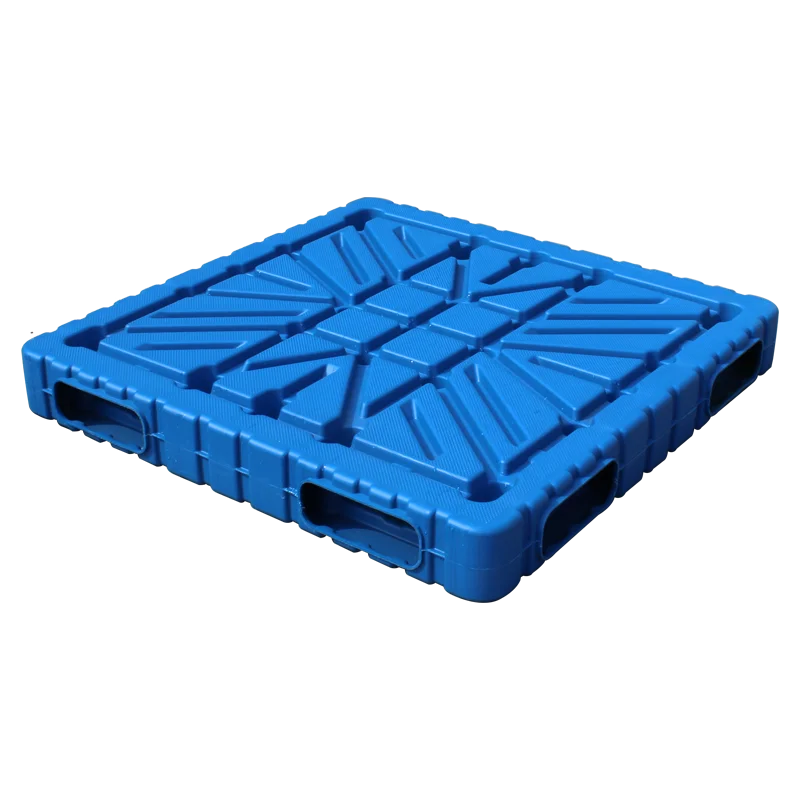
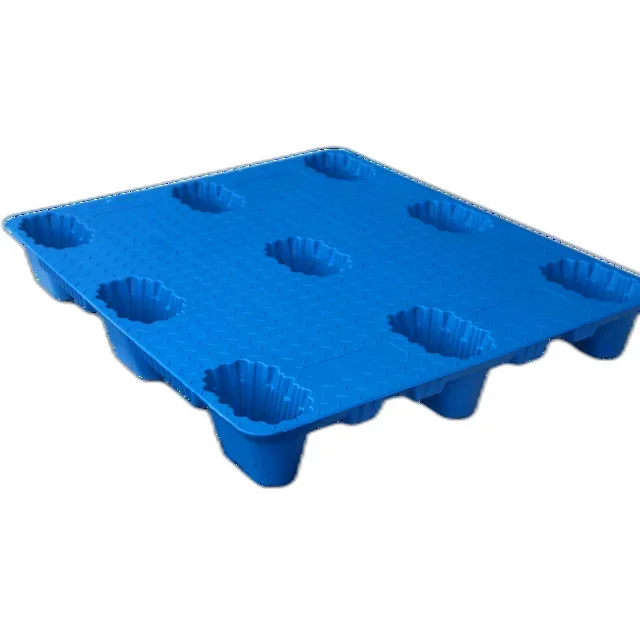
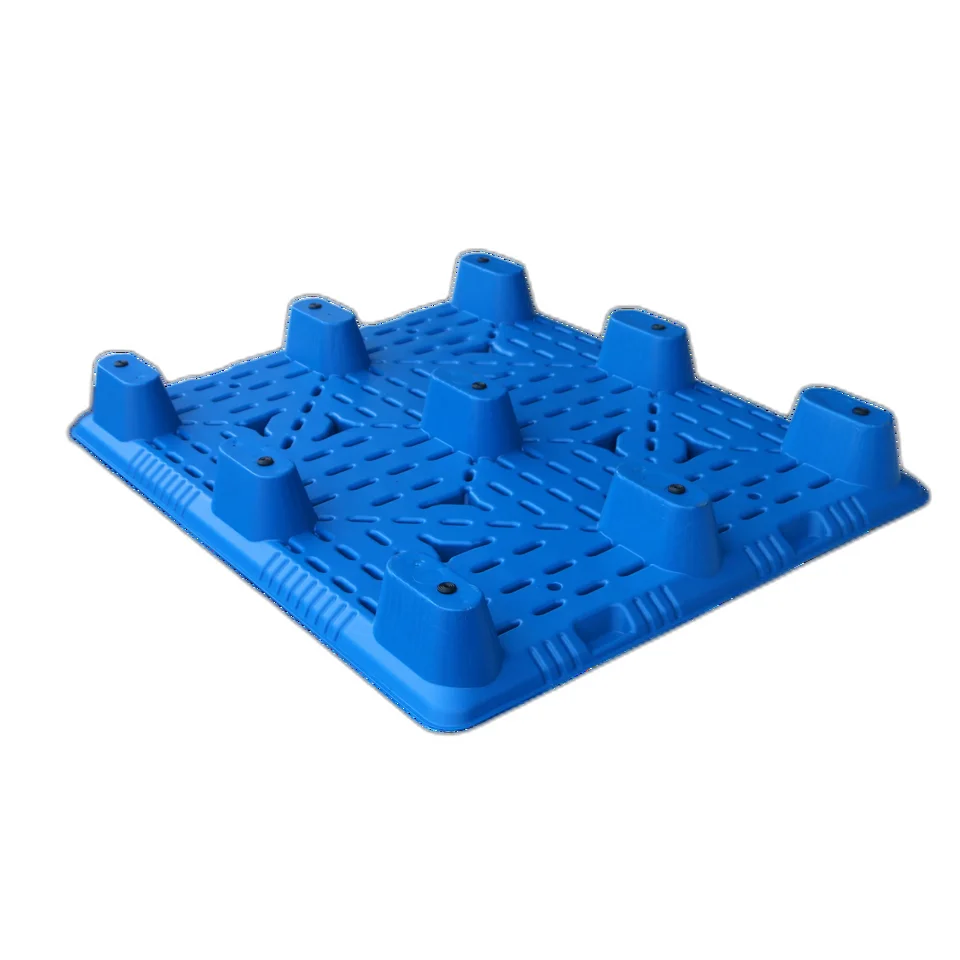
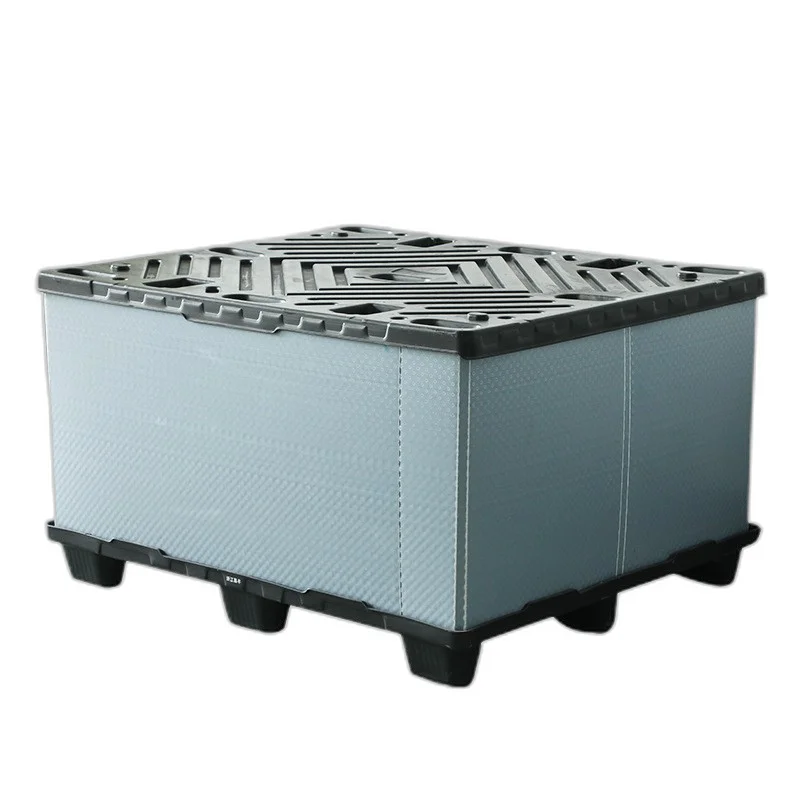
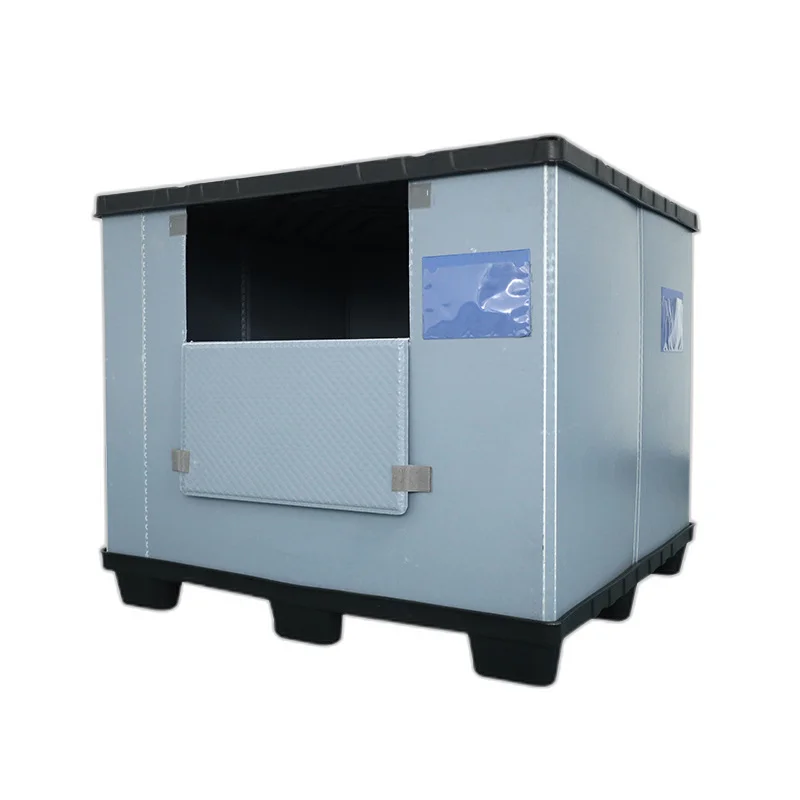
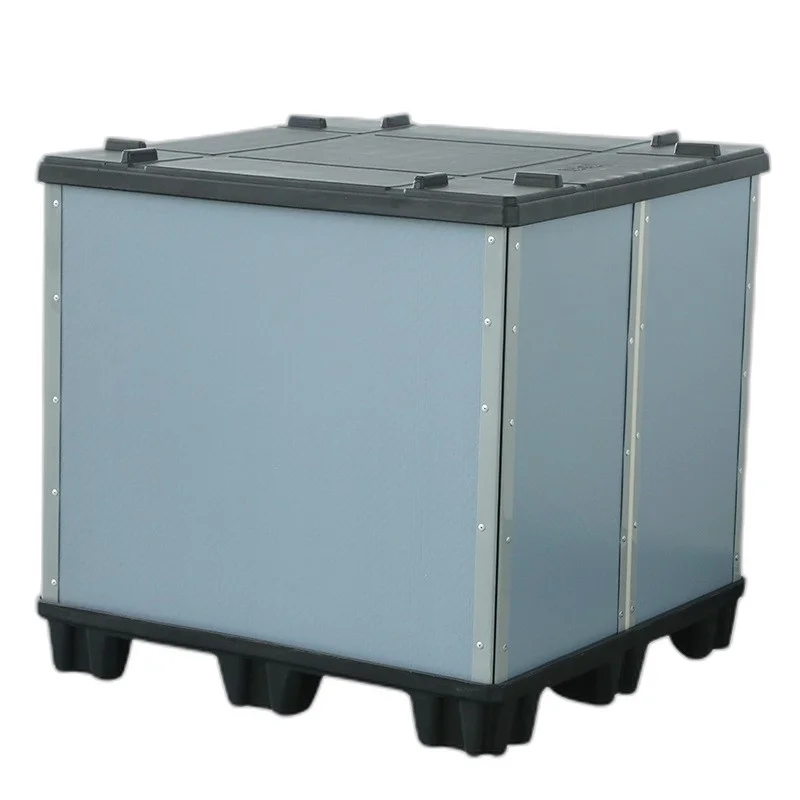
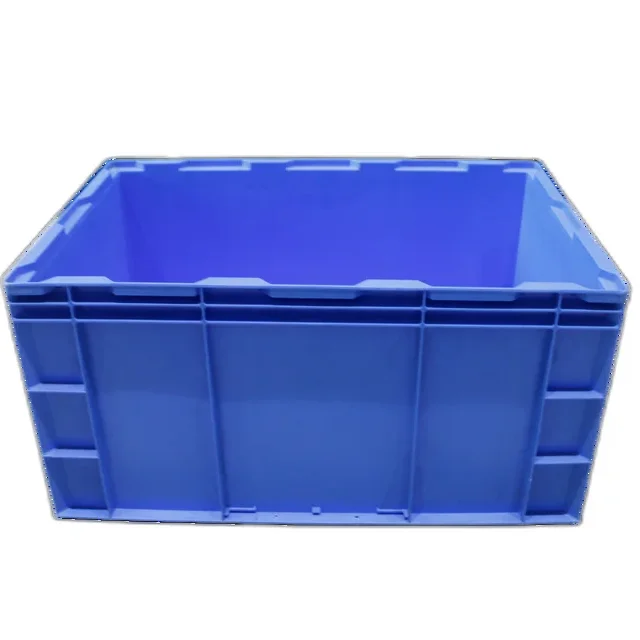
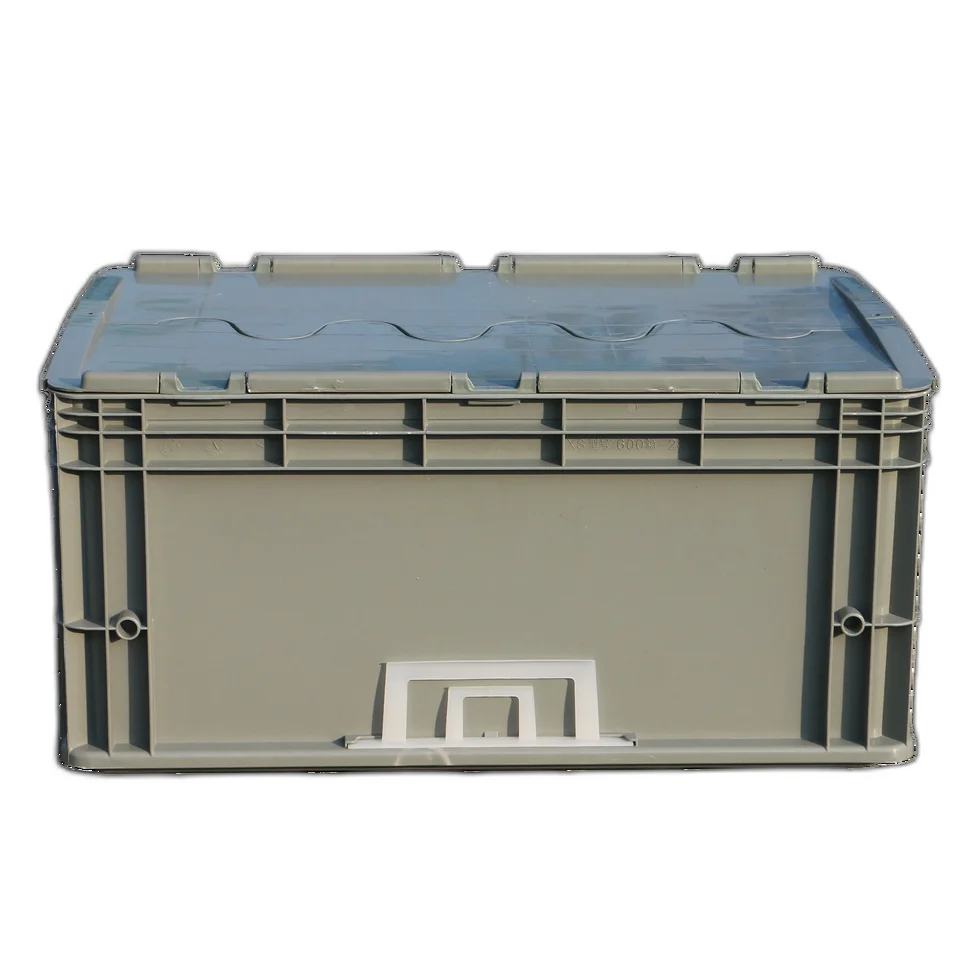
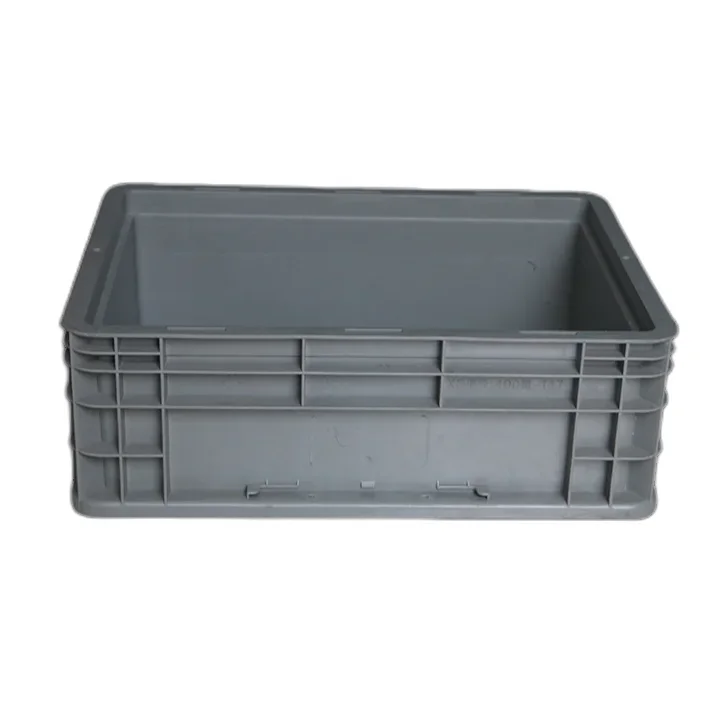
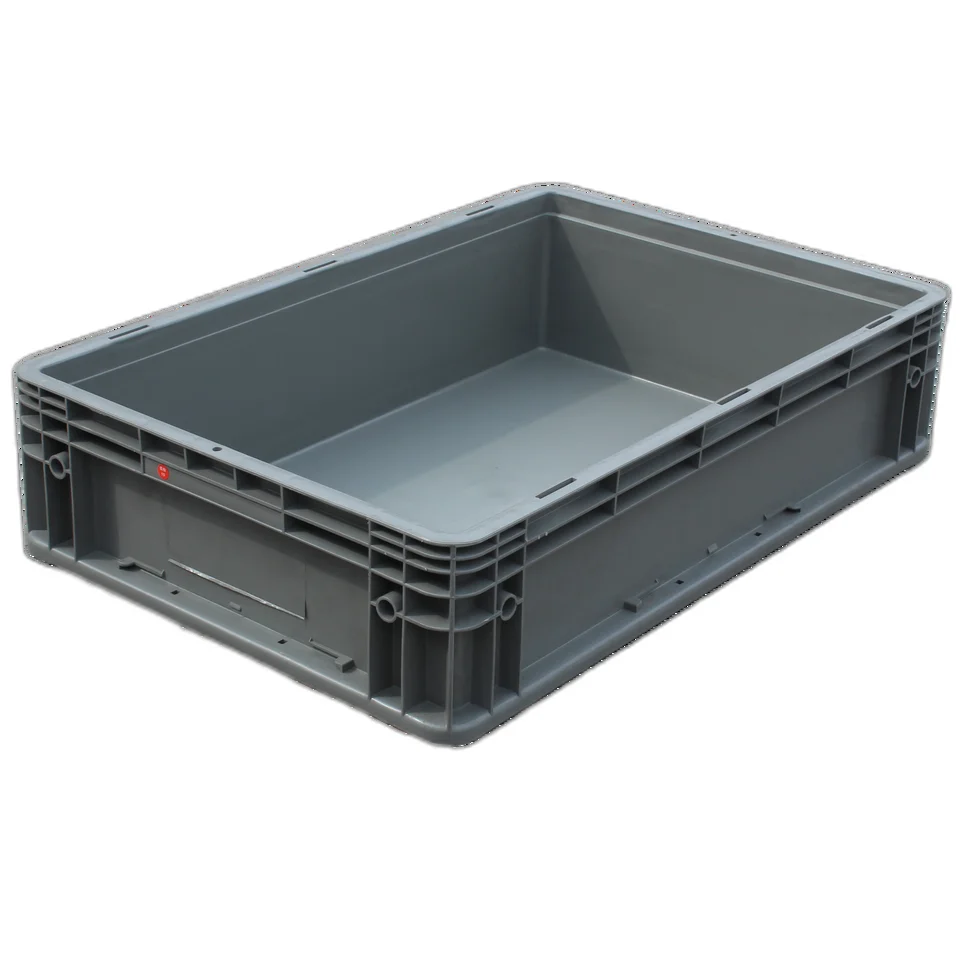
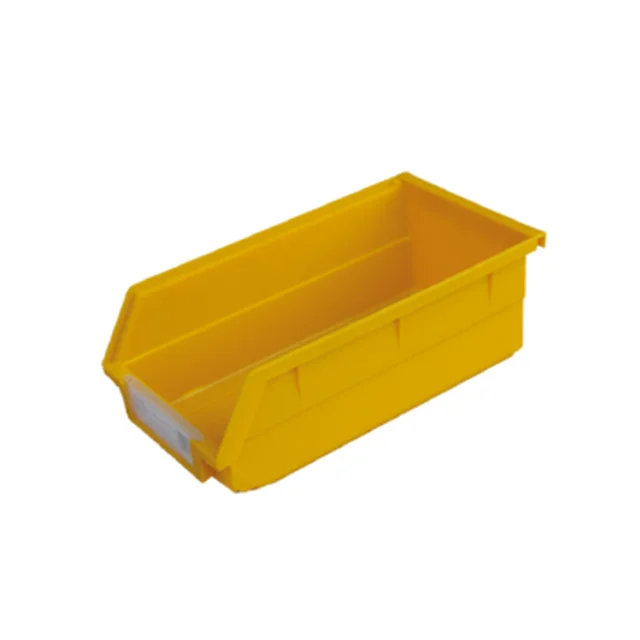
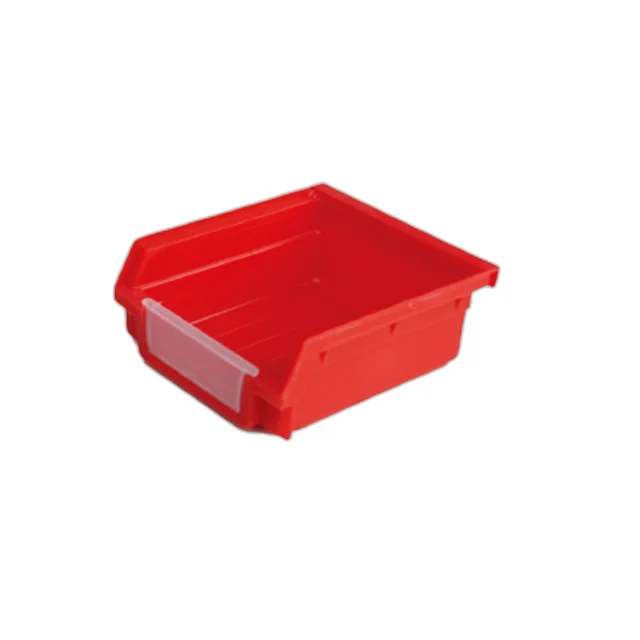
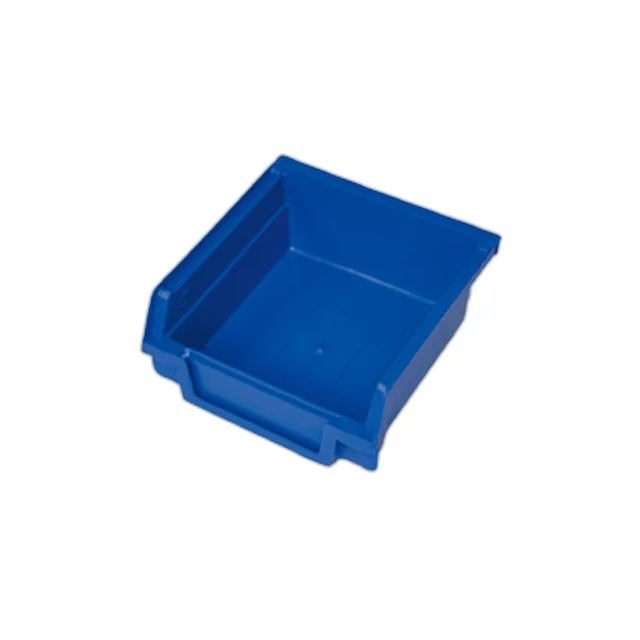
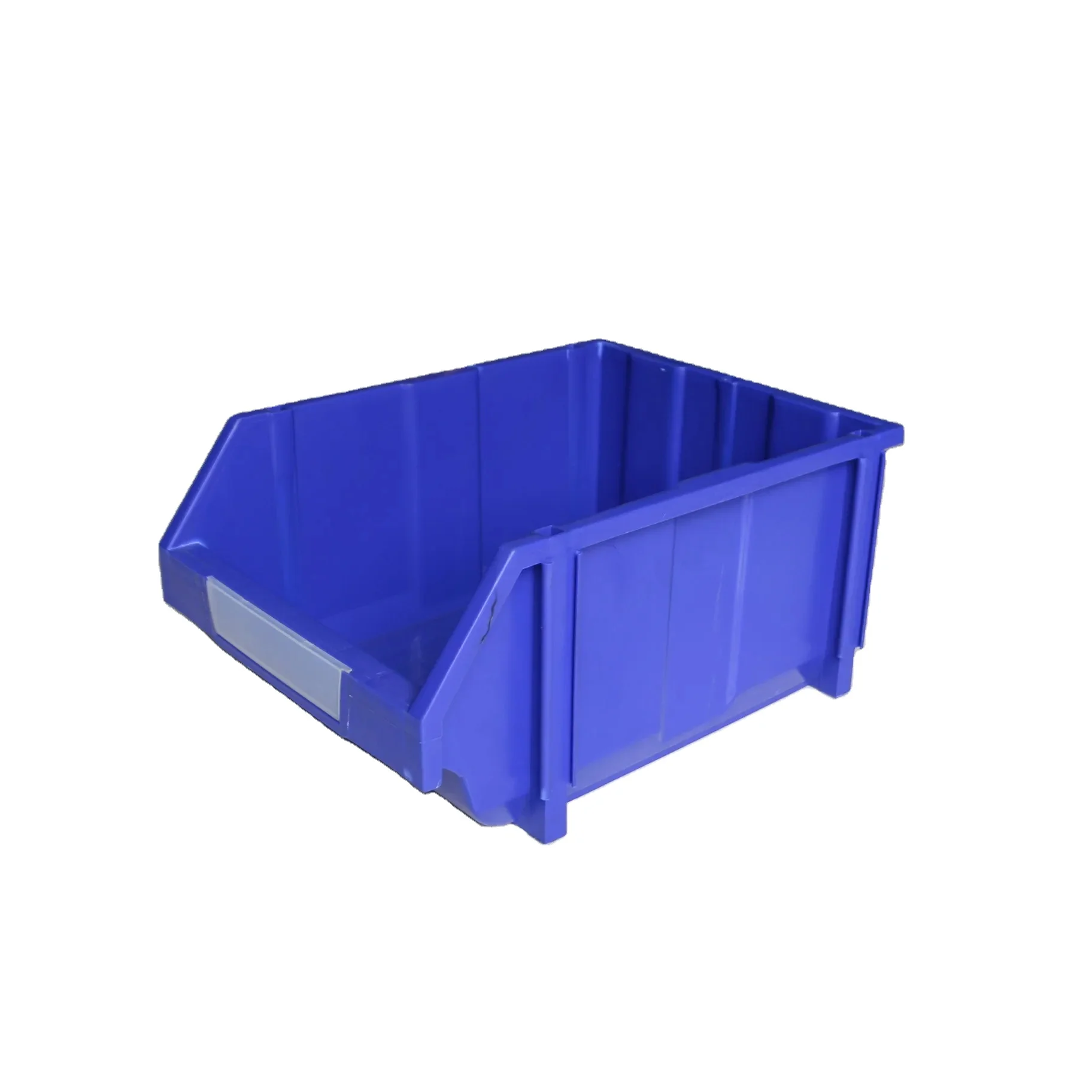
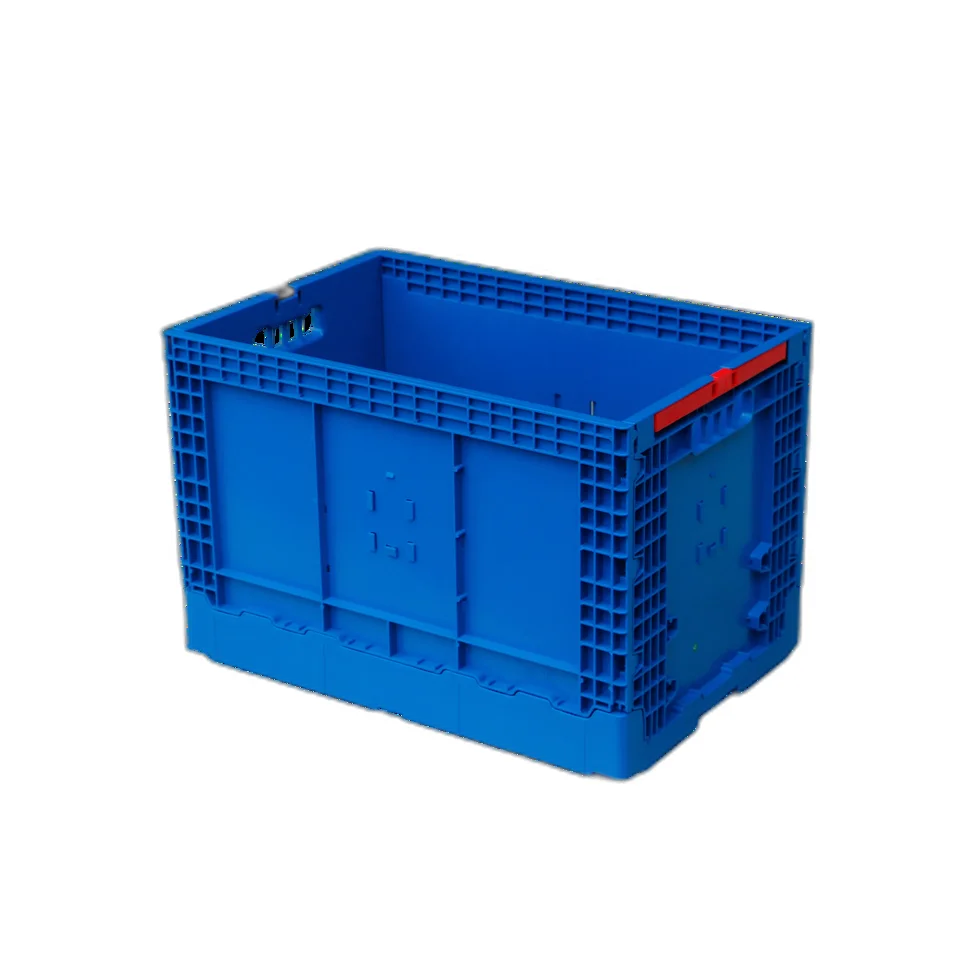


Understanding the cost of plastic pallets involves more than just the initial purchase price; it requires a comprehensive look at long-term operating expenses. For B2B buyers—such as purchasing managers, distributors, and engineers assessing the cost-effectiveness of plastic pallets is crucial for optimizing warehouse and logistics operations. This article will explore key considerations related to plastic pallet costs, helping you make informed decisions that balance upfront investment with operational efficiency.
Where to Find Reliable Suppliers for Quality Plastic Pallets?
Finding reliable suppliers for quality plastic pallets is essential to ensuring your logistics operations run smoothly. Start by looking for manufacturers with a solid reputation in the industry, such as Jiangsu Nexara, which boasts 30 years of experience in producing plastic injection and blow-molded products. You can seek recommendations from industry peers, attend trade shows, or explore online directories focused on industrial suppliers.
When evaluating suppliers, consider their manufacturing capabilities, quality control processes, and customer service. Verify their production capacity and lead times to ensure they can meet your demands. Additionally, check if they offer customization options, as tailored solutions can better meet specific operational needs. Always request samples to evaluate the pallet's quality and performance before making bulk purchases.
Key Specifications to Consider When Choosing Plastic Pallets
When selecting plastic pallets, several key specifications will impact their performance and suitability for your application:
Load Capacity: Understand the weight and size requirements of your products. Ensure that the pallets you select can handle the required load without risk of failure.
Dimensions: Standard sizes are available, but custom dimensions may be necessary depending on your storage or transportation needs. Pallets that fit well in your racking systems can optimize space utilization.
Material Composition: Different plastics offer varying levels of durability, impact resistance, and chemical compatibility. For example, high-density polyethylene (HDPE) is commonly used for its strength and resistance to moisture.
Design Features: Look for pallets with features like reinforced corners, anti-slip surfaces, or fork entry points that can enhance usability and safety during handling.
Weight: Lightweight pallets can reduce transportation costs but may compromise durability. Assess the trade-off between weight and strength to find the right balance for your operations.
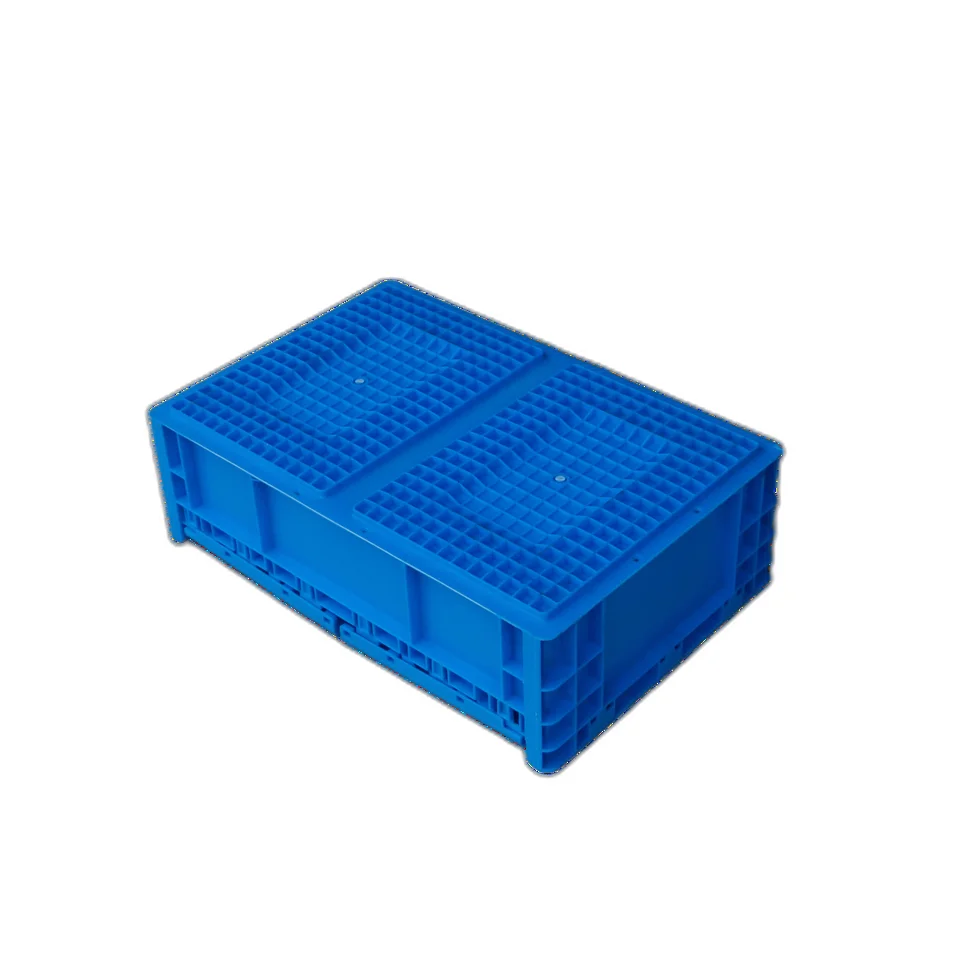
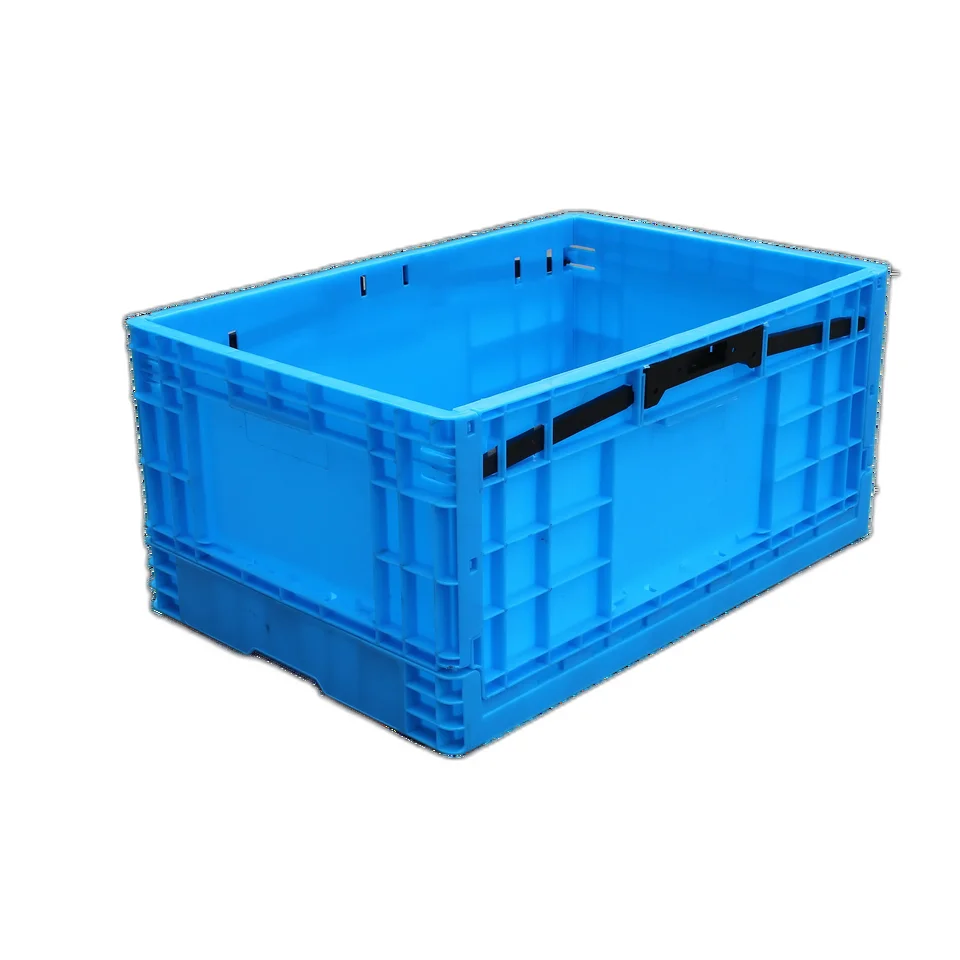
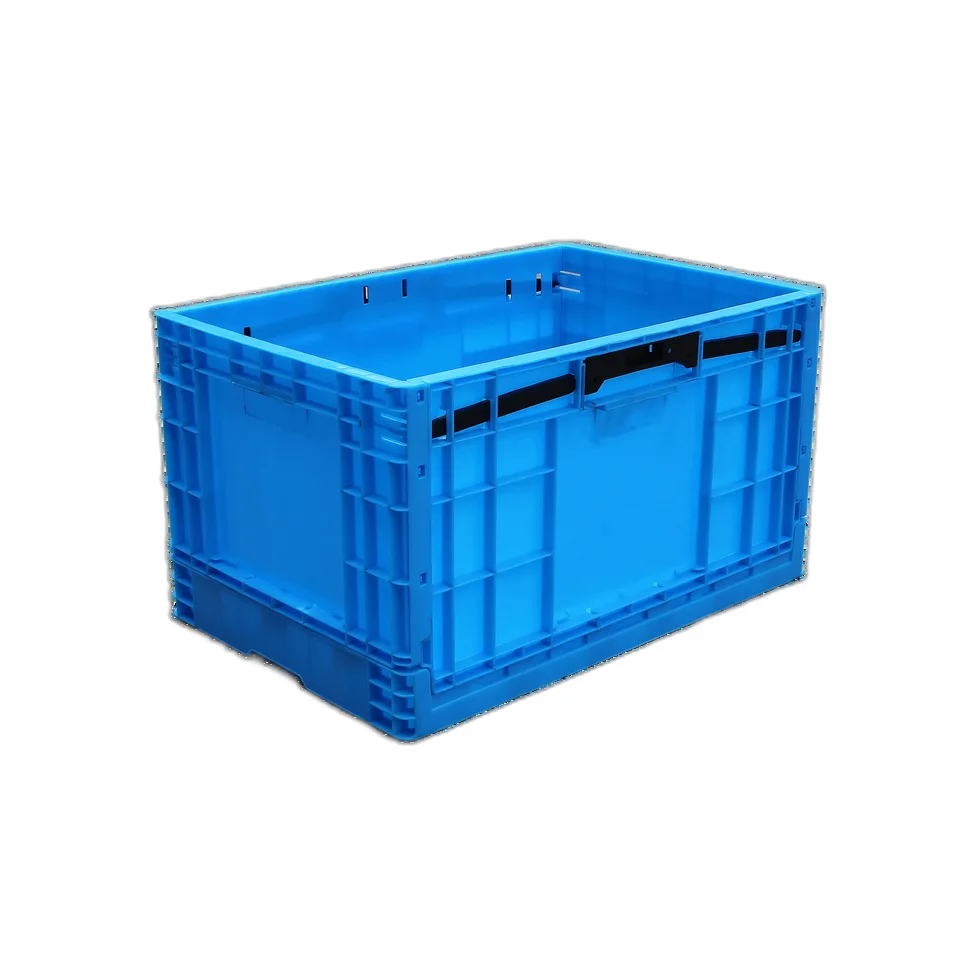
By evaluating these specifications, you can ensure that the plastic pallets blue you choose align with your operational needs and budget constraints.
Bulk Orders vs Individual Purchases
When it comes to purchasing plastic pallets, deciding between bulk orders and individual purchases can significantly impact cost management. Bulk orders typically offer lower unit prices due to economies of scale, which can lead to significant savings for companies with high volume needs. Additionally, suppliers are often more willing to negotiate terms on larger orders, which can further reduce costs.
However, if your business has diverse requirements or if you are testing the market with new products, individual purchases may be more appropriate. This approach allows for flexibility and ensures you are not over-committed to a specific type of pallet that may not suit your needs in the long run.
Consider your inventory turnover rates and storage capabilities when deciding on quantities. It's also important to factor in the potential for damage during shipping or handling, which could necessitate additional purchases sooner than expected.
Common Problems with Plastic Pallets and Effective Solutions
While plastic pallets offer numerous advantages, they are not without challenges. Here are some common problems and effective solutions:
Warpage or Deformation: This can occur if pallets are exposed to extreme heat or improper storage conditions. To mitigate this, ensure pallets are stored in a climate-controlled area and avoid stacking them too high.
Surface Damage: Frequent handling can lead to scratches or cracks. Regular inspections can help identify damaged pallets early, allowing for timely replacement before they affect product integrity.
Slippage During Transport: If pallets do not have sufficient anti-slip features, products may shift during transport. Utilizing pallets with textured surfaces or adding anti-slip mats can enhance load stability.
Chemical Compatibility Issues: Not all plastics are suitable for every application. Confirm that the chosen material can withstand the chemicals it will be exposed to, particularly in industries like food or pharmaceuticals.
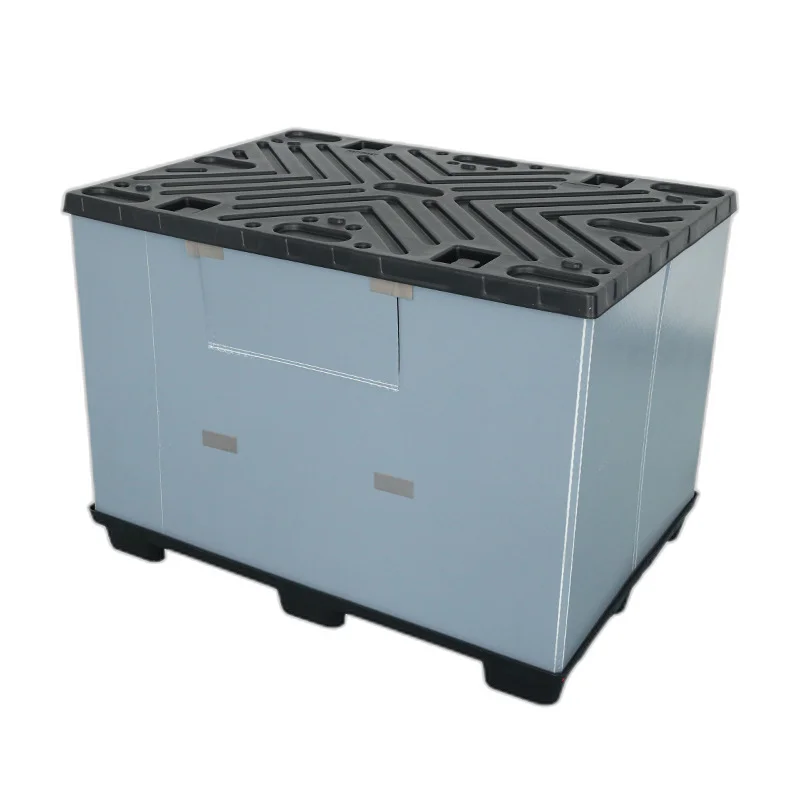
By addressing these common issues proactively, you can extend the life of your plastic pallet lid and maintain operational efficiency.
Understanding the Material Advantages of Plastic Pallets in Logistics
Plastic pallets come with several material advantages that can enhance logistics operations:
Durability: Unlike wooden pallets, plastic pallets are resistant to moisture, chemicals, and pests. This durability means they are less likely to degrade over time, resulting in lower replacement costs.
Hygienic: Plastic pallets are easy to clean and maintain, making them ideal for industries like food and pharmaceuticals where hygiene is a priority.
Recyclability: Many plastic pallets are made from recyclable materials, allowing businesses to adopt a more sustainable approach to logistics. This can also positively impact your brand image.
Weight Reduction: Plastic pallets are often lighter than their wooden counterparts, leading to lower shipping costs and easier handling. This weight advantage can be especially beneficial in high-volume operations.
Customizability: The manufacturing process allows for customized designs to meet specific needs, whether in terms of color, branding, or unique structural features.
Understanding these advantages can help you make more informed decisions about integrating plastic pallet into your logistics strategy and potentially reduce long-term operating expenses associated with pallet management.