 EN
EN
 AR
AR
 BG
BG
 HR
HR
 CS
CS
 DA
DA
 NL
NL
 FI
FI
 FR
FR
 DE
DE
 EL
EL
 HI
HI
 IT
IT
 JA
JA
 KO
KO
 NO
NO
 PL
PL
 PT
PT
 RO
RO
 RU
RU
 ES
ES
 SV
SV
 CA
CA
 TL
TL
 IW
IW
 ID
ID
 UK
UK
 VI
VI
 SQ
SQ
 ET
ET
 GL
GL
 HU
HU
 TH
TH
 TR
TR
 FA
FA
 AF
AF
 GA
GA
 CY
CY
 BE
BE
 BN
BN


/images/share.png)
When sourcing plastic pallets in bulk, it’s crucial for industrial buyers to understand the various factors that influence their quality and suitability for diverse applications. This sourcing guide is tailored to help purchasing managers, distributors, and other professionals navigate the complexities of buying plastic pallets, ensuring they make informed decisions that align with their operational needs. From specifications to cost factors and industry applications, this article addresses the key considerations for selecting the right plastic pallets.
Where to Source High-Quality Plastic Pallets for Bulk Orders?
Sourcing high-quality plastic pallets begins with identifying reliable manufacturers with a proven track record in the industry. Established companies like Jiangsu Nexara, with 30 years of experience in producing plastic products, can provide bulk buyers with confidence in their sourcing choices. When evaluating suppliers, consider their production capabilities, the technology employed, and their ability to meet specific requirements.
Look for manufacturers that utilize advanced injection and blow-molding processes to ensure uniformity and durability in their products. Additionally, verify that they have the capacity to handle large orders, as well as the logistical capabilities for timely delivery. It’s also beneficial to request samples or prototypes to assess quality firsthand before committing to a bulk purchase.
What Specifications to Consider When Buying Plastic Pallets Wholesale?
When purchasing plastic pallets, several specifications are critical to ensuring they meet operational needs. Key factors include:
Material Type: Plastic pallets are typically made from polyethylene or polypropylene. Each material has distinct properties, such as weight, durability, and resistance to chemicals and moisture. For instance, polypropylene may be more suitable for food applications due to its higher resistance to heat and chemicals.
Dimensions and Load Capacity: Determine the specific dimensions required for your application, as pallets come in various sizes. Also, assess the load capacity needed, which could impact storage and transportation efficiency. Standard sizes like 48"x40" are common, but custom sizes may be necessary for specialized applications.
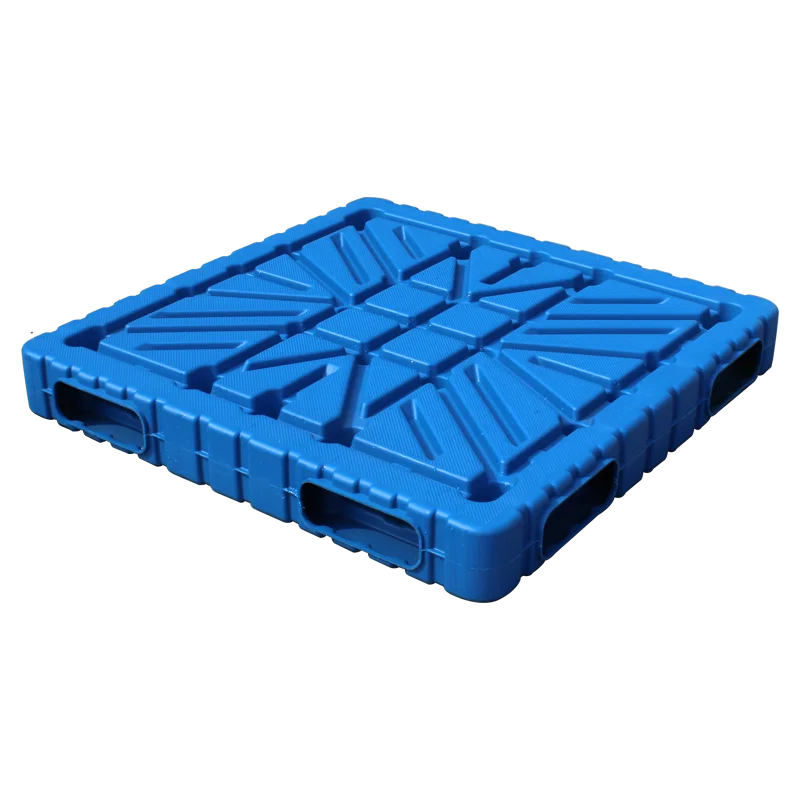
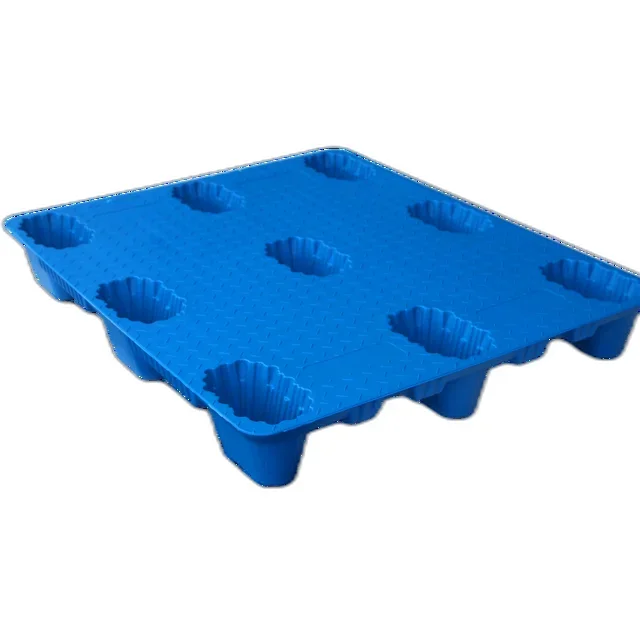
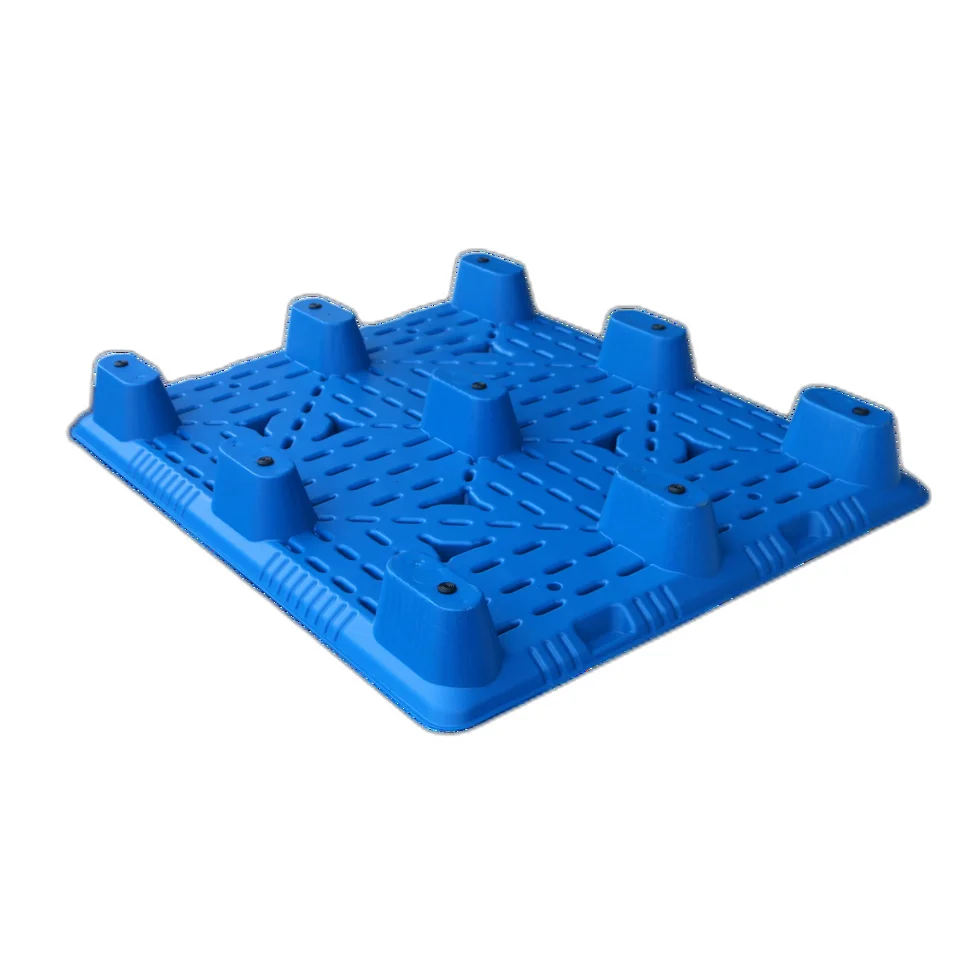
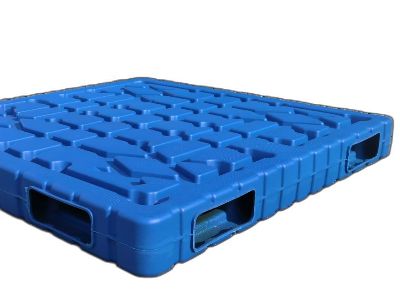
Design Features: Consider whether you need plastic pallets small with solid or ventilated decks, as this affects hygiene and airflow, particularly in food and pharmaceutical industries. Additionally, decide on the required runner or leg configuration based on how the pallets will be handled and stored.
By paying attention to these specifications, buyers can ensure that the pallets chosen will function optimally in their intended applications.
Cost Factors to Assess When Purchasing Plastic Pallets in Bulk
Understanding the cost structure for plastic pallets is essential for bulk buyers. Key cost factors include:
Material Costs: The type of plastic used significantly influences the price. Higher-quality materials may incur a higher upfront cost but often lead to lower long-term maintenance and replacement expenses.
Manufacturing Process: Costs can vary based on the manufacturing methods employed. Injection-molded pallets may be more expensive than blow-molded options due to the complexity of the process.
Customization Requirements: If customization is needed such as specific colors, branding, or unique dimensions this can impact the overall cost. Discussing these needs upfront with your supplier can help in obtaining accurate quotes.
Shipping and Logistics: Factor in the costs associated with shipping and delivery, as these can vary based on distance and order size. Ensure to confirm whether the quoted price includes these elements.
By analyzing these cost factors, buyers can better manage their budgets while ensuring they select the most suitable plastic pallets stackable for their operations.
Applications of Plastic Pallets in Various Industries Explained
Plastic pallets are versatile and find applications across numerous industries. Here are some examples:
Food and Beverage: Plastic pallets are widely used in the food industry due to their resistance to moisture and ease of cleaning. They help maintain hygiene standards during transportation and storage of food products.
Pharmaceuticals: In the medical sector, plastic pallets are preferred for their ability to be sanitized effectively. They support compliance with stringent regulations regarding product safety and cleanliness.
Automotive: The automotive industry utilizes heavy duty plastic pallets or their lightweight properties, which reduce transportation costs. They also provide reliable support for heavy components during shipping.
Retail and E-commerce: With the rise of online shopping, plastic pallets are increasingly used in warehouses and distribution centers to streamline logistics and improve efficiency.
Understanding these applications helps buyers align their pallet choices with industry-specific requirements.
Which Option Suits Your Needs?
Ultimately, the best choice of plastic pallets depends on your specific operational needs. When evaluating options, consider the following:
Intended Use: Identify the primary application for the pallets. Will they be used for storage, transportation, or both? This decision will guide your selection of material, size, and design.
Load Requirements: Assess the weight and type of products being transported. Ensure that the pallets can safely support the intended load without risk of deformation or failure.
Environmental Conditions: Consider the conditions under which the pallets will be used. If exposed to extreme temperatures, moisture or chemicals, select pallets designed to withstand these factors.
Budget Constraints: Balance the need for quality with your budget. While lower-cost options may be tempting, ensure they do not compromise safety or performance.
By taking these factors into account, buyers can make informed decisions that enhance their operational efficiency and safety.