 EN
EN
 AR
AR
 BG
BG
 HR
HR
 CS
CS
 DA
DA
 NL
NL
 FI
FI
 FR
FR
 DE
DE
 EL
EL
 HI
HI
 IT
IT
 JA
JA
 KO
KO
 NO
NO
 PL
PL
 PT
PT
 RO
RO
 RU
RU
 ES
ES
 SV
SV
 CA
CA
 TL
TL
 IW
IW
 ID
ID
 UK
UK
 VI
VI
 SQ
SQ
 ET
ET
 GL
GL
 HU
HU
 TH
TH
 TR
TR
 FA
FA
 AF
AF
 GA
GA
 CY
CY
 BE
BE
 BN
BN



/images/share.png)

Choosing between plastic and wood pallets is a crucial decision for logistics operations, as it impacts efficiency, cost, and sustainability. This article examines the key differences between plastic and wood pallets, helping B2B buyers—such as purchasing managers, distributors, and logistics coordinators—make informed choices. We'll explore essential specifications, sourcing strategies, performance evaluations, common issues with wooden pallets, and the applications of both pallet types across various industries
Key Specifications to Consider When Selecting Pallets for Bulk Orders
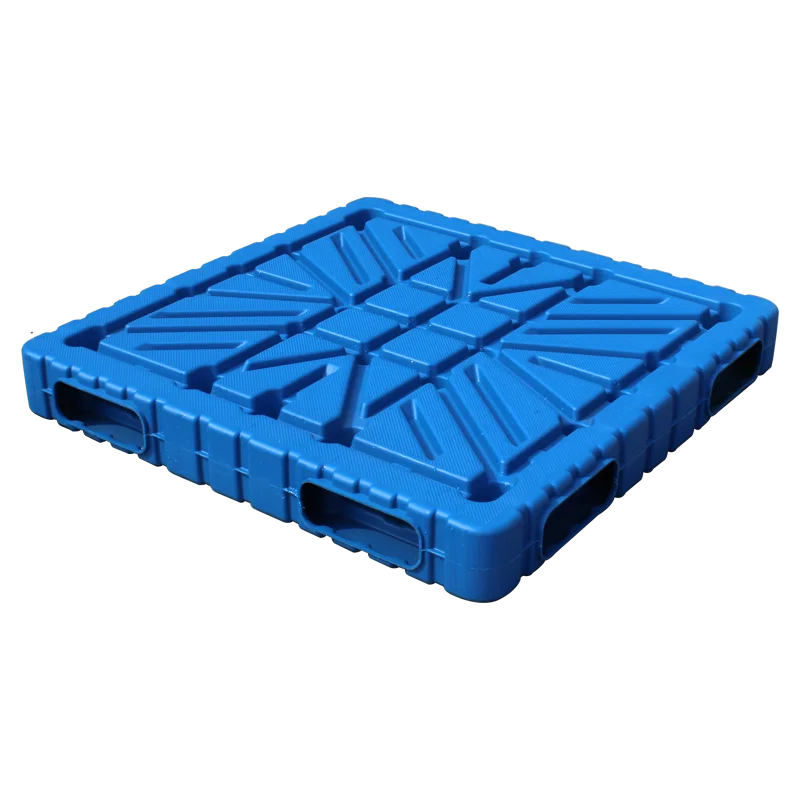
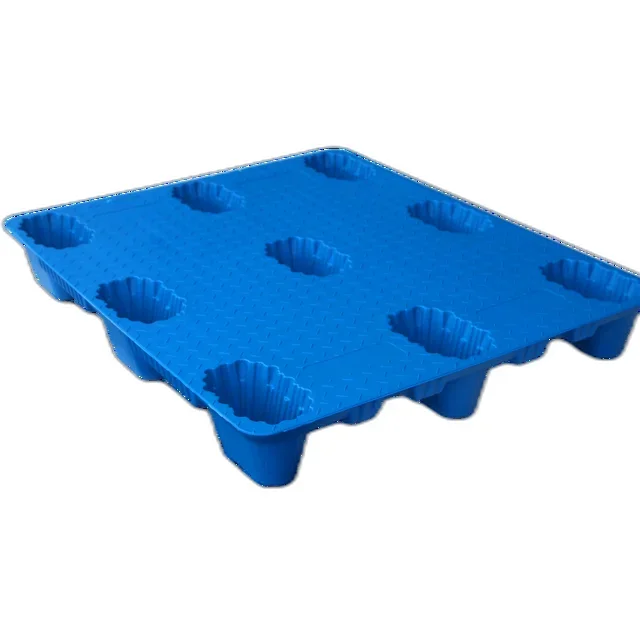
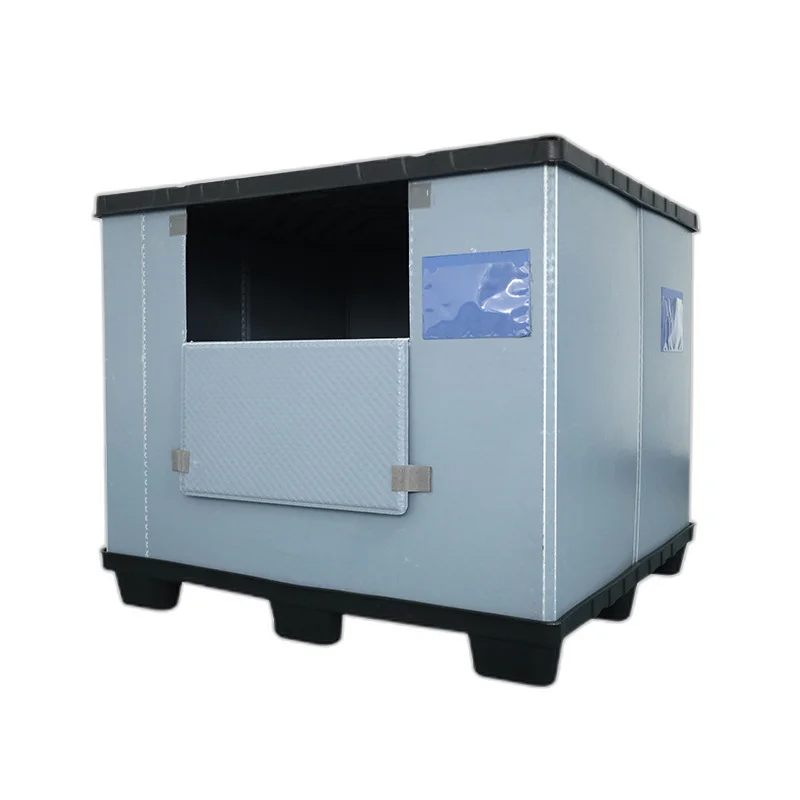
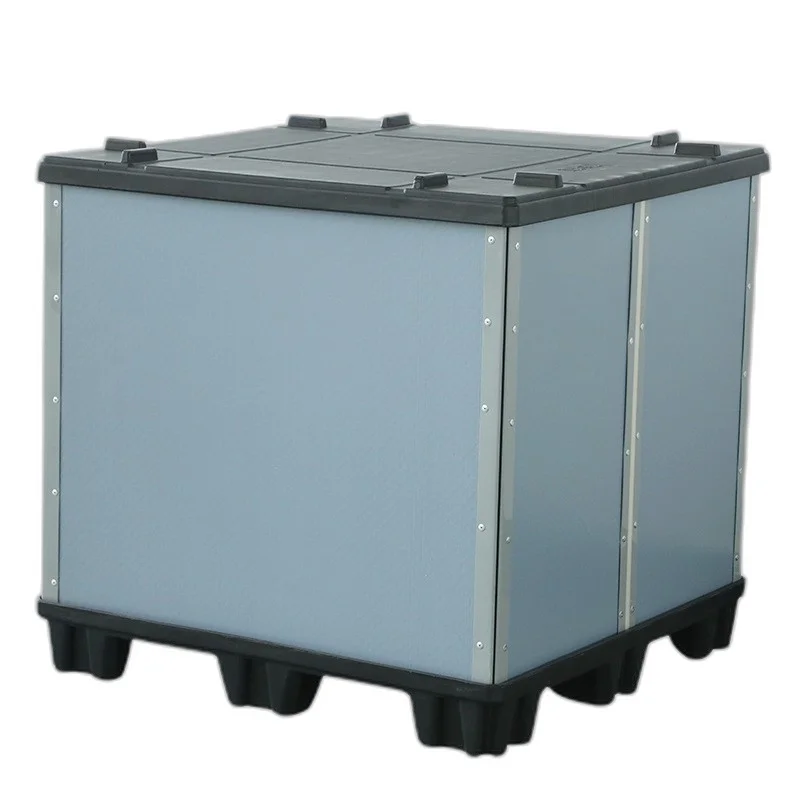
When evaluating pallets for bulk orders, several specifications should be carefully considered. First, material is fundamental; plastic for pallets are typically more durable and resistant to moisture, chemicals, and pests, while wooden pallets can vary significantly in quality depending on the type of wood used and its treatment
Dimensions and weight capacity are also critical. Standard sizes may not fit all applications, so it's essential to confirm the pallet dimensions align with your products and storage systems. Weight capacity should be evaluated based on the maximum load the pallet will carry, considering dynamic (moving) and static (stationary) loads
Additionally, design features like nestability (the ability to stack pallets when not in use) and entry points (the ways forklifts can access the pallets) can significantly affect storage efficiency and handling ease. For example, plastic pallets often feature designs that allow for easier cleaning and hygiene compliance, making them suitable for food and medical applications
Lastly, assess certifications and quality control processes. Plastic pallets may come with certifications such as ISPM 15 for international shipping, ensuring they meet phytosanitary regulations. Understanding these specifications helps buyers select pallets that meet their operational needs and compliance requirements
Where to Source Reliable Suppliers for Plastic and Wood Pallets
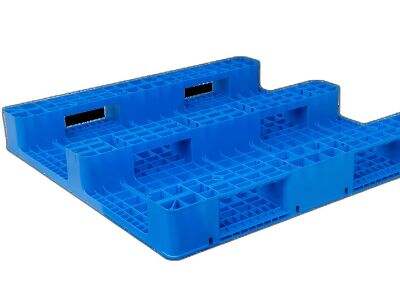
Sourcing reliable suppliers for plastic and wood pallets involves a few strategic steps. Start by researching manufacturers with a proven track record in pallet production. Companies like Jiangsu Nexara, with over 30 years of experience in manufacturing plastic products, can offer insights into quality and performance
Consider attending industry trade shows and networking events where pallet manufacturers showcase their products. These venues provide opportunities to observe product quality firsthand and engage directly with suppliers to discuss your specific needs
Online platforms such as industry directories and marketplaces can also be useful for finding suppliers. Look for reviews and testimonials to gauge the reliability and service quality of potential partners. When evaluating suppliers, request samples to assess the material quality and design before making bulk purchases
Ensure to clarify your requirements, including specific pallet dimensions, load capacities, and any customization needed. A well-documented Request for Quotation (RFQ) will facilitate clearer communication and help suppliers provide accurate pricing and lead times
How to Assess Pallet Durability and Performance
Assessing durability and performance is critical to ensuring pallets meet the demands of your logistics operations. Start by examining material properties. Plastic pallets typically offer higher durability than wood pallets, with resistance to moisture, chemicals, and temperature fluctuations. This makes them suitable for diverse environments, particularly in industries like food and pharmaceuticals where hygiene is paramount
Impact resistance is another vital factor. Evaluate how well the pallets hold up under mechanical stress and during transport. Request performance tests or certifications from suppliers that detail load-bearing capacities and resistance ratings
Consider the lifespan and maintenance needs. Plastic pallets often have a longer lifespan and require less maintenance than wooden pallets, which can suffer from splintering, warping, and pest infestations
Lastly, analyze the cost-per-use over the expected lifespan of the pallet. While plastic spill pallets may have a higher upfront cost, their longevity and reduced maintenance can lead to lower total costs in the long run
Common Problems with Wooden Pallets and Effective Solutions
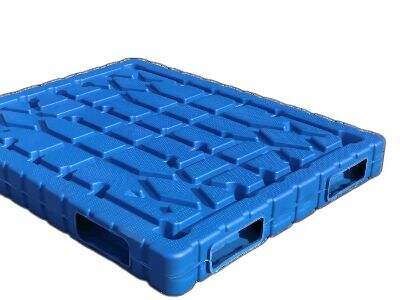
Wooden pallets, while widely used, present various challenges that can impact logistics efficiency. Common issues include splintering and breaking, which can lead to product damage and safety hazards. To mitigate this, establish a regular inspection protocol to identify damaged pallets before use
Another concern is pest infestations. Wooden pallets can harbor insects and fungi, posing risks in certain industries, especially food. To address this, consider using heat-treated pallets that comply with international shipping standards, which kill pests and prevent infestations
Moisture absorption is another significant drawback of wooden pallets. Over time, wet wood can warp or weaken, leading to failure during transport. Implementing a drying process or choosing moisture-resistant wood treatments can help extend the life of wooden pallets
Lastly, weight inconsistencies can lead to difficulties in handling and increased shipping costs. Ensure that your supplier provides pallets that meet standard weight specifications and consider transitioning to plastic pallets if weight consistency is critical to your operations
Applications of Plastic and Wood Pallets in Various Industries
Both plastic and wood pallets have their unique applications across various industries. In the food and beverage sector, plastic pallets are often preferred due to their ease of cleaning and compliance with health regulations. They can withstand frequent wash-downs and do not absorb liquids, making them ideal for perishable goods
In the automotive industry, both pallet types can be used, but plastic trucking pallets often take precedence due to their durability and ability to handle heavy loads without the risk of splintering. They can also be customized to fit specific manufacturing processes
Pharmaceutical and medical applications require strict hygiene standards, where plastic pallets excel due to their non-porous surfaces and resistance to contamination
Conversely, wooden pallets are still widely used in furniture and retail operations, where their aesthetic appeal and lower initial costs can be beneficial. They are often suitable for handling bulk products before they are packaged for retail
Ultimately, the choice between plastic and wood pallets will depend on the specific requirements of your operation, including industry regulations, cost considerations, and operational efficiency. By understanding the unique advantages and challenges of each type, B2B buyers can make informed decisions that align with their logistics strategies
Table of Contents
- Key Specifications to Consider When Selecting Pallets for Bulk Orders
- Where to Source Reliable Suppliers for Plastic and Wood Pallets
- How to Assess Pallet Durability and Performance
- Common Problems with Wooden Pallets and Effective Solutions
- Applications of Plastic and Wood Pallets in Various Industries