 EN
EN
 AR
AR
 BG
BG
 HR
HR
 CS
CS
 DA
DA
 NL
NL
 FI
FI
 FR
FR
 DE
DE
 EL
EL
 HI
HI
 IT
IT
 JA
JA
 KO
KO
 NO
NO
 PL
PL
 PT
PT
 RO
RO
 RU
RU
 ES
ES
 SV
SV
 CA
CA
 TL
TL
 IW
IW
 ID
ID
 UK
UK
 VI
VI
 SQ
SQ
 ET
ET
 GL
GL
 HU
HU
 TH
TH
 TR
TR
 FA
FA
 AF
AF
 GA
GA
 CY
CY
 BE
BE
 BN
BN


/images/share.png)
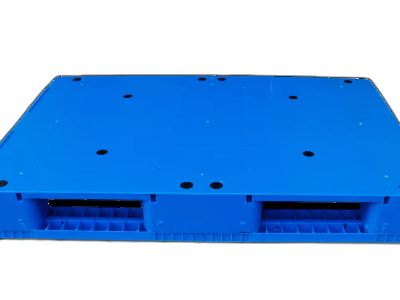
Understanding the total cost of plastic vs wood pallets for bulk procurement is crucial for businesses aiming to optimize their logistics and supply chain management. As purchasing managers and engineers evaluate options, they often consider durability, maintenance, weight, and total cost of ownership. This article will provide a comprehensive analysis of the cost implications associated with plastic and wood pallets highlighting key specifications, factors influencing procurement decisions, and how to effectively source reliable suppliers.
Understanding the Total Cost of Plastic vs Wood Pallets for Bulk Orders
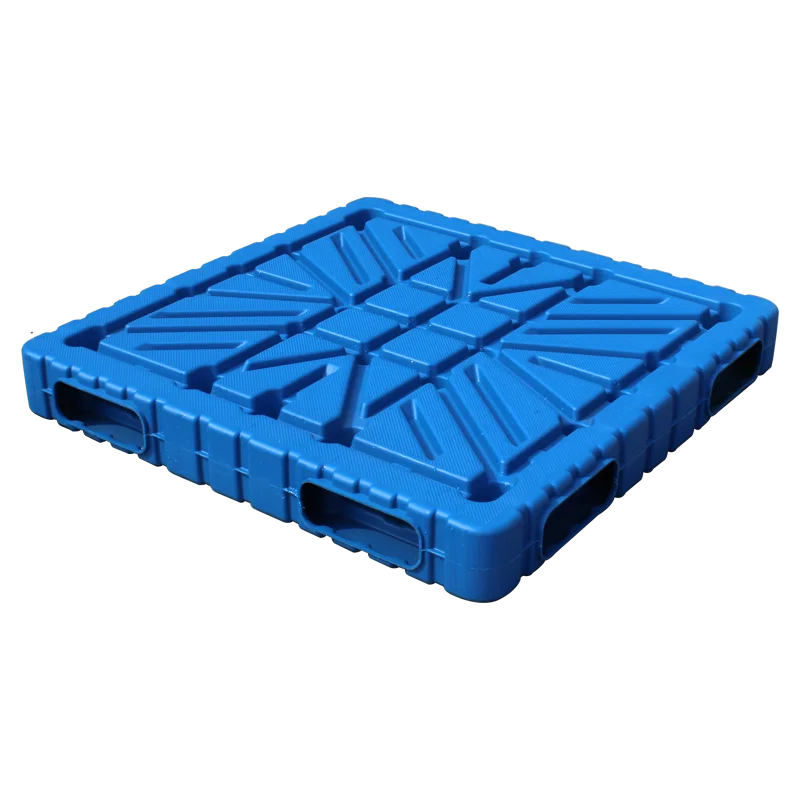
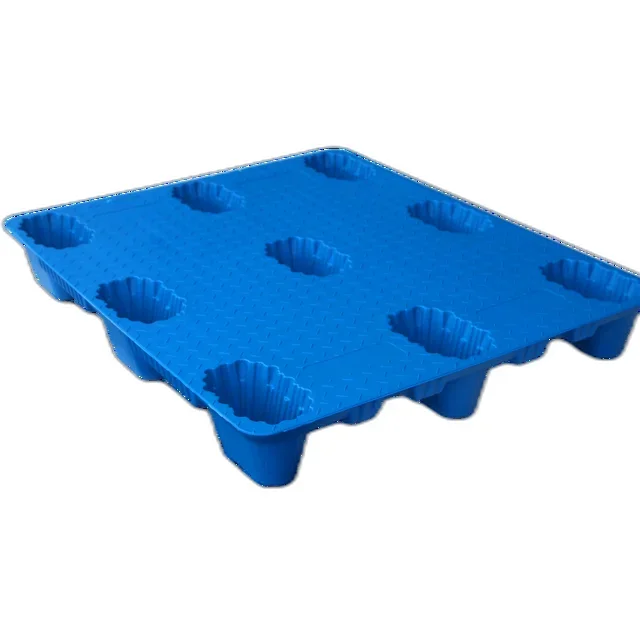
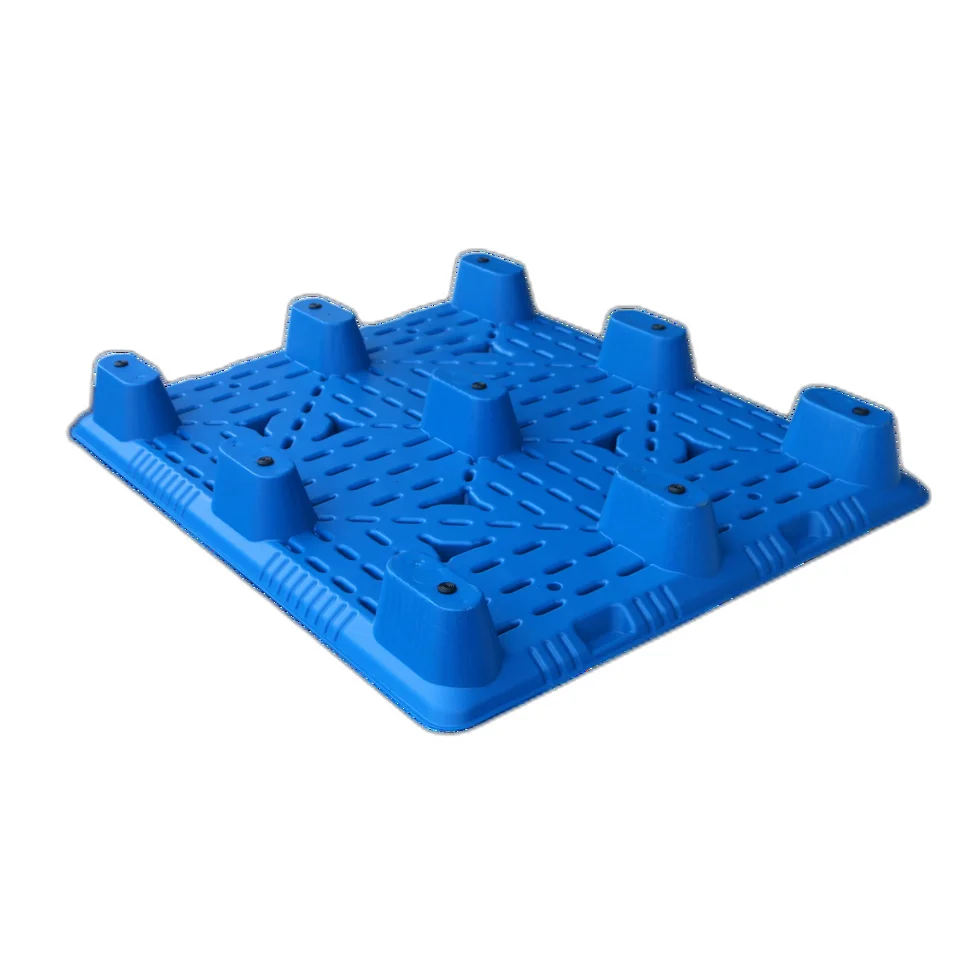
When comparing plastic and wood pallets for bulk orders, the total cost involves more than just the initial purchase price. Buyers must consider several long-term factors that contribute to the overall expense, including maintenance, lifespan, and disposal costs. Plastic pallets tend to have a higher upfront cost compared to wood pallets. However, their durability often results in longer life spans, reducing the frequency of replacement. For example, plastic pallets can last anywhere from 10 to 15 years under normal usage conditions, while wood pallets typically require replacement every 3 to 5 years. This longevity can lead to lower total costs over time, especially in high-turnover environments. Additionally plastic pallet are resistant to moisture, chemicals, and pests, which can lead to reduced maintenance costs and lower risk of product contamination. In contrast, wood pallets may require regular inspections and maintenance to avoid issues like splintering or insect infestation. Therefore, buyers should carefully calculate the total cost of ownership by factoring in these considerations alongside the initial purchase price.
Key Specifications to Consider When Choosing Plastic or Wood Pallets
When selecting pallets, it's essential to evaluate specific key specifications that influence performance and suitability for various applications. Important specifications include:
Load Capacity: Understanding the maximum weight a pallet can support is crucial. Plastic pallets often have higher load capacities, which can be vital for heavy industrial applications.
Dimensions: Standard pallet sizes (e. g., 48” x 40”) impact compatibility with existing racking systems and transportation methods. Custom dimensions may be necessary for specific applications, which can influence manufacturing lead times and costs.
Material Properties: Plastic pallets typically offer superior resistance to moisture and chemicals, making them ideal for food and pharmaceutical applications. In contrast, wood pallets may absorb moisture, leading to potential quality issues.
Compliance and Certifications: Depending on the industry, certain certifications (such as ISPM-15 for wood pallets) may be required for international shipping. Buyers should confirm compliance with relevant regulations to avoid costly delays.
Weight: The weight of the pallet can affect shipping costs. plastic for pallets are generally lighter than wood pallets, which can translate to lower transportation expenses.
By evaluating these specifications, buyers can make informed decisions that align with their operational needs and budget constraints.
Analyzing Plastic vs Wood Pallets for Wholesale Buyers
Wholesale buyers must assess not only the initial costs but also the operational efficiencies associated with plastic and wood pallets. Factors such as durability, handling, and maintenance significantly impact the total cost of procurement. Plastic pallets often require less maintenance and are easier to clean, which is advantageous for industries such as food processing where hygiene is critical. Additionally, their uniformity and lack of splinters reduce the risk of worker injury during handling. On the other hand, wood pallets may be more readily available and can be less expensive upfront. However, their susceptibility to damage can lead to higher costs in terms of replacements and repairs. Buyers should also consider the environmental impact of both options; plastic pallets can be recycled or reused, while wood pallets may end up in landfills if not properly managed. Ultimately, the choice between plastic and wood pallets should be based on a thorough analysis of long-term costs, operational efficiencies, and specific industry requirements.
A Detailed Comparison
| Specification | Plastic Pallets | Wood Pallets |
|---|---|---|
| Initial Cost | Higher | Lower |
| Lifespan | 10-15 years | 3-5 years |
| Load Capacity | Higher (up to 3,000 lbs) | Varies (typically up to 2,200 lbs) |
| Weight | Lighter | Heavier |
| Maintenance | Low, easy to clean | Moderate, requires inspections |
| Environmental Impact | Recyclable, reusable | Biodegradable, but may require disposal |
| Chemical Resistance | High | Low |
| Compliance | Industry-specific certifications available | Must adhere to ISPM-15 for export |
This comparison allows buyers to weigh the benefits and drawbacks of each option, facilitating a decision that aligns with their operational goals and financial constraints.
Where to Source Reliable Suppliers for Plastic and Wood Pallets?
Sourcing reliable suppliers is critical for ensuring quality and consistency in pallet procurement. Here are several strategies to identify trustworthy manufacturers:
Industry Associations: Engaging with industry associations can provide leads on reputable suppliers who adhere to quality standards and regulations relevant to your industry.
Trade Shows and Expos: Attending logistics and supply chain trade shows can connect buyers with manufacturers and allow for direct discussions about products and capabilities.
Online Marketplaces: Platforms such as Alibaba or ThomasNet can be valuable for finding suppliers. However, thorough vetting is essential to ensure reliability and quality.
Request for Quotations (RFQs): When reaching out to potential suppliers, provide detailed information about your specific requirements, including dimensions, load capacities, and any necessary certifications. This allows suppliers to offer tailored solutions that meet your needs.
Sample Testing: Before making a bulk order, request samples to evaluate performance and ensure the pallets meet your specifications. Testing under actual operating conditions can uncover potential issues before mass production.
By following these steps, buyers can secure high-quality plastic or wood pallets that align with their operational requirements while minimizing risks associated with procurement. understanding the total cost comparison between new plastic pallets and wood pallets is vital for making informed purchasing decisions. By considering key specifications, analyzing the implications for wholesale buyers, and sourcing reliable suppliers, companies can optimize their logistics processes effectively.