 EN
EN
 AR
AR
 BG
BG
 HR
HR
 CS
CS
 DA
DA
 NL
NL
 FI
FI
 FR
FR
 DE
DE
 EL
EL
 HI
HI
 IT
IT
 JA
JA
 KO
KO
 NO
NO
 PL
PL
 PT
PT
 RO
RO
 RU
RU
 ES
ES
 SV
SV
 CA
CA
 TL
TL
 IW
IW
 ID
ID
 UK
UK
 VI
VI
 SQ
SQ
 ET
ET
 GL
GL
 HU
HU
 TH
TH
 TR
TR
 FA
FA
 AF
AF
 GA
GA
 CY
CY
 BE
BE
 BN
BN

/images/share.png)
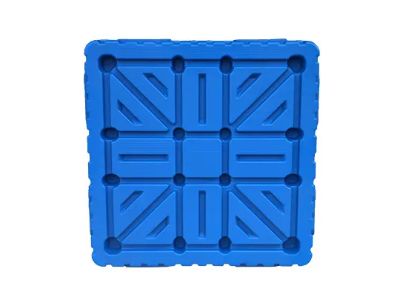
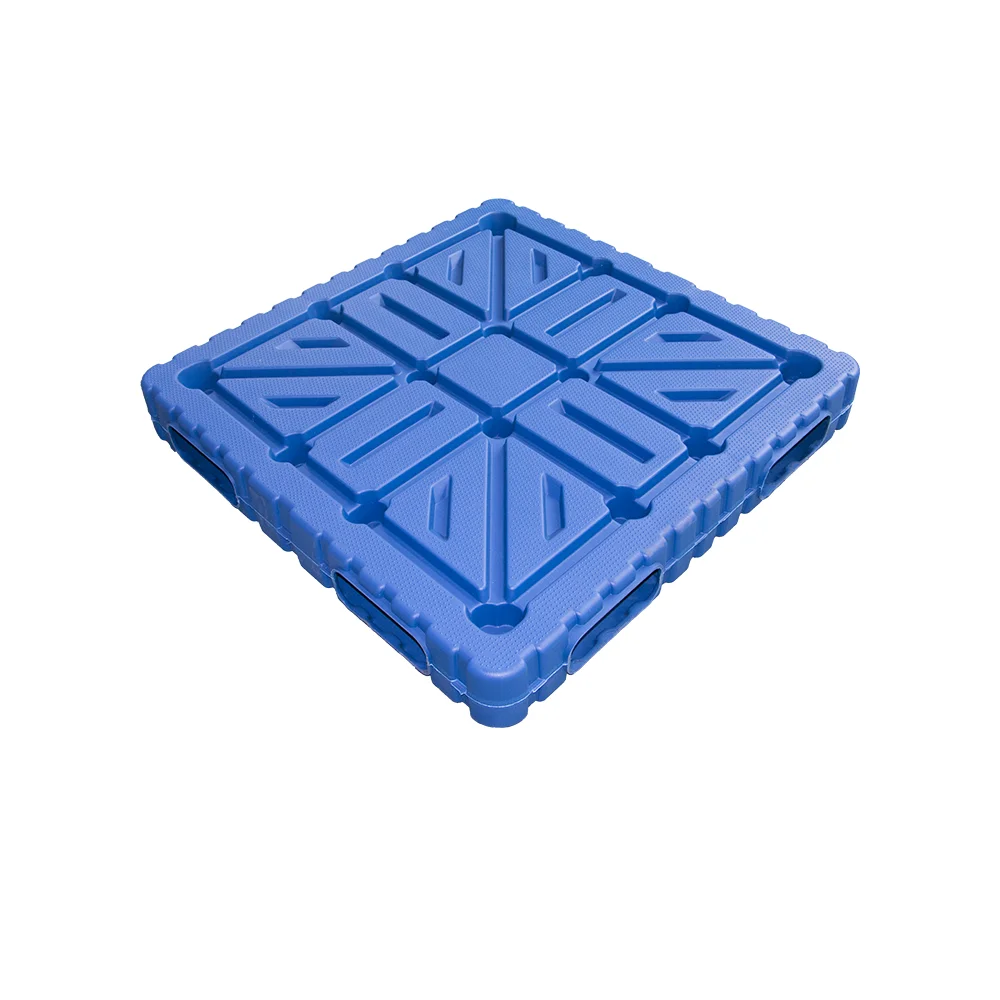
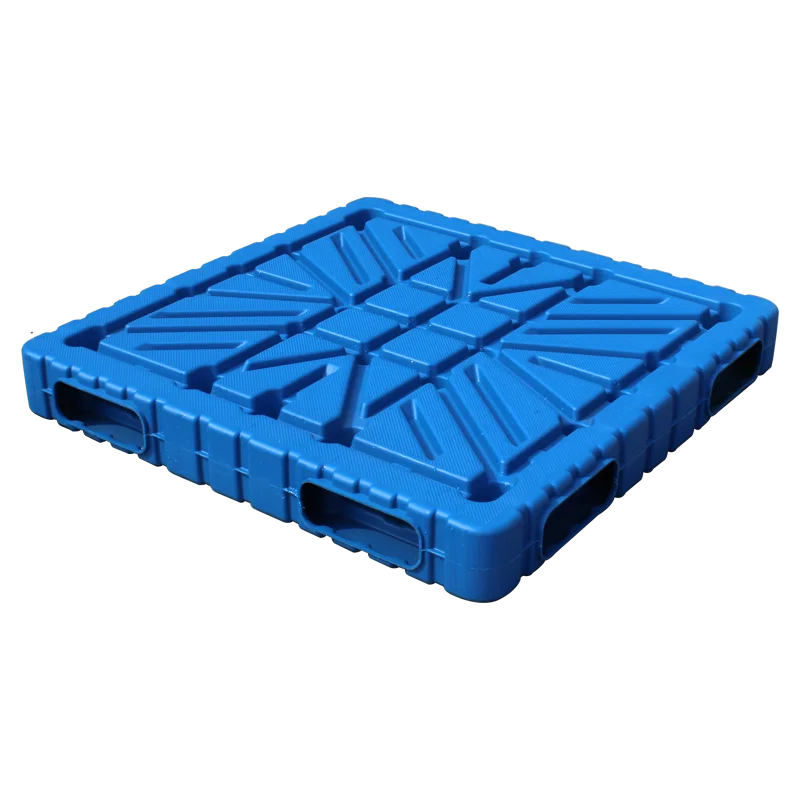
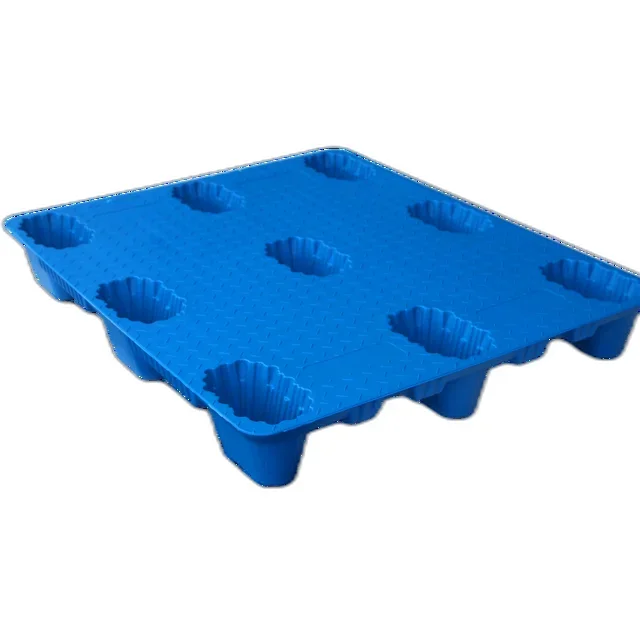
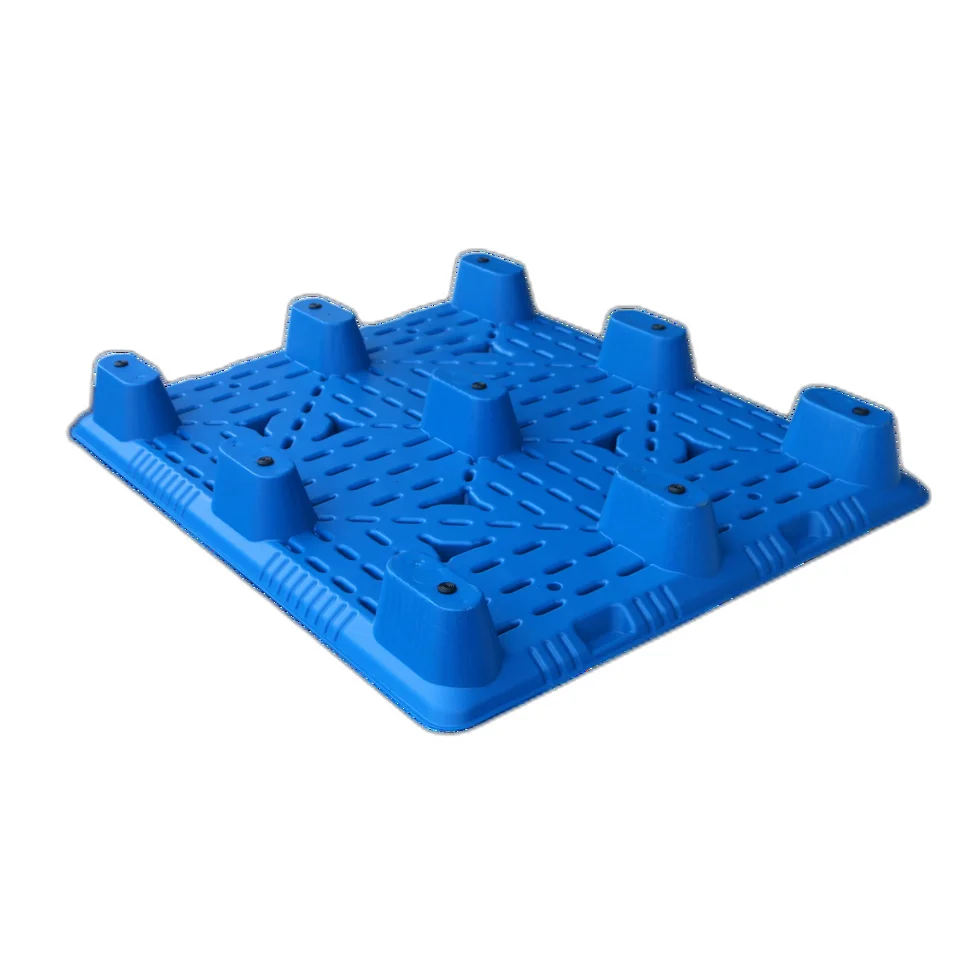
When considering where to buy plastic pallets, it’s essential to navigate the complexities of local and overseas supply channels. Plastic pallets are critical for efficient warehousing and logistics, and buying the right pallets can significantly impact your operations. We’ll address the key concerns B2B buyers face, including sourcing suppliers, selecting the best plastic pallet for your needs, and understanding the cost factors involved in bulk purchases.
Sourcing Suppliers for Bulk Orders
Identifying reliable suppliers for bulk orders of plastic pallets is key to ensuring product quality and supply chain efficiency. Start by evaluating suppliers based on their manufacturing capabilities, production capacity, and experience in the industry. For instance, Jiangsu Nexara has over 30 years of experience in producing plastic injection and blow-molded products, which showcases their expertise in this field.
When sourcing suppliers, consider their geographical location and logistics capabilities. Local suppliers might offer quicker lead times and lower shipping costs, while overseas suppliers may provide cost advantages due to lower production costs. However, ensure you understand the potential risks involved with overseas sourcing, such as longer lead times and customs clearance issues.
Request samples from various suppliers to assess product quality and performance before making bulk purchases. This will help you identify the best supplier that meets your specific requirements.
What to Consider When Choosing Plastic Pallets for Your Business?
Choosing the right plastic pallets involves several critical considerations. First, assess the intended application of the heavy duty plastic pallets. Will they be used in a cold storage environment, or do they need to withstand significant weight during transportation? The environmental conditions and load requirements will dictate the type of material and design you need.
Next, consider the dimensions and weight capacity of the pallets. Common sizes include standard 48x40 inches, but custom sizes are often available to fit unique applications. Additionally, the load-bearing capacity is essential, especially if your operations involve heavy machinery or products.
Material choice is also crucial. Different plastics offer varied durability, chemical resistance, and cost factors. For example, high-density polyethylene (HDPE) is often chosen for its resilience and UV resistance, making it suitable for outdoor use. Conversely, polypropylene may be lighter but less durable under extreme conditions.
Lastly, evaluate the potential for customization. If your operations require specific features, such as reinforced edges or special colors for identification, ensure your supplier has the capability to deliver these custom specifications.
How to Compare Local and Overseas Plastic Pallet Suppliers Effectively?
When comparing local and overseas plastic pallet suppliers, several factors should be at the forefront of your evaluation. Start by examining cost structures. Local suppliers may have higher prices due to labor costs but could offset these with lower shipping fees and faster delivery times. On the other hand, overseas suppliers often present lower unit costs but can incur additional expenses related to shipping, tariffs, and longer lead times.
Quality assurance is another crucial aspect. Ensure that your suppliers have robust quality control processes in place. Request certifications, such as ISO standards, that demonstrate their commitment to quality manufacturing. Jiangsu Nexara, for instance, employs strict quality control measures throughout its production process, ensuring that every warehouse plastic pallets meets industry standards.
Additionally, consider the supplier's customer service and support capabilities. A responsive supplier can significantly aid your purchasing process, especially if issues arise during production or shipping. Look for testimonials or case studies from other businesses that have collaborated with the suppliers you are considering.
Understanding Cost Factors for Wholesale Plastic Pallet Purchases
Understanding the various cost factors involved in wholesale plastic pallet purchases is critical for budgeting and financial planning. The primary cost components include material costs, production costs, shipping and logistics costs, and any applicable tariffs or duties.
Material costs will vary based on the type of plastic used and the complexity of the pallet design. Custom pallets, which may require specialized molds or production techniques, can increase these costs. Additionally, production costs can fluctuate based on the supplier's efficiency and scale of operations; larger suppliers often benefit from economies of scale.
Shipping costs are another significant factor. Local suppliers typically offer more predictable shipping expenses and shorter lead times, while overseas suppliers may involve complex logistics that can affect total costs. It’s essential to factor in these costs when assessing the overall price of the pallets.
Lastly, don’t forget to consider potential hidden costs, such as returns, restocking fees, or costs associated with quality failures. A thorough review of all cost components will lead to more informed purchasing decisions.
Advantages of Material Choices in Plastic Pallet Production
The choice of material in plastic pallet production directly impacts durability, weight, cost, and suitability for specific applications. Common materials include high-density polyethylene (HDPE), low-density polyethylene (LDPE), and polypropylene. Each material has distinct advantages that affect pallet performance.
HDPE is known for its strength and resistance to impact, making it ideal for heavy-duty applications. It also resists UV rays and chemicals, which is essential for pallets used in outdoor or harsh environments. LDPE, while lighter and more flexible, may not withstand heavy loads but can be more cost-effective for lighter applications.
Polypropylene offers a good balance between weight and strength, often used in applications that require a lightweight option with adequate durability. Additionally, some manufacturers offer composite materials that combine plastics with other materials for enhanced performance, such as improved resistance to moisture or chemicals.
Understanding the advantages of these materials will help you select the most appropriate pallets for your specific operational needs. Be sure to discuss material options with your supplier to gain insight into the best choices based on your application requirements.
In summary, the process of buying plastic pallets, whether locally or from overseas, requires careful consideration of suppliers, product specifications, cost factors, and material advantages. By addressing these critical areas, you can make informed purchasing decisions that enhance your business operations.