 EN
EN
 AR
AR
 BG
BG
 HR
HR
 CS
CS
 DA
DA
 NL
NL
 FI
FI
 FR
FR
 DE
DE
 EL
EL
 HI
HI
 IT
IT
 JA
JA
 KO
KO
 NO
NO
 PL
PL
 PT
PT
 RO
RO
 RU
RU
 ES
ES
 SV
SV
 CA
CA
 TL
TL
 IW
IW
 ID
ID
 UK
UK
 VI
VI
 SQ
SQ
 ET
ET
 GL
GL
 HU
HU
 TH
TH
 TR
TR
 FA
FA
 AF
AF
 GA
GA
 CY
CY
 BE
BE
 BN
BN



/images/share.png)
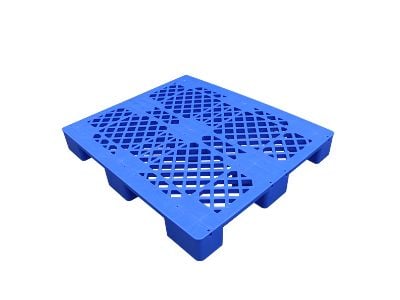
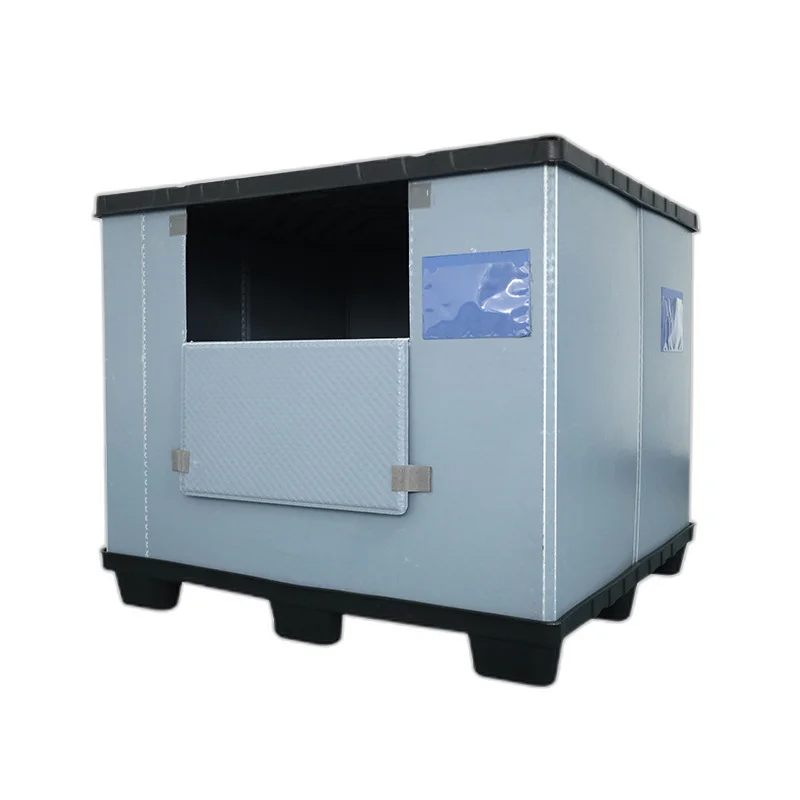
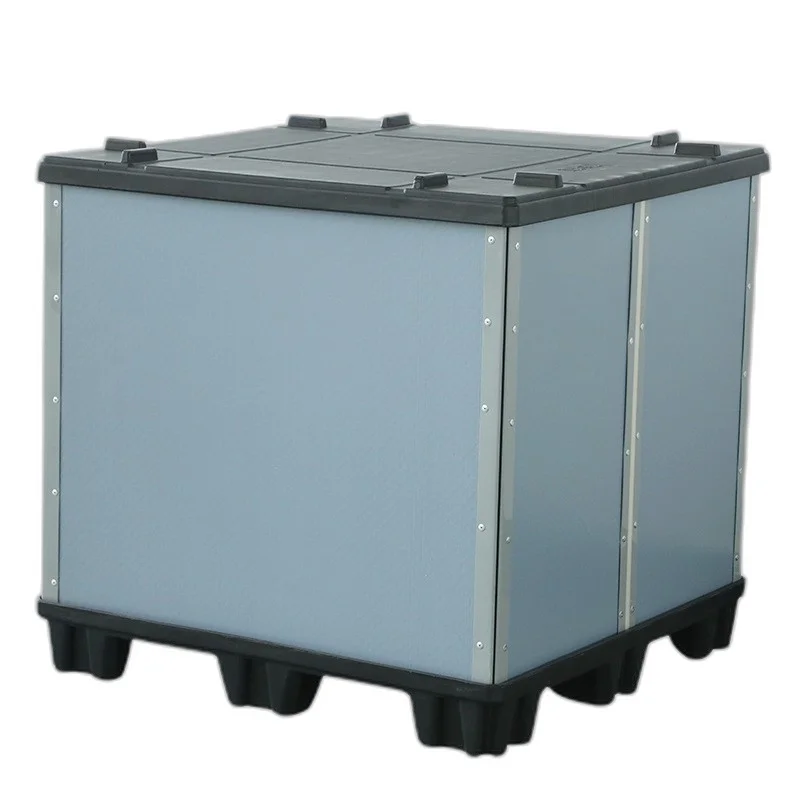
Choosing the right plastic pallet size is crucial for ensuring optimal cargo load efficiency in various industries. This guide will help purchasing managers and logistics professionals understand how to select the appropriate plastic pallet sizes for their specific cargo needs. By addressing key specifications, common issues, and practical installation guidance, this article aims to equip you with the necessary knowledge for making informed purchasing decisions regarding plastic pallet.
Understanding Plastic Pallet Sizes for Optimal Cargo Load Efficiency
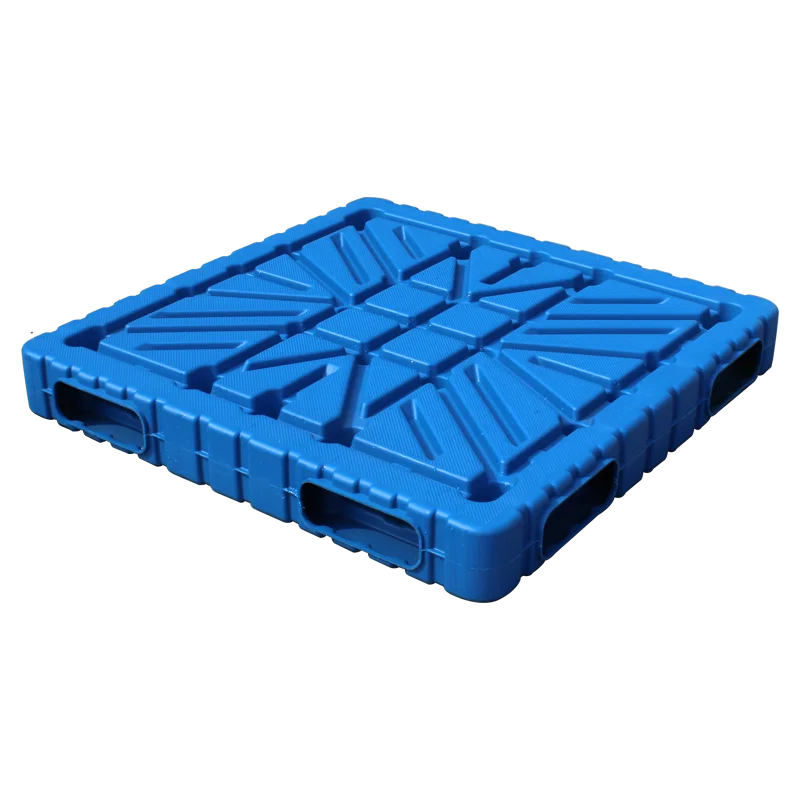
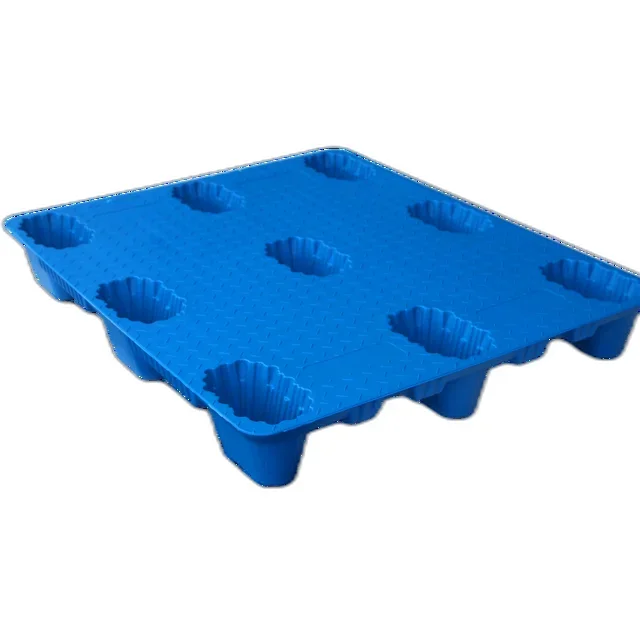
When selecting plastic pallets, understanding the various sizes available is essential for maximizing load efficiency. Plastic pallets come in standard sizes, such as 48x40 inches, which is widely used in North America, and 1200x1000 mm, common in Europe. However, the right size depends on the type of cargo, storage requirements, and transportation methods.
For example, the dimensions of the pallet must align with the dimensions of the load it will carry. Oversized pallets may lead to wasted space and increased shipping costs, while undersized plastic pallet crates can compromise load stability and safety. Additionally, considering the height of the load is crucial; taller loads may require specific pallet sizes or configurations to ensure stability during transport.
Key Specifications to Consider for Plastic Pallet Sizing
Selecting the right plastic pallet size requires careful consideration of several key specifications:
Load Capacity: Determine the maximum weight the pallet must support. Plastic pallets can generally hold weights ranging from a few hundred to several thousand pounds, depending on their design and material properties. Ensure that the pallet's capacity meets or exceeds the weight of the cargo.
Material Composition: The materials used in manufacturing heavy duty plastic pallets affect their performance. High-density polyethylene (HDPE) is commonly used for its strength and resistance to chemicals, while other materials may be lighter and more cost-effective but could compromise durability.
Pallet Thickness: Thicker pallets tend to offer higher strength and durability, which is crucial for heavy loads. However, they may also add weight, affecting shipping costs. Assess the trade-off between strength and weight according to your specific requirements.
Nestability and Stackability: Consider how the pallets will be stored when not in use. Nestable pallets save space, while stackable pallets are designed to hold loads securely when stacked. Understanding your storage environment will inform your choice of pallet design.
Compatibility with Equipment: Ensure that the selected pallet size is compatible with the handling equipment used in your operations, such as forklifts or pallet jacks. This compatibility will facilitate smooth operations and prevent damage to both the pallets and the handling equipment.
What to Look for in Plastic Pallets?
When evaluating plastic pallets, consider the following features to ensure they meet your operational needs:
Surface Design: Look for pallets with a smooth surface for easy cleaning, particularly in industries like food and pharmaceuticals, where hygiene is paramount. Additionally, non-slip surfaces can enhance safety during transport.
Reinforcement Features: Reinforced corners or runners can increase strength and stability, making the pallets more durable under heavy loads. Depending on your application, reinforced designs may be necessary to prevent breakage.
Customizability: If your cargo has specific requirements, consider working with a manufacturer like Jiangsu Nexara, which offers customization capabilities. Customization can include specific dimensions, colors, or branding options to align with your operational needs.
Certifications: Check for relevant certifications, such as ISPM 15 compliance for export pallets. This ensures that the pallets meet international shipping regulations and reduces the risk of delays.
Common Issues When Selecting Plastic Pallet Sizes and Solutions
Buyers often encounter several issues when selecting the right plastic pallet sizes:
Incompatibility with Existing Systems: One common mistake is choosing pallet sizes that do not fit well with existing storage and transportation systems. To avoid this, conduct a thorough analysis of your current systems and consider conducting a trial run with potential pallet sizes before placing a bulk order.
Underestimating Load Requirements: Failing to accurately estimate the load requirements can lead to using pallets that are inadequate for supporting the intended weight. Be sure to assess both the static and dynamic load capacities to ensure safety and efficiency.
Ignoring Environmental Factors: Environmental conditions, such as temperature extremes or exposure to chemicals, can affect pallet performance. Ensure the selected pallets are suited for the intended environment to prevent degradation or failure during use.
Overlooking Cost Implications: While it may be tempting to choose the least expensive option, consider the total cost of ownership, including durability, maintenance, and replacement frequency. Investing in higher-quality pallets can lead to long-term savings.
Installation Guidance for Various Plastic Pallet Sizes and Uses
Proper installation and usage of plastic pallets are critical to maximizing their lifespan and performance. Here are some guidelines:
Loading Techniques: Ensure that loads are evenly distributed across the pallet to avoid tipping or damage. When stacking, place heavier items on the bottom and lighter items on top to maintain stability.
Transport Practices: Use appropriate handling equipment that is compatible with the pallet design. For instance, if using a forklift, ensure that the forks are positioned correctly to prevent damage to the pallet.
Storage Recommendations: Store pallets in a dry, sheltered area to protect them from prolonged exposure to sunlight and moisture, which can degrade the material over time. Additionally, allow for proper air circulation to prevent mold or mildew growth.
Regular Inspections: Conduct routine inspections of pallets to check for signs of wear, such as cracks or deformation. Address any issues promptly to prevent accidents during operation.
By adhering to these guidelines and considering the specifications outlined, you can confidently select the right plastic pallet sizes for your cargo load needs, ensuring efficiency and safety in your logistics operations.