 EN
EN
 AR
AR
 BG
BG
 HR
HR
 CS
CS
 DA
DA
 NL
NL
 FI
FI
 FR
FR
 DE
DE
 EL
EL
 HI
HI
 IT
IT
 JA
JA
 KO
KO
 NO
NO
 PL
PL
 PT
PT
 RO
RO
 RU
RU
 ES
ES
 SV
SV
 CA
CA
 TL
TL
 IW
IW
 ID
ID
 UK
UK
 VI
VI
 SQ
SQ
 ET
ET
 GL
GL
 HU
HU
 TH
TH
 TR
TR
 FA
FA
 AF
AF
 GA
GA
 CY
CY
 BE
BE
 BN
BN



/images/share.png)
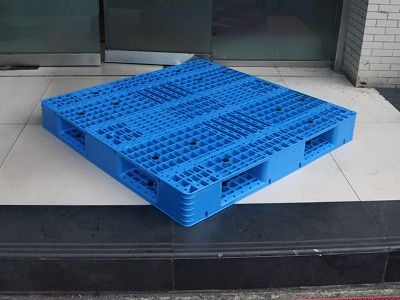
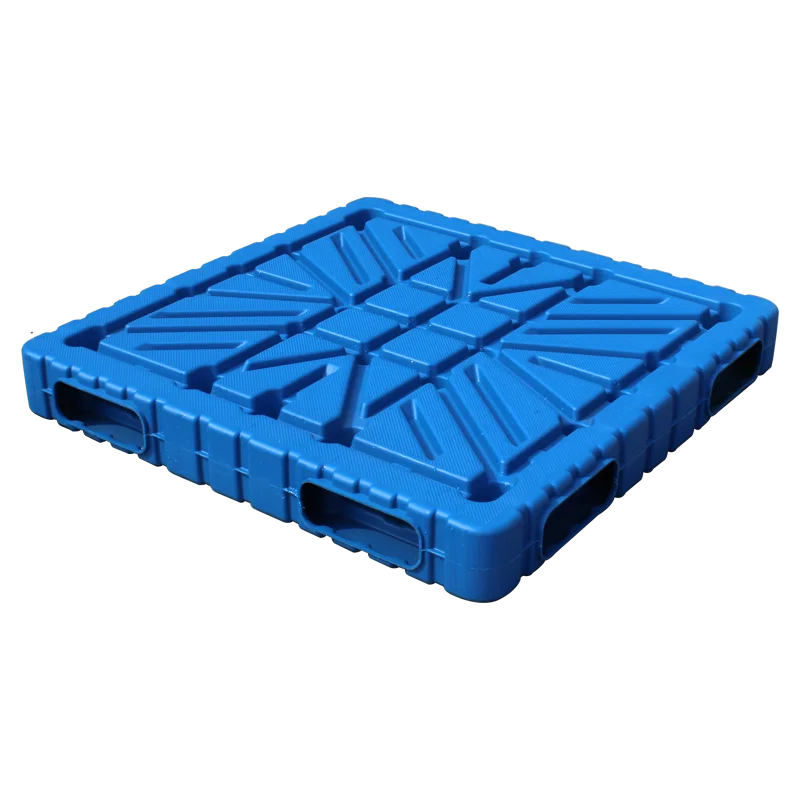
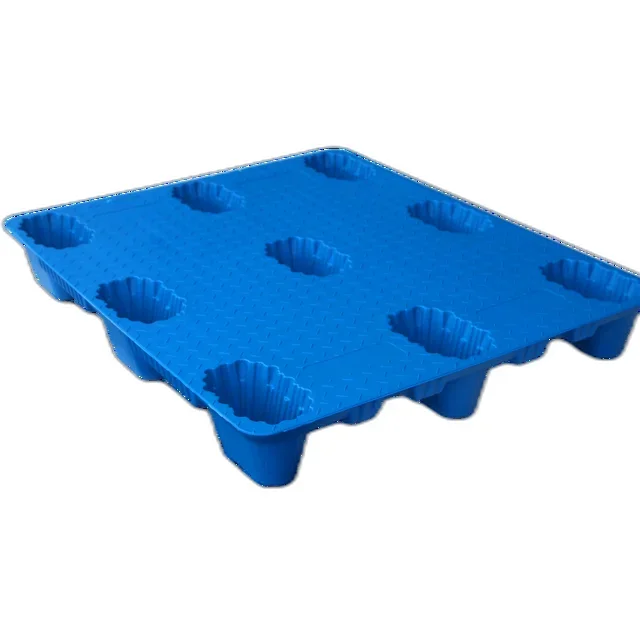
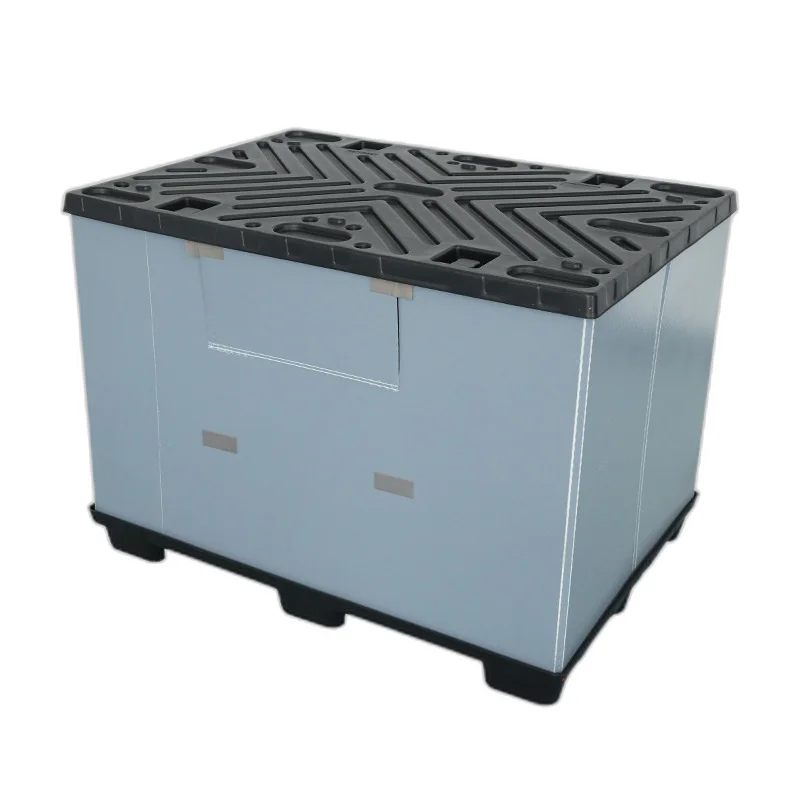
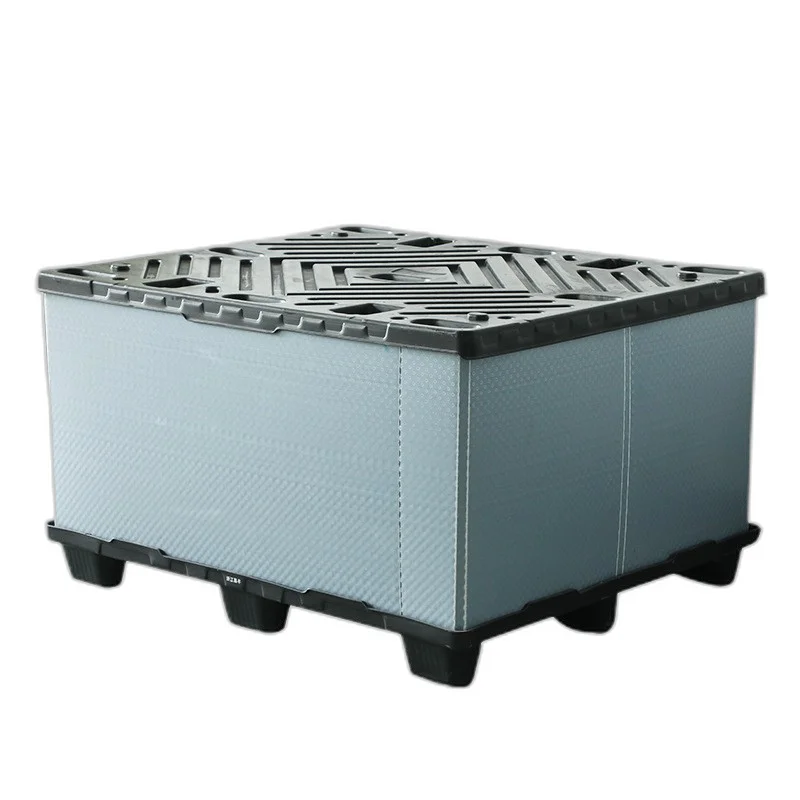
Plastic pallets are essential tools in modern industrial warehouse operations, providing efficient solutions for storage and transport. This complete selection guide for industrial warehouse use focuses on the critical considerations for choosing the right plastic pallet, ensuring that purchasing managers and warehouse operators can make informed decisions. Key concerns often include material durability, load capacity, and supplier reliability. This article will help you navigate these considerations and streamline the selection process.
What to Consider When Choosing Plastic Pallets for Your Warehouse?
When selecting plastic pallets for your warehouse, it's essential to assess several key factors:
Material: Plastic pallets are typically made from high-density polyethylene (HDPE) or polypropylene (PP). HDPE offers excellent impact resistance and durability, making it suitable for heavy loads and harsh environments, while PP is lighter and may be more cost-effective for lighter applications.
Load Capacity: Determine the maximum weight your pallets will need to support. Ensure to choose pallets that can handle static and dynamic loads. For instance, a pallet designed for static loads may not perform well under dynamic conditions, such as during transport.
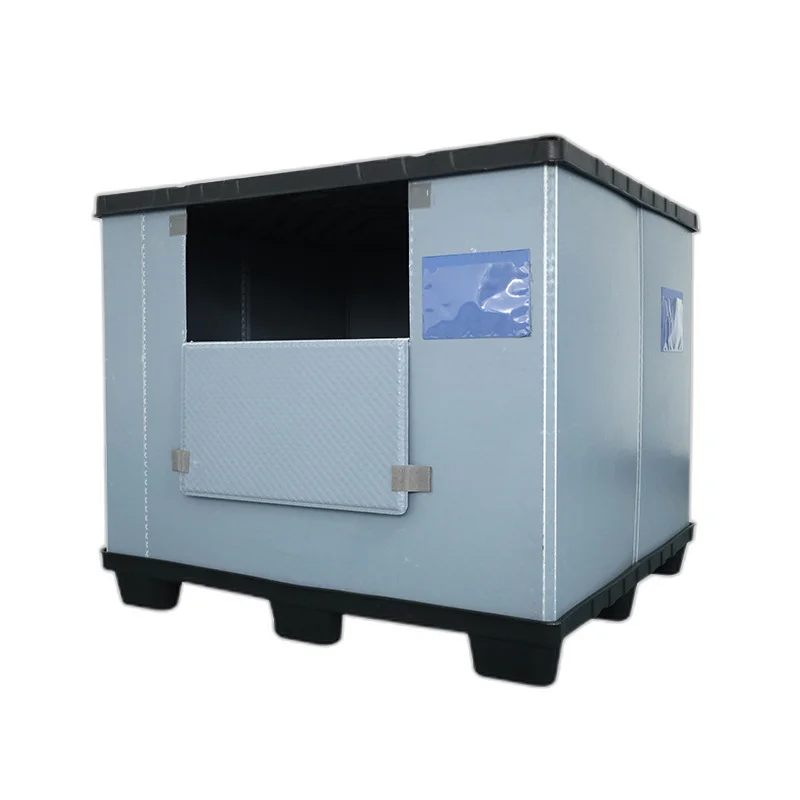
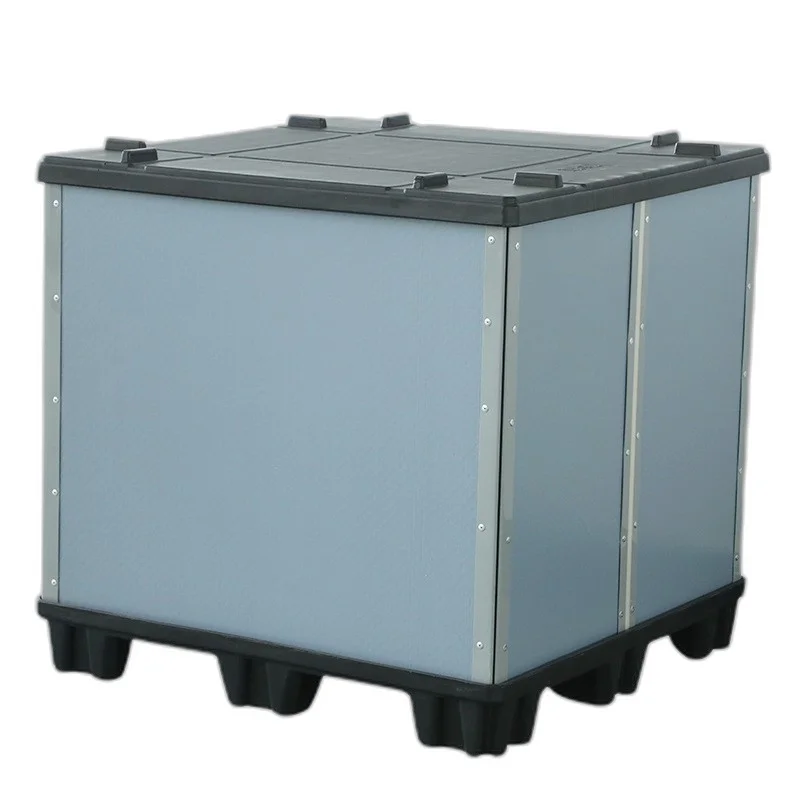
Size and Dimensions: Standard sizes for plastic pallet crates include 48”x40” and 42”x42”, but custom sizes can be provided to fit specific storage configurations. Make sure the pallets fit your racking system and transport equipment.
Environmental Considerations: Assess whether the pallets will be used in cold storage, exposure to chemicals, or other specific environments. Some plastics can become brittle in cold temperatures or degrade in the presence of certain chemicals.
Hygiene Standards: In industries like food and pharmaceuticals, hygiene is paramount. Look for pallets that are easy to clean, resistant to moisture, and compliant with industry standards.
How to Evaluate the Quality of Plastic Pallets for Bulk Ordering?
Evaluating the quality of plastic pallets before placing a bulk order is crucial to ensure they meet your operational needs. Here are several factors to consider:
Manufacturing Process: Understand whether the pallets are injection-molded or blow-molded. Injection-molded pallets tend to be more robust and offer better dimensional accuracy, while blow-molded pallets may be lighter but less durable.
Quality Certifications: Check for certifications that indicate compliance with industry standards, such as ISO or other relevant safety and quality standards. This can give you confidence in the product's reliability.
Sample Testing: Request samples before committing to a bulk order. Conduct tests to evaluate load capacity, durability, and resistance to environmental factors. Testing under actual operational conditions is advisable to ensure suitability.
Supplier Reputation: Research potential suppliers to gauge their reliability. Look for customer reviews, references, and case studies that demonstrate their ability to deliver high-quality products consistently.
Warranty and Support: Assess the warranty offered on the pallets and the level of customer support available. A reputable supplier should provide clear terms and responsive service in case of issues.
Where to Find Reliable Suppliers of Plastic Pallets for Distribution?
Finding reliable suppliers for plastic pallets is critical for ensuring consistent quality and service. Here are some strategies to locate dependable sources:
Industry Directories and Trade Shows: Attend industry trade shows or consult directories that list manufacturers and suppliers of industrial plastic pallets. This can provide exposure to a variety of options and allow for direct interaction with potential suppliers.
Online Marketplaces: Utilize B2B platforms. These platforms often feature supplier ratings and reviews that can help evaluate their reliability.
Networking: Leverage industry contacts and networks to get recommendations for trusted suppliers. Colleagues and other businesses in your field may have valuable insights based on their experiences.
Manufacturer Websites: Explore the websites of manufacturers, such as Jiangsu Nexara, which specializes in plastic injection and blow-molded products. Look for information on their product range, customization options, and quality assurance processes.
Request for Quotes (RFQ): Once you have identified potential suppliers, send out RFQs that detail your specific requirements, such as dimensions, material specifications, and expected volumes. This will help you compare offers effectively.
Installation Guidance for Plastic Pallets in Industrial Settings
Proper installation and usage of plastic pallets are essential for maximizing their benefits. Here are some installation guidelines:
Preparation of the Surface: Ensure the surface where the pallets will be placed is clean and level. Uneven surfaces can lead to instability and increase the risk of accidents.
Stacking and Racking: When stacking pallets, avoid exceeding the recommended height or weight limits. Follow the manufacturer's guidelines to prevent deformation or collapse.
Handling Equipment Compatibility: Confirm that the pallets are compatible with your forklifts, pallet jacks, and other handling equipment. The design of the pallets should allow for easy maneuvering and lifting.
Regular Inspections: Implement a schedule for regular inspections of pallets to check for wear, cracks, or deformation. Address any issues promptly to maintain safety and efficiency in operations.
Training Employees: Educate your staff on proper handling techniques and usage of plastic pallets. This can reduce the risk of accidents and extend the life of the pallets.
Advantages of Using Plastic Pallets Over Traditional Materials
Plastic pallets offer several advantages over traditional wooden or metal pallets, making them an increasingly popular choice in various industries:
Durability and Longevity: Plastic pallets are resistant to moisture, chemicals, and pests, which can lead to longer lifespans compared to wooden pallets that may warp, splinter, or become infested.
Weight Efficiency: Plastic pallets are generally lighter than wooden or metal alternatives, reducing shipping costs and improving handling efficiency.
Hygienic Properties: Easy to clean and sanitize, plastic pallets are ideal for industries requiring strict hygiene practices, such as food and pharmaceuticals.
Recyclability: Many plastic pallets are made from recyclable materials, contributing to sustainability efforts. This can enhance your company's green credentials.
Cost-Effectiveness: Although the initial investment may be higher, the long-term savings from reduced maintenance, repair costs, and increased durability can make plastic pallets more cost-effective over time.
By understanding the critical aspects of plastic pallets, you can make informed decisions that enhance your warehouse operations and support your business goals.
Table of Contents
- What to Consider When Choosing Plastic Pallets for Your Warehouse?
- How to Evaluate the Quality of Plastic Pallets for Bulk Ordering?
- Where to Find Reliable Suppliers of Plastic Pallets for Distribution?
- Installation Guidance for Plastic Pallets in Industrial Settings
- Advantages of Using Plastic Pallets Over Traditional Materials